
 -
- Common Air Vent Problems and When to Replace Them
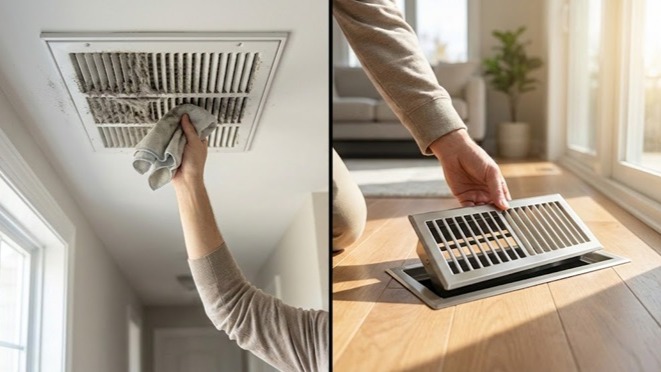
Air vents play a critical role in heating systems, yet they are often overlooked until something goes wrong. These small components prevent airlocks, maintain system pressure, and ensure efficient heat distribution throughout radiators and pipework. When they fail, the consequences range from cold spots on radiators to complete system breakdowns requiring costly emergency callouts.
Heating engineers encounter air vent failures regularly during service visits. The telltale air vent failure signs include dripping valves, hissing sounds, and persistent cold radiators, all indicating problems that will not resolve themselves. Knowing when to repair versus replace these components saves time, prevents water damage, and maintains system efficiency.
How Air Vents Function in Heating Systems
Automatic air vents release trapped air from heating systems without manual intervention. As water heats and circulates through pipework, dissolved gases separate and accumulate at high points. Air vents detect this gas buildup and discharge it automatically, maintaining optimal system pressure and heat transfer.
The mechanism relies on a float chamber containing a small valve. When air enters the chamber, the float drops and opens the valve, releasing the gas. Once water reaches the chamber, the float rises and seals the valve, preventing water escape. This simple yet effective design operates continuously throughout the heating season.
Manual air vents, commonly called bleed valves, serve the same purpose but require physical operation. Located on individual radiators, these valves allow occupants to release trapped air using a radiator key. Both automatic and manual vents experience similar failure modes, though automatic vents face additional challenges due to their mechanical components.
Persistent Dripping and Water Leakage
Water dripping from air vents represents the most common failure mode and a clear indicator of problems. A functioning vent should remain completely dry during normal operation. Any moisture indicates seal degradation, contamination, or mechanical failure within the valve assembly.
Initial drips often start slowly, just a few drops per day that evaporate quickly. This minor seepage rapidly progresses to steady dripping, then streaming water that damages ceilings, walls, and furnishings. The corrosive nature of heating system water, combined with inhibitors and dissolved minerals, accelerates deterioration once leakage begins.
Tightening the valve cap provides temporary relief in some cases, but this approach rarely offers a permanent solution. Over-tightening damages internal components and strips threads, creating worse problems. If gentle tightening does not stop the drip immediately, replacement becomes necessary.
Corrosion around the valve body confirms long-term leakage. White or green deposits indicate mineral buildup from evaporated water. Brown staining shows rust formation. These visual markers prove the vent has failed beyond simple adjustment.
Continuous Hissing and Air Release
Air vents should operate silently except for brief hissing during air release cycles. Continuous or frequent hissing indicates the float mechanism has failed, preventing proper valve closure. This fault allows constant air discharge, which draws more air into the system through pump seals and other entry points. A faulty air release valve creates ongoing system problems.
The problem creates a self-perpetuating cycle. As the vent releases air, system pressure drops. The filling loop or pressure vessel compensates by introducing fresh water, which contains dissolved oxygen. This new air accumulates and triggers more venting, continuing the cycle indefinitely.
System pressure gauges reveal this condition through frequent pressure drops. Heating systems typically maintain 1.0-1.5 bar when cold. If pressure falls below 1.0 bar within days of refilling, a faulty air release valve likely causes the loss. The constant introduction of fresh, oxygenated water accelerates corrosion throughout the system, creating additional long-term damage.
Temperature variations affect the problem. Cold weather increases system demand, raising circulation rates and turbulence that releases more dissolved gases. This explains why hissing vents worsen during winter months when heating operates continuously.
Cold Spots and Inefficient Heat Distribution
Airlocks prevent hot water from circulating properly, creating cold sections on radiators despite adequate boiler output. When air vents fail to release trapped gas, these pockets accumulate at high points, blocking water flow and reducing heat transfer efficiency. Recognising these symptoms early prevents efficiency losses.
Cold radiator tops with warm bottoms indicate air accumulation. The trapped gas occupies the upper portion, preventing hot water from filling the entire radiator volume. This reduces heat output significantly: a radiator 50% filled with air delivers roughly 50% of its rated output.
System-wide cold spots suggest automatic vent failure at the highest point of the installation. Central heating systems typically include an automatic vent on the primary flow pipe near the boiler or at the highest radiator location. When this vent fails to operate, air remains trapped throughout the system regardless of individual radiator bleeding.
Repeated bleeding requirements confirm air vent problems. Radiators needing weekly bleeding indicate either air ingress through faulty seals or ineffective automatic venting. Properly functioning systems require bleeding only after initial filling or maintenance work. Frequent bleeding wastes time and introduces fresh water that increases corrosion risk.
Seized or Stuck Valves
Manual bleed valves seize through corrosion, paint accumulation, or debris contamination. The square spindle that accepts radiator keys corrodes first, rounding off and preventing proper tool engagement. Forcing seized valves risks snapping the spindle or cracking the valve body, creating emergency leaks.
Automatic vent floats stick in closed positions, preventing air release. Magnetite sludge, the black iron oxide that accumulates in poorly maintained systems, builds up inside float chambers. This debris prevents float movement, rendering the vent useless. The valve appears functional externally but provides no venting action. A stuck valve from sludge contamination requires replacement rather than cleaning.
Chemical inhibitor breakdown contributes to sticking. Heating systems require corrosion inhibitor replacement every five years. Degraded inhibitor loses protective properties, allowing accelerated corrosion and sludge formation. This contamination affects air vents first due to their small internal passages and moving parts.
Pump valves and other system components face similar contamination issues. Comprehensive system cleaning and inhibitor renewal often accompanies air vent replacement to prevent rapid failure of new components.
Visible Corrosion and Physical Damage
External corrosion indicates advanced deterioration and obvious signs of failure. Brass vents develop green verdigris. Steel components show brown rust. Plastic valve caps crack and become brittle. These visible signs confirm internal damage that compromises sealing surfaces and mechanical operation.
Thread corrosion presents particular concern. Air vents screw into radiator tappings or pipe fittings using tapered threads. Corrosion in these threads makes removal difficult or impossible without damaging the radiator or pipework. Attempting removal of severely corroded vents risks creating larger leaks that require radiator replacement.
Impact damage occurs on exposed automatic vents. Located at high points, these components protrude from pipework in lofts and airing cupboards. Accidental knocks bend valve bodies, crack float chambers, or damage internal mechanisms. Any visible deformation warrants immediate replacement before leakage develops.
Paint coverage indicates poor installation practice. Painting over air vents prevents proper operation and visual inspection. The paint seals small vents completely, blocks float chamber vents, and hides developing corrosion. Removing painted vents often reveals extensive deterioration hidden beneath the coating.
Age-Related Degradation
Air vents have finite service lives determined by operating conditions and water quality. Typical lifespans range from 5-15 years, with automatic vents failing sooner than manual types due to additional mechanical components. Systems operating at higher temperatures or with poor water treatment experience shorter vent life.
Rubber and synthetic seals degrade predictably over time. Temperature cycling, chemical exposure, and compression set cause these materials to harden, crack, and lose sealing capability. Once seals reach this condition, no amount of adjustment restores proper function.
Float mechanisms wear through repeated operation. The pivot points and valve seats experience friction during each opening and closing cycle. Thousands of cycles over multiple heating seasons create wear that increases clearances, reduces sealing force, and ultimately causes failure.
Replacing air vents during routine boiler services prevents unexpected failures. Heating engineers identify early warning signs during annual inspections, including minor weeping, slight corrosion, or reduced operation smoothness. Proactive replacement costs significantly less than emergency callouts for failed vents that damage property.
System Pressure Fluctuations
Unexplained pressure changes indicate air vent problems affecting system integrity. Properly functioning heating systems maintain stable pressure with minimal variation between hot and cold states. Pressure gauges showing frequent drops below 1.0 bar or rises above 2.0 bar suggest venting or filling issues.
Failed air vents cause pressure drops through continuous air release. As described earlier, the vent allows air escape, pressure falls, and the system requires refilling. This cycle introduces fresh water containing dissolved oxygen, creating ideal conditions for accelerated corrosion throughout the installation.
Stuck closed vents create opposite problems. Trapped air expands as water heats, increasing system pressure. Expansion vessels normally accommodate this expansion, but significant air pockets exceed vessel capacity. Pressure relief valves discharge water to prevent dangerous pressure buildup, resulting in pressure drops once the system cools.
Central heating equipment operates most efficiently at stable pressures. Fluctuations reduce circulation efficiency, increase component wear, and trigger boiler safety lockouts. Addressing air vent failures restores pressure stability and prevents these operational issues.
When Repair Becomes Uneconomical
Air vent replacement costs typically range from £5-£30 for components, with labour adding £50-£100 depending on accessibility and system complexity. This modest investment prevents the substantial costs associated with continued operation of failed vents.
Water damage from dripping vents quickly exceeds replacement costs. Ceiling repairs, redecorating, and carpet replacement following prolonged leakage cost hundreds or thousands of pounds. The longer a dripping vent operates, the more extensive the damage becomes.
Emergency callouts multiply costs unnecessarily. Failed vents discovered during routine service visits allow planned replacement at standard rates. The same failure occurring at 9pm on a winter weekend triggers emergency callout charges of £150-£300 before any work begins.
System efficiency losses compound over time. Cold radiators and airlocks force boilers to operate longer to achieve target temperatures. The additional gas consumption, potentially 10-20% higher with significant airlocks, costs more over a single heating season than replacing all system air vents.
Selecting Replacement Air Vents
Automatic air vent specifications must match system requirements. Key factors include maximum operating pressure, temperature rating, and connection size. Standard domestic systems operate at 1.5 bar and 80°C, requiring vents rated for at least 3 bar and 100°C to provide safety margins.
Connection types vary between installations. Most radiators use 1/2" BSP threaded connections for manual bleed valves. Automatic vents on pipework typically use 1/2" or 3/4" BSP threads. Verify existing connection sizes before purchasing replacements to ensure proper fitment.
Material selection affects longevity and compatibility. Brass vents suit most domestic systems, offering good corrosion resistance and durability. Stainless steel components provide superior performance in aggressive water conditions or commercial installations. Plastic components work adequately in low-temperature systems but lack the reliability of metal alternatives.
Grundfos and other leading manufacturers produce air vents engineered for heating system environments. Quality components include features like replaceable valve cartridges, large float chambers that resist contamination, and robust brass bodies that withstand corrosion. These specifications justify slightly higher initial costs through extended service life and improved reliability.
Professional Installation Considerations
Air vent replacement requires system drainage or isolation depending on component location. Radiator bleed valves need only individual radiator isolation and draining. Automatic vents on primary pipework may require partial or complete system drainage unless isolation valves permit component replacement without water loss.
Thread preparation determines leak-free installation. PTFE tape provides adequate sealing for tapered threads when applied correctly, using 4-6 wraps in the direction of thread rotation. Excessive tape creates hydraulic pressure that cracks valve bodies during installation. Insufficient tape allows weeping around threads.
Positioning affects automatic vent performance. These components must mount vertically with the vent cap pointing upward. Angled or horizontal installation prevents float operation, rendering the vent useless. Pipe brackets or mounting clips maintain correct orientation throughout system operation.
System flushing before vent replacement prevents premature failure of new components. Magnetite sludge and debris circulating in contaminated systems immediately affects new air vents, causing rapid repeat failure. Power flushing removes this contamination, creating clean conditions that maximise component life. National Pumps and Boilers supplies the equipment and chemicals required for professional system cleaning alongside replacement components.
Preventive Maintenance Strategies
Annual heating system services identify developing air vent problems before failure occurs. Visual inspection reveals early corrosion, minor weeping, and contamination buildup. Testing automatic vents by gently pressing the valve cap confirms proper float operation and sealing. These simple checks take minutes but prevent costly failures.
Water quality management extends air vent life significantly. Maintaining correct inhibitor concentration protects internal components from corrosion and prevents magnetite formation. Testing inhibitor levels during annual services and topping up as required costs little but delivers substantial protection.
System pressure monitoring reveals hidden problems. Checking pressure weekly during the heating season identifies gradual drops that indicate developing leaks or vent issues. Early detection allows planned repairs during convenient times rather than emergency situations.
Radiator bleeding schedules prevent air accumulation. Bleeding radiators at the start of each heating season releases trapped air before it affects system performance. This simple maintenance task takes 15 minutes for an average home but maintains optimal heat distribution throughout winter.
Conclusion
Air vent failures manifest through clear warning signs: dripping water, continuous hissing, cold radiators, pressure fluctuations, and visible corrosion. Recognising these symptoms allows timely replacement before minor issues escalate into expensive emergencies involving water damage and system breakdowns.
The modest cost of replacement air vents, typically under £100 including labour, prevents disproportionate damage and efficiency losses. Professional installation ensures correct component selection, proper positioning, and leak-free operation that maximises service life.
Preventive maintenance through annual servicing, water quality management, and pressure monitoring identifies problems early. This proactive approach maintains system efficiency, prevents unexpected failures, and extends the life of all heating components.
For technical guidance on air vent selection, system maintenance requirements, or replacement services, contact the team for expert advice tailored to specific heating system configurations.