

A Comparison of Plate vs. Shell-and-Tube Heat Exchangers for Large Facilities
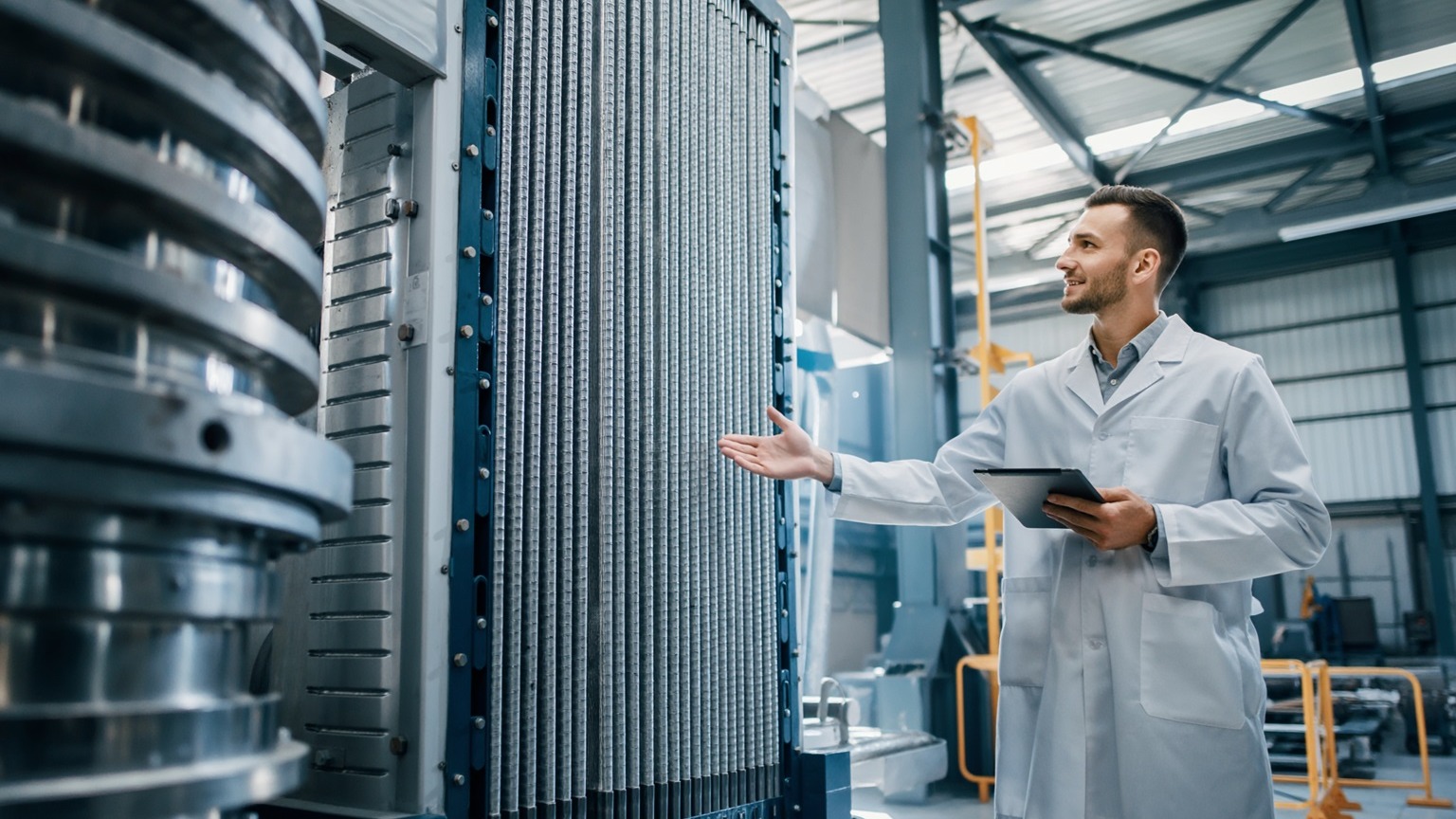
Selecting the right heat exchanger for large industrial and commercial facilities represents a critical decision that impacts operational efficiency, maintenance costs, and overall system performance. With thermal management requirements becoming increasingly complex, facility managers and heating engineers must weigh the distinct advantages of plate heat exchangers against traditional shell-and-tube heat exchangers to determine which technology best serves their specific applications.
This comprehensive comparison examines both heat exchanger types, providing the technical insights necessary to make informed decisions for large-scale heating systems.
Understanding Plate Heat Exchangers
Plate heat exchangers utilise a series of thin, corrugated metal plates stacked together to create multiple flow channels. This innovative design maximises surface area contact between hot and cold fluids whilst maintaining a compact footprint - a significant advantage for facilities with space constraints.
The corrugated pattern of the plates creates turbulent flow, which dramatically enhances heat transfer efficiency compared to laminar flow systems. This turbulence prevents boundary layer formation, ensuring consistent thermal exchange across the entire surface area. For large facilities requiring efficient thermal management, National Pumps and Boilers offers comprehensive solutions tailored to specific industrial requirements.
Modern plate designs accommodate various pressure and temperature requirements, with gasket, brazed, and welded variants available depending on application demands. The modular nature of plate heat exchangers allows for easy capacity adjustments by simply adding or removing plates, providing operational flexibility that traditional designs cannot match.
Shell-and-Tube Heat Exchangers Explained
Shell-and-tube heat exchangers represent the traditional workhorse of industrial thermal systems, featuring a bundle of tubes housed within a cylindrical shell. One fluid flows through the tubes whilst another circulates around them within the shell, facilitating heat transfer through the tube walls.
This robust design excels in high-pressure and high-temperature applications where durability remains paramount. The substantial construction of shell-and-tube units enables them to withstand harsh operating conditions, including thermal cycling, pressure surges, and corrosive fluids that might compromise lighter-weight alternatives.
Large facilities often favour these heat exchangers for heavy-duty applications such as steam generation, crude oil processing, and power generation systems. The proven reliability of shell-and-tube designs, combined with well-established maintenance procedures, makes them particularly suitable for critical processes where downtime carries severe consequences.
Direct Comparison: Performance Metrics
When evaluating plate heat exchangers versus shell-and-tube heat exchangers, several performance factors warrant careful consideration:
Heat Transfer Efficiency
Plate heat exchangers typically achieve 90-95% thermal efficiency due to their high turbulence and extensive surface area. The corrugated plates create flow patterns that maintain consistent heat transfer coefficients across the entire exchanger.
Shell-and-tube designs generally deliver 60-80% efficiency, though this varies significantly based on configuration, tube arrangement, and flow patterns. However, for applications requiring extreme temperatures or pressures, they may represent the only viable option regardless of efficiency considerations.
Space Requirements and Footprint
The compact design of plate heat exchangers requires approximately 20-40% less floor space than equivalent shell-and-tube units. This space efficiency proves particularly valuable in retrofit situations or facilities with limited equipment areas.
Shell-and-tube units, whilst larger, offer easier access for inspection and maintenance. The substantial physical presence provides straightforward tube bundle removal for cleaning, which some maintenance teams prefer over plate disassembly procedures.
Initial Investment vs. Long-Term Costs
Plate heat exchangers typically command higher initial purchase prices but deliver rapid payback through energy savings. The superior thermal efficiency translates directly into reduced operational costs, particularly in facilities with continuous heating demands.
Shell-and-tube units present lower upfront costs but may incur higher energy expenses over their operational lifetime. However, their extended service life and proven durability often justify the investment for applications where reliability outweighs efficiency considerations.
Application-Specific Recommendations
When Plate Heat Exchangers Are Optimal
Consider plate technology for applications requiring:
- Maximum thermal efficiency in moderate pressure environments
- Space-constrained installations
- Liquid-to-liquid heat transfer without phase changes
- Easy capacity expansion through modular additions
- Frequent capacity adjustments based on seasonal demands
District heating systems, commercial building HVAC, food processing facilities, and pharmaceutical manufacturing operations particularly benefit from plate designs. The ability to achieve close temperature approaches (as low as 1°C) makes them ideal for heat recovery applications where maximising energy reclamation drives operational strategy.
When Shell-and-Tube Designs Are Preferred
Shell-and-tube heat exchangers remain the superior choice for:
- High-pressure applications above 30 bar
- Extreme temperature operations exceeding 200°C
- Services involving phase changes (evaporation, condensation)
- Corrosive or fouling-prone fluids requiring robust construction
- Critical processes where proven reliability justifies efficiency trade-offs
Power generation facilities, petrochemical plants, heavy industrial operations, and large commercial boiler systems frequently specify shell-and-tube technology. Their ability to handle diverse operating conditions whilst maintaining structural integrity over decades of service makes them indispensable for certain applications.
For facilities seeking expert guidance on commercial circulators and heat transfer equipment, professional consultation ensures optimal system design.
Maintenance and Lifecycle Considerations
Cleaning and Servicing Requirements
Plate heat exchangers demand regular cleaning to prevent fouling buildup between plates. The disassembly process, whilst straightforward for trained technicians, requires careful attention to gasket condition and plate alignment during reassembly. Chemical cleaning-in-place (CIP) systems can extend service intervals in suitable applications.
Shell-and-tube units typically require less frequent intervention but involve more substantial maintenance procedures. Tube bundle removal necessitates adequate clearance space and appropriate lifting equipment. However, individual tube replacement or plugging allows continued operation even with localised failures, providing operational flexibility during maintenance planning.
The choice between designs often hinges on available maintenance resources and operational schedules. Facilities with experienced in-house technicians may prefer plate units for their accessibility, whilst those relying on periodic contractor visits might favour the extended service intervals of shell-and-tube designs.
Expected Lifespan and Replacement Cycles
Properly maintained shell-and-tube heat exchangers routinely achieve 20-30 year service lives, with tube replacements extending operational periods even further. The robust construction withstands thermal cycling and operational variations that might compromise lighter designs.
Plate heat exchangers typically serve 15-20 years before requiring significant refurbishment or replacement. Gasket replacement every 3-5 years represents the primary maintenance requirement, with plate replacement needed only when damage or excessive corrosion occurs.
Quality equipment from manufacturers like Grundfos ensures reliable performance throughout expected service lives, regardless of chosen technology.
Making the Right Choice for Your Facility
Successful heat exchanger selection requires a comprehensive evaluation of multiple factors:
Operational Parameters - Document pressure ranges, temperature requirements, flow rates, and fluid properties that define your specific application.
Space Availability - Assess installation locations, maintenance access requirements, and potential future expansion needs.
Budget Considerations - Calculate total cost of ownership, including initial investment, energy consumption, maintenance expenses, and expected replacement cycles.
Maintenance Capabilities - Evaluate in-house technical expertise, available tools and equipment, and acceptable downtime windows for servicing.
Future Flexibility - Consider potential capacity changes, process modifications, and technology upgrades that might affect long-term requirements.
Many large facilities benefit from hybrid approaches, employing plate heat exchangers for specific high-efficiency applications whilst maintaining shell-and-tube heat exchangers for demanding process conditions. This strategic combination optimises overall facility performance by leveraging each technology's strengths.
Conclusion
Both plate and shell-and-tube heat exchangers serve essential roles in modern commercial and industrial heating systems. Plate designs excel in applications prioritising thermal efficiency, compact installation, and operational flexibility, whilst shell-and-tube units remain unmatched for extreme operating conditions, proven reliability, and extended service life.
The optimal choice depends entirely on specific facility requirements, operational parameters, and long-term strategic objectives. By carefully evaluating application demands against each technology's capabilities, facility managers can specify heat transfer equipment that delivers optimal performance throughout its operational lifetime.
For expert guidance on heat exchanger selection, system design, and performance optimisation, contact us to discuss your facility's specific requirements with our experienced technical team.