

A Guide to Installing Hydronic Heating Systems in Commercial Buildings
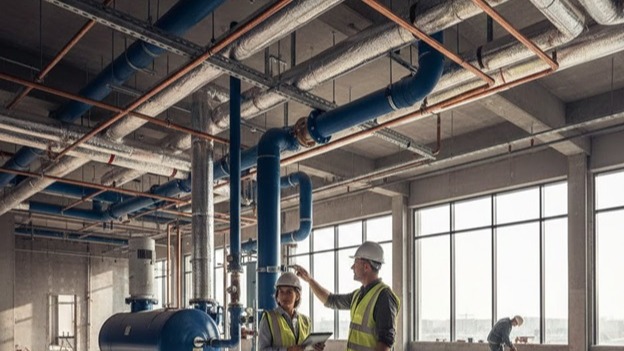
Hydronic heating installation in commercial buildings represents a sophisticated approach to climate control that delivers exceptional efficiency, comfort, and long-term value. As commercial property managers and facilities directors seek sustainable heating solutions, hydronic systems have emerged as the gold standard for medium to large-scale applications. This comprehensive guide walks through the entire installation process, from initial planning to final commissioning, ensuring your project delivers optimal performance for decades to come.
Understanding Hydronic Heating Systems for Commercial Applications
Hydronic heating systems use heated water as the medium to transfer thermal energy throughout a building. Unlike forced-air systems, hydronic systems provide gentle, consistent warmth whilst operating quietly and efficiently. For commercial buildings ranging from office complexes to warehouses, hydronic heating installation offers unmatched flexibility in system design and zoning capabilities.
Key Components of Commercial Hydronic Systems
A typical commercial hydronic system comprises several critical components working in harmony. The boiler serves as the heat source, raising water temperature to the required level for distribution. Commercial circulators move heated water through the piping network, whilst control systems manage temperature and zone operation. Distribution manifolds, radiators or radiant panels, expansion vessels, and air elimination devices complete the system infrastructure.
The sophistication of hydronic heating systems design lies in how these components integrate to meet specific building requirements. Modern systems incorporate variable-speed pumps, weather compensation controls, and multiple zones to maximise efficiency whilst minimising operating costs.
Benefits of Hydronic Heating in Commercial Settings
Energy efficiency stands as the primary advantage of hydronic systems. Water transfers heat approximately 3,500 times more effectively than air, allowing lower operating temperatures and reduced energy consumption. Commercial buildings typically achieve 15-30% energy savings compared to conventional forced-air systems.
Comfort quality represents another significant benefit. Hydronic systems eliminate the drafts and noise associated with air-based heating, creating quieter working environments. Temperature control proves more precise, with individual zone management allowing different areas to maintain unique temperature setpoints based on occupancy and usage patterns.
Long-term cost savings extend beyond energy bills. Hydronic systems contain fewer moving parts than forced-air alternatives, resulting in lower maintenance requirements and extended equipment lifespan. Properly maintained systems regularly operate for 25-35 years, far exceeding the 15-year typical lifespan of conventional HVAC equipment.
Pre-Installation Planning and System Design
Success in hydronic heating installation begins long before the first pipe gets connected. Thorough planning and precise hydronic heating systems design ensure the completed system meets performance expectations whilst staying within budget constraints.
Conducting Heat Load Calculations
Accurate heat load calculations form the foundation of effective system design. Engineers must assess building insulation values, window specifications, orientation, and thermal mass to determine precise heating requirements. Commercial buildings present unique challenges including varied ceiling heights, large open spaces, and diverse occupancy patterns.
Professional heat loss calculations account for climate data specific to the building location, incorporating factors such as design outdoor temperature, wind exposure, and infiltration rates. These calculations determine required heat output, influencing boiler sizing, pump selection, and radiator specifications.
Choosing the Right System Configuration
Commercial hydronic heating installation typically employs two-pipe systems where separate pipes handle supply and return water. This configuration offers superior temperature control compared to one-pipe arrangements and proves more suitable for larger buildings with multiple zones.
Primary-secondary piping arrangements work exceptionally well in commercial applications. The primary loop maintains constant circulation between the boiler and distribution manifolds, whilst secondary loops serve individual zones. This configuration allows pumps to operate independently, reducing energy consumption and improving control responsiveness.
Zoning strategy significantly impacts system performance and operational costs. Separate zones for perimeter areas, interior spaces, and areas with different operating schedules enable precise temperature management and substantial energy savings. Grundfos commercial pumps provide the reliability and efficiency required for multi-zone commercial applications.
Selecting Equipment and Components
Boiler selection depends on building size, fuel availability, and efficiency requirements. Commercial buildings often benefit from modulating condensing boilers that adjust output to match demand, maximising efficiency across varying load conditions. For larger installations, multiple smaller boilers provide redundancy and improved part-load efficiency.
Pump selection proves critical to system performance and energy consumption. Modern variable-speed circulators automatically adjust flow rates to match heating demand, substantially reducing electrical consumption. Wilo commercial pumps offer excellent efficiency ratings and proven reliability in demanding commercial environments.
Pipe material selection balances installation cost, longevity, and performance. Copper piping remains the premium choice for exposed work, offering exceptional durability and heat transfer properties. For concealed installations, cross-linked polyethylene (PEX) or pre-insulated steel piping may provide cost-effective alternatives whilst maintaining performance standards.
Installation Process: Step-by-Step Guide
Professional hydronic heating installation follows systematic procedures that ensure safety, compliance, and optimal system performance. Each installation phase requires careful attention to detail and adherence to industry best practices.
Boiler Room Setup and Equipment Installation
Boiler room preparation begins with verifying adequate ventilation, clearances, and structural support for equipment loads. Gas Safe registered engineers must handle all gas connection work, ensuring compliance with current regulations. Boilers require proper clearances for maintenance access, with manufacturer specifications dictating minimum distances from walls and combustible materials.
Flue installation follows precise requirements regarding height, termination location, and support intervals. Condensing boilers produce acidic condensate requiring appropriate drainage arrangements and neutralisation where necessary. All safety devices including pressure relief valves, low water cutoffs, and temperature limit controls must install according to manufacturer instructions.
Piping Installation and Layout
Efficient pipe routing minimises heat loss, reduces installation costs, and simplifies future maintenance. Main distribution pipes typically run through service corridors or ceiling voids, with branch lines extending to individual zones. Proper pipe sizing ensures adequate flow rates whilst minimising pump energy and noise.
Insulation proves essential for maintaining system efficiency and preventing condensation on chilled surfaces. Commercial installations typically require pipe insulation meeting Building Regulations requirements, with thickness varying based on pipe diameter and location. Central heating pumps operate more efficiently when distribution losses stay minimal through proper insulation.
Expansion and contraction management protects piping integrity over the system's operational lifespan. Fixed anchor points and expansion loops or compensators accommodate thermal movement without causing stress on joints or connections. Support spacing follows manufacturer recommendations, preventing sagging and maintaining proper slope for air elimination.
Installing Circulation Pumps and Distribution Components
Pump positioning significantly impacts performance and maintenance accessibility. Primary circulation pumps typically install near the boiler, pushing water through the primary loop. Secondary pumps install at each zone manifold, drawing water from the primary loop and distributing it through their respective zones.
Lowara circulators provide robust performance in commercial applications, with bronze or stainless steel construction ensuring longevity in challenging water conditions. Pump isolation valves facilitate future maintenance without draining the entire system.
Air elimination devices install at high points throughout the system, preventing air accumulation that reduces efficiency and causes noise. Automatic air vents remove air continuously during operation, whilst manual venting points allow for initial system purging and troubleshooting.
Heat Emitter Installation
Radiator installation requires proper mounting to support weight whilst allowing thermal expansion. Wall-mounted radiators need secure fixings into structural elements, with brackets appropriate for the radiator size and water content. Thermostatic radiator valves enable individual room temperature control, enhancing comfort and reducing energy waste.
Underfloor heating installation in commercial settings follows similar principles to residential work but often involves larger zones and higher flow rates. Manifolds with individual zone controls and flow meters ensure balanced heat distribution across extensive floor areas.
Fan coil units integrate seamlessly into hydronic heating systems design, providing both heating and cooling capability where required. Proper electrical connections, condensate drainage, and refrigerant piping (for cooling modes) must coordinate with hydronic connections during installation.
System Testing and Commissioning
Thorough testing and commissioning transform a completed hydronic heating installation into a fully functional, optimised heating system. This critical phase identifies issues before they impact building occupants and ensures systems operate at peak efficiency.
Pressure Testing and Leak Detection
Hydrostatic pressure testing verifies system integrity before filling with water. Industry standards typically require testing at 1.5 times the maximum operating pressure for a minimum of two hours. All joints, connections, and components undergo visual inspection during the test period, with any leaks requiring immediate repair.
System flushing removes installation debris, flux residues, and metal particles that could damage pumps or accumulate in heat emitters. Powerflush equipment or chemical cleaning agents thoroughly cleanse the system, protecting components and maintaining efficiency throughout the system's operational life.
Filling and Purging the System
Water quality significantly impacts system longevity and efficiency. Commercial systems should use treated water with appropriate corrosion inhibitors and, where necessary, antifreeze protection. Water treatment specifications depend on system materials, operating temperatures, and local water chemistry.
Air removal proceeds systematically from the lowest to highest points in the system. Each radiator and vent point requires attention, with circulation pumps running to help mobilise trapped air. Complete air removal prevents noise, improves heat transfer, and protects against corrosion caused by oxygen-rich water.
Final system pressure should match design specifications, typically 1.0-1.5 bar for smaller systems or higher for tall buildings where static head requires compensation. Pressurisation units maintain stable system pressure in larger commercial installations, automatically compensating for temperature-related volume changes.
Control System Configuration
Modern control systems require careful programming to optimise comfort and efficiency. Weather compensation adjusts supply water temperature based on outdoor conditions, reducing energy consumption during milder weather. Time schedules match heating availability to building occupancy, preventing waste during unoccupied periods.
Zone controls enable different areas to operate independently, accommodating varying usage patterns throughout the building. Temperature sensors require proper placement away from heat sources, drafts, and direct sunlight to ensure accurate readings and responsive control.
System balancing ensures even heat distribution across all zones and emitters. Balancing valves allow fine-tuning of flow rates, preventing some areas from overheating whilst others remain inadequately served. Professional balancing contractors use differential pressure gauges and flow meters to achieve optimal distribution.
Compliance and Safety Considerations
Professional hydronic heating installation must comply with current building regulations, safety standards, and industry best practices. Regulatory compliance protects building occupants, ensures insurance validity, and demonstrates professional standards.
Building Regulations and Standards
Part L of the Building Regulations addresses energy efficiency requirements for heating systems. Commercial installations must demonstrate compliance through calculations showing system efficiency, controls sophistication, and insulation standards. Building Control notification proves mandatory for most commercial heating installations, with inspection required at key stages.
Gas Safe registration requirements apply to anyone working on gas-fired heating equipment. Only competent, registered engineers should install, commission, or service gas boilers and associated controls. Proper certification documents provide evidence of compliant installation work.
Water quality regulations protect both system performance and public health. Systems connecting to potable water supplies require appropriate backflow prevention devices to prevent contamination. The Water Supply (Water Fittings) Regulations 1999 specify requirements for these protective measures.
Safety Protocols During Installation
Working at height regulations apply to many aspects of commercial hydronic heating installation, particularly when routing pipework through ceiling voids or installing high-level equipment. Proper scaffolding, mobile platforms, or harness systems must protect workers from fall risks.
Hot work permits govern activities involving heat sources, welding, or soldering in commercial buildings. Permits ensure appropriate fire prevention measures including fire extinguisher availability, fire watch personnel, and notification of building management.
Electrical safety standards protect installation personnel and future users. All electrical work must comply with BS 7671 (IET Wiring Regulations), with proper earthing, circuit protection, and disconnection facilities provided for all electrically powered equipment.
Maintenance Planning and Handover
Successful hydronic heating installation extends beyond commissioning to include comprehensive maintenance planning and client education. Proper handover ensures building managers understand system operation and maintenance requirements.
Creating Maintenance Schedules
Annual servicing by qualified engineers maintains system efficiency and reliability. Service visits should include boiler combustion analysis, safety device testing, pump inspection, system pressure verification, and control system checks. National Pumps and Boilers offers comprehensive maintenance contracts tailored to commercial heating systems, ensuring professional support throughout the system's operational life.
Monthly checks performed by building maintenance staff can identify developing issues before they cause system failures. These checks include visual inspection of boilers and pumps, pressure gauge monitoring, and verification of proper control system operation.
Component lifespan expectations help budget for future replacements. Boilers typically last 15-20 years with proper maintenance, whilst quality circulators may operate for 20-25 years. Heat emitters often exceed 30 years of service, representing the longest-lasting system components.
Client Training and Documentation
Comprehensive training helps building operators maximise system performance and efficiency. Training should cover normal operation procedures, seasonal adjustments, basic troubleshooting, and emergency shutdown protocols. Hands-on demonstration proves more effective than written instructions alone.
As-built drawings documenting actual installation details prove invaluable for future maintenance and modifications. These drawings should show pipe routing, valve locations, equipment specifications, and control system architecture. Digital copies ensure documentation remains accessible despite personnel changes.
Warranty documentation requires careful organisation and handover. Different components may carry varying warranty periods, with some requiring registration or regular servicing to maintain coverage. Clear documentation of warranty terms prevents disputes and ensures proper claim procedures when needed.
Conclusion
Professional hydronic heating installation in commercial buildings demands expertise, attention to detail, and thorough understanding of system design principles. From initial heat load calculations through final commissioning, each phase contributes to creating heating systems that deliver comfort, efficiency, and reliability for decades.
The complexity of commercial hydronic heating systems design requires partnering with experienced professionals who understand the nuances of large-scale installations. Quality components from trusted manufacturers, combined with expert installation practices, ensure systems meet performance expectations whilst minimising operational costs.
For commercial property managers planning hydronic heating projects, professional support throughout the installation process proves invaluable. Contact us to discuss your commercial heating requirements and discover how National Pumps and Boilers can deliver a heating solution tailored to your building's unique needs.