
 -
- Annual vs. Quarterly Maintenance: What's Right for Your System?
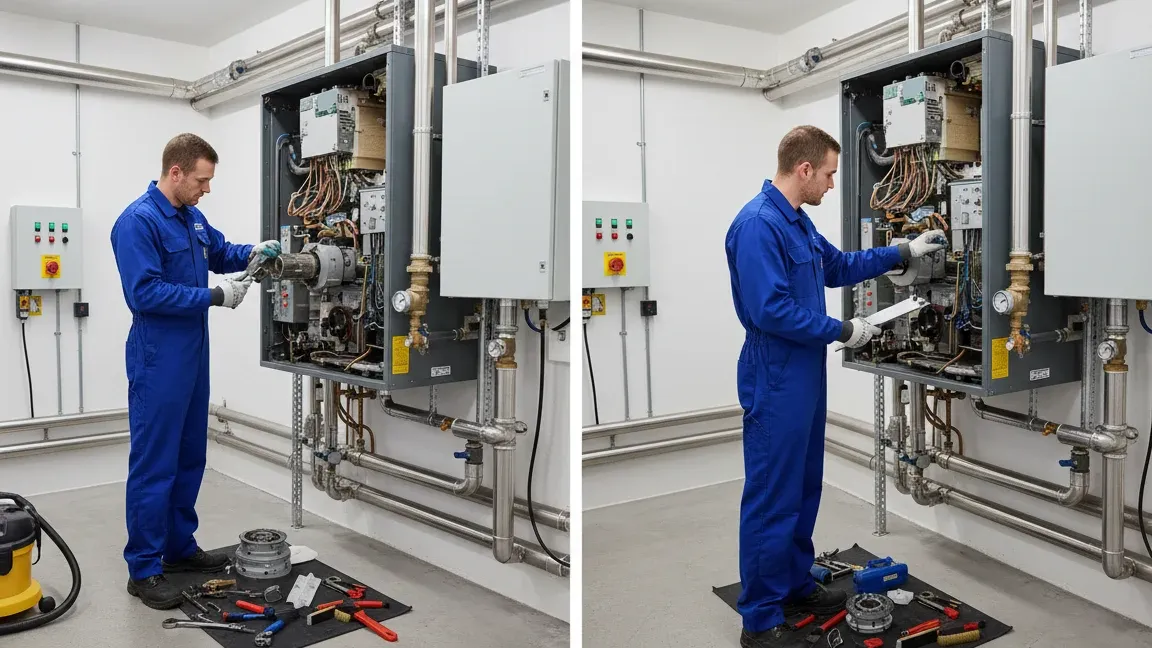
Heating and pump systems represent significant investments that demand strategic maintenance planning. The choice between annual and quarterly servicing is not arbitrary - it directly affects system reliability, energy efficiency, and total ownership costs over the equipment's lifespan.
Many property owners default to annual maintenance frequency simply because it represents traditional practice, without evaluating whether their specific system warrants more frequent attention. Conversely, some invest in quarterly servicing when annual visits would suffice, unnecessarily inflating operational expenses. The optimal approach depends on system complexity, usage patterns, operating environment, and criticality to building operations.
National Pumps and Boilers has serviced thousands of heating and pumping systems across diverse applications, from small residential installations to large commercial facilities. This experience reveals clear patterns about which systems thrive on annual maintenance and which require quarterly intervention to maintain peak performance.
Understanding Maintenance Frequency Requirements
Maintenance frequency decisions start with understanding what drives component wear and system degradation. Pumps, boilers, and heating systems do not deteriorate on calendar schedules - they degrade based on operating hours, load cycles, water quality, and environmental conditions.
System Complexity and Usage Patterns
A basic residential heating system with a single central heating pump and straightforward controls operates in a fundamentally different manner than a commercial building with multiple zones, variable speed drives, and integrated building management systems. System complexity multiplies potential failure points and increases the value of frequent inspection.
Usage patterns matter enormously. A residential system running 8-10 hours daily during heating season experiences far less stress than a commercial facility operating 24/7 year-round. Operating hours translate directly to component wear - bearings, seals, and electrical components all have finite service lives measured in running hours, not calendar months.
Seasonal demands create additional considerations. Systems working hardest during winter months benefit from pre-season inspection and post-season verification. A quarterly schedule naturally aligns with seasonal transitions, allowing technicians to prepare systems before peak demand and verify performance afterwards.
System age influences degradation rates significantly. New installations with modern components often run reliably with annual servicing for their first 5-7 years. Beyond that threshold, component wear accelerates, and the probability of unexpected failures increases. Older systems frequently justify more frequent maintenance to catch developing issues before they cause breakdowns.
The True Cost of Deferred Maintenance
The financial case for appropriate maintenance frequency becomes clear when comparing preventive servicing costs against repair expenses. A typical annual service visit costs £150-300 for residential systems, whilst emergency repairs average £400-800, often rising to £1,500+ for major component failures requiring urgent replacement.
Efficiency losses from inadequate maintenance impose ongoing penalties. A neglected circulator pump accumulates scale and debris, forcing the motor to work harder and consuming 15-30% more energy. Over a heating season, this efficiency loss costs £80-150 in unnecessary electricity expenses - approaching the cost of proper servicing.
Warranty compliance represents another cost consideration often overlooked until too late. Most manufacturers require documented annual servicing minimum to maintain warranty coverage. Skipping scheduled maintenance voids warranties, leaving owners fully liable for expensive component failures that would otherwise qualify for manufacturer replacement.
Annual Maintenance: When It's Sufficient
Annual servicing provides adequate protection for many heating and pumping systems, particularly those operating in straightforward residential applications with moderate usage patterns.
Ideal Candidates for Annual Servicing
Modern residential heating systems with single-zone operation and standard controls typically perform well on annual maintenance frequency schedules. These systems benefit from design simplicity - fewer components mean fewer potential failure points, and moderate operating hours limit wear accumulation.
Low-usage commercial applications also suit annual schedules. Buildings occupied only during business hours with minimal weekend operation accumulate far fewer running hours than continuously occupied facilities. A commercial office operating 50 hours weekly experiences roughly one-third the component stress of a 24/7 facility, reducing maintenance requirements proportionally.
Newer systems with contemporary components often include design features that extend service intervals. Modern central heating pumps use improved bearing materials, better seals, and more robust motors that tolerate longer periods between professional inspection. Grundfos and other premium manufacturers specifically engineer products for extended service intervals in appropriate applications.
Basic heating systems without complex controls, multiple zones, or integrated automation present fewer variables requiring frequent verification. A straightforward system with mechanical thermostats and simple on/off operation offers less opportunity for control drift, sensor errors, or programming issues that benefit from quarterly attention.
What Annual Maintenance Should Include
Annual service visits must be comprehensive to provide adequate protection for systems serviced only once yearly. Technicians should perform complete system inspection, testing all safety controls, verifying combustion efficiency on boilers, and checking all electrical connections for signs of overheating or corrosion.
Circulator pump inspection includes checking for unusual noise or vibration, verifying proper operation across all speed settings, inspecting shaft seals for leaks, and confirming correct motor temperature during operation. Bearings should be checked for wear, and any signs of impending failure noted for monitoring or proactive replacement.
Water quality testing identifies problems before they cause damage. Checking pH levels, testing for dissolved oxygen, and verifying inhibitor concentration protects systems from corrosion and scale formation. Poor water chemistry accelerates component degradation dramatically, making annual testing essential.
System performance verification confirms the installation delivers design output efficiently. Measuring flow rates, checking pressure differentials, verifying temperature rises, and comparing energy consumption against baseline values identifies degradation requiring correction.
Quarterly Maintenance: When More Frequent Servicing Pays Off
Certain systems justify quarterly maintenance frequency through their operating characteristics, criticality, or complexity. The additional investment in more frequent servicing delivers returns through improved reliability, sustained efficiency, and extended equipment life.
Systems Requiring Quarterly Attention
Commercial circulators operating continuously in large buildings accumulate operating hours rapidly. A pump running 24/7 logs over 2,000 hours between quarterly visits versus 8,760 hours between annual services. This difference dramatically affects component wear rates and justifies more frequent inspection to catch developing problems early.
High-usage residential applications also benefit from quarterly attention. Large properties with multiple zones, homes with swimming pools requiring heating, or installations serving commercial purposes within residential settings operate far more intensively than typical homes. These applications bridge the gap between residential and commercial requirements.
Complex multi-zone systems with multiple pumps, mixing valves, zone controls, and building automation integration present numerous points requiring periodic verification. Control drift, sensor calibration issues, and valve positioning problems develop gradually and benefit from quarterly checking to maintain optimal performance across all zones.
Critical process applications where heating system failure causes significant operational or financial consequences warrant quarterly servicing as insurance against unexpected downtime. Healthcare facilities, laboratories, manufacturing operations with temperature-sensitive processes, and data centres all face substantial costs from heating system failures that justify preventive maintenance investment.
Older systems approaching or exceeding design life expectancy require closer monitoring. Equipment operating beyond manufacturer's expected service life experiences accelerated wear and increased failure probability. Quarterly inspection catches age-related degradation early, allowing planned component replacement before emergency failures occur.
Quarterly Service Scope and Benefits
Quarterly maintenance distributes service tasks across multiple visits rather than attempting comprehensive servicing in a single annual appointment. This approach allows more thorough attention to specific aspects during each visit whilst maintaining overall system oversight through regular professional contact.
Seasonal visits align with system demands. Pre-winter servicing prepares systems for peak heating season, mid-winter visits verify performance under full load, spring servicing assesses wear from heavy winter operation, and summer visits allow maintenance activities difficult to perform during heating season.
Early problem detection represents the primary value of quarterly maintenance frequency. Issues caught at early stages typically require minor adjustments or inexpensive component replacements. The same problems left unaddressed for months escalate into major failures requiring emergency repairs at substantially higher cost.
Performance tracking through quarterly measurements builds valuable trend data. Gradual efficiency degradation becomes visible through systematic measurement, allowing corrective action before losses become severe. Wilo and other manufacturers provide diagnostic tools that support this trending approach.
Reduced emergency call-out rates deliver tangible cost benefits. Facilities on quarterly maintenance schedules experience 60-75% fewer emergency breakdowns compared to those on annual servicing. Emergency visits cost 2-3 times standard service rates due to urgency premiums and after-hours charges, making prevention through regular maintenance highly cost-effective.
Making the Right Choice for Your System
Selecting appropriate maintenance frequency requires honest assessment of system characteristics, operational requirements, and risk tolerance balanced against budget realities.
Assessment Criteria and Decision Factors
System criticality should drive maintenance decisions. Heating systems in hospitals, care homes, or facilities with vulnerable occupants demand quarterly attention regardless of other factors. The consequences of unexpected failure in critical applications justify preventive maintenance investment as essential operating expense rather than discretionary spending.
Operating hour accumulation provides objective guidance. Systems logging over 4,000 annual operating hours approach the threshold where quarterly servicing becomes cost-effective through reduced breakdown risk and sustained efficiency. Calculating actual operating hours rather than assuming based on building type produces more accurate maintenance planning.
Budget constraints represent legitimate considerations but require careful analysis. Quarterly maintenance costs approximately £600-1,200 annually versus £150-300 for annual servicing. However, this incremental cost often pays for itself through reduced emergency repairs, sustained efficiency, and extended equipment life.
Regulatory and insurance requirements may mandate minimum maintenance frequency regardless of other considerations. Some insurance policies specify quarterly servicing for commercial heating systems as condition of coverage. Building regulations and health and safety requirements in certain occupancies also establish minimum maintenance standards.
Hybrid Approaches and Flexible Scheduling
Combined strategies offer middle ground between annual and quarterly schedules. One comprehensive service visit plus two or three intermediate inspections provides more frequent professional contact without full quarterly servicing costs. Intermediate visits focus on specific aspects like water quality testing, control verification, and visual inspection.
Condition-based maintenance uses system monitoring to trigger service visits when indicators suggest attention is needed rather than following fixed schedules. This approach requires baseline data and systematic monitoring but can optimise maintenance timing. Modern pumps with integrated monitoring capabilities support condition-based strategies effectively.
Remote monitoring technology enables professional oversight without physical site visits for every check. Systems equipped with connected controls allow service providers to monitor performance, identify developing issues, and schedule visits when problems emerge rather than at arbitrary intervals.
Seasonal adjustment strategies concentrate maintenance attention around peak demand periods. A heating system might receive comprehensive pre-winter servicing, mid-winter performance verification, and post-winter assessment whilst requiring minimal attention during summer months.
Implementation and Service Provider Selection
Choosing appropriate maintenance frequency matters little without competent execution by qualified professionals committed to thorough, systematic servicing.
Working with Professional Maintenance Teams
Service provider selection should prioritise technical competence and systematic approach over price alone. Experienced technicians identify developing problems that less skilled personnel miss entirely. The value of professional maintenance lies in problem prevention, not just task completion.
Service agreement structures should clearly specify scope, frequency, response times, and performance standards. Ambiguous agreements lead to disputes about what is included and expectations for service quality. Lowara and other manufacturers provide maintenance guidelines that inform contract specifications.
Response time guarantees for emergency situations provide essential protection for systems on any maintenance schedule. Even well-maintained equipment occasionally experiences unexpected failures requiring urgent attention. Service agreements should specify maximum response times for emergency calls.
Documentation and reporting expectations deserve explicit agreement. Service providers should deliver detailed reports after each visit documenting findings, measurements, work performed, and recommendations. Expansion vessels and other system components should be documented with condition assessments and remaining service life estimates.
Long-term partnerships with service providers deliver value beyond individual maintenance visits. Providers familiar with specific systems develop institutional knowledge about equipment history, previous issues, and system characteristics that helps them service more effectively.
For property owners questioning whether annual or quarterly maintenance frequency suits their heating and pumping systems, professional assessment provides valuable guidance. Experienced service providers can evaluate system characteristics, operating patterns, and application requirements to recommend appropriate servicing schedules.
For guidance on appropriate maintenance scheduling for specific heating and pumping systems, Contact Us to discuss system requirements and develop servicing strategies that protect equipment investments whilst controlling operational costs.