

Best Cold Water Booster Sets for Commercial Buildings in 2026
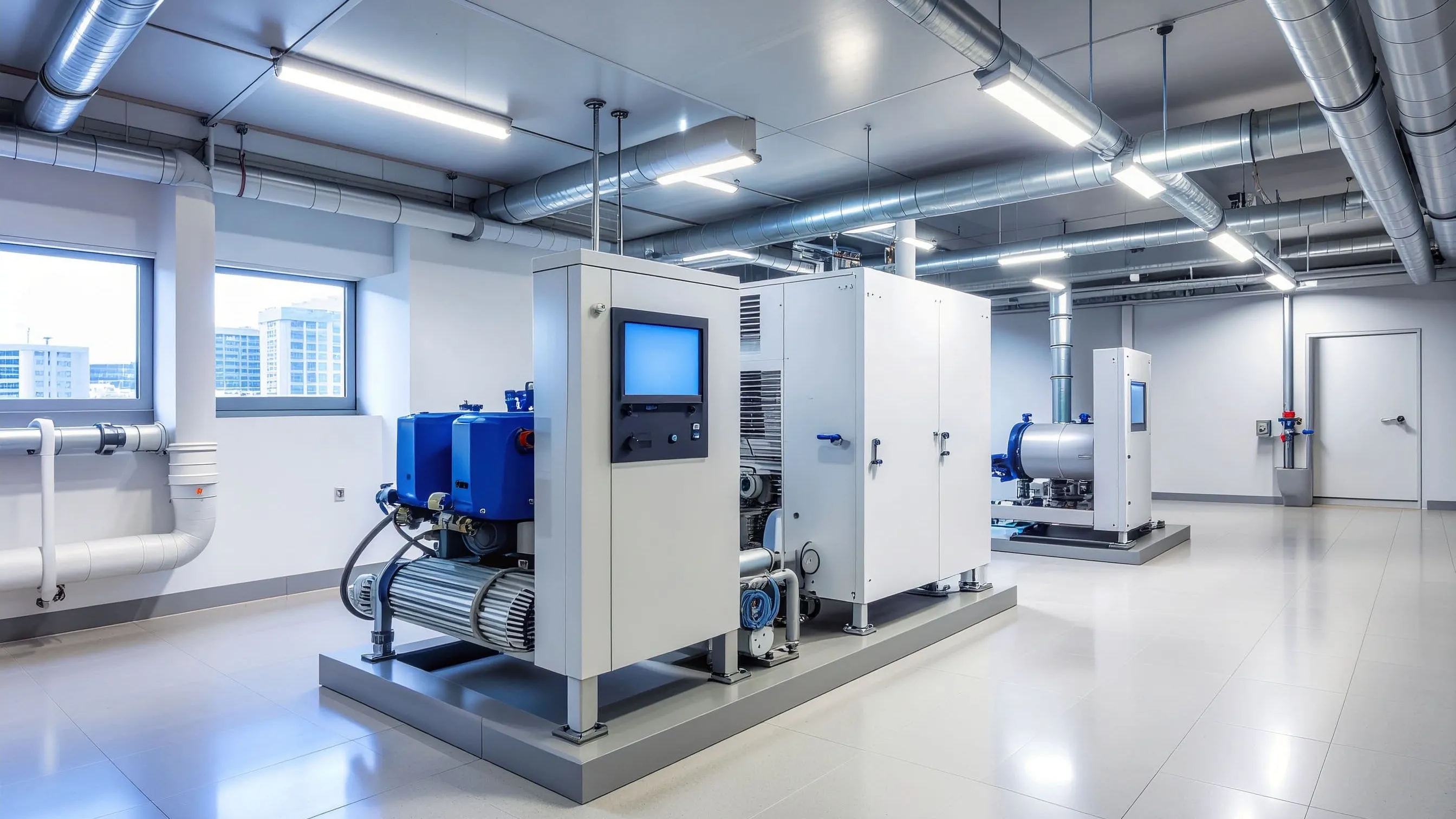
Commercial buildings demand consistent water pressure across multiple floors, toilet facilities, commercial kitchens, and mechanical services - yet mains supply rarely delivers sufficient pressure beyond ground level in any multi-storey application. Cold water booster sets bridge this gap, maintaining reliable flow rates regardless of building height or simultaneous demand patterns. With energy efficiency regulations tightening and building management systems becoming central to facilities operations, selecting the best cold water booster set in 2026 requires evaluating hydraulic performance, digital integration capability, and lifecycle cost simultaneously.
The technology has evolved significantly from simple fixed-speed pump stations. The best cold water booster set installations in 2026 incorporate variable speed drives, intelligent pressure management, and predictive maintenance algorithms that reduce operational costs whilst extending equipment life. Building Regulations Part G mandates specific performance criteria for water supply systems, whilst Part L drives energy efficiency requirements that directly influence pump specification decisions. For facilities managers and consulting engineers specifying equipment for office blocks, hotels, hospitals, or mixed-use developments, the challenge lies in balancing capital expenditure against operational costs across a 15-20 year equipment lifespan.
Understanding Cold Water Booster Set Requirements
Calculating the correct booster set specification begins with establishing peak simultaneous demand. A 15-storey office building with 300 occupants requires different hydraulic characteristics than a 50-bed hotel with laundry facilities. Flow rate calculations follow BS 8558:2015 guidelines, applying simultaneous demand factors that prevent oversizing whilst ensuring the system meets genuine peak requirements without pressure failure. Typical commercial applications require 2-6 bar pressure at the highest draw-off point, with flow rates ranging from 1.5 l/s for small office premises to 15+ l/s for large mixed-use developments.
Static head - the vertical distance from pump to highest outlet - forms the baseline pressure requirement for any multi-storey specification. A building with 40 metres of static head needs approximately 4 bar just to overcome gravitational resistance, before accounting for pipe friction losses and the minimum delivery pressure required at fixtures. Specifying engineers typically add 20-30% margin above the calculated minimum to accommodate system degradation over time and reasonable future demand increases.
Duty/standby configurations provide supply redundancy appropriate to commercial buildings where interruption costs are significant. A 2+1 arrangement runs two pumps during peak demand with one on standby, whilst 3+1 systems suit larger buildings with higher criticality requirements. Variable speed technology allows pumps to modulate output matching instantaneous demand, reducing energy consumption by 30-50% compared to fixed-speed alternatives and delivering noise levels compliant with Part E without specialist acoustic treatment in most installations. Central heating systems increasingly adopt the same variable speed principles for efficiency gains - selecting compatible equipment across both services from the same manufacturer simplifies plant room design and long-term maintenance management.
Top-Performing Cold Water Booster Sets for 2026
Grundfos Hydro MPC-E Series
The Grundfos Hydro MPC-E sets the benchmark for intelligent pressure management in commercial cold water boosting applications. Each pump incorporates permanent magnet motor technology achieving IE5 efficiency ratings - the highest motor efficiency classification - reducing electrical consumption by up to 40% versus conventional IE3 induction motors at equivalent duty points. This efficiency advantage directly affects operational cost across the 15-20 year lifespan typical of commercial booster installations.
The integrated controller manages up to six pumps simultaneously, automatically sequencing operation to equalise accumulated running hours and prevent standby pump seizure during extended inactivity. Flow rates span 0.5-150 m³/h with pressure capabilities up to 16 bar, covering applications from small retail premises through to high-rise residential and commercial developments. The E-pump control technology adjusts motor speed continuously, maintaining setpoint pressure within ±0.1 bar under normal demand fluctuations.
Remote monitoring through the Grundfos GO Remote platform enables facilities management teams to track performance metrics, receive fault notifications before failures develop, and analyse energy consumption patterns against operational benchmarks. Installation footprint remains compact - a 2+1 configuration handling 20 m³/h fits within 1.2 square metres including maintenance access clearances.
Grundfos Hydro MPC-E systems are available with full technical specification support, including pre-sales duty point verification and commissioning documentation - the right choice for commercial projects where IE5 efficiency and intelligent multi-pump management are specification priorities.
Lowara eHM Twin Booster Sets
Lowara eHM systems excel in commercial applications where plant room space constraints limit equipment selection. The vertical multistage pump design reduces floor area requirements by 35% compared to horizontal equivalents, whilst maintaining competitive performance across 0.3-12 m³/h flow ranges. Stainless steel hydraulic construction throughout ensures durability and water quality compliance in buildings with older supply infrastructure where water quality is variable.
The integrated Hydrovar variable speed controller provides inverter operation across both pumps, with automatic changeover ensuring system availability during single pump maintenance periods. Soft-start functionality eliminates pressure surges during pump activation, protecting distribution pipework from water hammer and reducing acoustic disturbance. Noise levels measure below 55 dB(A) at one metre, meeting stringent plant room requirements adjacent to occupied spaces.
IE3 efficiency motors are standard, with IE4 options available for projects targeting BREEAM Excellent or equivalent sustainability certification where pump motor efficiency contributes to assessed building performance. The control panel provides real-time pressure, flow, power consumption, and fault diagnostics on a colour touchscreen, with Modbus connectivity for BMS integration.
Lowara eHM configurations suit basement plant rooms and retrofit installations where floor area is at a premium and compact equipment arrangement is essential - the vertical multistage design delivers full performance within a reduced footprint that standard horizontal configurations cannot achieve.
Wilo Economy CO-E MXIE Series
The Wilo Economy CO-E MXIE delivers reliable performance at competitive capital cost, suited to budget-managed projects without compromising essential functionality. Available in 2-6 pump configurations, the system handles flow rates from 1-100 m³/h with pressures up to 10 bar. Standardised component selection across the range reduces spare parts inventory requirements for facilities teams managing multiple sites with different installed equipment.
Variable frequency drives on each pump provide proportional pressure control using conventional IE3 induction motors rather than premium permanent magnet technology. This motor specification reduces initial purchase cost by approximately 25% versus IE5 alternatives whilst maintaining acceptable energy efficiency for buildings with moderate usage patterns. For offices, schools, and light commercial premises where demand variation is lower than in residential or hospitality applications, the operational cost difference remains limited.
The CC-HVAC controller manages pump sequencing, maintains constant pressure setpoints across the demand range, and incorporates dry-run protection. Basic alarm outputs integrate with building management systems, with advanced analytics requiring additional hardware on complex BMS installations. Maintenance intervals extend to 20,000 operating hours under normal conditions, with readily available UK-stocked wear parts.
Wilo Economy CO-E MXIE systems provide a practical specification route for commercial projects where capital budget constraints are significant but performance and reliability remain non-negotiable - a well-proven range with a wide UK service network supporting long-term maintenance requirements.
DAB Esybox Max Commercial Systems
DAB Esybox Max systems bring smart connectivity to commercial cold water boosting in smaller buildings, particularly effective for applications requiring 0.5-8 m³/h flow rates. The compact all-in-one design integrates pump, pressure vessel, and controller within a single housing measuring just 600mm height, simplifying installation in constrained basement spaces or under-stair plant rooms.
Digital pressure management adjusts system output across a 1-6 bar range, responding to demand changes within milliseconds. The DAB Live connectivity platform enables smartphone-based monitoring and remote setpoint adjustment, allowing facilities managers to review performance history and receive maintenance alerts from any location. This remote capability suits portfolio managers overseeing multiple commercial properties from a centralised operations function.
Energy consumption tracking provides real-time operational cost analysis and helps building operators identify usage patterns for optimised scheduling against time-of-use electricity tariffs. Automatic leak detection monitors pressure decay during zero-flow periods, alerting facilities teams to water loss events before these escalate into significant waste or damage. Noise output below 45 dB(A) permits installation in occupied commercial areas where traditional plant room separation is not available.
DAB Esybox Max delivers the commercial pressure boosting systems connectivity features typically associated with larger enterprise-grade equipment, in a compact package suited to smaller commercial buildings, managed offices, and retail premises where IoT-enabled monitoring is a growing operational requirement.
Armstrong and Ebara Systems
Armstrong pump systems deliver intelligent pressure management particularly well-suited to commercial buildings where precise run-hour equalisation across pump pairs is a specification priority. The integrated controls automatically balance duty assignments to distribute wear, extending bearing and seal life across both pumps and reducing the total maintenance cost differential between single and twin pump installations.
Armstrong systems incorporate energy monitoring and fault prediction algorithms that flag developing performance issues before they cause supply interruption - a capability that reduces reactive maintenance costs in buildings where unplanned water supply disruption has significant operational consequences.
Ebara pump systems provide cold water booster sets with stainless steel wetted components suited to buildings with challenging water quality conditions - older urban buildings with lead or galvanised pipework, coastal properties with elevated chloride levels, or industrial premises with process contamination risks. Where standard cast-iron hydraulic components would experience premature wear or corrosion, Ebara's stainless variants provide the service life that specifiers require.
Ebara selection covers configurations from small commercial buildings through to demanding industrial applications, with technical datasheets confirming stainless steel material grades and their compatibility with specific water chemistry conditions - an important specification confirmation for buildings where water quality has historically caused premature pump failures.
Key Selection Factors for Commercial Applications
Energy efficiency directly impacts operational expenditure across 15-20 year equipment lifecycles, making IE motor classification a meaningful specification variable. A 5.5 kW pump running 8 hours daily at commercial electricity rates costs approximately £4,800 annually. Upgrading from IE3 to IE5 motor efficiency reduces this by approximately £1,440 per year, recovering higher capital cost within 2-3 years whilst delivering the pump lifecycle cost reduction that makes premium efficiency equipment financially compelling on a total cost basis.
Space allocation in plant rooms influences both capital cost and long-term maintenance expense. Compact vertical multistage designs suit basement plant rooms where floor area has premium value, whilst horizontal configurations may prove more economical in ground-floor plant rooms with generous space allowances. Minimum maintenance access clearances - 600mm around all serviceable faces as a general industry standard - must be maintained regardless of equipment configuration to ensure practical maintenance access throughout the equipment's operational life.
National Pumps and Boilers provides specification support for commercial cold water booster set selection, with technical guidance on matching system hydraulic requirements to available equipment configurations and helping specifiers balance IE efficiency ratings, control sophistication, and capital budget across specific project parameters.
Control sophistication requirements vary significantly by building type and management resource. Basic on/off operation with pressure setpoints suffices for simple commercial applications, but multi-storey buildings with full BMS infrastructure benefit from proportional pressure control, scheduled operation sequences, and remote diagnostics that reduce reactive maintenance interventions. Acoustic performance requirements under Building Regulations Approved Document E further influence final equipment selection, particularly for plant rooms in residential blocks or hotel developments where noise sensitivity is a primary design constraint.
Installation and Commissioning Considerations
Backflow prevention requirements under Water Supply (Water Fittings) Regulations 1999 apply to all commercial booster installations without exception. Type AA air gaps, Type BA gaps, or RPZ valves protect the public mains supply from contamination by building system water. Selection depends on fluid risk category classification for the downstream system - commercial buildings typically require Category 5 protection where heating system chemicals or industrial process connections create cross-contamination risk.
CIBSE Guide G provides velocity limits and pressure drop calculation methods ensuring correct distribution pipe diameters. Undersized distribution mains increase friction losses significantly, forcing pumps to generate additional head and increasing both energy consumption and system noise. Isolation valves, duty pressure gauges, and commissioning flow measurement points facilitate accurate performance verification and simplify future fault diagnosis.
Pump valves require careful specification to ensure correct isolation capability for each pump in multi-pump booster sets, backflow prevention compliance, and protection of distribution pipework against pressure surges during pump start and stop sequences. Commissioning documentation should record valve positions, pressure test results, and setpoint configurations for facilities management handover.
Commissioning protocols must verify performance against the original design specification across the full operating range. Engineers measure outlet pressure at multiple draw-off points at varied flow rates, confirm pressure setpoints, test duty/standby changeover sequences, and verify pressure relief valve operation. Comprehensive commissioning documentation provides the baseline performance reference for future maintenance comparisons and troubleshooting.
Maintenance and Lifecycle Costs
Preventative maintenance schedules protect both performance and warranty validity. Quarterly inspections check for leaks, unusual vibration or noise, bearing condition indicators, and control system fault logs. Annual servicing includes mechanical seal assessment, wear ring measurement, pressure vessel pre-charge verification, and control system calibration against original commissioning setpoints.
Component longevity depends on operating conditions, duty cycle intensity, and water quality. Stainless steel pump bodies and impellers resist corrosion for 15-20 years under normal potable water conditions. Mechanical seals typically achieve 3-5 years under standard commercial duty cycles before replacement is required. Motors achieve 20+ year service life with proper maintenance, though bearings require replacement at 5-7 year intervals dependent on accumulated running hours and operating temperature.
Total pump lifecycle cost calculations should balance capital expenditure against energy consumption, routine maintenance costs, and major component replacement cycles across the full operational lifespan. A premium IE5 system at higher initial cost consuming 30% less energy than a budget IE3 alternative typically recovers its additional capital within 2-3 years, delivering superior long-term financial performance alongside better reliability and monitoring capability. Extended warranties from manufacturers and planned service contracts provide additional cost certainty for multi-year maintenance budget planning.
Conclusion
Selecting the best cold water booster set for commercial buildings in 2026 requires balancing hydraulic performance, energy efficiency, space constraints, control sophistication, and total lifecycle costs against specific project requirements. The Grundfos Hydro MPC-E leads for premium IE5 efficiency and intelligent multi-pump management. Lowara eHM systems deliver compact performance where space constraints dominate. Wilo Economy CO-E MXIE provides cost-effective reliability for budget-managed projects. DAB Esybox Max brings smart connectivity to smaller commercial buildings, and Armstrong with Ebara fill specialist niches in run-hour management and water quality resilience respectively.
Variable speed technology across all these best cold water booster set 2026 options delivers energy savings, noise reduction, and extended component life that fixed-speed alternatives cannot match. Commercial pressure boosting systems specified with appropriate duty/standby configurations, matched control systems, and correct backflow prevention ensure building regulations water supply compliance alongside the operational reliability that commercial buildings require throughout their service life.
For detailed specification guidance and equipment selection matched to specific building requirements and performance criteria, Contact Us to discuss project parameters with experienced application engineers.