

Best Practices for the Safe Disposal of Commercial Heating System Chemicals
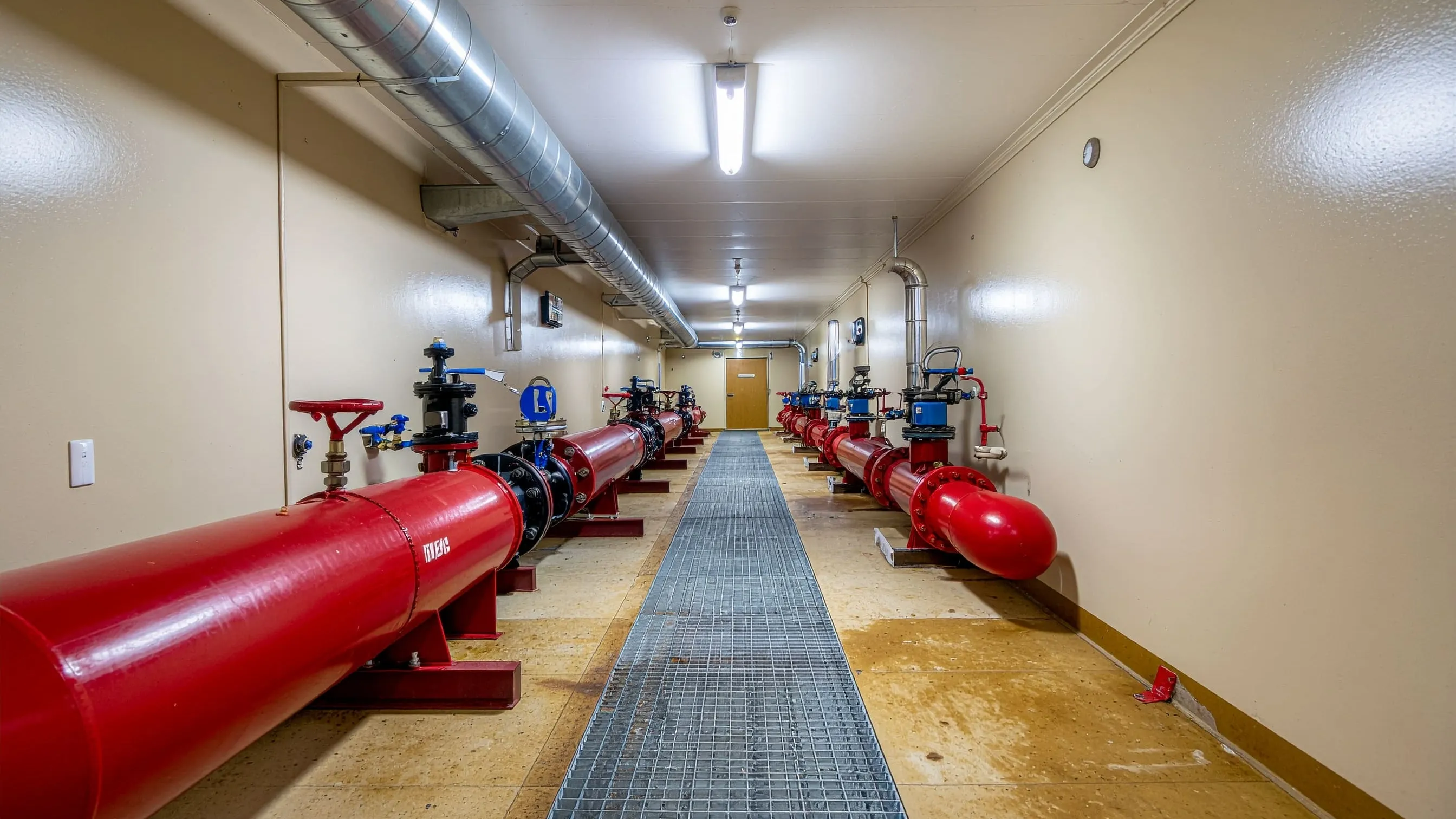
Commercial heating systems rely on specialised chemicals that require careful handling during routine maintenance. Incorrect disposal of inhibitors or biocides creates severe environmental hazards. It also leads to serious regulatory breaches under the UK Environmental Protection Act 1990. Professional heating engineers must understand proper disposal protocols inside and out.
This knowledge protects personnel and the environment while maintaining strict compliance with UK waste regulations. Effective commercial heating chemical disposal is about actively protecting our local waterways from toxic contamination. For National Pumps and Boilers, promoting safe system management is just as important as supplying the equipment itself.
Understanding Commercial Heating System Chemicals
Commercial heating circuits typically contain corrosion inhibitors, scale reducers, biocides, and antifreeze compounds. These chemicals serve essential functions to keep equipment running smoothly. They prevent internal corrosion, control biological growth, and maintain overall system efficiency. However, their complex chemical composition demands very specific disposal procedures.
Corrosion inhibitors often contain nitrites or organic compounds. These specific compounds classify as hazardous waste under the Hazardous Waste Regulations 2005. Biocides present major environmental concerns due to their strong antimicrobial properties. If these are discharged directly to foul drainage, they can disrupt critical sewage treatment processes.
Think of heating system chemicals like the engine oil in a car. You wouldn't just dump used motor oil down a street drain. It needs proper collection, accurate categorisation, and careful processing by licensed professionals to prevent lasting environmental damage.
The Environment Agency classifies heating system chemicals based on their composition and concentration levels. Accurate chemical identification is essential before planning your disposal strategy. Building Regulations Approved Document L requires chemical treatment in most large commercial systems. These systems naturally contain substantial chemical volumes requiring careful management.
Pre-Disposal Assessment and Documentation
Effective disposal begins with a thorough and documented system assessment. Engineers must first identify the exact products, current concentrations, and total fluid volumes. Original commissioning records and your chemical dosing log provide essential information for this critical assessment. Checking the chemical dosing log ensures you know exactly what is circulating in the system water.
System water samples require accurate testing for pH levels and conductivity. Test results determine if the chemicals have degraded or concentrated through natural evaporation. Larger installations frequently trigger additional regulatory requirements due to their massive fluid volume. Incorporating modern heating system components during upgrades can help monitor these levels more effectively.
The Hazardous Waste Regulations legally mandate waste transfer notes for all commercial waste movements. You must describe the waste accurately using the correct European Waste Catalogue (EWC) codes. Vague descriptions like "heating water" will fail regulatory inspections immediately.
Previously, premises generating over 500kg of hazardous waste required Environment Agency registration. However, this requirement was abolished in England in 2016. Today, businesses must instead ensure their company name and a unique code appear on all consignment notes. You must maintain these vital records for a minimum of three years to satisfy strict compliance audits.
Drainage and System Isolation Procedures
Safe chemical disposal demands methodical system isolation before any fluid moves. You must carefully close isolation valves, depressurise the entire system, and establish safe drainage points. Mobile intermediate bulk containers (IBCs) provide highly secure temporary storage while final disposal arrangements proceed.
Central heating systems require complete drainage to remove all chemical residues successfully. Low points, air pockets, and dead legs retain fluid that conventional draining often misses. Using appropriate pump valves helps engineers isolate these sections safely and effectively without spilling.
Drainage procedures must actively prevent cross-contamination between different chemical types. Mixing old inhibitors and biocides can cause dangerous adverse reactions. If primary drainage equipment fails, a DAB pump provides emergency fluid transfer capability. A reliable DAB portable pump ensures fluid moves safely into sealed containers without spilling. Using a DAB portable pump is specifically recommended for handling these temporary fluid movements safely.
Chemical Treatment and Neutralisation
Certain heating system chemicals permit on-site treatment before disposal to reduce hazardous waste volumes. Proper corrosion inhibitor neutralisation represents a highly effective on-site treatment method. Effective corrosion inhibitor neutralisation can sometimes reclassify waste from hazardous to non-hazardous categories. Attempting corrosion inhibitor neutralisation without the right monitoring equipment is extremely risky.
Neutralisation requires careful chemical addition combined with continuous pH monitoring. Engineers must calculate chemical requirements accurately because excessive neutralising agents create entirely new disposal problems. A heavy-duty Wilo pump can assist this process by ensuring thorough fluid mixing in temporary treatment tanks.
However, neutralisation doesn't eliminate all hazardous properties from the fluid. Heavy metals and persistent organic compounds remain problematic regardless of pH adjustments. Always use certified laboratory analysis to confirm if the treated waste meets disposal criteria. The trade-off between on-site treatment and direct disposal depends heavily on your total waste volumes.
Licensed Waste Disposal Routes
UK law strictly requires hazardous waste disposal through licensed carriers to authorised treatment facilities. Engineers must independently verify carrier licences before allowing any waste transfer. Accepting waste collection from unlicensed operators creates joint legal liability for subsequent illegal disposal.
Waste carriers provide several collection options to suit different maintenance schedules. Scheduled collections suit planned project work, while emergency response services handle unexpected system failures. Facility permits specify the exact acceptable waste types they can legally process.
Treatment facilities process heating system chemicals through various specialised methods. High-temperature incineration suits biocides, while physical-chemical treatment effectively handles metal-containing solutions. A dependable lowara water pump helps regulate pressure seamlessly within modern commercial systems. Properly maintained Lowara circulation equipment minimises overall chemical disposal requirements. Upgrading to highly efficient Lowara circulation equipment ensures the system runs cleanly for longer periods.
Site Safety and Environmental Compliance
Chemical disposal operations demand comprehensive and uncompromising safety measures. Personal protective equipment specifications depend entirely on the specific chemical hazards present on site. Corrosive inhibitors require chemical-resistant gloves and eye protection. Biocides may demand full respiratory protection during handling.
A maintenance contractor on an industrial site recently drained untreated system water into a foul sewer without checking the chemical dosing log. The local water authority traced a massive biocide spike directly back to the facility. This resulted in a hefty regulatory fine and forced a three-day system shutdown for investigation. Proper logging and testing would have prevented the entire incident.
Spill containment equipment must be immediately available during all drainage operations. Absorbent materials and drain covers prevent minor incidents from escalating into serious environmental pollution. Modern systems utilising grundfos circulation equipment often reduce the frequency of complete system drainage.
Regulatory compliance extends far beyond the disposal event itself. You must retain consignment notes for three years to create a demonstrable audit trail. Commercial heating chemical disposal requires meticulous record-keeping to satisfy rigorous Environment Agency inspections.
Conclusion
Safe commercial heating chemical disposal demands technical knowledge, regulatory awareness, and highly methodical procedures. The severe environmental consequences of incorrect disposal far exceed the cost of compliant waste management. Engineers must identify chemicals accurately, select appropriate disposal routes, and maintain comprehensive compliance documentation.
Successful disposal integrates smoothly with broader system maintenance strategies. Early planning, licensed contractor engagement, and thorough documentation ensure operations proceed safely and legally. The regulatory landscape continues evolving with an increasing emphasis on strict environmental standards.
For guidance on compliant disposal procedures and tailored equipment upgrades, Get Expert Advice from our technical support team today.