
 -
- Boiler Room Safety: Essential Tips for Commercial Buildings
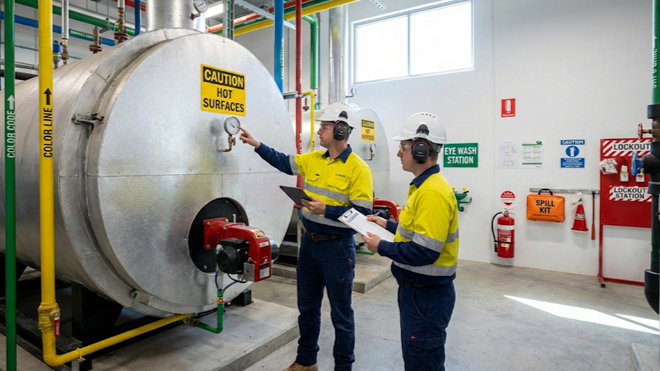
Commercial boiler rooms house powerful equipment operating under pressure, high temperatures, and potentially hazardous conditions requiring rigorous safety management. Facility managers bear legal and moral responsibilities ensuring boiler room operations protect employees, contractors, and building occupants from injury whilst maintaining regulatory compliance. This comprehensive guide examines essential boiler room safety practices, providing practical guidance on hazard identification, risk mitigation, regulatory compliance, and emergency preparedness. Implementing systematic safety protocols using a thorough boiler room safety checklist minimises risks whilst promoting safe, efficient boiler room operations.
Understanding Boiler Room Hazards
Boiler rooms concentrate multiple hazards within confined spaces. Hot surfaces on boilers, pipework, and heat exchangers present severe burn risks - surface temperatures commonly exceed 80°C where brief contact causes serious injury. Steam leaks from faulty valves or failed gaskets expose personnel to scalding steam at temperatures approaching 100°C. Insulation and protective guards reduce direct contact risks but deteriorated insulation exposes dangerous surfaces requiring immediate remediation.
Pressure system hazards demand serious attention given catastrophic consequences from failures. Boilers operate at substantial pressures - commercial systems typically run 3-10 bar pressure depending on application. Pressure vessel failures release enormous stored energy causing devastating explosions, severe injuries, and fatalities. While rare due to rigorous inspection regimes, pressure system integrity remains paramount requiring statutory examinations, proper maintenance, and immediate attention to any pressure abnormalities.
Combustion gases including carbon monoxide pose asphyxiation and poisoning risks. Incomplete combustion or flue system failures allow toxic gases to accumulate in boiler rooms. Carbon monoxide proves particularly dangerous being colourless, odourless, and producing symptoms mimicking flu before causing unconsciousness and death. Adequate ventilation, carbon monoxide detection, and regular combustion analysis prevent dangerous gas accumulation.
Fuel storage presents fire and explosion risks. Oil storage tanks contain flammable liquid whilst gas supplies introduce explosion hazards if leaks occur. Proper fuel system design, regular inspection, and leak detection systems mitigate risks. Emergency fuel isolation valves enable rapid shutdown during emergencies. Staff training ensures personnel recognise fuel leak symptoms and execute appropriate emergency responses.
Access Control and Signage
Restrict boiler room access to authorised personnel only. Install locks preventing casual entry by untrained individuals who may inadvertently create hazards or expose themselves to danger. Maintain current authorised person lists including employees and approved contractors. Visitor access requires supervision by competent persons capable of ensuring visitor safety and preventing inappropriate actions.
Post clear safety signage at boiler room entrances warning of hazards within. Mandatory signs include "Danger - Boiler Room - Authorised Personnel Only", "Hot Surfaces Present", and specific warnings for pressure systems or fuel storage. Emergency exit signs must remain clearly visible and illuminated. Equipment labelling identifying isolation switches, fuel valves, and emergency stops enables rapid response during emergencies.
Contractor induction procedures ensure non-employees understand site-specific hazards and safety requirements before commencing work. Review method statements and risk assessments verifying contractors appreciate hazards and implement appropriate control measures. Permit-to-work systems formalise hazardous work authorisation ensuring proper precautions and supervision. Never allow contractors unsupervised access without comprehensive induction and work authorisation.
Ventilation and Air Quality
Adequate combustion air supply ensures complete fuel combustion preventing dangerous carbon monoxide formation. Calculate required ventilation accounting for boiler fuel consumption rates and safety margins. Natural ventilation through permanent openings sized appropriately for total boiler capacity typically proves adequate though mechanical ventilation may become necessary in restricted spaces or basement installations.
Position ventilation inlets away from potential contamination sources preventing recirculation of flue gases or introduction of explosive vapours. Protect inlets from blockage by debris, snow, or vegetation maintaining unrestricted airflow year-round. Regular inspection ensures ventilation systems remain clear and functional. Expansion vessels and other pressure equipment benefit from adequate room ventilation preventing condensation and corrosion.
Carbon monoxide detectors provide critical safety backup detecting dangerous gas accumulation before personnel exposure causes harm. Install detectors at appropriate locations considering gas density (slightly lighter than air, rises and disperses). Test detectors regularly according to manufacturer schedules replacing units at specified intervals. Audible alarms must alert personnel throughout boiler rooms and adjacent areas enabling evacuation before exposure becomes dangerous.
General ventilation beyond combustion air requirements maintains comfortable working conditions and prevents excessive heat accumulation. High ambient temperatures increase heat stress risks for maintenance personnel working extended periods in boiler rooms. Mechanical ventilation or air conditioning may prove necessary during summer or in tropical climates maintaining acceptable working temperatures.
Fire Safety Measures
Fire detection systems provide early warning enabling rapid response before fires escalate. Install smoke detectors at ceiling height throughout boiler rooms with heat detectors near boilers where ambient heat might cause false smoke detector activation. Connect detection systems to building fire alarm panels ensuring alerts reach security personnel or fire brigade monitoring stations. Test detectors monthly verifying operation and replacing faulty units immediately.
Portable fire extinguishers appropriate for fire types present in boiler rooms must be readily accessible. CO2 or dry powder extinguishers suit electrical fires whilst foam extinguishers address oil fires. Never use water extinguishers on electrical or oil fires - improper extinguisher selection worsens situations or exposes firefighters to electrocution. Mount extinguishers at designated locations marked with signage, maintaining clear access routes. Annual servicing by competent technicians ensures extinguishers remain functional when needed.
Fuel storage safety prevents fire and explosion risks at source. Oil storage tanks require bunded containment capturing leaks or spills preventing environmental contamination and reducing fire spread. Locate tanks away from ignition sources with adequate separation from buildings. Gas supply pipework must meet stringent standards including bonding, ventilation, and leak detection. Emergency fuel isolation valves accessible from outside boiler rooms enable supply shutdown during fires without personnel entering hazardous areas.
Automatic fire suppression systems provide protection beyond portable extinguishers particularly in unmanned facilities or protecting high-value equipment. Water sprinkler systems prove effective though require freeze protection in unheated spaces. Gaseous suppression systems using inert agents extinguish fires without water damage to electrical equipment. Assess suppression system benefits against costs determining whether installations justify expense for specific facilities.
Pressure System Safety
Pressure Systems Safety Regulations require thorough examination of pressure vessels by competent persons at specified intervals. Commercial boilers typically require annual examination though intervals vary based on written schemes of examination developed by competent persons assessing specific equipment and operating conditions. Competent person qualifications include specific pressure vessel training and experience beyond general engineering competence.
Thorough examinations involve detailed visual inspection, non-destructive testing, and assessment of safety device operation. Inspectors identify corrosion, cracking, distortion, or other defects potentially compromising vessel integrity. Examination reports detail findings classifying defects by severity and specifying rectification timescales. Serious defects require immediate shutdown until repairs satisfy competent person requirements for safe return to service.
Safety relief valves prevent dangerous over-pressure conditions by automatically releasing pressure when setpoints are exceeded. Test valves annually either through manual lift testing or removal for bench testing by specialist workshops. Discharge pipework must route safely to outdoors preventing scalding hazards from valve operation. Never cap, plug, or restrict safety valve discharge pipes - these critical safety devices must operate freely without restriction.
Monitor pressure gauges confirming normal operating ranges and detecting abnormal conditions. Install gauges with easily readable dials positioned for good visibility. Calibrate gauges periodically verifying accuracy - inaccurate gauges provide false security potentially masking dangerous conditions. Establish alarm setpoints notifying operators when pressures approach safety limits enabling intervention before relief valve operation or emergency shutdown becomes necessary.
Electrical Safety in Boiler Rooms
Electrical equipment in wet or humid boiler room environments requires appropriate ingress protection (IP ratings). Motors, switches, and control panels should feature IP54 minimum protection preventing moisture ingress causing short circuits or electrocution hazards. Install waterproof enclosures for electrical components exposed to spray or condensation. Wilo pumps incorporate appropriate protection for commercial heating environments though installation must maintain manufacturer-specified protection levels.
Earth bonding connects all metallic equipment and pipework to earth preventing dangerous potential differences developing between components. Supplementary bonding in boiler rooms ensures comprehensive protection given elevated electrical risks from moisture, metal surfaces, and potential earth faults. Test earth continuity and insulation resistance annually using specialist equipment identifying deteriorating electrical systems before failures cause injury or equipment damage.
Lockout-tagout procedures prevent electrical equipment starting unexpectedly during maintenance. Maintenance personnel isolate equipment electrically, apply physical locks preventing re-energisation, and attach tags identifying who applied locks and work being performed. Group lockout situations where multiple personnel work on equipment require each person to apply individual locks - equipment remains locked until all personnel remove locks confirming work completion and safe conditions.
Emergency electrical isolation enables rapid shutdown during electrical fires, electrocution incidents, or other emergencies. Main isolation switches must be clearly labelled, easily accessible (near exits), and immediately identifiable during emergencies. Emergency stop buttons provide additional safety enabling quick equipment shutdown without accessing main isolators. Test emergency systems regularly ensuring personnel know locations and operation procedures.
Chemical Safety and Handling
Water treatment chemicals stored in boiler rooms require proper segregation, labelling, and containment preventing accidental mixing, spillage exposure, or environmental release. Store chemicals in original containers maintaining intact labelling. Incompatible chemicals must be physically separated preventing dangerous reactions if containers leak. Provide bunded containment capturing spills preventing floor contamination or drainage system entry.
Control of Substances Hazardous to Health (COSHH) assessments identify chemical hazards and specify control measures protecting personnel. Assess each chemical documenting hazards, exposure routes, control measures, and emergency procedures. Provide Material Safety Data Sheets (MSDS) detailing chemical properties, first aid measures, and spillage procedures. Review COSHH assessments when chemicals change or work practices alter.
Personal protective equipment specified in COSHH assessments must be readily available and suitable for chemicals handled. Chemical-resistant gloves, safety goggles, and protective aprons prevent skin and eye contact during chemical handling and dosing activities. Provide emergency eyewash stations enabling immediate eye irrigation if splashes occur - delayed treatment causes severe injuries whilst prompt flushing minimises harm.
Automatic chemical dosing systems reduce personnel exposure compared to manual dosing though still require PPE during maintenance or chemical replacement. Verify dosing equipment operates correctly preventing under-dosing causing corrosion or over-dosing creating hazardous conditions. Maintain dosing pumps and controllers preventing failures that compromise water treatment effectiveness.
Emergency Procedures and Response
Emergency shutdown procedures enable safe, rapid equipment shutdown during fires, major leaks, or other emergencies. Document step-by-step shutdown sequences considering equipment interdependencies and safety priorities. Fuel supply isolation represents critical first step preventing fire escalation or explosion risks. Electrical isolation follows once fuel supplies are secure. Pressure reduction through controlled blow-down may prove necessary though rarely during emergency shutdowns.
Gas leak response requires immediate action given explosion and asphyxiation risks. Recognise gas leak signs including distinctive odours (odorant added to natural gas), hissing sounds, or dead vegetation near underground pipes. Eliminate ignition sources immediately - no switches, no mobile phones, no torches that might spark explosions. Evacuate personnel to safe distances, isolate gas supplies using emergency valves, ventilate spaces, and notify emergency services. Reflex safety equipment supports system safety though cannot substitute for proper emergency procedures.
First aid provisions appropriate for boiler room hazards include treatment for burns, scalds, chemical exposure, and general injuries. Maintain stocked first aid kits with burn dressings, eyewash, and general supplies. Ensure adequate numbers of trained first aiders are available during operating hours. Display first aid information prominently including emergency contact numbers and nearest hospital locations. Document all incidents even minor ones - incident patterns reveal recurring hazards requiring additional controls.
Staff Training and Competency
Comprehensive induction training familiarises new employees with boiler room hazards, safety procedures, and emergency responses before unsupervised access. Cover specific hazards present in facilities including hot surfaces, pressure systems, electrical risks, and fuel storage. Demonstrate emergency procedures, PPE requirements, and abnormal condition recognition. Assess competency through questioning or practical demonstration before granting independent access.
Refresher training at regular intervals maintains awareness and introduces changes to procedures, equipment, or regulations. Annual refresher sessions suit most facilities though more frequent training proves beneficial for complex or high-risk operations. Emergency drills test personnel response to scenarios including fires, gas leaks, or pressure system failures. Analyse drill performance identifying training gaps or procedure improvements.
Maintain training records documenting course content, attendance, and competency assessment results. Training records demonstrate regulatory compliance during inspections whilst identifying individuals requiring refresher training or additional development. Include contractor training in record systems particularly for regular service providers requiring site-specific knowledge.
Boiler Room Safety Checklist
Daily Checks:
- Visual inspection for leaks, unusual noises, or odours
- Pressure and temperature gauge readings within normal ranges
- Ventilation system operation verification
- Emergency exit accessibility and lighting function
- General housekeeping and cleanliness assessment
- Control panel alarm review and investigation
Weekly Checks:
- Fire extinguisher accessibility and condition
- Emergency lighting function test
- Carbon monoxide detector function test
- Chemical storage area inspection
- Safety signage condition and visibility
- Fuel storage area inspection
Monthly Checks:
- Safety valve discharge pipe inspection
- Electrical equipment visual inspection
- Water treatment system verification
- First aid kit stock check and replenishment
- Contractor certification review if applicable
- Safety documentation review and update
Annual Requirements:
- Pressure vessel statutory thorough examination
- Safety relief valve testing or replacement
- Gas safety inspection (Gas Safe registered engineer)
- Portable appliance testing (PAT)
- Fire extinguisher servicing
- Staff training refresher and emergency drills
- Risk assessment review and update
Commercial boiler room safety demands systematic approaches addressing multiple hazards through proper design, rigorous maintenance, comprehensive training, and emergency preparedness. Facility managers must remain vigilant implementing comprehensive boiler room safety checklist procedures preventing complacency whilst ensuring regulatory compliance. National Pumps and Boilers provides professional boiler room safety assessments, equipment maintenance, and staff training supporting safe commercial heating operations. For expert safety guidance, risk assessments, or equipment inspection services, contact us to discuss your facility's specific safety requirements and compliance obligations.