

Choosing Components for Efficient Commercial Heating
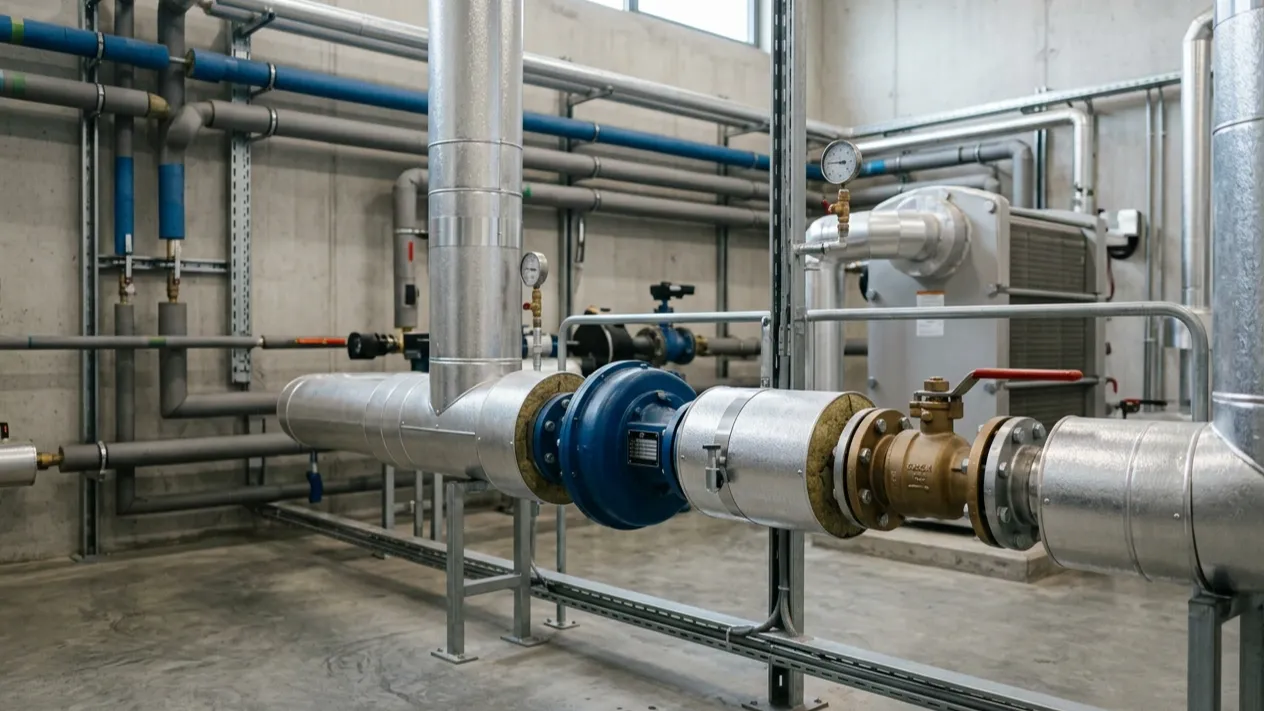
Replacing a pump or boiler does not automatically improve a heating system's efficiency. The result depends on how the equipment performs alongside the existing installation.
A variable-speed pump can reduce electricity consumption when circulation adjusts to changing demand. A condensing boiler can recover more heat when return-water temperatures allow condensation to occur.
However, neither component works independently of the rest of the system. Pipework, valves, controls and water quality all influence performance.
Understanding these relationships helps identify which improvements are worthwhile before selecting replacement equipment.
Identify Where the System Is Losing Efficiency
Before replacing equipment, establish how the existing heating system operates. High energy consumption can have several causes, and replacing one component may leave the underlying problem untouched.
For example, a pump operating at a constant speed may continue circulating more water than the system requires during periods of lower demand. Poorly balanced circuits or restrictions in the distribution network can create additional problems.
Boiler operation needs the same attention. Frequent cycling, unnecessarily high flow temperatures and poorly coordinated heating zones can affect overall performance.
Useful checks include:
- Comparing pump operation with actual heating demand.
- Reviewing flow and return temperatures.
- Checking whether heating circuits receive their required design flow.
- Identifying restrictions, leaks and unwanted bypass flows.
- Reviewing boiler cycling and operating schedules.
- Checking whether controls respond appropriately to occupied and unoccupied periods.
These checks help distinguish equipment limitations from problems elsewhere in the installation. They also provide a more reliable basis for deciding whether replacement, adjustment or maintenance is necessary.
Variable-Speed Pumps Need the Right Operating Conditions
Variable-speed pumps adjust their output to match changing circulation requirements. In suitable heating systems, this can reduce electricity consumption when demand falls.
Consider a building with several heating circuits. As individual control valves reduce flow to areas that need less heat, the overall circulation requirement may also decrease.
A suitable pump control strategy can respond by reducing pump speed. This avoids maintaining unnecessary circulation when the system needs less flow.
However, the potential savings depend on the hydraulic design. Pipework resistance, pump characteristics, control valve behaviour and minimum flow requirements all influence how the equipment performs.
A variable-speed pump will not automatically deliver the expected savings if it is incorrectly selected or configured. The control arrangement must respond to actual system conditions while maintaining sufficient flow through active circuits.
Pump selection should therefore account for the required duty, operating range and control method. The commercial circulators range provides examples of equipment available for circulation applications.
Distribution Pipework and Valves Affect Pump Performance
Pump performance cannot be considered separately from the distribution network. Pipe dimensions, circuit layout and valve selection all influence the resistance against which the pump operates.
Undersized pipework, partially closed valves and accumulated debris can restrict circulation. These conditions can change the pump's operating point and leave some areas receiving insufficient heating.
Poor hydraulic balancing creates another problem. Water does not automatically divide evenly between heating circuits. Differences in resistance can cause some branches to receive more flow than their design requires, while others receive too little.
Balancing establishes the required flow through individual circuits. It helps ensure that heat reaches the intended areas without unnecessarily increasing circulation elsewhere.
Valve selection also matters. Isolation valves, balancing valves and control valves serve different purposes. Their selection should reflect the required flow, pressure conditions and control arrangement.
Commissioning is important because correct component selection alone does not guarantee the intended performance. The system needs to be adjusted and checked under suitable operating conditions.
CIBSE's guidance on proportional balancing for circulating water systems explains how balancing supports effective heating and cooling system operation.
Condensing Boiler Efficiency Depends on Return Temperature
Condensing boilers recover additional heat from water vapour in their flue gases. This process depends on the temperature of the water returning to the boiler.
For natural gas condensing boilers, condensation generally begins when return-water temperature falls below approximately 54°C. Lower temperatures can support greater condensation and improve thermal efficiency.
A boiler may have a high rated efficiency but fail to achieve its potential in an unsuitable system. High return temperatures and poorly configured controls can limit condensing operation.
The distribution system therefore plays an important role. Appropriate flow rates, temperature differentials and control arrangements can help maintain lower return temperatures where the building's heating requirements allow.
Boiler selection also needs to reflect actual demand. An oversized unit may cycle frequently when the heating load is low. This can increase operating losses and reduce the benefits of modulation.
Larger installations may also require multiple boilers. Appropriate sequencing and modulation can help match heat output to demand while providing operational flexibility.
CIBSE explains the relationship between primary circuit design, minimum flow requirements and return-water temperature in its guidance on commercial heating system primary circuit design.
Controls Determine How Equipment Responds to Demand
Efficient components still need suitable controls. Without proper coordination, pumps and boilers may continue operating at settings that do not reflect the building's heating requirements.
For example, a heating system may maintain a high flow temperature even when outdoor conditions are milder. Weather compensation can adjust the heating flow temperature in response to outdoor conditions, where the system and its heat emitters allow it.
Heating schedules also influence energy consumption. Operating plant continuously when the building does not require heat can create unnecessary demand. Suitable time and temperature controls help align operation with occupancy.
Larger installations may use boiler sequencing to coordinate several units. The control strategy should match total heat output to demand while accounting for each boiler's minimum operating requirements.
Compatibility needs checking before introducing replacement controls. A variable-speed pump, boiler controller and building management system may require suitable interfaces or additional configuration to work together.
CIBSE's guidance on effective control for condensing gas boiler systems discusses modulation, weather compensation and boiler sequencing.
Water Quality and System Pressure Still Matter
Water quality can affect circulation, heat transfer and equipment condition. Corrosion products, sludge and other debris may accumulate in pipework, strainers, valves and heat exchangers.
These deposits can restrict flow and interfere with heat transfer. Over time, contamination can contribute to reduced efficiency, corrosion and premature equipment problems.
Air and recurring pressure loss also deserve attention. A sealed heating system should not normally require frequent topping up. Repeated pressure loss may indicate a leak or another fault that needs investigation.
Water treatment and routine monitoring help protect closed-loop heating systems. The appropriate approach depends on the installation, materials, water condition and equipment manufacturer's requirements.
Replacing a pump or boiler without addressing contamination may leave the replacement equipment exposed to the same operating problems. System cleanliness and water condition should therefore form part of planned maintenance and component replacement.
CIBSE's guidance on chemical-free water treatment in closed-loop systems explains why maintaining circulating water quality matters to building services installations.
Assess the Complete Component Arrangement Before Replacement
The right replacement depends on the problem being addressed. A pump replacement should account for the required flow and head, distribution layout and control strategy.
Boiler replacement requires consideration of building heat demand, operating temperatures, return-water conditions and minimum flow requirements. Valve and control changes need to account for their effect on the wider installation.
Before selecting equipment, establish:
- The building's heating demand and operating schedule.
- Existing pump duties and hydraulic conditions.
- Boiler output and flow and return temperatures.
- Pipework condition and circuit balancing.
- Valve arrangements and control requirements.
- Equipment compatibility and minimum operating conditions.
This assessment helps identify whether the installation needs new equipment, adjustments to existing settings or attention to underlying maintenance issues.
Improving Heating Efficiency Through Better Component Selection
Improving heating efficiency is not simply a matter of replacing older equipment with newer models. The components need to suit the installation and operate together under actual building conditions.
A correctly selected pump can respond to changing circulation requirements. Suitable valves can support hydraulic balancing, while appropriate boiler controls can help maintain efficient operating temperatures.
The value comes from matching equipment to the system rather than treating each replacement as an isolated improvement. A proper assessment before installation helps avoid mismatched components and unnecessary expenditure.