

Choosing the Right Bronze or Stainless Pump for Potable Water Circulation
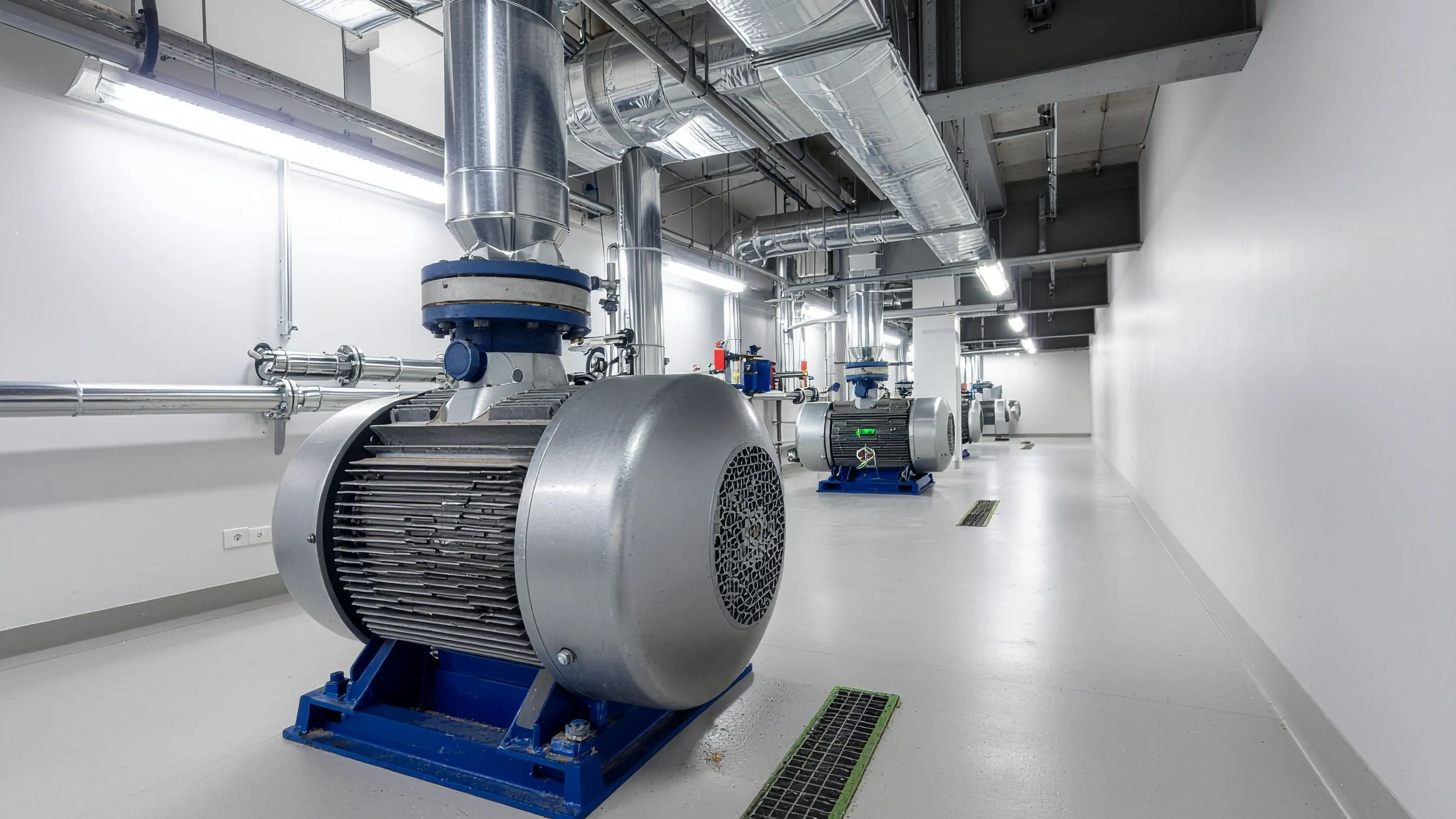
Selecting the appropriate material for a potable water circulation pump is one of the most consequential decisions in hot water system design. The choice between bronze and stainless steel directly impacts your water quality, system reliability, and long-term operational costs. Getting this wrong can lead to premature failure and costly compliance violations.
The material in contact with your drinking water determines the pump's service life. It also affects water quality, taste, and the potential for bacterial growth. Bronze pumps have served the industry reliably for decades, offering proven performance at a moderate cost. Stainless steel pumps deliver premium corrosion resistance and extended longevity, particularly in challenging water conditions. To make the right choice, you need to look closely at your local water chemistry and regulatory requirements.
Understanding Potable Water Circulation Requirements
The Water Supply Regulations establish a strict framework for materials in contact with drinking water. Every component must resist microbial growth, avoid imparting a bad taste, and prevent the release of harmful substances. This makes securing a WRAS approved circulation pump a legal obligation, not just a performance suggestion. You can rely on National Pumps and Boilers to supply fully compliant hardware for these critical applications.
A potable water circulation pump maintains a consistent temperature throughout your domestic hot water network. This prevents bacterial proliferation and ensures immediate hot water availability at the tap. These systems typically operate at temperatures between 55°C and 65°C. System pressures can vary massively, from 1.5 bar in simple residential setups to 6 bar in multi-storey commercial buildings.
These pumps run continuously or on heavy timed cycles, making reliability absolutely paramount. Your chosen material must withstand aggressive thermal cycling and resist corrosion from dissolved minerals.
Bronze Pumps: Traditional Reliability for Potable Water
Bronze pumps typically utilise a specific gunmetal pump alloy. This is usually composed of copper, tin, zinc, and lead, though lead-free variants now dominate the modern market. This gunmetal pump alloy offers excellent machinability and proven reliability across thousands of commercial installations.
The natural patina that forms on a bronze surface provides excellent protection against further corrosion. Bronze demonstrates great resistance to dezincification in waters with moderate hardness and a neutral pH. Dezincification is a destructive process where zinc leaches out of the metal. The material easily handles temperatures up to 110°C, which exceeds the requirements for most hot water applications. When apprentices ask if is grundfos a good pump for standard commercial systems, the answer is often yes, specifically because of their highly durable bronze-fitted variants.
Bronze pumps typically cost 30% to 40% less than equivalent stainless steel models. This makes them highly attractive for standard installations where water chemistry falls within normal parameters. The material's thermal conductivity also aids heat dissipation, which can help extend the life of the motor.
Stainless Steel Pumps: Premium Protection and Performance
Stainless steel pumps usually employ 316 grade stainless steel for all wetted components. This composition creates exceptional corrosion resistance across virtually all potable water conditions. The passive chromium oxide layer that forms on 316 grade stainless steel provides self-healing protection, maintaining its integrity even after minor surface scratches.
This material withstands aggressive chemical concentrations that would rapidly corrode bronze. Stainless steel safely handles temperatures up to 120°C and pressures up to 16 bar. This provides a massive safety margin in demanding commercial systems. The completely inert nature of the metal ensures zero taste or odour transfer, which is critical in healthcare and hospitality applications. When you are conducting lowara pump troubleshooting on a failing system, you will often find that upgrading from bronze to stainless steel completely resolves recurring corrosion issues.
The extended service life of a stainless steel pump easily justifies the higher initial cost. A bronze pump might require replacement after 8 to 12 years in challenging conditions. A stainless steel unit commonly operates flawlessly for 15 to 20 years.
Material Selection Based on Water Chemistry
Water chemistry analysis provides the ultimate foundation for informed material selection. Total hardness indicates the scale-forming potential and corrosion characteristics of your supply. Soft water increases the risk of bronze corrosion, which strongly favours a stainless steel specification.
The exact water chloride content critically affects how long a bronze pump will last. Concentrations above 250 ppm significantly accelerate dezincification, especially at elevated temperatures. Coastal areas, regions using heavy road salt, or systems with water softener discharge often exceed this limit. If your water chloride content approaches 200 ppm, stainless steel is the only sensible choice. Even a standard residential booster pump will fail prematurely if the chloride levels are too aggressive for its casing.
Water pH also influences corrosion rates across all metallic materials. The ideal pH range of 7.0 to 8.5 minimises corrosion and prevents heavy scale formation. Acidic water aggressively attacks bronze, making stainless steel essential.
System Design Factors Affecting Pump Choice
Your circulation loop design directly impacts the material requirements of your pump. Systems with long pipe runs and complex routing generate higher fluid velocities. Bronze handles moderate velocities well but can experience accelerated wear if flow exceeds 2 metres per second. Stainless steel easily withstands these higher velocities without degrading.
A mechanical contractor in Cornwall recently installed a standard bronze unit on a private bore-hole water supply. Because they didn't check the water chemistry first, the aggressive chloride levels caused severe dezincification, and the casing failed within six months. Swapping it for a 316 grade stainless steel unit completely solved the issue and prevented a massive flood risk.
System pressure also affects material stress and common failure modes. Hot water circuits in tall buildings impose much higher static pressures on the pumps. Think of your pump material like choosing the right coat for the weather. Bronze is a great all-round jacket for a mild day, but if you are heading into a severe storm like high pressure and aggressive chemistry, you absolutely need the heavy-duty raincoat of stainless steel. If you are specifying a hydronic circulator for a high-rise, stainless provides a much better safety margin.
Specific Applications and Material Recommendations
Hotels and commercial buildings typically specify bronze pumps for standard installations. The cost savings across multiple pumps in a large building make bronze highly attractive when water conditions permit. However, luxury hotels often upgrade to stainless steel to guarantee absolute reliability and protect guest water quality.
Healthcare facilities require a WRAS approved circulation pump made of stainless steel due to strict infection control protocols. NHS guidance mandates materials that can withstand frequent thermal disinfection cycles at high temperatures. The severe consequences of system failure in a hospital easily justify investing in premium materials. Even a simple vaillant shunt pump configuration in a clinical setting benefits from upgraded metallurgy.
Industrial and process applications require case-by-case evaluation. Food processing facilities mandate stainless steel for hygiene and strict regulatory compliance. Pharmaceutical manufacturing similarly requires stainless steel to meet their intense validation requirements.
Compliance with British Standards and Building Regulations
The Water Supply Regulations specify strict requirements for materials in hot water services. The materials must resist corrosion under standard operating conditions and never degrade the water quality. Both bronze and stainless steel meet these requirements when appropriately matched to the local water chemistry.
WRAS approval confirms the product has undergone rigorous testing for material safety and mechanical performance. Specifiers must verify that any pump used in a drinking water system holds a current certification. A properly vetted WRAS approved circulation pump guarantees the manufacturer has used food-safe lubricants and approved seals. Even manufacturers of large andrews boilers ensure their associated domestic hot water pumps meet these exact compliance standards.
Legionella control also heavily influences material selection. Circulation pumps must maintain temperatures that prevent bacterial growth. Stainless steel's superior performance at these elevated temperatures makes it preferable in systems requiring aggressive thermal disinfection.
Long-Term Cost Analysis
The initial capital expenditure represents only a small fraction of the total cost of ownership. A bronze gunmetal pump alloy unit typically costs £800 to £1,500 for commercial applications. An equivalent stainless steel pump costs £1,200 to £2,200. This premium requires justification through a proper lifecycle analysis.
Maintenance and replacement cycles significantly affect your long-term costs. In challenging water conditions, a bronze pump may fail after just 5 years, requiring an expensive emergency replacement. Stainless steel pumps typically operate for decades regardless of water chemistry, boasting minimal maintenance requirements.
You must include replacement labour, system downtime, and potential water damage in your total cost of ownership calculations. A bronze pump failing prematurely costs you the replacement unit, the labour, system drainage time, and massive disruption. Stainless steel's bulletproof reliability eliminates these risks entirely.
Conclusion: Informed Material Selection for Reliable Systems
Material selection for a potable water circulation pump demands a careful analysis of water chemistry and regulatory obligations. Bronze pumps deliver proven reliability and cost-effectiveness in applications with moderate water conditions, a neutral pH, and low chlorides. Stainless steel pumps provide superior performance across all water conditions, easily justifying their premium price tag through an extended service life.
Heating engineers must conduct a proper water analysis before specifying any pump materials. You must test the water chloride content before finalising any system specification. Applications in coastal areas, soft water regions, or healthcare facilities absolutely require a stainless steel specification. Standard commercial applications with suitable water chemistry can utilise bronze pumps highly effectively.
The decision between bronze and stainless steel affects your system reliability and maintenance budget for decades. Professional specification based on hard data protects your water quality and ensures strict regulatory compliance. If you need technical guidance on selecting the appropriate pump metallurgy for your site, Get Expert Advice from our technical specialists today to discuss your project requirements.