

Cold Water Booster Set Maintenance: What to Check and How Often
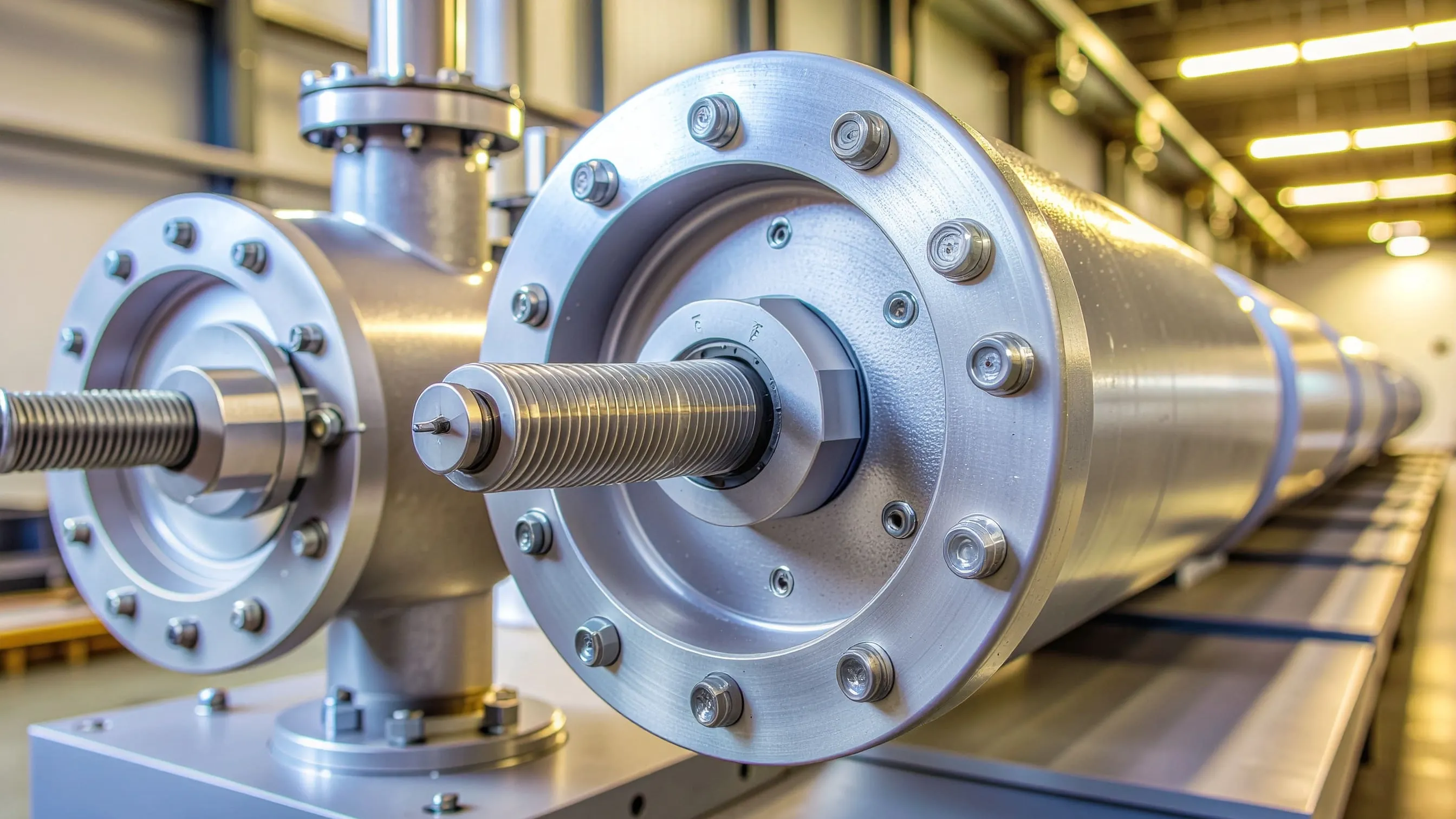
Cold water booster sets form the backbone of water distribution in buildings where mains pressure proves insufficient for upper floors or high-demand applications. These systems maintain consistent water pressure across multiple storeys, ensuring taps, showers, and appliances receive adequate flow regardless of building height or simultaneous usage patterns. Without proper cold water booster set maintenance, these critical systems fail precisely when buildings need them most - during peak demand periods or in emergency situations where water supply interruption creates the most disruption and cost.
The consequences of neglected maintenance extend well beyond inconvenience. System failures can breach Water Supply Regulations, create Building Regulations non-compliance issues, and generate liability exposure when supply interruptions affect occupants. Poorly maintained booster sets consume substantially more energy, develop catastrophic failures requiring emergency replacement, and suffer dramatically shortened service lives. A structured cold water booster set maintenance programme prevents these outcomes whilst maintaining compliance with BS 8558 and Building Regulations Part G.
Understanding Cold Water Booster Set Components
Modern cold water booster sets comprise several integrated components, each requiring specific maintenance attention at defined intervals. The pump assembly typically consists of two or three centrifugal pumps configured for duty/standby or duty/assist operation, with variable speed drives controlling motor speed to match demand precisely. Frequency inverters adjust pump speed continuously, maintaining target pressure whilst minimising energy consumption and mechanical wear.
Pressure vessels provide hydraulic buffering, reducing pump cycling frequency and absorbing pressure fluctuations that would otherwise cause rapid pump starts. These diaphragm-type expansion vessels require correct pre-charge pressure to function effectively - typically set 0.2-0.5 bar below the cut-in pressure. Incorrect pre-charge is one of the most common causes of excessive pump cycling and premature mechanical wear in otherwise well-maintained systems.
The control panel houses the electronics monitoring system performance through pressure transducers, flow sensors, and thermal protection devices. Modern systems integrate building management system connectivity, enabling remote monitoring and predictive maintenance scheduling that reduces reactive call-out costs. The valve assembly includes isolation valves for pump removal, non-return valves preventing backflow, pressure relief valves protecting against over-pressurisation, and pressure-sustaining valves maintaining minimum system pressure. Each valve type demands specific inspection intervals and operational verification.
Grundfos booster systems incorporate diagnostic displays showing real-time pressure readings, pump status, and fault history - functionality that significantly reduces diagnostic time during booster set inspection and simplifies routine maintenance checks by providing instant access to operational data.
Daily Visual Inspections
Facilities management teams should conduct brief daily inspections of operating booster sets, requiring approximately five minutes per system. Check the main pressure gauge against expected operating parameters - typical commercial installations operate between 2.5 and 4.5 bar depending on building height and specification. Significant deviation from established normal operating pressure indicates a developing problem requiring investigation before it escalates.
Listen for unusual operational sounds during the daily walk-round. Healthy pumps produce a consistent low-frequency hum during operation. Cavitation creates a distinctive rattling or gravel-like noise, indicating inadequate suction conditions or air entrainment in the supply. High-pitched squealing suggests bearing deterioration or shaft misalignment, whilst grinding noises indicate severe mechanical damage requiring immediate shutdown and investigation.
Inspect around pump shaft seals, valve glands, and pipe connections for moisture or active leakage. Small weeping from mechanical seals frequently precedes complete seal failure - early identification prevents motor damage from sustained water ingress. Check the control panel for illuminated alarm indicators or fault codes, noting any for investigation even where the system continues operating. Modern controllers log fault events with timestamps, providing valuable diagnostic context for intermittent problems that may not be present during the inspection visit itself.
Weekly Maintenance Checks
Weekly booster set inspection expands upon daily checks with more detailed assessment. Measure motor surface temperature using an infrared thermometer - motors typically operate between 40°C and 70°C depending on load and ambient conditions. Temperatures exceeding 80°C indicate inadequate cooling, electrical problems, or mechanical binding requiring immediate attention. Comparing temperature readings between duty and standby pumps identifies abnormal conditions that single-unit measurements might not reveal.
Verify pump rotation sequence and duty alternation. Most controllers rotate pumps on a scheduled basis, preventing standby pump seizure from prolonged inactivity and distributing accumulated running hours across both units. Manually initiate standby pump operation to confirm immediate availability - this test identifies seized pumps, control circuit faults, or mechanical problems before emergency operation reveals them at the least convenient moment.
Float switches in break tank installations require weekly verification. Manually raise and lower floats to confirm pump starting and stopping occurs at correct tank levels. Faulty float switches cause tank overflow or pump dry-running - both potentially serious consequences that a brief weekly test prevents.
Wilo booster set controllers include automated standby pump test routines that can be configured to run on a scheduled basis, logging test results and flagging failures - a useful feature for facilities teams managing multiple systems across large building portfolios where manual weekly testing of every unit is resource-intensive.
Monthly Maintenance Requirements
Monthly maintenance involves more detailed inspection and minor servicing tasks beyond visual checks. Pump bearing assemblies require lubrication according to manufacturer specifications - typically every 3,000 to 5,000 operating hours for standard motor frames, though sealed bearing designs eliminate this requirement entirely. Over-greasing causes as many bearing failures as under-greasing, so follow specified grease quantities precisely as stated in the manufacturer documentation.
Inspect electrical connections within the control panel for tightness, paying particular attention to motor contactor terminals and incoming power supply connections. Thermal cycling causes gradual loosening of electrical terminations, creating high-resistance connections that generate localised heat and potentially cause fires. Use a torque screwdriver to verify all connections meet the specified torque values in the manufacturer's installation documentation.
Verify control parameters match commissioning specifications. Check pressure setpoints, pump sequencing logic, and alarm thresholds against the original commissioning records. Parameter drift occurs occasionally in electronic controllers, particularly after power interruptions or firmware updates. Recording actual pressure readings alongside displayed controller values identifies sensor calibration drift that would otherwise go unnoticed until pressure problems develop.
Water quality assessment is essential for systems with break tanks or intermediate storage. Test for chlorine residual, bacterial contamination, and sediment accumulation monthly. Sample water downstream of the booster set to confirm the installation introduces no contamination into the distribution system.
DAB booster sets incorporate integrated monitoring that logs water temperature alongside pump operational data, supporting Legionella risk management records and providing the documented evidence that water system compliance programmes require during regulatory inspection.
Clean or replace inlet strainers and filters monthly, or more frequently in installations with poor incoming water quality. Blocked strainers restrict flow, causing cavitation and measurably reducing pump hydraulic performance. Inspect strainer baskets for debris accumulation patterns that might indicate upstream pipe deterioration or intermittent contamination sources requiring investigation.
Quarterly Service Intervals
Comprehensive quarterly servicing requires competent heating engineers with specific knowledge of booster set technology. Performance testing verifies each pump delivers design flow at specified pressure, identifying wear-related deterioration before complete failure occurs. Measuring motor current draw during operation provides useful diagnostic data - increasing current with decreasing hydraulic output indicates impeller wear or developing motor problems.
Conduct vibration analysis using handheld vibration analysers to assess bearing condition and detect developing mechanical imbalance. Vibration measurements provide early warning of mechanical deterioration, typically identifying problems months before audible or tactile symptoms become apparent. Trending vibration data across multiple quarterly inspections reveals gradual deterioration patterns, enabling planned replacement before catastrophic failure.
Verify pressure vessel pre-charge pressure against the specified value in the commissioning documentation. Vessels lose charge gradually through diaphragm permeation over time, requiring periodic correction. Incorrect pre-charge causes excessive pump cycling that reduces component life and increases energy consumption measurably. To check pre-charge correctly: drain the vessel completely, then measure air pressure at the Schrader valve. Re-charge to specification using nitrogen rather than compressed air, which contains moisture and oxygen that cause internal corrosion.
Armstrong booster systems include performance trending software that compares current pump output against historical quarterly data, automatically flagging deterioration that exceeds defined tolerance thresholds - a particularly useful capability for building engineers managing maintenance schedules across multiple installed systems.
Calibrate control system sensors quarterly and verify all alarm functions. Compare pressure transducer readings against calibrated reference gauges, adjusting calibration where deviation exceeds ±2%. Test all alarm functions by simulating fault conditions, confirming both local panel indication and remote BMS signalling where the booster set is integrated with building management infrastructure.
Central heating systems in the same building often share monitoring infrastructure and BMS connectivity with cold water booster sets - verifying that integration functions correctly during quarterly booster maintenance visits avoids separate call-outs for cross-system communication issues.
Annual Statutory Requirements
Annual servicing must address statutory compliance requirements under Water Supply Regulations and Building Regulations. Professional testing of backflow prevention devices is a legal requirement, performed annually by qualified technicians using calibrated test equipment. These tests verify devices prevent contamination of the mains water supply under all foreseeable operating conditions - failure to conduct annual testing breaches Water Supply Regulations and may invalidate insurance coverage for water damage claims.
Electrical safety certification requires annual inspection and testing by qualified electricians, verifying earth continuity, insulation resistance, and protective device operation. This inspection identifies deteriorating cable insulation, corroded terminal connections, and control circuit faults before they cause failures or create safety hazards. Coordinating electrical testing with mechanical servicing minimises total system downtime and reduces the associated building disruption.
National Pumps and Boilers provides comprehensive annual service programmes covering mechanical, electrical, and compliance elements of cold water booster set maintenance - a coordinated approach that produces a single set of service records demonstrating full statutory compliance across all system components.
Pressure relief valve calibration must be conducted annually using certified test equipment. Relief valves protect against dangerous over-pressurisation but may stick open or drift from specified opening pressure over time. Professional calibration verifies valves open at the correct set pressure and reseat completely after activation. Failed relief valves represent a serious safety hazard and potential source of significant property damage.
Complete system performance audits document actual performance against original design specifications, identifying gradual deterioration that requires remedial action before it causes failure. Measuring flow rates at various demand points, verifying pressure consistency across building levels, and assessing energy consumption against baseline data from previous annual audits often reveals optimisation opportunities that reduce operating costs whilst maintaining full performance.
Common Failure Modes and Prevention
Dry running represents the most catastrophic failure mode for booster set pumps. Operating without water flow causes rapid temperature rise, destroying mechanical seals, warping impellers, and potentially seizing motor windings within minutes. Effective dry-run protection requires multiple independent safeguards - flow switches detecting minimum flow conditions, thermal sensors monitoring motor winding temperature, and pressure sensors identifying abnormal suction conditions. Testing these protective devices quarterly ensures they remain functional when needed.
Cavitation damage occurs when suction pressure falls below water vapour pressure, creating vapour bubbles that collapse violently against impeller surfaces. This erosive process destroys impellers within months of onset whilst creating characteristic noise and vibration. Preventing cavitation requires adequate net positive suction head throughout normal operation - verify break tank water levels remain sufficient, inlet pipework sizing meets design specifications, and inlet strainers remain clean between monthly inspections.
Lowara booster pumps feature cavitation-resistant impeller materials that extend service life in installations where suction conditions are marginal, though maintaining correct suction head through proper break tank management and inlet pipework design remains the most effective prevention measure.
Mechanical seal failure follows predictable patterns when pump maintenance schedule adherence lapses. Seals typically last 3-5 years under normal conditions but fail prematurely when pumps run dry even briefly, handle contaminated or abrasive water, or operate with persistent vibration from bearing deterioration. Replacing seals preventatively during scheduled major overhauls costs substantially less than emergency repairs following catastrophic failure, particularly where motor winding damage results from water ingress.
Motor overheating results from multiple causes including inadequate plant room ventilation, excessive cycling frequency, supply voltage imbalance, or mechanical overload from worn bearings. Monthly temperature monitoring with an infrared thermometer identifies developing problems before motor winding damage occurs. Ebara motor assemblies incorporate thermal protection with automatic restart on cool-down, providing a useful secondary safeguard for installations where plant room temperature control presents challenges.
Pump valves with integrated sensors require particular attention during maintenance visits, as valve deterioration and sensor drift can occur simultaneously - isolating each valve during quarterly inspections and verifying sensor readings against independent reference measurements prevents compounded failures from developing undetected.
Record Keeping and Compliance Documentation
Comprehensive maintenance records demonstrate water system compliance whilst providing the diagnostic trend data that transforms routine maintenance from a compliance exercise into a predictive engineering tool. Maintain detailed logs recording all inspections, tests, repairs, and component replacements, including operating parameters - pressures, temperatures, flow rates, and current readings - at every inspection visit.
Document all statutory testing including backflow prevention device test certificates, electrical safety inspection reports, and pressure relief valve calibration certificates. Retain all test documentation for the system's full operational life, as Building Control officers and insurers may request historical records stretching back several years. Water Supply Regulations require specific records demonstrating ongoing compliance with hygiene requirements, particularly for systems incorporating storage tanks where Legionella risk management documentation forms part of the required evidence.
BS 8558:2015 specifies maintenance requirements for cold water services in buildings, including booster sets. Compliance requires documented evidence of regular inspection, testing, and maintenance following manufacturer recommendations. Building Regulations Part G references BS 8558, making compliance a legal requirement for new installations and major refurbishments. Existing systems benefit from adopting these standards even where not legally mandated, as they represent industry best practice refined through decades of operational experience.
Performance trend analysis transforms maintenance records into predictive management tools. Plotting pump efficiency, energy consumption, and component replacement frequency over successive quarterly and annual visits identifies deterioration patterns, enabling proactive intervention before failures occur. This data-driven approach to water booster compliance management optimises maintenance timing and resource allocation across the system's operational life.
Conclusion
Cold water booster set maintenance requires structured attention across multiple timescales - from daily visual inspections through to annual statutory testing - each layer addressing the failure modes and compliance requirements appropriate to its frequency. Daily checks identify immediate problems, weekly inspections verify operational readiness, monthly maintenance addresses wear items and minor adjustments, whilst quarterly and annual servicing delivers comprehensive assessment and statutory compliance verification.
The investment in preventative cold water booster set maintenance delivers substantial returns through extended equipment life, reduced energy consumption, and avoided emergency repair expenditure. Systems receiving proper maintenance consistently achieve 15-20 year service lives compared to 8-12 years for neglected installations. Most significantly, planned pump maintenance schedule adherence eliminates emergency call-outs during evenings, weekends, and bank holidays when repair costs multiply and building disruption is most acute.
For comprehensive booster set servicing and bespoke maintenance programmes that match specific system configurations and operational demands, Contact Us to discuss requirements with experienced pump maintenance specialists.