

Commercial Water Heater Maintenance: What to Inspect and How Often
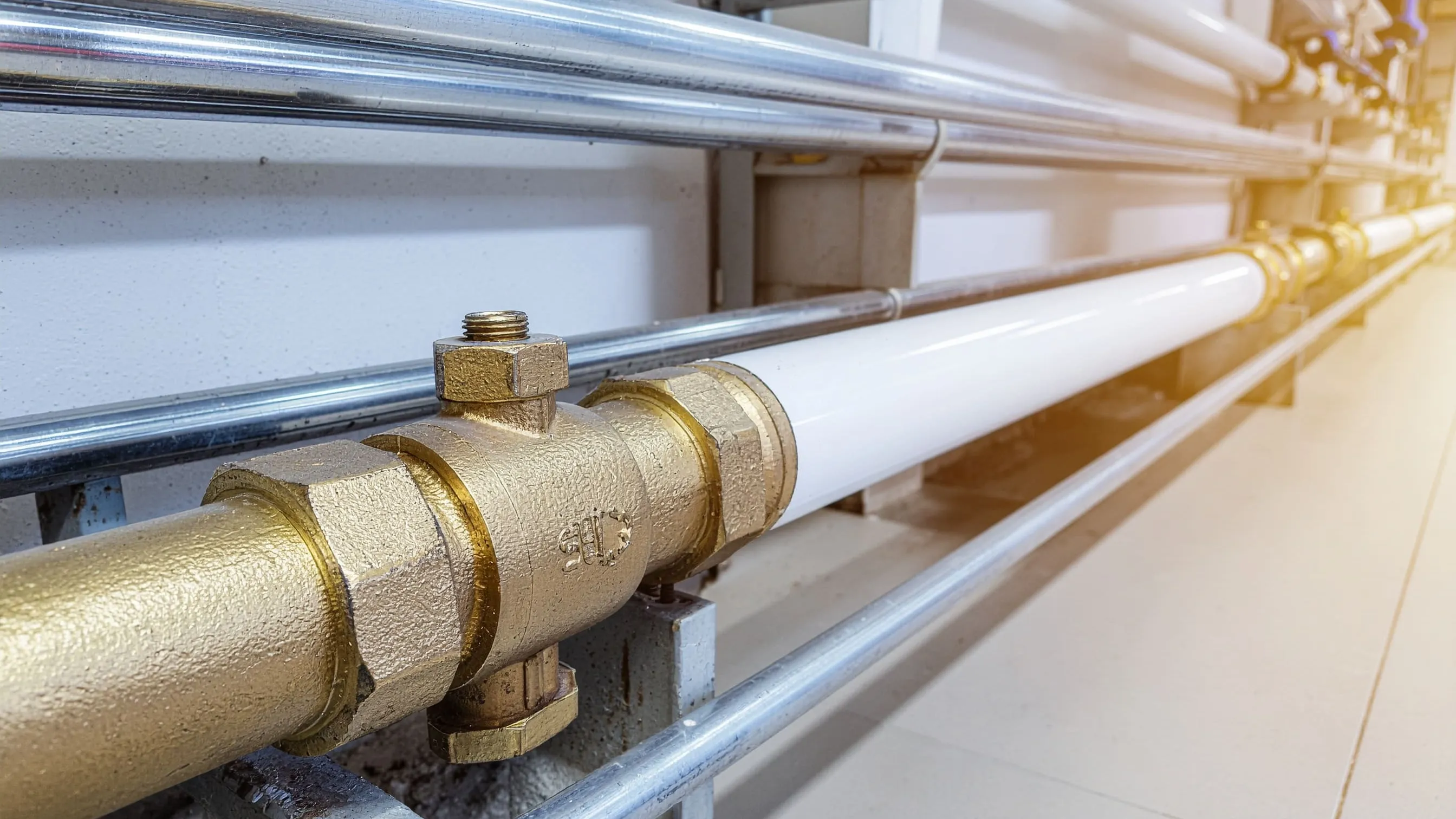
Commercial hot water systems endure punishing operational loads every single day. They provide thousands of litres of water for hotels, hospitals, and busy industrial facilities continuously. Because they operate flawlessly in the background, facility managers frequently forget about them entirely. However, treating these massive mechanical engines with an "out of sight, out of mind" attitude is incredibly dangerous.
Ignoring proper commercial water heater maintenance guarantees premature equipment failure and severe operational disruption. A broken commercial system cannot be fixed with a quick plumbing visit. It often requires heavy lifting equipment, specialised parts, and days of complete facility shutdown. Implementing a strict, highly documented inspection schedule protects your massive capital investment completely. It also guarantees that your property remains legally compliant with strict UK health and safety regulations.
The High Cost of Ignoring Routine Maintenance
Many property operators unfortunately adopt a reactive run-to-failure mentality to save money on servicing. This false economy destroys commercial heating budgets completely. A minor weeping joint might cost fifty pounds to tighten during a scheduled maintenance visit. If ignored, that same joint will eventually fail under high pressure at two in the morning. This causes a catastrophic internal flood that ruins the entire plant room.
Emergency weekend callouts for massive commercial boiler failures cost thousands of pounds instantly. Furthermore, running equipment without proper calibration forces it to operate highly inefficiently. A neglected system consumes vastly more gas and electricity just to meet the baseline building demand.
Regular maintenance protects the long-term lifespan of your expensive mechanical equipment flawlessly. Exploring the comprehensive Commercial Heating Supplies available ensures your technicians always have the correct parts ready. Sourcing premium spare parts proactively prevents long periods of frustrating operational downtime safely.
Daily and Weekly Visual Inspections
The most effective maintenance strategy begins with a simple daily visual walkthrough. Facility managers should visit the commercial plant room every single morning. You do not need to be a qualified mechanical engineer to spot an obvious physical problem. Look closely at the floor beneath the heavy storage cylinders for any fresh puddles or weeping moisture.
Listen to the ambient sound of the plant room carefully. You will quickly learn what normal mechanical operation sounds like. If a circulation pump suddenly starts grinding or squealing loudly, you can report the fault immediately. Early intervention stops minor mechanical wear from destroying the entire unit completely.
You must also check the digital control panels for any abnormal error codes. Modern Grundfos Commercial Pumps feature highly intelligent digital displays that warn operators about flow restrictions instantly. Verifying that all external ventilation grilles remain completely unblocked ensures your gas burners receive sufficient combustion air safely.
Managing Hard Water and Thermal Descaling Procedures
Every commercial hot water generator faces severe physical degradation from hard water limescale. When you heat domestic water beyond 60°C, dissolved calcium and magnesium precipitate out as solid rock. This process happens incredibly rapidly in busy commercial environments. This rock adheres directly to the hottest internal metallic surfaces, creating a heavily insulated, highly destructive thermal barrier.
This insulation forces the burner to work substantially harder to heat the water. Over time, the intense trapped heat will literally fracture internal heat exchanger plates completely. You must schedule strict thermal descaling procedures to combat this exact physical threat safely.
Professional engineers isolate the heat exchanger and pump specialized acidic chemicals through the internal channels. These powerful thermal descaling procedures dissolve the rock safely without damaging the underlying stainless steel. Relying on heavy-duty Wilo Circulation Pumps ensures the primary heating fluid keeps moving quickly to prevent localised hot spots from accelerating scale growth.
Inspecting Sacrificial Magnesium Anodes
Traditional glass-lined commercial storage cylinders feature a highly specific internal protection mechanism. Manufacturers install heavy sacrificial magnesium anodes directly into the steel tank. These rods rely on the exact science of galvanic corrosion to protect your expensive equipment. Water naturally wants to rust and consume the steel walls of your storage cylinder.
Think of sacrificial magnesium anodes exactly like a lightning rod for rust. Because magnesium is a softer, highly reactive metal, the aggressive water attacks the rod instead of the steel tank walls. The rod slowly sacrifices its own physical mass to keep the cylinder completely safe and rust-free.
However, once the rod dissolves completely, the aggressive water attacks the steel tank instantly. You must physically remove and inspect these sacrificial magnesium anodes every twelve months. Premium Andrews Storage Heaters require this exact annual inspection to maintain their extensive manufacturer warranties securely.
Testing Temperature and Pressure Relief Valves
Unvented commercial cylinders operate under immense internal hydraulic pressure. If the main control thermostat fails, the burner could continuously heat the water until it boils. Boiling water inside a sealed steel vessel expands violently and creates a highly lethal bomb. Temperature and pressure relief valves prevent this catastrophic scenario entirely.
These critical brass safety devices open automatically to dump boiling water safely down a designated discharge pipe. British Standard BS 853 strictly mandates the legal presence and regular testing of these vital safety valves. Facility managers must manually exercise these valves quarterly to ensure the internal spring mechanism has not seized solid.
A local school recently failed a health and safety audit because their safety valves were completely calcified. The valves could not be opened manually, presenting a massive explosion risk. Upgrading your safety components using parts from a trusted Valve Component Range guarantees absolute legal compliance and protects your building occupants perfectly.
Executing Burner Combustion Analysis
Direct-fired commercial water heaters require highly specific gas safety interventions annually. You cannot simply assume a gas burner is combusting safely without strict electronic verification. Gas Safe registered engineers must execute a comprehensive burner combustion analysis using calibrated flue gas testing equipment.
This deep diagnostic test measures the exact chemical makeup of the exhaust gases safely. It identifies dangerous carbon monoxide production instantly before it poisons the building. If the burner lacks sufficient oxygen, it burns incredibly dirty and produces lethal volumes of carbon monoxide gas.
Executing regular burner combustion analysis also allows the engineer to adjust the gas-to-air ratio precisely. This mechanical tuning ensures the burner operates at its absolute maximum seasonal efficiency. Sourcing genuine Remeha Boiler Parts guarantees your commercial combustion equipment receives the exact high-quality components required for flawless performance.
Checking Primary Circulation Pump Performance
Indirect commercial systems rely entirely on primary circulation pumps to move heat from the boiler to the cylinder. If these heavy mechanical pumps fail, the entire hot water generation process stalls completely. Your commercial water heater maintenance routine must evaluate these specific pumps thoroughly.
Engineers must identify the acoustic signs of severe internal bearing wear early. They must also verify the exact electrical current draw against the original commissioning data. If the pump draws excessive electricity, the internal impeller is likely jammed with debris or heavy sludge.
Engineers use ultrasonic flow meters to verify that the pump moves the correct volume of water. This prevents hidden internal cavitation from destroying the brass impeller blades over time. Specifying robust DAB System Pumps provides the immense mechanical reliability required for these vital, continuous commercial heating loops safely.
Conclusion: Structuring a Professional Maintenance Schedule
Proper commercial water heater maintenance represents the absolute difference between decades of reliable performance and sudden catastrophic failure. You must abandon the dangerous run-to-failure mentality completely. Implementing daily visual checks empowers your facility staff to catch minor weeping joints before they escalate into massive floods.
You must schedule professional interventions to manage severe hard water scaling strictly. Replacing depleted anodes, testing temperature and pressure relief valves, and executing strict gas safety interventions guarantees your system remains highly efficient. These strict physical interventions protect your massive capital investment completely.
Maintaining a highly detailed, professional service log proves your absolute legal compliance during any health and safety inspection. If your system is overdue for inspection or you need a customized maintenance schedule, Request a Maintenance Assessment today. Our dedicated commercial engineering team will ensure your massive hot water plant operates flawlessly and safely.