

Common Boiler Room Accidents and How to Prevent Them
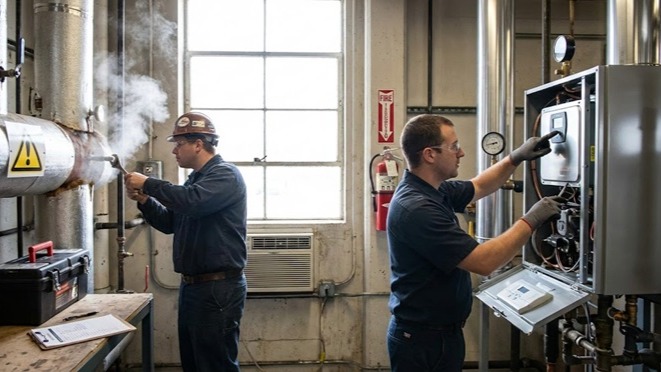
Commercial boiler rooms present numerous accident risks that can result in serious injuries, operational disruptions, and significant financial costs. Understanding common boiler accidents and implementing systematic prevention strategies protects personnel whilst maintaining reliable operations. Effective accident prevention requires identifying typical incident patterns, addressing root causes, and establishing comprehensive safety programmes that create inherently safer working environments.
Avoiding boiler accident scenarios demands more than reactive responses to problems after they occur. Proactive approaches examining why accidents happen, recognizing patterns in incident data, and implementing controls preventing recurrence prove far more effective. This comprehensive guide examines common boiler room accidents whilst providing practical prevention strategies applicable across commercial facilities.
Understanding Boiler Room Accident Statistics and Trends
Common Types of Accidents in Commercial Facilities
Burns and scalding injuries represent the most frequent serious accidents in boiler rooms. Contact with hot surfaces, steam releases, and hot water exposure cause injuries ranging from minor first-degree burns requiring minimal treatment through severe third-degree burns necessitating hospitalization and potentially resulting in permanent disability. The combination of high temperatures throughout boiler rooms and the dynamic nature of steam systems creates continuous burn hazards.
Falls and slips on wet or oily surfaces cause numerous injuries despite seeming mundane compared to dramatic incidents like explosions or pressure system failures. Condensation creates perpetually damp surfaces, water leaks accumulate creating puddles, and maintenance activities generate oil drips. These conditions combined with smooth concrete or tiled flooring create slip hazards throughout boiler rooms. Falls from elevated platforms or ladders during maintenance activities add height-related injury risks.
Chemical exposure incidents occur during water treatment system maintenance, chemical addition procedures, or spill responses. Water treatment chemicals including caustic alkalis, acids, and various proprietary compounds can cause chemical burns, respiratory irritation, or systemic toxicity depending on exposure routes and quantities. Inadequate personal protective equipment, procedural violations, or equipment failures contribute to chemical exposures.
Crushing injuries from moving equipment prove less frequent but potentially catastrophic when occurring. Pump impellers, fan blades, belt drives, and valve actuators all present crushing or entanglement hazards. Many accidents involve maintenance or inspection activities where equipment unexpectedly starts, proper lockout/tagout procedures weren't followed, or personnel accessed hazard areas without adequate guarding.
Respiratory issues from poor ventilation affect personnel through chronic exposures to combustion products, chemical vapours, or inadequate oxygen levels. Carbon monoxide from incomplete combustion, treatment chemical vapours during handling, and oxygen-depleted atmospheres in confined spaces all threaten respiratory health. Some effects prove immediately apparent whilst others develop gradually from repeated exposures.
Root Causes and Contributing Factors
Human error and inadequate training underlie majority of boiler accidents according to incident investigations. Personnel unfamiliar with proper procedures, lacking awareness of specific hazards, or inadequately supervised make mistakes causing accidents. Training deficiencies may involve incomplete initial training, inadequate refresher training, or failure to train on new equipment or procedural changes. Some organizations fail to verify training effectiveness through competency assessments.
Equipment failures and poor maintenance create hazardous conditions. Deferred maintenance allows equipment deterioration reaching failure points. Inadequate inspection intervals fail to detect developing problems before causing incidents. Some failures result from inherent design weaknesses, inadequate capacity for actual service conditions, or incompatibility with specific applications. Commercial boiler equipment requires proper maintenance preventing failure-related accidents.
Procedural violations and shortcuts frequently contribute to accidents. Time pressures encourage skipping safety steps perceived as slowing work. Normalized deviance develops when violations consistently occur without negative consequences, reinforcing inappropriate behaviours. Inadequate supervision fails to detect and correct violations. Some procedures prove impractical in actual working conditions, encouraging workarounds that introduce hazards.
Environmental factors including poor housekeeping, inadequate lighting, excessive noise, and extreme temperatures create conditions conducive to accidents. Cluttered work areas force personnel into awkward positions increasing injury risks. Poor lighting obscures hazards making recognition difficult. Noise interferes with communication and hazard awareness. Temperature extremes cause fatigue and distraction reducing attention to safety.
Management system weaknesses represent underlying organizational factors enabling accidents. Inadequate resource allocation for maintenance or training creates hazard conditions. Poorly defined responsibilities lead to confusion about safety accountabilities. Weak safety cultures prioritize production over protection. Investigation failures prevent learning from incidents. These systemic issues allow multiple direct causes to persist creating accident opportunities.
Industry Accident Data and Learning Opportunities
HSE statistics on boiler room incidents reveal patterns informing prevention priorities. Burns account for approximately 40% of serious boiler room injuries, with slips and trips representing another 25%. Chemical exposures, falls from height, and crushing injuries comprise most remaining incidents. Fatal accidents prove rare but typically involve pressure system failures, explosions, or asphyxiation in confined spaces. Understanding these patterns helps prioritize prevention efforts addressing most frequent and severe risks.
Financial costs of accidents extend beyond immediate medical treatment. Lost time from injuries disrupts operations requiring overtime or temporary replacements. Equipment damage from accidents necessitates expensive repairs. Investigation time consumes management and technical resources. Insurance premiums increase following claims. Legal costs from regulatory enforcement or liability claims add expenses. Some research suggests accident total costs exceed direct expenses by factors of 4-10 when all impacts are considered.
Lessons from incident investigations demonstrate that most accidents prove preventable through reasonably practicable measures. Recurring patterns across similar incidents suggest systemic issues rather than isolated random events. Effective lesson sharing across facilities and industries prevents others from experiencing similar accidents. Unfortunately, many organizations fail to learn from incidents, allowing recurrence of similar events that should have been prevented.
Thermal Burn and Scalding Accidents
Common Burn Scenarios
Contact with hot boiler surfaces causes frequent minor burns and occasional severe injuries. External boiler surfaces, particularly on older installations with inadequate insulation, reach temperatures causing immediate burns. Pipes carrying high-temperature water or steam present similar hazards. Some burns occur from brief accidental contact whilst others result from sustained contact during falls or entrapment. Maintenance activities requiring work near hot surfaces increase exposure frequency.
Steam releases during valve operations create scalding hazards. Opening drain valves too quickly releases steam violently, potentially directed toward operators. Leaking valve packing when loosening releases steam unpredictably. Sample point operations expose personnel to hot water and steam. Some accidents involve personnel unfamiliar with systems inadvertently operating valves releasing steam or hot water.
Hot water splashes during blowdown procedures scald operators. Blowdown operations release water at near-boiling temperatures under pressure. Inadequate hose connections, deteriorated hoses, or excessive opening rates cause splashing or hose separation. Some facilities lack proper shields or deflectors directing blowdown away from operators.
Flange leaks and gasket failures release steam or hot water with little warning. Thermal cycling, improper installation, or gasket deterioration causes leaks. Sudden gasket failures from excessive pressure or temperature spikes release substantial quantities of steam or water. Personnel working nearby suffer burns before they can react or retreat.
Prevention Strategies for Thermal Injuries
Proper insulation of hot surfaces eliminates many contact burn hazards. Complete insulation coverage on pipes, vessels, and fittings reduces surface temperatures to safe levels. Regular inspection identifies missing or damaged insulation requiring repair. Modern insulation materials provide effective protection whilst minimizing heat loss.
Clear hazard marking and signage warns personnel of burn hazards where insulation proves impractical. High-visibility yellow and black striping identifies hot surface areas. Warning signs specifying exact hazards and required precautions alert personnel. Marking should be maintained visible despite boiler room conditions that might degrade conventional signage.
Personal protective equipment requirements include heat-resistant gloves, long sleeves, face shields for high-risk tasks, and proper footwear protecting feet from spills. PPE proves essential where engineering controls cannot eliminate hazards completely. Training must emphasize PPE limitations - protection proves time-limited at extreme temperatures and PPE should supplement rather than replace other controls.
Safe work procedures for high-temperature tasks specify required precautions. Procedures should require cooling systems to safe temperatures before work when possible, mandate standby personnel for emergency assistance, establish communication protocols, and prohibit solo work on high-hazard tasks. Procedures must be practical and consistently enforced avoiding normalized violations.
Slip, Trip, and Fall Accidents
Hazards Creating Fall Risks
Water accumulation from leaks and condensation creates slip hazards throughout boiler rooms. High humidity environments generate continuous condensation on cool surfaces. Pump seal leaks, valve packing leaks, and blowdown operations add water to floors. Some facilities lack adequate drainage allowing water accumulation in low areas. Smooth concrete or tiled flooring becomes extremely slippery when wet.
Oil and chemical spills create particularly hazardous slip conditions. Small oil leaks from pumps or connections spread widely as personnel walk through them. Spilled chemicals reduce friction whilst creating additional exposure hazards. Some facilities inadequately clean spills allowing gradual accumulation creating increasingly hazardous conditions.
Uneven surfaces and poor lighting combine creating trip hazards. Threshold variations between rooms, damaged flooring, protruding anchor bolts, and temporary cables across walkways all cause trips. Inadequate lighting makes hazards difficult to see, particularly for aging workers with declining vision. Shadows from equipment or inadequate emergency lighting during power failures significantly increase trip risks.
Cluttered walkways from improper storage or temporary equipment placement force personnel into awkward routes potentially encountering hazards. Some facilities allow gradual accumulation of unused materials without systematic removal. Temporary equipment for maintenance projects blocks normal paths requiring detours.
Effective Fall Prevention Measures
Housekeeping programmes establishing clear responsibilities and schedules maintain clean working environments. Daily assignments ensure regular attention to spill cleanup, water removal, and clutter elimination. Weekly deep cleaning addresses areas receiving less daily attention. Waste removal procedures prevent accumulation. Management inspection verifies programme effectiveness.
Slip-resistant flooring and coatings dramatically reduce slip incidents. Textured concrete finishes, slip-resistant tiles, or applied coatings provide improved traction. Coating selection should consider chemical resistance, ease of cleaning, and durability. Some organizations apply high-visibility coatings to walkways clearly delineating safe paths.
Proper drainage and leak repairs address water accumulation sources. Floor drains positioned in low areas prevent pooling. Slight floor slopes direct water toward drains. Systematic leak identification and repair programmes reduce water sources. Some facilities install collection systems under prone leak points preventing floor contamination.
Adequate lighting throughout facilities enables hazard recognition. Illumination standards specify minimum light levels for different activities. Regular bulb replacement maintains adequate light levels. Emergency lighting automatically activates during power failures enabling safe evacuation. Task lighting supplements general lighting for detailed work.
Chemical Exposure and Handling Accidents
Common Chemical Accident Scenarios
Spills during chemical transfers represent frequent chemical incident scenarios. Overfilling storage tanks, hose connections separating during transfers, valve failures, and container tip-overs all cause spills. Pump failures during chemical transfer operations release contents. Some accidents involve multiple people exposed during spill cleanup when adequate PPE isn't used.
Mixing incompatible chemicals generates dangerous reactions. Acids mixed with certain treatment chemicals produce toxic gases or violent reactions. Even compatible chemicals mixed in wrong proportions create hazardous conditions. Some accidents result from containers being refilled with incompatible chemicals without adequate cleaning leaving residuals.
Inadequate ventilation during handling allows vapour accumulation reaching hazardous concentrations. Mixing operations, transfer operations generating vapours, and chemical additions to open systems all release vapours. Natural ventilation often proves inadequate in confined spaces or poorly ventilated areas. Personnel exposure symptoms range from respiratory irritation through unconsciousness depending on chemicals and concentrations.
Container failures from corrosion, physical damage, or improper materials cause unexpected chemical releases. Plastic containers degrade from UV exposure or incompatible contents. Metal containers corrode from chemical attack or environmental moisture. Damaged containers from improper handling fail under contents weight. Secondary containment prevents environmental contamination but personnel near failures still risk exposure.
Safe Chemical Handling Practices
COSHH assessments identify hazards and establish appropriate control measures for each chemical used. Assessments should evaluate exposure routes (inhalation, skin contact, ingestion), determine exposure scenarios, identify control measures following hierarchy (elimination, substitution, engineering, administrative, PPE), and specify monitoring requirements. Regular reassessments address changed conditions or new information.
Proper personal protective equipment provides final protection layer. Chemical-resistant gloves appropriate for specific chemicals protect hands. Aprons prevent body contamination. Face shields protect face and eyes during high-splash tasks. Respirators become necessary when ventilation proves inadequate or during spill responses. PPE must be properly maintained and stored preventing deterioration.
Secondary containment requirements prevent environmental contamination and reduce spill spread. Bunding around storage tanks contains leaks, spill pallets under containers collect drips and small spills, and drip pans under dosing points capture normal operational releases. Containment volumes should accommodate potential spill quantities without overflow. Water treatment systems benefit from comprehensive secondary containment.
Clear labeling and SDS access ensures personnel understand chemical hazards. Labels should identify chemical contents, specify major hazards, provide basic handling precautions, and remain legible despite boiler room conditions. SDS binders must be readily accessible, contain current sheets for all chemicals used, and be known to all personnel. Emergency telephone numbers should be clearly posted.
Mechanical and Equipment-Related Accidents
Crushing and Caught-In Hazards
Moving pump components including impellers, shafts, and couplings create entanglement and crushing hazards. Rotating equipment must be properly guarded preventing access during operation. Guards should be interlocked preventing removal whilst power remains connected. Some accidents involve maintenance personnel bypassing interlocks or removing guards without proper lockout/tagout.
Valve operations present handle strike hazards and caught-between risks. Large valves require significant force for operation. If handles slip or operators lose grip, spinning handles strike personnel. Butterfly valve handles sweep wide arcs potentially catching personnel between handles and nearby equipment. Some organizations install valve operators eliminating manual operation hazards.
Lockout/Tagout Failure Incidents
Inadequate energy isolation represents a leading cause of maintenance-related boiler accidents. Equipment starting unexpectedly during maintenance causes crushing injuries, burns from sudden steam or hot water releases, and electrocution from energized circuits. Lockout/tagout procedures must identify all energy sources (electrical, steam, hot water, compressed air, stored energy), specify isolation methods, require lock application preventing re-energization, mandate verification before work, and establish clear removal procedures.
Pressure System Accidents
Causes of Pressure-Related Incidents
Overpressure conditions from control failures, operator errors, or inadequate pressure relief capacity stress vessels beyond design limits. Pressure rises from excessive firing, feedwater pump failures creating excessive flow, or external heating sources. Safety valves must be properly sized, regularly tested, and never blocked or isolated. Modern controls should include redundant pressure limits and automatic shutdown capabilities.
Corrosion weakening vessel walls reduces pressure capacity potentially leading to failures. External corrosion from moisture exposure, internal corrosion from water chemistry problems, and stress corrosion cracking all degrade pressure boundaries. Regular thickness testing in corrosion-prone areas identifies thinning requiring attention before reaching dangerous levels. Pressure vessels demand rigorous inspection preventing corrosion-related failures.
Implementing Comprehensive Accident Prevention
Conducting Thorough Hazard Assessments
Systematic hazard identification examines all boiler room activities, equipment, and conditions. Walk-through inspections, job safety analyses, review of incident histories, and personnel consultations all contribute to comprehensive identification. Assessments should address both routine operations and infrequent maintenance activities. Regular reassessments identify new hazards from equipment changes, procedural modifications, or emerging hazards.
Control measure selection follows established hierarchies prioritizing elimination, substitution, engineering controls, administrative controls, and finally PPE. Engineering controls like guarding, ventilation, and insulation prove most reliable. Administrative controls including procedures and training depend on human compliance. PPE provides final protection but shouldn't substitute superior controls when feasible.
Creating Effective Safety Procedures
Clear procedure writing uses simple language, short sentences, and active voice. Procedures should specify exactly what personnel must do, required equipment or tools, safety precautions, and step sequence. Visual aids including photographs and diagrams supplement text particularly for complex tasks or where language barriers exist. Multiple language versions may be necessary in diverse workforces.
Regular procedure reviews ensure currency as conditions change. Reviews should occur following incidents revealing procedural inadequacies, when equipment or methods change, when regulations update, or on regular schedules (typically annually). National Pumps and Boilers emphasizes procedure quality in comprehensive safety programmes.
Building Strong Safety Culture
Leadership commitment demonstrated through visible engagement, resource allocation, and consistent prioritization proves essential for strong safety cultures. Leaders must participate in safety activities, respond seriously to safety concerns, recognize safe behaviours, and hold personnel accountable for violations. Safety must be non-negotiable value rather than competing priority.
Employee empowerment and involvement builds ownership of safety programmes. Personnel should participate in hazard identification, procedure development, incident investigations, and improvement initiatives. Frontline workers often possess insights unavailable to management. Organizations that genuinely listen and respond to personnel input build stronger safety engagement.
Monitoring and Measuring Prevention Effectiveness
Accident Investigation and Learning
Thorough investigation processes identify root causes enabling effective corrective actions. Investigations should gather evidence promptly, interview all involved personnel and witnesses, analyze multiple contributing factors, use structured methodologies (5-why, fishbone diagrams, fault tree analysis), and recommend specific preventive actions. Shallow investigations blaming "operator error" without examining underlying systems miss opportunities for meaningful improvement.
Lesson sharing across organizations and industries prevents others from experiencing similar accidents. Industry associations, regulatory agencies, and safety organizations distribute incident summaries and lessons learned. Organizations should actively seek external information, adapt lessons to their specific circumstances, and share their own experiences contributing to collective industry knowledge.
For expert guidance on avoiding boiler accident scenarios through comprehensive prevention programmes, hazard assessments, and safety system implementation, contact us at National Pumps and Boilers. Our experienced team can assess your facilities, identify accident risks, and provide solutions creating inherently safer boiler room operations protecting your personnel whilst ensuring reliable heating system performance.