

Common Condensate Pump Problems and Warning Signs
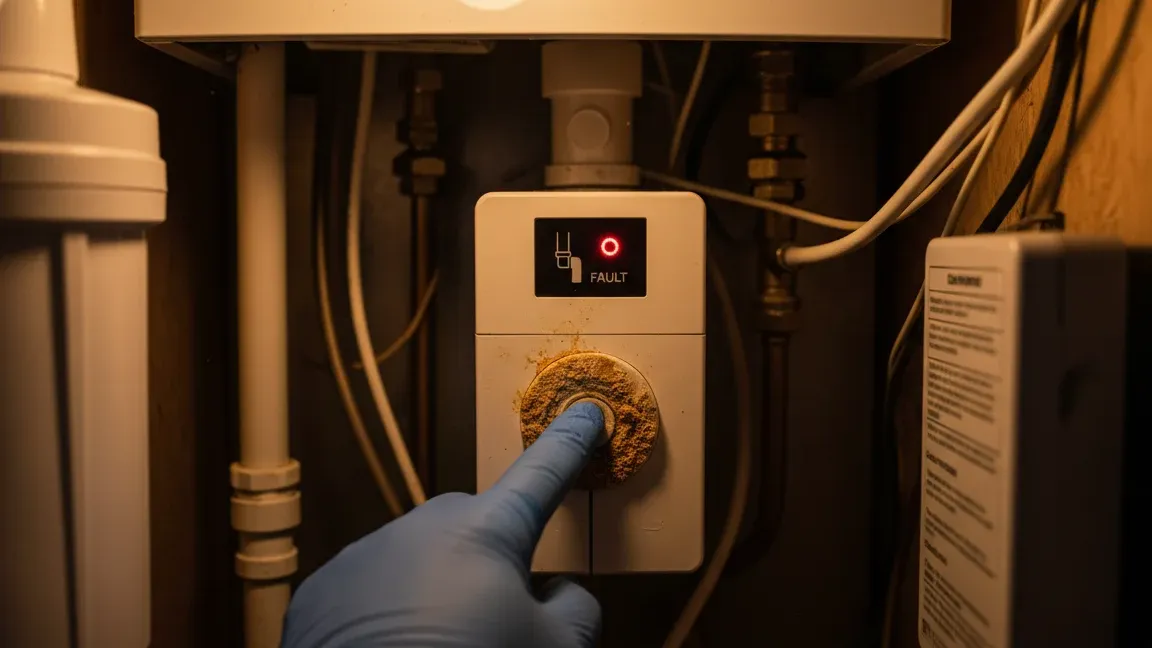
Condensate pumps perform essential work in heating and cooling systems, removing water produced during normal operation. When these compact units fail, the consequences range from minor inconvenience to significant water damage affecting ceilings, flooring, and valuable equipment. Recognising the warning signs of condensate pump problems allows property owners to address issues before they escalate into costly repairs or system failures.
Modern heating and cooling systems generate substantial amounts of water through condensation. In cooling mode, warm air passing over cold evaporator coils produces moisture that drips into collection pans. Boilers and high-efficiency furnaces also create condensate as combustion byproducts cool within heat exchangers. Without proper removal, this water accumulates, potentially damaging equipment, ceilings, walls, and flooring throughout the property.
The condensate pump serves as the critical link between water production and safe disposal, typically pumping collected water to nearby drains or external discharge points where it can be safely managed.
What Condensate Pumps Do and Why They Fail
The Role of Condensate Pumps in HVAC Systems
Condensate pumps tackle a straightforward but critical task: moving water from where it collects to where it can drain safely. The typical unit comprises a reservoir that collects dripping condensate, a float switch that activates when water reaches a certain level, a small pump motor, and discharge tubing that carries water away. Most residential units handle 1-3 litres per hour during peak operation, though commercial systems may process significantly more.
Installation locations vary based on system configuration and building layout. Condensate pumps typically sit near the air handler, furnace, or boiler - wherever condensation forms and collection occurs. In basements, they often pump water up to ground-level drains. In loft installations, they may pump horizontally to nearby waste pipes. The discharge line usually measures 10-15mm in diameter, running to the nearest suitable drainage point.
During normal operation, occupants hear the pump activate intermittently as the reservoir fills with collected condensate. A brief humming or buzzing sound lasting 10-30 seconds indicates the pump has engaged, followed by silence as it shuts off once emptying completes. This cycling pattern repeats based on how quickly condensate accumulates, which varies with outdoor temperature, humidity levels, and system runtime.
Common Causes of Condensate Pump Failure
Condensate pump problems typically stem from several predictable causes that can be prevented through proper maintenance and attention. Neglected maintenance tops the list of failure causes. Without regular cleaning, algae grows in stagnant water, slime accumulates on components, and mineral deposits build up from hard water. This biological and mineral matter clogs intake screens, jams float switches, and restricts discharge lines.
Mechanical wear affects all moving parts eventually as pumps age. Float switches develop sticking points or break after thousands of activation cycles. Impellers wear down, reducing pumping efficiency over time. Motor bearings deteriorate, especially in units that run frequently. Check valves - small one-way valves preventing backflow - fail mechanically or become stuck in position.
Electrical issues account for many failures that stop pumps operating entirely. Power supply interruptions, tripped breakers, or blown fuses prevent pump operation. Internal motor windings fail from overheating, often caused by running dry when water levels drop too low or the pump becomes blocked. Loose electrical connections create intermittent operation that proves difficult to diagnose without systematic testing.
Installation errors create problems that may not surface immediately but lead to premature failure. Discharge lines installed with inadequate slope allow water to drain back, forcing the pump to work harder than designed. Lines that are too long or have too many bends exceed the pump's capacity. Pumps installed at incorrect angles prevent proper float operation.
Early Warning Signs Your Condensate Pump Is Struggling
Unusual Noises and Sounds
Sound changes provide the earliest indication of developing condensate pump problems before visible symptoms appear. Grinding noises suggest debris caught in the impeller or worn bearings scraping against housings. This metallic grinding differs markedly from the normal humming of pump operation, indicating mechanical problems requiring attention.
Continuous running without the normal on-off cycling signals that the pump cannot keep pace with water inflow, often because of reduced pumping efficiency from a worn impeller or partially clogged discharge line. Alternatively, a stuck float switch may fail to signal the pump to stop, causing it to run constantly even after emptying the reservoir completely.
Clicking sounds typically come from float switches attempting to activate but failing to complete the electrical connection properly. This intermittent clicking, sometimes accompanied by brief motor attempts, indicates float mechanism problems requiring cleaning or replacement. Loud humming without water movement suggests electrical current reaches the motor, but mechanical binding or a seized impeller prevents rotation.
National Pumps and Boilers recommends investigating any unusual pump sounds promptly rather than waiting for complete failure. Early intervention typically proves simpler and less expensive than emergency repairs during heating or cooling season when systems work hardest.
Visible Water and Moisture Issues
Water where it should not be provides unmistakable evidence of pump failure requiring immediate attention. Pooling around the pump base indicates overflow from a reservoir that fills faster than the pump can empty it. This overflow may result from complete pump failure, insufficient pumping capacity, or a blocked discharge line preventing water from leaving the system.
Check the condensate pan beneath air handlers or furnaces regularly during operation. Water sitting in this pan when the system runs suggests the pump has failed to remove it promptly. During system operation, the pan should remain relatively dry as the pump removes water continuously. A consistently wet or overflowing pan requires immediate attention to prevent water damage.
Moisture stains on ceilings below loft-mounted equipment or on walls near ground-floor units indicate water has escaped the collection system. These stains often appear gradually, starting as slight discolouration before darkening as water exposure continues. By the time stains become visible, significant water has already leaked, potentially damaging building materials and creating conditions for mould growth.
Examine the discharge line's termination point during pump operation. Water should flow freely when the pump operates, then stop cleanly once the reservoir empties. Continuous dripping between pump cycles suggests a faulty check valve allowing water to drain back. No water flow during pump operation indicates a blockage somewhere in the discharge path.
Performance and Operational Problems
Frequent cycling - the pump activating much more often than normal - indicates several possible issues requiring investigation. A partially clogged discharge line restricts flow, requiring more pump cycles to remove the same water volume. A failing check valve allows water to drain back into the reservoir, triggering repeated pump activation unnecessarily.
Pumps that run but move little or no water suffer from mechanical problems affecting pumping effectiveness. A worn or broken impeller spins without creating sufficient pressure to move water up discharge lines. Clogs in the intake area prevent water from reaching the impeller for pumping. A cracked or split discharge line allows water to leak out before reaching its destination.
Unusual vibrations during operation suggest loose mounting, unbalanced impellers, or worn bearings requiring attention. While some vibration is normal during pump operation, excessive shaking indicates mechanical problems that worsen without intervention. Vibrations can loosen connections, crack plastic components, and accelerate wear on all moving parts.
Specific Condensate Pump Problems and Solutions
Float Switch Malfunctions
Float switches control when pumps activate and deactivate based on water level in the collection reservoir. These simple mechanisms fail surprisingly often, primarily from mineral buildup, algae growth, or physical damage affecting their movement. A stuck float fails to rise with water level, preventing pump activation and allowing overflow. Conversely, a float stuck in the up position causes continuous running, potentially burning out the motor when the reservoir empties.
Cleaning resolves most float switch issues without requiring replacement. Remove the pump cover and lift out the float assembly carefully. Wash thoroughly with warm water and mild detergent, removing any slime, algae, or mineral deposits coating surfaces. Check that the float moves freely on its rod or pivot without binding at any point. Mineral deposits may require vinegar soaking to dissolve completely.
Misaligned floats prevent proper operation even when clean and free-moving. The float must rise and fall in a straight path without rubbing against reservoir walls or other components. Bent rods or pivots require straightening or replacement. Some designs use tethered floats that can become tangled, requiring careful repositioning to restore proper operation.
Physical damage - cracks in the float body, broken pivot points, or damaged electrical contacts - necessitates replacement rather than repair. Replacement float switches prove available for most pump models, often as complete assemblies that install in minutes. When replacing, ensure the new switch matches the original's specifications for activation and deactivation levels.
Clogged Discharge Lines and Filters
Discharge line clogs rank among the most common condensate pump problems, yet they prove among the easiest to prevent through regular maintenance. Algae thrives in the dark, moist environment of discharge tubing, gradually building up until flow becomes restricted or blocked entirely. The problem intensifies in summer when warm temperatures accelerate algae growth.
Clear blockages by disconnecting the discharge line and flushing with a mixture of water and white vinegar or a purpose-made condensate line cleaner. For stubborn clogs, a small bottle brush or plumber's snake sized for the tubing diameter works effectively. Flush thoroughly with clean water after clearing to remove all debris and cleaning solution residue.
Mineral deposits from hard water create similar restrictions over time. These calcium and magnesium buildups appear as white or grey crusty formations inside tubing that narrow the available flow path. Vinegar dissolves light deposits, but severe buildup may require replacing the affected section of discharge line entirely. Installing an inline filter where the line connects to the pump prevents larger debris from entering.
Frozen discharge lines affect systems with external termination points during cold weather. When temperatures drop below freezing, water remaining in the line freezes, creating a solid ice plug that prevents drainage completely. Insulating exposed portions of discharge line prevents most freezing issues. For lines that must run through unheated spaces, trace heating cable provides reliable freeze protection throughout winter.
Motor and Impeller Issues
The pump motor and impeller form the heart of the system, converting electrical energy into water movement. Impeller wear occurs gradually as the plastic or rubber component spins against water and any debris that enters the system. Worn impellers show rounded edges instead of sharp blades, reducing their ability to move water efficiently. Visible cracks, chips, or missing blade sections indicate replacement necessity.
Seized motors result from several causes requiring different responses. Extended periods without operation allow internal components to corrode or bind together. Debris entering the motor housing jams the impeller shaft preventing rotation. Overheating from continuous operation or running dry damages motor windings and bearings permanently. A seized motor typically hums when power is applied but fails to rotate.
Bearing wear announces itself through grinding noises and excessive vibration during operation. As bearings deteriorate, the impeller shaft develops play, causing wobbling and uneven operation. This wear accelerates rapidly once started, making early replacement advisable before complete failure occurs. Grundfos pumps and other quality manufacturers use sealed bearings designed for extended service life in condensate applications.
Electrical failures within motor windings present as complete non-operation, intermittent function, or burning smells indicating serious problems. Testing with a multimeter reveals whether the motor receives proper voltage and whether windings show correct resistance values. Motors with burnt windings or short circuits require replacement rather than repair.
Check Valve Problems
Check valves prevent water from draining back into the pump reservoir after the pump stops operating. These small one-way valves install in the discharge line, typically near the pump outlet. A properly functioning check valve allows water to flow out but blocks reverse flow, maintaining water in the discharge line and preventing the pump from working harder than necessary.
Stuck check valves fail in two modes causing different symptoms. A valve stuck open allows water to drain back, causing frequent pump cycling and potential overflow if backflow exceeds pump capacity. A valve stuck closed blocks all water flow, causing the pump to run continuously while water overflows the reservoir. Both situations require valve replacement to restore proper operation.
Check valve problems often stem from debris or mineral buildup preventing the valve flapper or ball from seating properly against its seal. Some designs allow disassembly for cleaning, but many are sealed units requiring complete replacement when problems develop. When replacing, ensure correct orientation - check valves must be installed with flow direction matching the arrow marked on the valve body.
Installation orientation errors cause check valve failure even in new components. A valve installed backwards blocks all flow completely, while one installed sideways may not operate reliably under varying conditions. Proper vertical installation with flow moving upward provides optimal performance for most valve designs.
Preventive Maintenance to Avoid Common Problems
Regular Cleaning Schedule
Establishing a maintenance routine prevents most condensate pump problems before they cause system failures or property damage. Residential systems benefit from quarterly cleaning - at minimum before cooling season begins, mid-summer during peak operation, before heating season, and mid-winter. Commercial installations with higher water volumes require monthly attention to maintain reliable operation.
The cleaning process takes 15-30 minutes and requires no special tools. Switch off power to the unit at the breaker for safety. Remove the pump cover and lift out the reservoir if the design permits. Pour out any standing water and scrub the reservoir interior with a brush and mild detergent or white vinegar solution. This removes algae, slime, and mineral deposits that cause problems.
Clean the float mechanism thoroughly, ensuring free movement through its full range of travel. Inspect the intake screen and remove any debris that could restrict water flow into the pump. Central heating maintenance schedules should explicitly include condensate pump inspection alongside other system components.
Flush the discharge line by pouring water mixed with vinegar through it from the pump end. This dissolves buildup and confirms the line flows freely to its termination point. For lines with significant algae growth, commercial condensate line cleaners work more effectively than household vinegar. After cleaning all components, reassemble the pump, restore power, and test operation by pouring water into the reservoir to trigger the float switch.
Seasonal Preparation
Pre-cooling season preparation prevents summer failures when systems work hardest and produce maximum condensate. Inspect the pump thoroughly after months of heating-season operation or inactivity. Clean all components as described above, test operation, and verify the discharge line remains clear and unobstructed. Check electrical connections for corrosion or looseness that could cause intermittent operation.
Heating season preparation focuses on condensing boilers and high-efficiency furnaces that produce condensate year-round. Verify the pump operated reliably through the previous heating season without problems. Address any issues before cold weather arrives and system reliability becomes critical for comfort and safety.
Properties that sit vacant seasonally require special attention to prevent problems during unoccupied periods. Before shutting down, clean the pump thoroughly and consider removing standing water to prevent algae growth during the idle period. Some owners disconnect and drain pumps completely for extended absences. Expansion vessels and other system components should receive similar seasonal attention.
Restart procedures after extended shutdowns prevent damage from seized components that have sat idle. Pour water into the reservoir while the pump remains unpowered, allowing the float to move freely and confirming no blockages exist. Restore power and verify the pump activates at the correct level and moves water effectively before relying on the system.
Professional Inspection Points
Annual professional assessment provides expert evaluation beyond routine owner maintenance capabilities. Wilo and other quality pump manufacturers recommend professional inspection to verify continued reliable operation and identify developing problems before failure occurs.
Electrical connection testing confirms proper voltage reaches the pump and all connections remain secure without corrosion. Motor performance evaluation identifies developing bearing wear, winding problems, or efficiency degradation that owner inspection might miss. System capacity verification confirms the pump still matches system requirements, particularly if HVAC equipment has been upgraded or modified.
Professional technicians identify when replacement outweighs repair costs for aging pumps approaching end of service life. A pump requiring frequent repairs or showing multiple symptoms may cost less to replace entirely than to continue repairing. Lowara and other manufacturers offer replacement pumps with improved features and reliability compared to older models.
When to Call a Professional
DIY Fixes Versus Professional Help
Simple cleaning tasks suit competent homeowners comfortable working with basic mechanical systems. Reservoir cleaning, float mechanism maintenance, and discharge line flushing require no special skills or tools beyond basic household items. These maintenance tasks prevent most common problems when performed regularly according to recommended schedules.
Electrical issues require professional attention due to safety concerns and the expertise needed for proper diagnosis. Motor replacement, wiring repairs, and control system integration exceed typical DIY capabilities and may create safety hazards if performed incorrectly. DHW pumps and other heating system components should similarly be serviced by qualified professionals.
Warranty considerations may affect the decision between DIY maintenance and professional service. Some manufacturers require professional installation and servicing to maintain warranty coverage. Check documentation before attempting repairs that could void protection against defects or premature failure.
Emergency Situations Requiring Immediate Attention
Active water leaking from pump overflow constitutes an emergency requiring immediate response to prevent property damage. Turn off the HVAC system to stop condensate production, then address the pump problem or call for emergency service. Placing towels or containers to catch overflow provides temporary protection while arranging repairs.
Complete system shutdown during extreme weather creates urgent situations where heating or cooling failure poses health risks or property damage concerns. Emergency HVAC service may be necessary when pump failure prevents safe system operation during temperature extremes.
Electrical burning smells from condensate pumps indicate potential fire hazards requiring immediate attention. Turn off power to the pump at the breaker and do not attempt to operate until a qualified technician inspects the unit and either repairs or replaces it safely.
Choosing the Right Replacement Condensate Pump
Capacity and Sizing Considerations
Calculating required pump capacity ensures replacements handle system demands effectively. Measure or estimate condensate production rate based on HVAC equipment specifications - typically 2-4 litres per hour for domestic systems. Select pumps rated for at least 150% of this production to provide adequate margin for peak demand periods.
Vertical lift requirements determine pump power needs based on installation configuration. Measure the height from pump location to discharge termination, adding equivalent lift for horizontal runs. DAB pumps and other quality manufacturers provide detailed specifications enabling accurate pump selection for any installation.
Reservoir size selection balances cycling frequency against available space. Larger reservoirs reduce pump activation frequency, extending motor life and reducing noise disturbance. Smaller reservoirs fit tight spaces but cycle more frequently, potentially shortening service life through increased wear.
Quality and Reliability Factors
Brand reputation and reliability records guide selection toward pumps proven in similar applications. Established manufacturers with strong service networks provide confidence in product quality and parts availability for future maintenance needs.
Warranty coverage importance increases with pump cost and installation complexity. Quality pumps typically carry 2-3 year warranties covering defects and premature failure. Extended warranties may be available for premium products, providing additional protection for critical installations.
Energy efficiency considerations affect operating costs over the pump's service life, though consumption remains modest for most condensate pumps. Variable-speed pumps adjust output to match actual demand, reducing energy consumption compared to fixed-speed alternatives that run at full power regardless of conditions.
For expert guidance on condensate pump selection, troubleshooting, and replacement, Contact Us to discuss specific requirements and receive professional recommendations tailored to individual installations.