

Common DHW Circulation Pump Problems and How to Diagnose Them
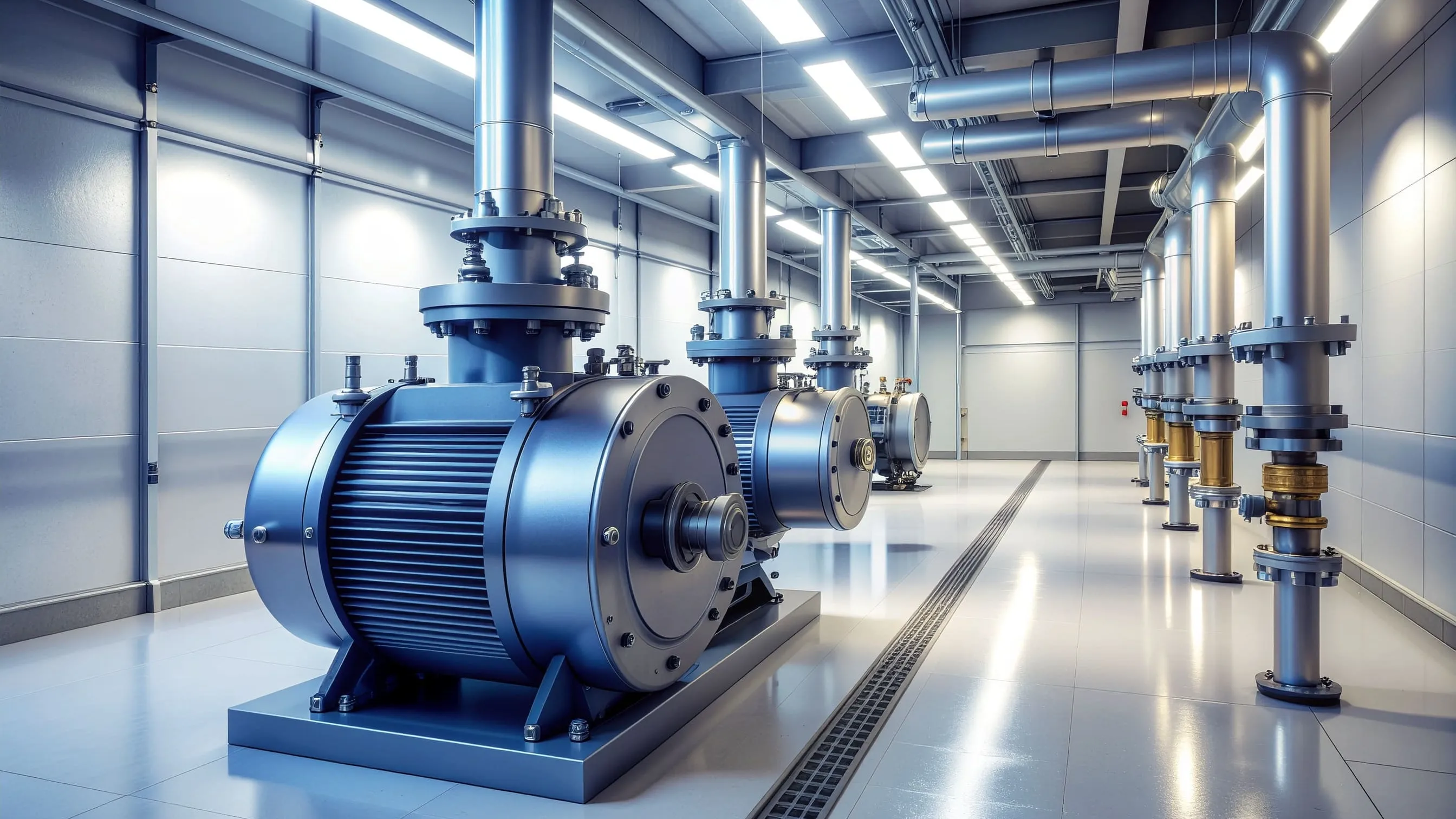
Domestic hot water circulation systems rely on properly functioning pumps to maintain consistent hot water availability throughout buildings. When these pump problems occur, they create immediate comfort issues for occupants and significantly increase energy costs through heat loss. Understanding how to diagnose these faults quickly enables heating engineers to restore service with minimal disruption.
Identifying hot water faults accurately requires a systematic approach that distinguishes between pump mechanical failure, hydraulic issues, and control system problems. Each category presents distinct symptoms that point toward specific remedies. The sections below address the most common failure modes, their diagnostic indicators, and the most effective resolution strategies.
No Hot Water at Taps
The most obvious symptom of DHW circulation pump problems manifests when occupants report no hot water reaching distant taps. This happens even when the remeha boiler or water heater is operating perfectly normally. This scenario typically indicates complete pump failure rather than partial degradation. The first diagnostic step involves checking whether the pump motor runs when power is supplied. Many pumps incorporate visual indicators or can be felt for vibration when operating.
If the motor's running but produces no circulation, the impeller may have seized or sheared from the shaft. This mechanical failure occurs more frequently in older installations or systems with poor water quality. Removing the pump head reveals whether the impeller rotates freely when the shaft is turned manually. Resistance or complete seizure indicates bearing failure or scale accumulation preventing rotation.
Electrical supply issues rank among the most frequently reported causes of pump failure. Testing voltage at the pump terminals confirms whether power reaches the unit. Tripped circuit breakers, blown fuses, or failed contactors in the control panel prevent pump operation even when the motor remains functional. Many modern pumps incorporate thermal overload protection that trips when motor temperature exceeds safe limits, requiring a manual reset after the unit cools.
Airlocks in the pump body create another common cause of hot water circulation faults. Air trapped in the volute prevents the impeller from moving water effectively. Most circulation pumps include bleed screws on the pump head that allow trapped air to escape when loosened slightly. This simple procedure resolves many apparent pump failures without component replacement.
Pump Running but No Circulation
A running pump that doesn't circulate water presents a more complex diagnostic challenge than complete failure. The motor operates and draws current, yet hot water fails to reach remote fixtures within expected timeframes. This scenario requires systematic investigation of both the pump itself and the broader system hydraulics.
Testing pressure differential across the pump provides immediate insight into its hydraulic performance. A functioning grundfos water pump should generate a measurable pressure increase between its inlet and outlet ports. Pressure gauges temporarily installed at these points reveal whether the pump develops its rated head. Zero or minimal pressure differential indicates internal hydraulic failure despite motor operation.
When these components wear, the impeller may continue rotating without effectively moving water. Visual inspection after removing the pump head shows whether the vanes remain intact or have suffered from pump impeller wear due to cavitation. Bronze and stainless steel impellers resist corrosion better than cast iron variants in potable water applications. Severe pump impeller wear requires an immediate replacement to restore flow.
System valves inadvertently closed or partially closed restrict circulation even when the pump operates correctly. You shouldn't forget to inspect heating pump valves during a routine check. A closed isolation valve upstream or downstream of the pump completely prevents circulation. This is a surprisingly common oversight during maintenance or after system modifications.
Excessive Noise and Vibration
Unusual sounds from circulation pumps provide valuable diagnostic information about developing failures before complete breakdown occurs. Different noise types indicate specific issues, allowing targeted intervention before catastrophic failure happens.
Bearing failure represents one of the most common mechanical problems in these systems. Continuous operation combined with high water temperatures accelerates bearing wear. Early bearing failure produces a faint whine that progressively worsens to grinding as the bearing races deteriorate. Shaft play becomes measurable when bearings wear significantly.
Cavitation occurs when local pressure within the pump drops below the vapour pressure of water. This creates bubbles that collapse violently when they reach higher-pressure regions. This phenomenon produces a distinctive rattling noise and causes rapid erosion of impeller surfaces.
When our technical support team helped a maintenance contractor at a 100-bed care home recently, they found the squealing pump wasn't actually failing. It was simply suffering from severe cavitation due to a partially closed upstream valve causing pressure drops. Opening the valve fully instantly resolved the noise issue and saved the client a £600 replacement cost.
Intermittent Operation and Cycling
Pumps that start and stop repeatedly create frustrating diagnostic scenarios. Intermittent operation typically stems from control system problems rather than pump mechanical failure. This requires a thorough investigation of thermostats, sensors, and control logic.
Temperature-activated switches control many circulation pumps, starting the unit when hot water temperature falls below the setpoint. Faulty temperature sensors cause inappropriate cycling. Testing sensor resistance at known temperatures verifies correct operation. Observing actual water temperature during pump cycles reveals whether the control logic functions properly.
A faulty circulation return check valve allows hot water to thermosiphon through the system when the pump stops. Think of a circulation return check valve like a one-way security turnstile. It's designed to allow hot water to flow freely in the intended direction but completely blocks cold water from sneaking backward into the system. When it fails, temperature fluctuations trigger unnecessary pump starts. Replacing a damaged circulation return check valve prevents reverse flow during pump off-cycles and maintains stable temperatures.
Leaking Seals and Connections
Water leakage from circulation pumps indicates seal failure requiring prompt attention before motor damage occurs. High temperatures accelerate seal deterioration compared to standard central heating applications. The high mineral content in some water supplies also contributes to premature failure through scale accumulation.
Mechanical seals in circulation pumps consist of rotating and stationary faces pressed together by spring force. These precision-ground surfaces prevent water leakage along the shaft. Temperature cycling between hot and cold accelerates mechanical seal deterioration by causing differential expansion between seal components. If you ignore mechanical seal deterioration, the weepage will eventually progress to a visible, damaging leak. Small amounts of moisture around the seal area suggest the part is approaching the end of its service life.
O-ring and gasket failures at connection flanges create leaks that appear similar to seal failures but occur at different locations. These static seals deteriorate from temperature cycling and chemical attack from water treatment additives. Over-tightening bolts in an attempt to stop leaks often distorts sealing surfaces, creating worse DHW circulation pump problems overall. National Pumps and Boilers supplies seal kits for most common units to enable rapid repairs.
Reduced Flow and Pressure
Gradual performance degradation often goes unnoticed until hot water delivery times become unacceptably long. Reduced flow and pressure typically result from internal fouling, impeller wear, or system changes that increase head requirements beyond pump capacity.
Scale accumulation inside pump bodies restricts flow passages and reduces hydraulic efficiency. Hard water areas experience faster scale buildup, particularly in systems operating at higher temperatures. Chemical descaling or mechanical cleaning restores performance, though severely scaled pumps may require a full replacement.
Erosion reduces the diameter and sharpness of impeller vanes. Comparing the installed impeller against a new replacement reveals the extent of the damage. System modifications that increase pipe length or add fixtures raise the total head requirement. That's a common source of DHW circulation pump problems in buildings that have recently undergone refurbishment.
A modern DAB pump with a variable speed drive allows performance adjustments to match revised system requirements. Increasing pump speed compensates for additional head loss from system modifications. However, speed adjustment cannot overcome fundamental capacity limitations in severely undersized pumps.
Electrical Faults and Motor Issues
Electrical problems account for a significant proportion of circulation pump failures. Diagnosing electrical faults requires systematic testing with appropriate instruments and a clear understanding of motor operation principles.
Capacitor failure in single-phase pumps prevents motor starting or causes weak starting torque. These motors rely on capacitors to create the phase shift necessary for rotation. A failed capacitor produces a humming sound as the motor attempts to start but cannot overcome static friction. Testing capacitance with a multimeter confirms whether the component retains its rated value.
Motor winding insulation breaks down over time from thermal cycling, moisture ingress, and electrical stress. Insulation resistance testing using a megohmmeter reveals whether windings maintain adequate separation from earth. Readings below 1 megohm indicate deteriorating motor winding insulation requiring immediate replacement. Moisture from seal leakage accelerates motor winding insulation breakdown, creating a cascading failure that destroys the entire unit.
Control panel components like contactors and relays develop faults that prevent pump operation. Thermal overload protection prevents motor damage from overcurrent conditions but sometimes trips unnecessarily from poor ventilation. You'll want to evaluate a lowara water pump equipped with comprehensive technical documentation to simplify control panel diagnostics.
Systematic Diagnostic Approach
Effective troubleshooting follows a logical sequence that quickly identifies faults without unnecessary component replacement. Beginning with simple observations and progressing to detailed testing provides the most efficient diagnostic path.
Visual inspection reveals obvious problems including leaks, damaged wiring, and incorrect valve positions. Confirming that isolation valves are open and the electrical supply is present resolves a large percentage of reported DHW circulation pump problems immediately.
Measuring key parameters like voltage, current, pressure, and temperature provides objective data for diagnosis. Comparing measured values against manufacturer specifications identifies deviations indicating specific faults. A pump drawing excessive current suggests mechanical binding or motor problems.
Component isolation testing determines whether problems originate within the pump or elsewhere in the system. Closing valves to isolate the unit and measuring its performance independently reveals whether it develops rated pressure. You can utilise an Armstrong pump with built-in diagnostic interfaces to simplify this performance verification during routine maintenance.
Conclusion
DHW circulation pump problems range from simple operational issues to complex mechanical and electrical failures. Understanding the symptoms associated with specific faults enables heating engineers to quickly identify root causes and implement appropriate solutions. Regular inspection and testing catch developing problems before they progress to complete failure.
The diagnostic approach outlined here provides a framework for investigating pump problems methodically. Measuring actual performance parameters and comparing them against specifications identifies whether pumps operate within design limits. Many apparent problems actually stem from system design issues, control faults, or incorrect installation rather than physical pump defects.
Preventative maintenance significantly extends circulation pump service life and maintains system efficiency. Annual inspections identify minor issues before they escalate into expensive emergencies. For expert guidance on diagnostics or replacement components, Request Product Support from our technical specialists today.