

Common Glycol System Problems and Prevention Strategies
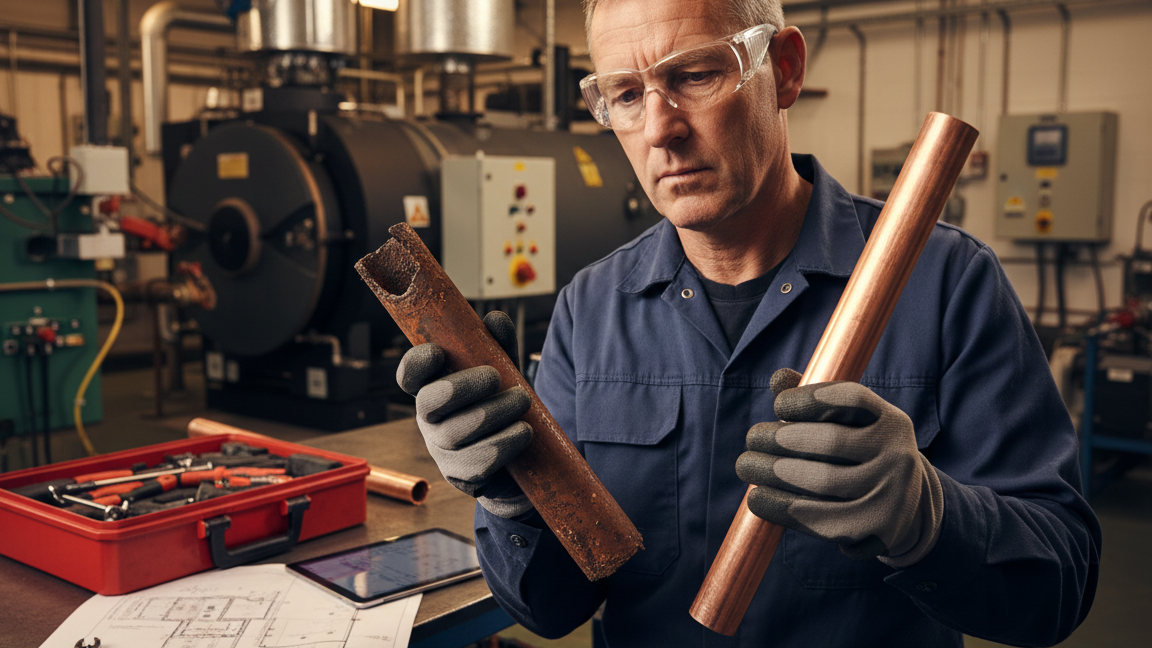
Glycol-based heating and cooling systems protect buildings across the UK from freeze damage and maintain efficient heat transfer year-round. When properly maintained, these systems deliver reliable performance year-round. However, glycol system problems can develop gradually, often going unnoticed until significant damage occurs or efficiency drops dramatically.
Understanding the most common glycol system problems and implementing effective prevention strategies protects your investment, maintains system efficiency, and prevents costly emergency repairs. This comprehensive guide examines the issues that affect glycol systems and provides practical solutions to keep your heating infrastructure operating at peak performance.
Understanding Glycol Systems and Their Function
What Is a Glycol System?
A glycol system uses a mixture of water and glycol (typically ethylene glycol or propylene glycol) as the heat transfer fluid in heating or cooling applications. The glycol prevents the fluid from freezing in low-temperature environments, making these systems essential for applications exposed to cold conditions.
Central heating pumps circulate the glycol mixture through the system, transferring heat between the source and the distribution points. The glycol concentration typically ranges from 20% to 50%, depending on the lowest expected temperature and the required freeze protection level.
Propylene glycol is generally preferred in applications where fluid contact with potable water is possible, as it's less toxic than ethylene glycol. However, ethylene glycol offers superior heat transfer properties and is commonly used in closed-loop systems with no potable water contact risk.
Why Glycol Systems Require Special Attention
Unlike water-only systems, glycol mixtures require specific maintenance protocols. The glycol itself degrades over time, breaking down into acidic compounds that can corrode system components. This degradation accelerates at higher operating temperatures, particularly above 120°C. Lowara circulation systems require careful maintenance and monitoring to ensure reliable operation throughout their service life.
The viscosity of glycol mixtures is higher than water, which affects pump efficiency and flow characteristics. Commercial circulators must be properly sized to handle the increased viscosity, especially during cold starts when the fluid is most viscous.
Glycol also reduces the heat transfer coefficient compared to pure water, meaning systems require larger heat exchangers or higher flow rates to achieve the same heating capacity. This fundamental difference makes proper system design and maintenance critical for optimal performance.
Common Glycol System Problems
Glycol Degradation and Breakdown
The most significant glycol system problems stem from chemical degradation of the glycol itself. Over time, particularly at elevated temperatures, glycol breaks down into organic acids including formic, glycolic, and oxalic acids. These acids lower the pH of the system fluid, typically from the ideal range of 8.5-10.5 down to acidic levels below 7.0.
This acidification dramatically increases corrosion rates throughout the system. Manufacturers of Grundfos pumps and other quality equipment specify pH ranges that must be maintained to preserve warranty coverage and ensure component longevity.
Thermal degradation accelerates exponentially with temperature. A system operating at 150°C may experience glycol breakdown ten times faster than one running at 100°C. High-temperature zones near boilers or heat exchangers create localised degradation hotspots that spread contamination throughout the system.
Concentration Problems
Incorrect glycol concentration represents another common challenge. Over-dilution occurs when water is added during maintenance or when leaks are topped up with water instead of properly mixed glycol solution. This reduces freeze protection, potentially leading to ice formation that can crack heat exchangers, damage pumps, and rupture pipework.
Conversely, excessive glycol concentration reduces heat transfer efficiency and increases viscosity beyond design parameters. This forces pumps to work harder, increases energy consumption, and may cause flow problems in smaller diameter pipes or complex circuits.
Water evaporation at expansion tanks or air vents gradually increases glycol concentration over time. In systems with chronic air ingress or frequent venting, this concentration creep can become significant over several years, requiring dilution to restore proper balance.
Corrosion and System Damage
When glycol degrades and pH drops, corrosion accelerates rapidly. Ferrous components including steel pipework, radiators, and pump casings experience oxidation that creates iron oxide particles (rust). These particles circulate through the system, causing abrasive wear on pump seals, valve seats, and heat exchanger surfaces. Vaillant boiler systems include corrosion protection features, but these only work effectively when glycol condition is properly maintained.
Aluminium components are particularly vulnerable to corrosion in degraded glycol. Many modern heat exchangers use aluminium for its excellent thermal conductivity, but this material corrodes rapidly in acidic conditions. The resulting aluminium hydroxide forms a white sludge that blocks narrow passages and reduces heat transfer.
Copper and brass fittings also suffer accelerated corrosion in low-pH glycol systems. The resulting copper compounds can form greenish deposits and may catalyse further glycol degradation, creating a destructive cycle that worsens over time.
Contamination Issues
Biological contamination, whilst less common than in open systems, can occur in glycol circuits. Certain bacteria and fungi can metabolise glycol, particularly propylene glycol, creating biofilms that restrict flow and accelerate localised corrosion. These organisms typically enter during system filling or maintenance activities.
Air ingress introduces oxygen that oxidises both the glycol and metal components. Dissolved oxygen acts as a corrosion accelerator and contributes to glycol breakdown. Systems with chronic air problems experience dramatically faster deterioration than properly sealed circuits.
Cross-contamination from other fluids occasionally occurs, particularly in facilities with multiple systems. Even small quantities of incompatible fluids can destabilise glycol mixtures and compromise corrosion inhibitor packages. National Pumps and Boilers has remediated numerous systems damaged by contamination from cross-connected heating circuits or incorrect fluid additions.
Pump and Circulation Problems
The higher viscosity of glycol mixtures affects pump performance across all operating conditions. During cold starts, viscosity may be three to four times higher than water, requiring significantly more power to initiate circulation. Wilo pumps and other quality circulators account for this in their design, but undersized or incorrectly specified pumps struggle with glycol viscosity.
Degraded glycol often contains suspended particles from corrosion products. These particles cause abrasive wear on pump impellers and seals, leading to reduced efficiency and eventual mechanical failure. Seal faces are particularly vulnerable, with particle contamination being a leading cause of premature seal failure in glycol systems.
Cavitation becomes more likely in glycol systems due to the fluid's different vapour pressure characteristics. Suction-side problems, inadequate NPSH (Net Positive Suction Head), or excessive system temperatures can cause cavitation that damages pump internals and creates noise and vibration issues.
Prevention Strategies for Glycol System Problems
Regular Testing and Monitoring
Preventing glycol system problems begins with systematic testing and monitoring. At minimum, glycol systems require annual testing, though systems operating at higher temperatures or those with a history of problems benefit from quarterly or even monthly checks. Expansion vessel monitoring forms an essential part of comprehensive glycol system assessment, as these components directly affect system pressure and fluid condition.
Essential test parameters include pH level, glycol concentration, reserve alkalinity, and visual inspection for colour and clarity. Professional testing services can also measure specific inhibitor levels and identify corrosion by-products that indicate developing problems.
A refractometer provides quick, accurate concentration measurements on-site. These inexpensive instruments measure the refractive index of the glycol mixture, translating this to freeze protection temperature. However, refractometers can give false readings in heavily contaminated systems, so correlation with other test methods is important.
pH testing reveals the acid formation that signals glycol degradation. Fresh glycol typically has a pH above 9.0, whilst values below 7.5 indicate significant degradation requiring attention. pH below 7.0 represents an emergency situation demanding immediate glycol replacement.
Maintaining Proper Glycol Concentration
Correct concentration balances freeze protection against heat transfer efficiency and pumping costs. For most UK applications, 25-30% glycol provides adequate freeze protection whilst maintaining good thermal performance. Exposed pipework or equipment in unheated spaces may require 40-50% concentration.
Seasonal adjustment of glycol concentration is rarely necessary in properly designed systems. However, systems that experience significant water loss through leaks or evaporation require periodic concentration checks and adjustment with either glycol or demineralised water as appropriate.
When topping up systems, always add pre-mixed glycol at the target concentration rather than adding pure glycol or pure water. This prevents localised concentration extremes that can cause problems before the fluids fully mix. DAB booster systems can advise on proper mixing procedures and concentration requirements for specific applications.
Documentation of concentration levels, adjustment dates, and test results creates a maintenance history that helps identify developing trends. Pump valve coordination with glycol concentration management ensures that all system components work together effectively to maintain proper operation.
System Flushing and Replacement
Even with excellent maintenance, glycol eventually degrades beyond recovery. Most manufacturers recommend complete glycol replacement every 3-5 years, though high-temperature systems may require more frequent changes. Systems showing pH below 7.5, dark discolouration, or visible sediment need immediate replacement regardless of age.
Proper flushing removes degraded glycol and accumulated contaminants. The process typically involves draining the old fluid, flushing with water or a cleaning solution, draining the flush water, and refilling with fresh glycol mixture. Thorough flushing may require multiple water rinses to remove all traces of degraded glycol and corrosion products.
Disposal of used glycol must comply with environmental regulations. Glycol is not classified as hazardous waste but requires proper disposal through licensed waste carriers. Never discharge glycol into drains, watercourses, or onto the ground.
Fresh glycol should include appropriate corrosion inhibitors for the metals present in your system. Pre-inhibited glycol products simplify this process, though inhibitor packages must match your system's metallurgy. Mixed-metal systems require broad-spectrum inhibitors that protect steel, copper, aluminium, and other materials simultaneously.
Corrosion Inhibitor Management
Corrosion inhibitors are the first line of defence against glycol system problems related to metal degradation. These chemical additives create protective films on metal surfaces, neutralise acids, and buffer pH to maintain alkaline conditions. Armstrong inhibitor standards represent best practice in corrosion protection chemistry, ensuring comprehensive safeguarding of system components.
Inhibitors deplete over time through chemical reactions, thermal breakdown, and precipitation with corrosion products. Regular testing of inhibitor reserve levels indicates when supplementary doses are needed. Adding inhibitors before complete depletion is far more effective than attempting to remediate a system where corrosion has already begun.
Compatibility is critical when adding inhibitors to existing systems. Mixing incompatible inhibitor chemistries can cause precipitation, foam formation, or reduced effectiveness. Always verify that supplementary inhibitors are compatible with the original glycol product or consult with specialists before adding any chemicals.
Some modern inhibitor packages include pH buffers that resist acidification, extending the service life of the glycol. These premium products cost more initially but often prove economical by extending replacement intervals and reducing corrosion damage.
Air Elimination and Venting
Air in glycol systems accelerates virtually every degradation mechanism. Dissolved oxygen promotes corrosion and glycol oxidation, whilst air pockets cause circulation problems, noise, and localised overheating. Remeha air elimination procedures demonstrate how quality equipment manufacturers address this critical maintenance requirement through advanced system design features.
Proper air elimination begins during system filling. Filling from the lowest point whilst venting from high points ensures complete fluid circulation. Filling slowly allows air to escape naturally rather than becoming entrained as fine bubbles that take weeks to separate.
Automatic air vents at system high points continuously remove air that comes out of solution during operation. These vents require periodic inspection to ensure they haven't become clogged with deposits or frozen shut. Expansion vessels with proper pre-charge pressure also help minimise air ingress by maintaining positive pressure throughout the system.
Preventing air ingress during operation requires maintaining system pressure above atmospheric at all points. Suction-side leaks that would drip water in a pressurised system instead draw air into glycol systems, as the lower density of glycol reduces static pressure. Pressure testing and leak detection are essential preventive measures.
Filter Maintenance
Filtration removes corrosion products, debris, and other particles before they damage pumps and heat exchangers. Glycol systems benefit from both standard strainers and fine filters, with magnetic filters being particularly effective at capturing ferrous particles.
Filter maintenance intervals depend on system cleanliness and the rate of corrosion product generation. New systems or those recently refilled may require frequent filter cleaning initially as installation debris and loosened deposits are captured. Established systems typically need filter service annually or when pressure drop indicates significant particle loading.
Monitoring pressure drop across filters provides early warning of increasing particle contamination. A sudden increase in pressure drop may indicate accelerated corrosion or a component failure releasing debris into the system. Examining filter contents during maintenance reveals what's happening inside the system and can guide further diagnostic efforts.
Installing filters with isolation valves allows servicing without draining the entire system. This reduces maintenance time, prevents unnecessary fluid loss, and makes regular filter inspection more practical.
Professional Maintenance and Support
When to Call Specialists
Whilst basic testing and monitoring can be performed in-house, certain glycol system problems require professional expertise. Persistent pH problems, recurring corrosion despite inhibitor additions, or unexplained efficiency losses indicate issues beyond routine maintenance.
System design problems often manifest as chronic glycol degradation. Undersized expansion vessels, inadequate venting, or temperature extremes create conditions where even perfect maintenance cannot prevent rapid glycol breakdown. Specialists can identify design deficiencies and recommend modifications to address root causes.
Major contamination events, such as biological growth or cross-contamination with incompatible fluids, typically require professional remediation. These situations may need chemical cleaning, multiple flush cycles, or component replacement to fully restore system integrity.
Preventive Maintenance Programmes
Comprehensive preventive maintenance programmes combine regular inspections, testing, and proactive interventions to prevent glycol system problems before they cause failures. These programmes typically include quarterly or semi-annual system checks, annual detailed inspections, and periodic glycol replacement on a planned schedule.
Professional maintenance creates detailed documentation of system condition over time. This historical data helps identify gradual deterioration trends, optimise maintenance intervals, and justify capital improvements. The records also provide evidence of due diligence for insurance purposes and regulatory compliance.
Cost analysis consistently shows that preventive maintenance costs far less than reactive repairs. A catastrophic heat exchanger failure from corroded glycol can cost tens of thousands of pounds and cause extended downtime. Annual testing and timely glycol replacement cost a fraction of this amount whilst ensuring reliable operation.
Conclusion
Regular glycol testing and maintenance represents one of the most cost-effective investments in heating system protection. Annual testing at minimum, supplemented by quarterly checks in critical facilities, prevents the expensive failures that befall neglected systems. Understanding what problems develop, recognising warning signs, and taking appropriate preventive action separates professional facility management from guesswork and crisis response.
Building managers and facility operators who implement systematic glycol system maintenance programmes enjoy reliable systems, stable energy costs, and extended equipment lifespan. The modest investment in annual testing and timely interventions provides returns multiples of its cost through prevented failures and efficiency preservation.
For comprehensive glycol system maintenance planning and professional support coordination, Contact Us to discuss how systematic prevention strategies can protect your heating infrastructure and optimise long-term performance.