

Common Mixing Valve Problems and When to Call a Professional
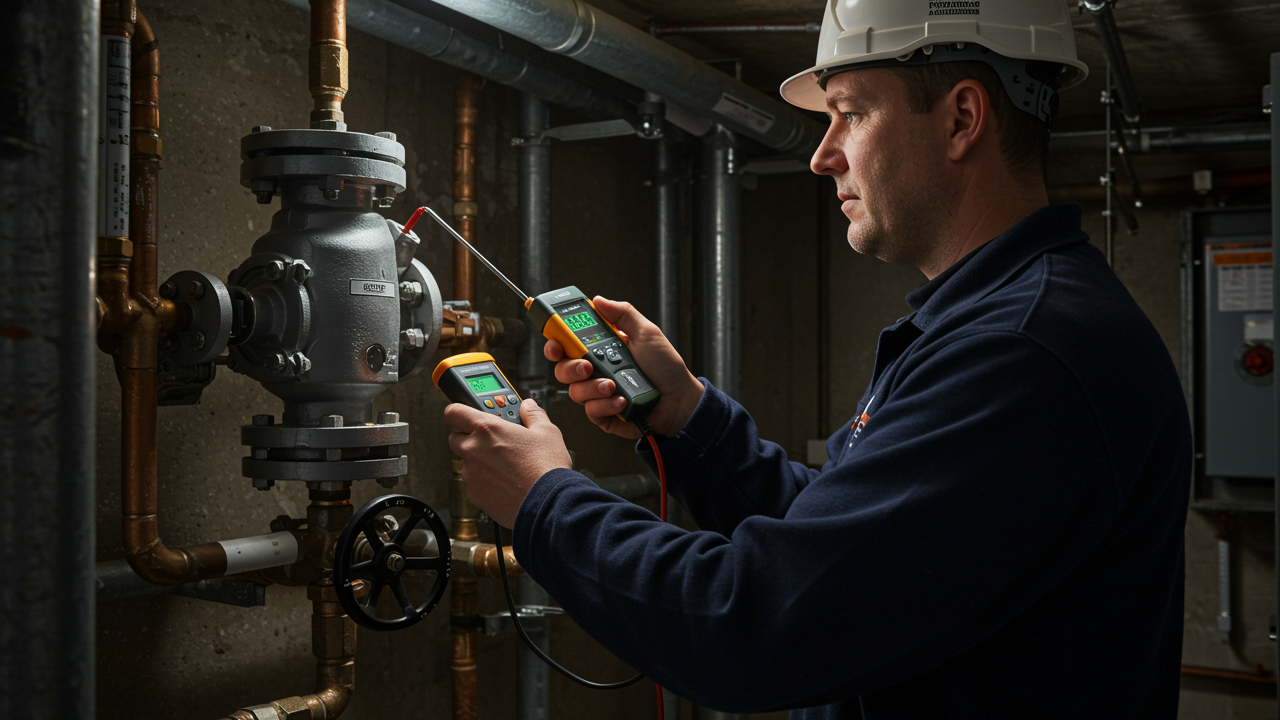
Mixing valves play a critical role in heating systems and domestic hot water applications, blending hot and cold water to deliver safe, consistent temperatures throughout buildings. When these components fail or malfunction, the consequences range from minor inconvenience to serious safety hazards. Understanding common mixing valve problems helps property owners recognise when professional intervention becomes necessary, potentially preventing costly damage and dangerous situations.
Understanding Mixing Valve Function in Heating Systems
The Role of Mixing Valves in Temperature Control
Mixing valves serve as the temperature control centre for heating and hot water systems, automatically blending hot and cold water streams to achieve precise output temperatures. In residential applications, these valves typically maintain domestic hot water at safe temperatures between 50-55°C at outlets whilst allowing storage at higher temperatures to prevent Legionella bacteria growth. Commercial systems rely on mixing valves to serve multiple zones with different temperature requirements from a single heat source.
The thermostatic element within a mixing valve continuously monitors output temperature and adjusts the ratio of hot to cold water accordingly. This automatic response happens within seconds, protecting users from scalding whilst maintaining comfort. Without proper mixing valve function, systems would deliver dangerously hot water directly from boilers or cylinders, creating liability concerns and wasting energy through excessive heat loss.
Modern central heating systems increasingly incorporate mixing valves for zone control, allowing different areas to operate at optimal temperatures. Underfloor heating circuits typically require 35-45°C supply temperatures, whilst radiator circuits may need 60-75°C depending on emitter sizing and outdoor conditions. A single boiler can serve these diverse requirements through properly specified mixing valves.
The connection between mixing valve performance and energy efficiency often goes unrecognised until problems develop. When valves fail to maintain accurate temperatures, systems compensate by running at higher temperatures or for longer periods, increasing fuel consumption significantly. Grundfos heating systems demonstrate how proper mixing valve function is essential for efficient operation.
Components That Make Mixing Valves Work
Inside each mixing valve, a thermostatic element - typically a wax-filled cartridge or bimetallic component - expands and contracts with temperature changes. This movement directly controls a shuttle or poppet that regulates hot and cold water flow proportions. The precision of this mechanism determines temperature stability and response time.
Seals and O-rings prevent internal leakage between hot and cold chambers whilst maintaining pressure integrity. These elastomer components face constant thermal cycling and water chemistry exposure, making them common failure points after 5-10 years of service. When seals degrade, internal bypass allows hot and cold water to mix improperly before reaching the thermostatic element, destroying accurate temperature control.
The valve body itself - usually brass, bronze, or stainless steel - houses all internal components and provides connection points for piping. Material selection affects corrosion resistance and longevity, with economy valves using standard brass whilst premium models specify dezincification-resistant (DZR) brass or gunmetal for extended life in challenging water conditions.
Water quality dramatically impacts component longevity, particularly in hard water regions where scale deposits accumulate on thermostatic elements and flow passages. The South East and parts of the Midlands experience water hardness levels that can reduce mixing valve life by 40-60% compared to soft water areas in Scotland and Wales. Scale acts as insulation around thermostatic elements, slowing response times and eventually preventing proper operation entirely.
Temperature Inconsistencies and Fluctuations
Sudden Temperature Swings
The most alarming mixing valve problem involves unexpected delivery of scalding or cold water without warning. These sudden temperature swings typically indicate thermostatic element failure, where the temperature-sensing component no longer responds quickly enough to changing conditions. A failing element might allow boiler-temperature water (70-80°C) to reach taps or showers, creating serious scalding risks particularly for elderly users or young children.
Pressure imbalances between hot and cold supplies commonly cause temperature fluctuations, especially when other fixtures operate simultaneously. If cold water pressure drops when a toilet fills or washing machine draws water, the mixing valve suddenly receives disproportionate hot water flow. Whilst quality valves include check valves and pressure-compensating features, these protections can fail or prove inadequate in poorly designed systems.
Scale buildup on thermostatic elements creates dangerous lag times between temperature changes and valve response. The valve may eventually respond correctly, but the delay allows temperature spikes that last several seconds - long enough to cause burns. This problem worsens gradually, with homeowners often adapting to increasingly erratic performance until a scalding incident occurs.
In commercial settings, sudden temperature changes affect multiple users simultaneously and may violate health and safety regulations. Wilo commercial heating systems incorporate features designed to prevent these safety issues through robust mixing valve control.
Gradual Temperature Drift
More subtle than sudden swings, gradual temperature drift sees mixing valves slowly losing accuracy over weeks or months. Users notice they must adjust taps further toward hot to achieve the same comfort level, or that morning showers run cooler than evening ones despite identical settings. This drift indicates thermostatic element degradation, internal seal wear, or scale accumulation that hasn't yet caused complete failure.
Seasonal variations sometimes mask gradual drift, as incoming cold water temperatures change by 10-15°C between winter and summer in the UK. A mixing valve losing accuracy might seem to recover in summer when cold water enters at 15°C rather than winter's 5°C, only for problems to resurface when temperatures drop again.
The distinction between valves requiring simple recalibration versus those needing replacement isn't always obvious to property owners. Many mixing valves include adjustment screws or dials for temperature setting, and minor tweaks may restore performance temporarily. However, if adjustments become necessary monthly rather than annually, internal component wear has progressed beyond the point where calibration helps.
Gradual problems often escalate to sudden failures without warning. A mixing valve maintaining barely adequate performance may completely seize or lose all temperature control during a cold snap when the system works hardest. This timing leaves properties without reliable hot water precisely when it's most needed.
Reduced Water Flow and Pressure Issues
Identifying Flow Restrictions
Mixing valve problems frequently manifest as reduced flow rates rather than temperature issues. Users notice taps or showers delivering less water volume than before, with the reduction affecting only hot water or mixed hot/cold outlets. This symptom points to restrictions within the mixing valve itself rather than supply pipe problems.
Debris accumulation happens gradually as pipe scale, thread sealant particles, or installation residue collects in valve strainers and flow passages. Even small restrictions significantly impact flow, as mixing valves typically operate with relatively small internal passages to maintain precise temperature control. A 30% reduction in effective flow area can halve the water delivery rate.
Scale deposits prove particularly problematic in hard water areas, where calcium carbonate builds up on all wetted surfaces. The thermostatic element's moving parts become encrusted, restricting movement and flow simultaneously. Central heating systems in hard water regions experience accelerated valve degradation without proper water treatment.
Partially seized actuators limit how far the valve can open, creating maximum flow restrictions even when fully "open" according to the control mechanism. This problem develops gradually as scale or corrosion products bind moving parts, with users often adapting to reduced flow rather than recognising it as a developing fault.
Pressure-Related Mixing Valve Problems
Supply pressure significantly affects mixing valve operation, with most domestic valves requiring minimum inlet pressures of 1.0-1.5 bar for proper function. Properties with combination boilers or those supplied from storage tanks may experience marginal pressures that prevent mixing valves from delivering adequate flow, particularly when multiple outlets operate simultaneously.
Pressure imbalance between hot and cold supplies creates the most frustrating mixing valve problems, where temperature control becomes impossible regardless of valve condition. If hot water arrives at 3.0 bar whilst cold water enters at 1.5 bar, the valve cannot properly blend the streams. The higher-pressure supply dominates, pushing back against the lower-pressure side and preventing proper mixing.
Commercial systems with multiple mixing valves serving different zones must maintain balanced pressures throughout, requiring careful system design and sometimes dedicated pressure-reducing valves for each mixing valve. DAB pressure systems are frequently used to manage these complex requirements.
When pressure issues originate upstream - from failing pressure-reducing valves, partially closed isolation valves, or supply problems - mixing valves become scapegoats for symptoms they don't cause. Proper diagnosis requires pressure testing at multiple points, distinguishing between valve-internal restrictions and external supply problems.
Leaks and Visible Damage
External Leak Detection
Visible water leakage around mixing valve bodies or connections represents an obvious problem requiring prompt attention. Small drips from compression fittings may indicate simple joint problems, whilst seepage from valve bodies themselves suggests internal seal failure or corrosion perforation. The distinction matters significantly for repair planning and cost.
Corrosion patterns tell experienced engineers much about water chemistry and system operation. Dezincification - where zinc leaches from brass alloys leaving porous copper - creates characteristic pink or red discolouration around fittings. This problem affects economy brass components in aggressive water conditions, eventually causing pinhole leaks or catastrophic failures.
Distinguishing condensation from actual leaks prevents unnecessary repairs whilst avoiding complacency about real problems. Mixing valves handling large temperature differentials may develop surface condensation, particularly in humid environments or poorly insulated spaces. However, condensation appears as general surface moisture rather than drips from specific points, and it disappears when the valve isn't operating.
The progression from minor seepage to significant water loss can happen rapidly once leaks begin. A mixing valve showing slight moisture one week may develop steady dripping within days as internal seals degrade further. Expansion vessel systems help protect against pressure spikes that can accelerate seal failure.
Internal Valve Failure Signs
Internal seal failure creates symptoms without visible external leakage, making diagnosis more challenging. Cross-contamination between hot and cold supplies occurs when internal seals no longer separate the two streams properly. Users notice cold taps running warm after hot water use, or hot outlets taking longer to deliver hot water as cold water backfeeds into hot pipes.
This cross-contamination wastes significant energy as hot water migrates into cold distribution pipes, cooling whilst heating unwanted water. Properties may see hot water cylinder recovery times increase by 30-50% as the system constantly reheats water that has leaked into cold pipes overnight. The problem often goes undiagnosed for months, attributed to boiler problems or cylinder issues rather than mixing valve failure.
Water hammer - the banging sound when taps close quickly - can damage mixing valve internals even when external components show no problems. The pressure shock waves stress seals and thermostatic elements, accelerating wear and sometimes causing immediate failure. Properties with water hammer issues often experience premature mixing valve failure requiring both valve replacement and water hammer correction to prevent recurrence.
When internal problems reach advanced stages, complete valve replacement becomes necessary rather than seal replacement. Lowara booster systems with proper pressure management can prevent some pressure-related valve damage.
Unusual Noises and Vibrations
Identifying Problematic Sounds
Whistling or squealing from mixing valves indicates restricted flow passages forcing water through partially blocked openings at high velocity. This sound may start quietly and worsen over weeks as scale or debris accumulation progresses. The pitch and volume change with flow rate, becoming louder when taps open fully and quieter at reduced flow.
Banging or hammering sounds relate to pressure surges rather than steady flow restrictions. These noises occur when thermostatic elements move suddenly, when supply pressures fluctuate, or when the valve oscillates between positions trying to maintain temperature. The banging transmits through connected piping, sometimes appearing to come from locations distant from the actual mixing valve.
Grinding noises from actuator mechanisms signal serious wear or seizure of motorised valve components. These sounds indicate that the valve's electric actuator struggles to position the valve against internal friction or mechanical seizure. Once grinding noises appear, the actuator has reached the end of its service life and requires replacement.
Cavitation - the formation and collapse of vapour bubbles in flowing water - creates distinctive hissing or crackling sounds in mixing valves. This phenomenon occurs when water pressure drops locally, typically due to excessive flow velocity through restricted passages. Cavitation damages internal valve surfaces, accelerating component failure and requiring urgent maintenance attention.
Vibration Issues
Excessive vibration in mixing valve installations indicates either internal mechanical problems or mounting deficiencies. A properly installed and functioning mixing valve transmits minimal vibration to connected piping. When significant vibration becomes apparent, investigation into both internal valve condition and installation quality becomes necessary.
Mounting problems amplify normal operational movement, with inadequate support brackets or corroded fasteners allowing the valve body to move excessively. This mechanical vibration stresses connected piping and fittings, potentially causing leaks or accelerating component wear. Simple remounting or fastener tightening often resolves vibration issues originating from installation deficiencies.
Water velocity and flow rate directly influence vibration intensity. Oversized mixing valves operating at reduced flow rates sometimes exhibit vibration as water passes through internal passages at irregular flow patterns. Conversely, high-velocity flow through undersized valves creates vibration as the fluid strikes internal components. These velocity-related vibration problems typically require valve replacement with properly sized units.
Advanced vibration in mixing valves indicates internal component failure, with worn bearings or stressed actuators creating movement that transmits to the entire installation. Properties experiencing persistent vibration despite proper installation should have valves inspected professionally, as continued operation may accelerate internal damage and lead to sudden failure.
Scale Buildup and Water Quality Problems
Hard Water Effects on Mixing Valves
Hard water containing dissolved calcium and magnesium carbonates deposits mineral scale on all heated metal surfaces. Within mixing valves, this scale accumulation particularly affects thermostatic elements, flow passages, and moving parts. The South East, Midlands, and parts of the North benefit from water softening systems to protect heating equipment from scale damage.
The timeline from initial scaling to complete valve failure varies depending on water hardness and operating temperatures. In very hard water areas, valves may become completely encrusted within 3-5 years without preventive treatment. Softer water regions might not experience significant scaling even after 15-20 years of operation, explaining regional variations in mixing valve replacement frequency.
Scale acts as thermal insulation around thermostatic sensing elements, degrading their responsiveness to temperature changes. A slightly scaled element responds slower than design specifications, allowing transient temperature spikes before correction. Heavily scaled elements become completely unresponsive, preventing any automatic temperature adjustment and requiring valve replacement.
Prevention strategies including water softening, magnetic descalers, or chemical treatment are far more cost-effective than waiting for valve failure and replacement. These systems typically cost £200-500 initially plus modest maintenance, delivering protection worth thousands in avoided valve replacements and reduced energy consumption from improved system efficiency.
Corrosion and Chemical Damage
Water chemistry dramatically affects mixing valve longevity beyond simple hardness considerations. Chlorine residuals from water treatment, oxygen content from pipe corrosion, and pH variations all accelerate metal component degradation. Systems with poor inhibitor levels or those relying on untreated water experience accelerated corrosion requiring early valve replacement.
Galvanic corrosion occurs when dissimilar metals contact each other in the presence of conductive water. Mixing valve assemblies combining brass bodies with steel fasteners or copper connections create potential galvanic couples. Poor water chemistry fails to inhibit this electrochemical process, resulting in accelerated corrosion that weakens components and creates leaks.
Vaillant boiler systems with properly specified inhibited water and regular water quality testing experience fewer corrosion-related mixing valve failures. Systems with uncertain water treatment history should have water samples analysed to determine appropriate treatment strategies.
Signs of chemical damage include pink or white discolouration on brass components, pitting on steel surfaces, and greenish deposits indicating copper oxide formation. These visual indicators suggest that water chemistry has deviated from optimal parameters, requiring immediate corrective action including water treatment and system flushing to prevent further component deterioration.
Calibration Drift and Thermostat Element Failure
When Adjustments No Longer Hold
A mixing valve losing calibration gradually requires increasingly frequent adjustments to maintain target output temperatures. If a valve needed monthly adjustment over several years, the thermostatic element has likely degraded to the point where replacement becomes more practical than continued recalibration attempts.
The distinction between adjustment needs and component failure depends on whether adjustment changes return immediately after being made, or if the setting drifts again within days or weeks. Quick drift suggests the thermostatic element can no longer maintain calibration reliably, indicating imminent failure and need for preventive replacement rather than waiting for complete loss of function.
Armstrong heating systems incorporating modern mixing valve technology with extended service life design experience slower calibration drift than older equipment. Newer valve designs feature more stable thermostatic cartridges that maintain calibration for longer service periods before requiring replacement.
Thermostat Element Failure
Thermostatic elements degrade gradually as internal wax or liquid loses responsiveness to temperature changes. A well-functioning element expands and contracts in precise response to small temperature variations, whilst a failing element becomes sluggish or unresponsive. This degradation manifests as increasingly erratic temperature control or slow response times to changing flow conditions.
Response time degradation often precedes complete failure. A valve that previously responded to temperature changes within 5 seconds may gradually slow to 10-15 seconds, then 30 seconds, before eventually becoming completely unresponsive. Users experiencing progressive response degradation should schedule valve replacement before complete failure leaves them without temperature control.
Thermostat element failure creates serious safety hazards in domestic hot water applications. A failed element might allow boiler-temperature water to reach outlets despite the mixing valve being in correct position. This failure mode creates scalding risks without warning, making preventive element replacement particularly important in households with elderly residents or young children.
Testing can confirm thermostatic element problems through specialized equipment measuring valve response times across full operating ranges. Professional heating engineers can perform these tests, determining whether elements require replacement or if other system issues explain apparent valve problems.
DIY Troubleshooting Steps
Safe Inspection Procedures
Visual inspection of mixing valves without system shutdown can identify obvious problems like visible leaks, corrosion, or damaged fittings. However, many serious problems including internal seal failure, scale accumulation, and thermostatic element degradation cannot be identified through visual inspection alone. DIY inspection should focus on what's visible rather than attempting diagnosis of internal conditions.
Basic temperature testing using a reliable thermometer provides useful information about mixing valve performance. Running water through the outlet for 30-60 seconds until temperature stabilises, then measuring against the valve's set point temperature, reveals whether significant drift has developed. Temperature readings within ±3°C of setpoint suggest acceptable performance, whilst larger deviations indicate problems requiring professional assessment.
Checking compression fittings for tightness sometimes resolves minor leaks or drips without professional intervention. Hand-tightening fittings occasionally stops weeping leaks, though only compression nuts should be tightened this way - attempting to tighten valve body connections risks internal damage. If tightening doesn't stop leaks within a quarter turn, professional attention becomes necessary.
Safety precautions essential before any hands-on inspection include confirming the system is depressurised and cool enough to safely touch. Attempting to work on hot pressurised systems risks serious burns or explosive water flash if components fail. Allowing sufficient cooling time and confirming that no pressure exists in the system prevents these hazards.
Simple Maintenance Tasks
Cleaning external valve surfaces and connection fittings prevents corrosion and makes problems more visible. Gently wiping valve bodies with a soft cloth occasionally reveals corroded areas or mineral deposits that might otherwise go unnoticed. This simple practice takes minimal time and helps develop familiarity with the valve's normal appearance, making abnormalities more obvious.
Checking compression fitting tightness twice yearly, particularly at connection points between the mixing valve and supply pipes, prevents small leaks from developing into significant water loss. A quarter-turn tightening typically resolves weeping fittings, though significant leaking signals seal failure requiring professional valve replacement or component repair.
Descaling treatments available for residential use must be applied carefully, with manufacturer instructions followed precisely. Some descaling solutions can damage valve seals or internal components if improperly used, making professional descaling preferable for valuable equipment. DIY descaling works best for external deposits rather than internal scale causing performance problems.
The limitations of DIY maintenance mean that problems beyond visual inspection and basic tightening require professional expertise. Internal component inspection, pressure testing, thermal imaging, and expert diagnosis require specialised equipment and training that property owners shouldn't attempt independently. Recognising these limits and calling professionals promptly prevents damage to expensive equipment and avoids potential safety hazards.
When Professional Intervention Becomes Necessary
Safety-Critical Situations
Any situation where mixing valve problems create scalding risks requires immediate professional attention. Temperature delivering above 55°C to bathing facilities, or above 48°C at outlets used by young children or elderly users, represents a serious safety hazard demanding urgent action. Do not delay professional assessment when temperature control has become unreliable.
Water leaks from mixing valves that won't stop with simple fitting tightening indicate internal seal failure requiring professional repair or replacement. Uncontrolled leaking creates property damage risks, system pressure loss that affects heating performance, and potential safety hazards if electrical components contact leaking water. These situations demand immediate professional response.
Pressure problems affecting multiple fixtures throughout the building - such as consistently low flow at all hot water outlets despite adequate cold water pressure - often indicate mixing valve issues requiring professional diagnosis. These systemic problems may stem from undersized valves, improperly specified equipment, or system design flaws that professionals can identify and correct.
Any unusual sounds indicating imminent component failure - including grinding, cavitation noises, or banging that doesn't respond to adjustment - warrant professional inspection. Components creating these sounds have reached advanced wear stages where continued operation risks catastrophic failure leaving the property without temperature control or heating.
Complex Diagnostic Requirements
Problems requiring pressure testing equipment to diagnose need professional attention. Accurate pressure measurement at multiple system points requires calibrated gauges, manifolds, and professional expertise interpreting readings. DIY pressure testing with basic equipment cannot provide the accuracy needed for reliable diagnosis.
Issues potentially requiring thermal imaging or flow measurement technology exceed DIY diagnostic capabilities. Professional engineers with specialised equipment can identify problems invisible to standard inspection, including internal seal failure, partial blockages, and thermostatic element degradation. When simple troubleshooting fails to identify problems, professional equipment-based diagnosis becomes necessary.
Situations where multiple symptoms suggest interconnected problems - combining temperature issues with flow problems, noise, and vibration - often require system-level analysis exceeding component diagnosis. Professional heating engineers assess not just the mixing valve but its interaction with pumps, boilers, distribution systems, and controls, identifying whether problems stem from valve defects or system design flaws.
Complex decisions about valve replacement versus system redesign, or determining whether retrofit modifications could solve problems more economically than component replacement, benefit from professional expertise. These strategic decisions affect long-term heating system performance and cost-effectiveness, justifying professional guidance even when repair seems straightforward.
The Professional Diagnostic Process
How Experts Assess Problems
National Pumps and Boilers follow systematic approaches to mixing valve diagnosis, beginning with understanding the system context including age, maintenance history, and previous problems. This background information often reveals patterns explaining current symptoms - for example, hard water problems that degraded multiple valves, or maintenance neglect causing cumulative component wear.
Temperature measurement across full operating ranges using calibrated instruments provides accurate baseline data. Professionals record temperatures at different flow rates and inlet conditions, identifying whether the valve responds appropriately or demonstrates drift. Detailed measurements establish whether performance fall s within acceptable tolerances or requires corrective action.
Pressure testing at multiple points throughout the system reveals whether mixing valve problems stem from internal valve issues or upstream supply problems. Simultaneous measurement of hot and cold inlet pressures, mixed outlet pressure, and return line pressure identifies pressure imbalances, supply problems, or internal blockages that simple observation cannot detect.
Flow measurement quantifies performance degradation compared to valve specifications. Measuring actual flow rates versus design requirements identifies whether undersized valves have become further restricted, or if full flow capacity has been lost. This data helps determine whether cleaning and repair might restore adequate performance, or if complete valve replacement is necessary.
What to Expect During Professional Service
Initial assessment begins with safety confirmation - ensuring the system is depressurised and cooled to safe handling temperatures, checking electrical isolation if motorised valves are involved, and verifying that no hazardous conditions exist. Professional engineers never work on systems presenting safety risks without addressing those risks first.
Testing procedures typically require 1-2 hours depending on problem complexity. Temperature testing, pressure measurement, and in some cases internal inspection through disassembly and component examination establish the nature and severity of problems. Professionals document findings with photographs and measurements that support their diagnostic conclusions.
Clear explanation of findings in language understandable to non-technical property owners helps them understand why repairs are necessary and what options exist. Professionals present repair options with cost-benefit analysis - for example, comparing seal replacement costs versus complete valve replacement when internal seals have failed. This presentation allows informed decision-making rather than just accepting recommended solutions.
Parts availability and quality considerations influence repair recommendations. Professional engineers can access genuine manufacturer parts and quality alternatives, selecting components that provide reliable long-term performance. They avoid economy components likely to fail prematurely, protecting both their reputation and customer interests.
Follow-up testing after repairs verify that corrected valves perform within specification. Temperature readings across operating ranges, pressure measurements confirming proper operation, and functional testing of controls and safety features ensure that repairs fully resolved the problems rather than providing only temporary improvements.
Choosing the Right Replacement Valve
Matching Valve Specifications
When replacement becomes necessary, selecting a valve with appropriate flow capacity prevents undersizing problems that compromise performance or pressure drop issues that waste energy. Professional engineers calculate required flow rates based on heating load, desired temperature differentials, and simultaneous outlet usage patterns specific to the building.
Temperature range capabilities should exceed actual application requirements by 5-10°C margin, providing flexibility for future adjustments or changes in building use. A valve specified for 35-75°C operating range suits most heating applications, though specific applications may require different ranges. Pressure ratings must accommodate system working pressures plus 0.5-1.0 bar safety margin.
TMV2 or TMV3 certification requirements depend on application - domestic installations need TMV2 minimum, whilst healthcare and educational facilities require TMV3 certification. WRAS approval confirms water quality compliance. These certifications ensure that replacement valves meet regulatory requirements and perform as specified for their intended purpose.
Quality differences between economy and premium mixing valves primarily involve material selection, component precision, and expected service life. Economy valves may require replacement after 8-10 years, whilst premium options might function reliably for 15-20 years. Over a building's lifetime, premium valve investment often proves more economical than frequent replacement of cheaper alternatives.
Installation Considerations
Professional installation by qualified heating engineers ensures proper integration with existing systems and optimal long-term performance. Improper installation - including incorrect orientation, inadequate pipe preparation, or poor calibration - can create problems that make even quality valves perform poorly.
System flushing before new valve installation removes accumulated scale, debris, and corrosion products that could damage the new valve or impair performance. Thorough flushing protects the new component and addresses whatever debris or contamination caused previous valve problems, preventing recurrence.
Calibration procedures tailored to specific system characteristics - including building insulation, radiator sizing, and heating load profiles - ensure that new valves operate optimally for their application. Initial settings provide a baseline, with fine-tuning over the first heating season adjusting performance based on actual operation.
Integration with existing controls, sensors, and building management systems ensures that new motorised valves coordinate properly with automated systems. Proper commissioning and control system programming prevent operational issues that could make even correctly specified valves perform poorly.
Warranty registration and professional installation often qualify products for extended warranty coverage, providing valuable protection if problems develop. DIY installation typically voids manufacturer warranties, making professional installation a worthwhile investment for valuable equipment.
Preventive Maintenance to Avoid Future Problems
Regular Inspection Schedules
Scheduling professional mixing valve inspection annually - or more frequently in commercial applications - catches developing problems before they escalate to failures. Routine inspections typically cost £100-200 and take minimal time, representing excellent value given the cost of emergency repairs or complete valve replacement.
Monthly or quarterly visual checks by building occupants can identify obvious problems including leaks, unusual sounds, or temperature inconsistencies that warrant professional assessment. This user monitoring complements professional inspections, providing early warning of issues developing between scheduled service visits.
Seasonal adjustments before heating season begins ensure optimal system performance throughout winter months. Confirming that mixing valve temperature settings match seasonal requirements prevents comfort issues or safety problems caused by equipment drift over months of non-use during summer.
Record-keeping documenting inspection findings, adjustments made, and component replacements creates valuable history supporting decisions about maintenance priorities and timing. Records also provide evidence of due diligence in managing building systems, protecting property owners from liability claims if problems develop despite demonstrated care.
System Modifications Protecting Mixing Valves
Water softening systems in hard water areas dramatically extend mixing valve and overall heating system lifespan. A typical water softening installation costing £500-1,500 prevents scale damage that would otherwise require valve replacement every 5-10 years. Over a building's lifetime, water softening investment easily repays itself through reduced maintenance and component replacement costs.
Filtration systems removing suspended solids and corrosion products from heating water protect mixing valves and other components from debris damage. 100-micron or finer filters installed on system returns capture particles that could otherwise circulate repeatedly, damaging valve internals and other equipment.
Proper system pressure management including appropriately sized expansion vessels and pressure-maintaining equipment prevents the pressure extremes that accelerate mixing valve seal failure. Systems with inadequate pressure control experience premature valve wear and frequent seal replacement, making pressure management investment cost-effective.
The cost-benefit analysis of protective measures should consider long-term maintenance and replacement costs versus upfront investment in prevention systems. Most buildings benefit significantly from water treatment and filtration, with payback periods typically under 5 years and continuing savings throughout the system's remaining life.
Conclusion
Common mixing valve problems ranging from temperature inconsistencies to leaks and noise issues often indicate that professional assessment and intervention have become necessary. Early recognition of developing problems allows cost-effective repairs that prevent expensive emergency situations and safety hazards.
Understanding the difference between simple maintenance tasks and problems requiring professional expertise prevents property damage and dangerous situations from delayed response. When temperature control becomes unreliable, leaks develop, or unusual sounds appear, professional heating engineers should be consulted promptly rather than hoping problems resolve themselves.
If you've noticed mixing valve problems affecting your heating or hot water system, expert diagnosis can identify root causes and recommend appropriate solutions. Contact Us to discuss mixing valve concerns with experienced heating engineers who can assess your specific situation and recommend reliable solutions.