

Common Problems in Thermal Storage Systems and How to Fix Them
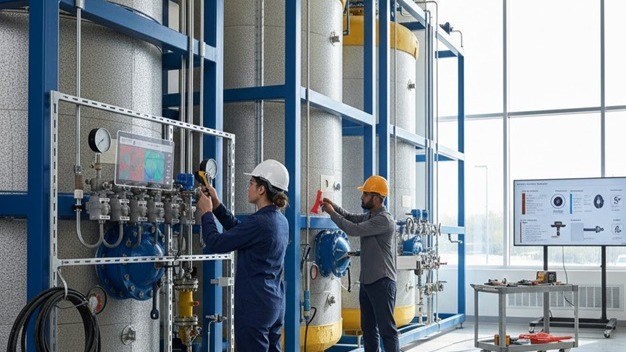
Thermal storage troubleshooting requires systematic diagnostic approaches identifying root causes behind performance issues, equipment failures, and operational anomalies. Understanding common problems enables facility managers to respond quickly, minimising downtime and restoring thermal energy storage benefits. This comprehensive guide addresses frequent issues encountered in commercial and industrial installations, providing practical solutions for effective TES system repair.
Temperature Control Problems
Insufficient Cooling or Heating Capacity
Thermal storage troubleshooting often begins with complaints about inadequate temperature control or insufficient capacity during peak demand periods. Undersized tanks represent a fundamental design issue requiring capacity expansion through additional storage vessels or operational modifications maximising existing capacity. Professional assessment determines whether genuine undersizing exists or whether other factors reduce effective capacity.
Poor thermal stratification destroys usable storage capacity by mixing hot and cold water layers within tanks. Excessive flow rates through tank inlets disrupt stratification, creating turbulence that homogenises temperatures. Improperly designed diffusers fail to distribute flows horizontally across tank cross-sections, instead driving vertical currents that erode temperature boundaries. Modifying inlet configurations or reducing circulation flows during charging often restores acceptable stratification.
Inadequate charging occurs when insufficient off-peak time exists to fully recharge storage, equipment capacities prove inadequate, or control sequences fail to initiate charging appropriately. Extending charging periods into shoulder rate periods, whilst less economical than pure off-peak charging, prevents capacity shortfalls during peak demands. Equipment upgrades increasing chiller or boiler capacity enable faster charging when time constraints limit conventional approaches. National Pumps and Boilers provides expert consultation for thermal storage troubleshooting and capacity optimisation.
Diagnostic steps involve measuring tank temperatures at multiple elevations throughout charging cycles, comparing achieved capacity against design values, and reviewing control sequences for proper timing and setpoints. Flow measurements verify circulation rates match design specifications. Thermal surveys using infrared cameras may reveal short-circuiting or dead zones within tanks where water fails to circulate properly.
Solutions range from simple control adjustments through equipment modifications to major system upgrades. Optimising charging schedules, adjusting flow rates, repairing or replacing diffusers, and recalibrating controls often resolve problems without significant capital investment. Capacity expansion through additional tanks or equipment upgrades addresses genuine undersizing that cannot be resolved through operational improvements.
Inconsistent Temperature Delivery
Short cycling issues occur when thermal storage systems alternate rapidly between charging and discharging modes, indicating control problems or capacity mismatches. Deadbands - temperature ranges where no control action occurs - may be too narrow, causing excessive switching. Widening deadbands reduces cycling frequency whilst maintaining acceptable temperature control. Sensor location or calibration problems may trigger false mode changes requiring investigation and correction.
Mixing problems destroying stratification manifest as gradually rising return temperatures during discharge cycles. Instead of delivering consistently cold (or hot) water throughout discharge periods, degraded stratification causes supply temperatures to drift toward return values. This mixing wastes usable storage capacity and may cause comfort complaints as insufficient temperature differentials occur. Wilo pumps with variable speed capabilities enable flow rate optimisation reducing turbulence and preserving stratification.
Control system malfunctions produce erratic operation including inappropriate equipment cycling, incorrect temperatures, or complete system failures. Failed temperature sensors providing incorrect readings to controllers cause improper sequencing decisions. Relay or contactor failures prevent proper equipment startup or shutdown. Communication errors between controllers and building management systems disrupt coordination with other mechanical systems. Systematic testing of sensors, actuators, and control logic identifies faulty components requiring replacement or reprogramming.
Pump and Circulation Issues
Pump Failure or Poor Performance
Motor problems and electrical faults represent common causes of pump failures in TES system repair situations. Overheating from excessive loads, inadequate ventilation, or aging insulation leads to motor failures requiring rebuilding or replacement. Electrical supply issues including voltage imbalances, phase losses, or inadequate wire sizing damage motors and reduce performance. Proper motor protection relays detect abnormal conditions and shut down pumps before catastrophic damage occurs.
Bearing failures and mechanical wear develop gradually, producing warning signs including unusual noises, excessive vibration, and increasing operating temperatures. Inadequate lubrication, contamination, or simply wear from years of operation eventually necessitate bearing replacement. Catching bearing degradation early through vibration monitoring prevents secondary damage to shafts, impellers, and motor components. Planned bearing replacements during scheduled maintenance cost significantly less than emergency repairs after catastrophic failures.
Cavitation and air entrainment issues damage pumps whilst reducing performance. Cavitation occurs when local pressures drop below water vapour pressure, forming bubbles that violently collapse against impeller surfaces. This erosion causes pitting, reduced efficiency, and eventual impeller failure. Ensuring adequate net positive suction head through proper system design and operation prevents cavitation. Air entrainment from vortexing at pump inlets, leaking shaft seals, or inadequate system venting similarly reduces performance and causes noise. Grundfos circulation pumps feature robust designs resistant to occasional air entrainment, though proper system operation remains essential.
Flow Rate Problems
Insufficient circulation affecting efficiency reduces heat transfer rates and may prevent complete charging or discharging. Causes include fouled pump impellers, partially closed valves, undersized piping, or excessive system pressure drops. Flow measurements at key locations identify problem areas. Cleaning impellers, opening throttled valves, or modifying piping configurations restore proper flows. In some cases, pump replacement with higher capacity units proves necessary.
Excessive flow causing mixing destroys thermal stratification within storage tanks. Flow rates exceeding design values create turbulence disrupting temperature layers. Oversized pumps, incorrect control settings, or modifications from original design may cause excessive flows. Variable speed drives enable precise flow control matching system requirements without mechanical throttling that wastes energy. Central heating circulators appropriately sized and controlled maintain optimal flow rates preserving stratification.
Balancing valve adjustments optimise flows through parallel piping paths or multiple storage tanks. Systems with imbalanced flows experience short-circuiting where some paths carry excessive flow whilst others remain underutilised. Properly balanced systems distribute flows according to design intent, maximising storage capacity and system efficiency. Specialised balancing contractors use calibrated instruments verifying flows throughout systems and adjusting valves accordingly.
Air Lock and Venting Issues
Symptoms of trapped air include noisy operation, erratic pump performance, reduced system capacity, and control instability. Air pockets in high points of piping systems prevent proper circulation, effectively blocking flow paths. Pumps operating with air-entrained water lose performance and may overheat from inadequate cooling. Temperature sensors surrounded by air bubbles provide incorrect readings to control systems.
Proper venting procedures systematically remove air from piping and equipment. Manual vent valves at high points allow air escape during system filling. Operating circulation pumps at reduced speeds whilst venting prevents air entrainment from turbulent flows. Automatic air vents installed at strategic locations continuously remove air entering systems during operation. Complete venting often requires multiple cycles of filling, circulating, and bleeding air from various points.
Preventing air reintroduction maintains system performance after initial venting. Leaking pump shaft seals, loosening threaded connections, or negative pressures in piping allow air entry during operation. Maintaining positive pressures throughout systems using properly sized and maintained expansion vessels prevents air intrusion. Regular inspection and maintenance of seals, joints, and fittings identifies potential air entry points before significant problems develop.
Tank and Vessel Problems
Leaks and Structural Issues
Identifying leak sources requires systematic investigation of all connections, penetrations, and vessel surfaces. External leaks appear as water puddles, damp insulation, or visible drips from piping or tanks. Internal leaks between tank compartments may not be immediately obvious but cause cross-contamination or reduced capacity. Pressure testing isolated sections helps locate hidden leaks whilst visual inspection during tank draining reveals internal problems.
Corrosion damage assessment determines whether repairs provide adequate solutions or tank replacement becomes necessary. Surface corrosion may be treatable through cleaning and recoating without structural concerns. Pitting corrosion or general wall thinning reduces tank strength, potentially creating safety risks. Ultrasonic thickness measurements quantify remaining wall thickness, determining whether continued service meets safety standards. Professional corrosion engineers assess damage severity and recommend appropriate corrective actions for TES system repair projects.
Emergency repair procedures stop active leaks temporarily whilst permanent solutions are arranged. Pipe clamps, epoxy compounds, or temporary blanking plates may provide short-term leak control. These expedient measures should not be considered permanent repairs - proper welding, gasket replacement, or component replacement must follow once materials and qualified technicians are available. Documenting temporary repairs ensures permanent fixes are scheduled and completed rather than forgotten after immediate crises pass.
Permanent solutions vary from simple gasket replacements through welded repairs to complete component replacement. Minor threaded connection leaks often resolve through proper tightening with new thread sealant. Flanged joint leaks require gasket replacement and proper bolt tensioning. Corroded or damaged pipes may need sectional replacement or complete runs renewed. Structural tank damage may necessitate complete vessel replacement depending on severity and repair feasibility.
Control System Malfunctions
Sensor Failures
Temperature sensor inaccuracies cause incorrect control decisions affecting thermal storage troubleshooting efforts. Sensors may drift from original calibration, develop electrical connection problems, or fail completely. Comparing suspect sensor readings against calibrated reference instruments identifies inaccurate sensors requiring replacement or recalibration. Some temperature sensor technologies allow field calibration whilst others require factory service or replacement.
Pressure transducer problems similarly disrupt control sequences relying on pressure signals. Transducers monitoring tank levels, system pressures, or differential pressures across equipment may read incorrectly due to sensor drift, membrane damage, or plugged impulse lines. Regular calibration checks against precision pressure gauges verify transducer accuracy. Cleaning or replacing plugged impulse lines often restores proper operation without sensor replacement.
Flow metre calibration issues reduce accuracy of capacity calculations and control algorithms. Ultrasonic, magnetic, and turbine flow metres all experience drift over time. Manufacturers specify calibration intervals based on application conditions and accuracy requirements. Comparing flow metre readings against portable calibration instruments during routine maintenance identifies sensors needing adjustment or replacement. Proper flow measurement enables accurate tracking of system performance and early detection of developing problems.
Programming and Logic Errors
Incorrect charging and discharging sequences waste energy and reduce system effectiveness. Control programmes may initiate charging too late, ending before storage fully recharges. Discharge may begin prematurely or continue too long, depleting capacity before peak demands arrive. Reviewing and optimising control schedules based on actual building loads and utility rate structures improves performance. Weather-predictive controls anticipating loads enable better charging schedule optimisation.
Setpoint issues affecting performance include incorrect temperature targets, inappropriate deadbands, or seasonal setpoints not updated as conditions change. Storage tanks maintaining excessively cold temperatures in summer or hot temperatures in winter may waste energy without providing benefits. Regular review and adjustment of setpoints optimises energy savings whilst maintaining required capacity. Pump valves with electronic controls enable precise temperature regulation when properly programmed.
Software updates and reprogramming address bugs, add features, and incorporate operational improvements. Control system manufacturers periodically release updates improving functionality or correcting problems identified through field experience. Documenting all programming changes enables troubleshooting by comparing current versus previous configurations. Backup copies of working programmes protect against corruption or inadvertent changes disrupting system operation.
Water Quality and Chemical Issues
Scale Formation
Causes and prevention of scaling involve managing water chemistry to prevent mineral precipitation. Hard water contains dissolved calcium and magnesium that precipitate as temperatures increase or pH changes. Scale deposits insulate heat transfer surfaces, reduce piping flows, and damage equipment. Water softening, chemical scale inhibitors, or pH control prevent scale formation in systems using makeup water with high hardness levels.
Descaling procedures remove accumulated scale restoring heat transfer and flow capacity. Chemical descaling uses acidic solutions dissolving mineral deposits. This process requires proper neutralisation and disposal of spent chemicals. Mechanical cleaning methods scrub scale from surfaces using brushes or high-pressure water. Severely scaled equipment may require replacement if cleaning proves ineffective or causes damage to underlying surfaces.
Water treatment adjustments maintaining proper chemistry prevent scale recurrence. Testing programmes monitor key parameters including hardness, alkalinity, pH, and total dissolved solids. Automated chemical feed systems maintain consistent water quality despite variations in makeup water or system conditions. Professional water treatment services provide expertise ensuring effective scale prevention whilst maintaining regulatory compliance and equipment protection during thermal storage troubleshooting activities.
Corrosion Problems
Identifying corrosion types enables appropriate treatment selection. Uniform corrosion gradually thins materials across large areas. Pitting creates localised deep penetrations weakening structures. Galvanic corrosion occurs at connections between dissimilar metals. Microbiologically influenced corrosion results from bacterial activity. Each corrosion type requires specific prevention and treatment approaches.
Chemical treatment programmes protect system materials from corrosion. Oxygen scavengers remove dissolved oxygen that drives steel corrosion. Corrosion inhibitors form protective films on metal surfaces. pH control maintains conditions minimising corrosive attack. Pressurisation units properly maintained and protected from corrosion ensure reliable system pressurisation throughout service lives.
Cathodic protection considerations apply particularly to buried piping or tanks in corrosive soil conditions. Sacrificial anodes corrode preferentially, protecting steel structures. Impressed current systems actively drive protective currents preventing corrosion. These specialised techniques require professional design and installation but provide excellent long-term corrosion protection where conventional methods prove inadequate.
Emergency Troubleshooting Procedures
System Shutdown Protocols
When to shut down for safety includes scenarios such as major leaks, electrical hazards, unusual noises indicating imminent mechanical failure, or extreme temperatures suggesting runaway conditions. Immediate shutdown prevents secondary damage, protects personnel, and provides time for proper assessment and TES system repair planning. Operators should know shutdown procedures and not hesitate implementing them when situations warrant.
Emergency isolation procedures using strategically placed shutoff valves limit damage and enable partial system operation. Isolating failed components allows continued operation of unaffected portions whilst repairs proceed. Clear valve labelling and readily accessible isolation points enable rapid emergency response. Regular testing of isolation valves confirms functionality when needed rather than discovering stuck or leaking valves during actual emergencies.
Protecting equipment during downtime prevents additional problems. Draining systems in freezing conditions prevents burst pipes and tanks. Maintaining chemical treatment in idle systems prevents corrosion and biological growth. Periodic operation of pumps and valves during extended shutdowns prevents seizure from disuse. Proper shutdown and layup procedures minimise restart difficulties when systems return to service.
Preventive Measures
Regular Maintenance Schedules
Inspection frequencies balance thoroughness against operational disruption and cost. Daily visual checks identify obvious problems requiring immediate attention. Weekly performance reviews detect developing issues before failures occur. Monthly inspections enable detailed component examination and routine maintenance. Annual comprehensive inspections provide deep assessment of system condition.
Component replacement intervals guide proactive replacement of wear items before failure. Pump bearings, motor components, control sensors, and valve packing all have finite service lives. Replacing these items on scheduled intervals prevents unexpected failures disrupting operations. Maintaining spare parts inventories enables rapid repairs without extended equipment downtime awaiting parts delivery.
Documentation and record keeping provide historical data supporting troubleshooting and maintenance decisions. Maintenance logs track completed activities, identified issues, and corrective actions. Performance records reveal trends indicating developing problems. Equipment history guides future maintenance planning and replacement timing. Comprehensive documentation proves invaluable during thermal storage troubleshooting investigations seeking root causes of complex problems.
Effective thermal storage troubleshooting combines systematic diagnostic approaches with practical repair solutions restoring system performance and reliability. Understanding common problems, their causes, and appropriate corrections enables rapid response minimising downtime and costs. Regular maintenance prevents most failures whilst early problem detection enables proactive TES system repair before minor issues escalate into major failures. For expert troubleshooting and repair services, contact us to discuss system problems and receive professional assistance restoring optimal thermal storage operation.