

Cross-Brand Pump Replacement Guide: Grundfos, Lowara, Wilo, DAB Equivalents
Pump failures rarely happen at convenient times. When a circulator gives out during peak heating season or a booster set fails in a commercial building, facilities managers and heating engineers face immediate pressure to restore service. The challenge intensifies when direct replacements aren't available - or when budget constraints demand alternatives to premium brands.
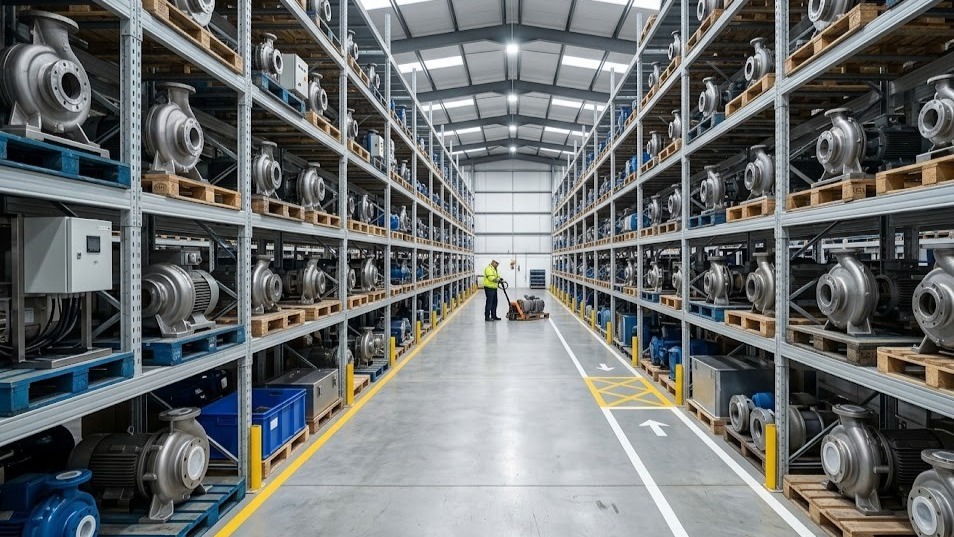
Cross-brand pump replacement requires more than matching flow rates and head pressures. Installers must consider electrical specifications, mounting footprints, pipe connections, control compatibility, and performance curves. A seemingly equivalent pump can create problems if these factors aren't properly evaluated. National Pumps and Boilers stocks multiple brands specifically to provide flexible replacement options when original equipment becomes unavailable or cost-prohibitive.
Understanding Pump Equivalency Beyond Basic Specifications
Flow rate and head pressure represent starting points, not complete solutions. A Grundfos UPS 25-60 might deliver identical performance to a Wilo Star-RS 25/6 on paper, yet differ significantly in electrical consumption, noise levels, and control integration. True equivalency requires examining multiple technical parameters.
Critical Specification Factors
Mounting dimensions determine whether a replacement fits existing pipework without modifications. Centre-to-centre distances, flange patterns, and overall length vary between manufacturers. A pump requiring pipe adjustments transforms a simple swap into a multi-hour installation.
Electrical specifications extend beyond voltage requirements. Starting current, power factor, and motor protection class affect circuit compatibility. Some commercial installations use dedicated pump circuits sized for specific equipment - a replacement with higher starting current may trip existing protection devices.
Control compatibility matters increasingly as building management systems integrate pump operation. A replacement lacking the correct interface protocol won't communicate with existing controls, potentially disabling automated functions like differential pressure regulation or scheduled operation.
Performance curves reveal behaviour across operating ranges. Two pumps with identical maximum specifications may perform differently at partial loads. In variable-speed applications, this affects energy consumption and system responsiveness throughout typical operating conditions.
Grundfos Replacement Options Across Brands
Grundfos commands a significant market share in UK heating systems, making replacement scenarios common. The UPS and Alpha ranges appear in millions of domestic installations, while Magna and TPE pumps serve commercial applications. When Grundfos pumps aren't immediately available or the budget requires alternatives, this pump brand equivalents guide identifies several cross-brand options providing reliable performance.
Domestic Heating Applications
Grundfos UPS 15-50 (domestic central heating): Wilo Star-RS 15/4 offers direct equivalency with 130mm installation length and identical 1-inch connections. DAB Evosta 40-70/130 provides slightly higher head pressure for systems requiring additional capacity. Both alternatives match the UPS electrical specifications and mounting footprint.
Grundfos UPS 25-60 (standard domestic heating): Wilo Yonos PICO 25/1-6 delivers equivalent performance with superior energy efficiency through permanent magnet motor technology. DAB Evosta 3 60/130 matches performance whilst adding automatic power adjustment. Lowara Ecocirc Premium 25-6 provides another energy-efficient alternative with robust construction suited to variable water quality.
Grundfos Alpha2 25-60 (high-efficiency domestic): Direct replacements require similar permanent magnet technology. Wilo Yonos PICO 25/1-6 and DAB Evosta 3 60/130 both offer comparable efficiency ratings and AUTOADAPT functionality. These pumps automatically adjust output to system demand, matching the Alpha2's primary selling point.
Commercial Pump Replacements
Grundfos Magna3 40-120 (commercial applications): Cross-brand pump replacement enters complex territory with commercial circulators. Wilo Stratos 40/1-12 provides equivalent performance with similar permanent magnet efficiency. Lowara ecocirc XL 40-120 offers robust construction with slightly different control options. Commercial replacements warrant careful evaluation of building management system integration before specification.
Wilo Alternatives From Competing Manufacturers
Wilo equipment appears extensively in commercial buildings and newer domestic installations. The Star and Yonos ranges established a reputation for reliability, whilst Stratos pumps dominate high-efficiency commercial applications. When Wilo equipment requires replacement, this pump brand equivalents guide identifies several manufacturers offering suitable alternatives.
Wilo Domestic Range Equivalents
Wilo Star-RS 25/6 (domestic heating): Grundfos UPS 25-60 provides proven performance with decades of field history. DAB VA 55/180 matches specifications with a robust bronze housing suited to poor water quality. These alternatives maintain the 180mm installation length critical for retrofit applications.
Wilo Yonos PICO 25/1-6 (high-efficiency domestic): Grundfos Alpha2 25-60 offers comparable energy performance with an intuitive LED interface. DAB Evosta 3 60/130 provides similar efficiency with a different control philosophy. Both alternatives deliver ErP A-rated performance meeting current Building Regulations Part L requirements.
Wilo Commercial Range Equivalents
Wilo Stratos 40/1-12 (commercial variable-speed): Grundfos Magna3 40-120 represents the primary alternative with similar permanent magnet technology and building management integration. Lowara ecocirc XL plus 40-120 offers robust construction with comprehensive control options. Commercial pump replacement demands verification of communication protocol compatibility - both alternatives support common building management interfaces.
Wilo TOP-S 30/10 (commercial constant-speed): Grundfos TPE 32-120/4 provides equivalent performance in commercial heating and cooling applications. Lowara SV 1810T33 offers robust construction with slightly different mounting dimensions requiring verification before specification.
DAB Pump Equivalents in Alternative Brands
DAB maintains a strong presence in booster sets, domestic water systems, and heating applications. The Evosta range brought high-efficiency technology to mid-market pricing, whilst VA pumps serve straightforward heating applications. When DAB equipment needs replacement, multiple cross-brand pump replacement options exist.
DAB Domestic Heating Range
DAB VA 55/180 (domestic heating): Grundfos UPS 25-60 provides direct equivalent performance with proven reliability. Wilo Star-RS 25/6 offers similar specifications with slightly different electrical characteristics. Both maintain the 180mm installation length, simplifying retrofit installations.
DAB Evosta 3 60/130 (high-efficiency domestic): Grundfos Alpha2 25-60 and Wilo Yonos PICO 25/1-6 represent primary alternatives with comparable energy efficiency. All three pumps deliver ErP A-rated performance with automatic power adjustment. Selection often depends on installer preference and parts inventory rather than technical differentiation.
DAB Booster and Commercial Systems
DAB E.sybox (domestic booster): This integrated pressure system has fewer direct equivalents due to its integrated design. Grundfos Scala2 provides similar functionality with a different control interface. Wilo HiMulti represents an alternative approach using a separate pump and pressure vessel. These replacements often require different installation approaches rather than direct swaps.
DAB Evoplus (commercial applications): Grundfos Magna3 and Wilo Stratos ranges offer equivalent commercial performance with similar efficiency ratings. Lowara ecocirc XL plus provides another alternative with robust construction. Commercial replacements require careful evaluation of control integration and system compatibility.
Lowara Cross-Brand Replacement Strategies
Lowara equipment serves commercial and industrial applications where robust construction and reliable performance justify specification. The Ecocirc range brought high-efficiency technology to commercial markets, whilst traditional Lowara circulators continue serving demanding applications. When Lowara equipment requires replacement, this pump brand equivalents guide identifies several manufacturers offering alternatives.
Lowara Domestic and Commercial Options
Lowara Ecocirc Premium 25-6 (domestic heating): Grundfos Alpha2 25-60 provides comparable efficiency with a different control interface. Wilo Yonos PICO 25/1-6 offers similar performance with proven reliability. DAB Evosta 3 60/130 represents another alternative with automatic power adjustment. All alternatives deliver ErP A-rated efficiency meeting current requirements.
Lowara ecocirc XL 40-120 (commercial applications): Grundfos Magna3 40-120 and Wilo Stratos 40/1-12 represent primary alternatives with similar permanent magnet efficiency and building management integration. Both options support common communication protocols enabling system integration. Commercial replacement decisions should verify control compatibility before specification.
Lowara SV circulators (commercial constant-speed): Grundfos TPE range provides equivalent performance across commercial heating and cooling applications. Wilo TOP-S series offers alternative specifications with different mounting arrangements. These traditional circulators serve applications where variable-speed technology isn't required or cost-justified.
Technical Considerations for Cross-Brand Installation
Successful cross-brand pump replacement extends beyond matching performance specifications. Several technical factors determine whether installation proceeds smoothly or encounters complications requiring additional time and materials.
Installation Compatibility Factors
Pipe connection compatibility affects installation complexity significantly. Most domestic circulators use standard 1-inch or 1.5-inch unions, but thread types and gasket requirements vary. BSP threads dominate UK installations, yet some imported equipment uses metric threads requiring adapter fittings. Verifying connection specifications before ordering prevents installation delays.
Electrical integration requires matching voltage, phase, and control requirements. Single-phase 230V pumps dominate domestic installations, whilst three-phase 400V equipment serves commercial applications. Control voltage for building management integration varies - some pumps accept 0-10V signals, others require PWM inputs, and premium equipment supports digital protocols like Modbus or BACnet. Mismatched control interfaces disable automated functions even when pumps operate manually.
Mounting orientation affects installation in space-constrained locations. Most circulators operate in any orientation, but some models specify horizontal mounting only. Shaft position (horizontal versus vertical) influences bearing life in certain pump designs. Reviewing manufacturer installation instructions prevents premature failures from incorrect mounting.
System protection varies between pump models. Some include integral check valves, whilst others require separate installation. Thermal protection and motor winding protection differ between manufacturers - premium pumps include comprehensive protection, whilst economy models rely on external devices. Understanding protection features prevents system damage during fault conditions.
Performance Verification After Installation
Installing a cross-brand replacement represents only part of the process. Verifying correct operation ensures the pump delivers expected performance and integrates properly with existing systems.
Essential Testing Procedures
Flow verification confirms the pump moves sufficient water through the system. Temperature differential across heat emitters indicates adequate flow - excessive temperature drops suggest insufficient circulation. In commercial systems, ultrasonic flow meters provide accurate verification without system invasion.
Pressure testing ensures the pump generates the specified head pressure. Differential pressure gauges across the pump confirm performance matches specifications. Inadequate pressure indicates wrong pump selection or system restrictions requiring investigation.
Electrical consumption reveals whether the pump operates efficiently. Clamp meters measure actual current draw for comparison with nameplate specifications. Excessive consumption suggests mechanical problems or an incorrect electrical supply. Modern high-efficiency pumps should draw significantly less current than older constant-speed models during typical operation.
Noise assessment identifies installation problems or defective equipment. Properly installed circulators operate quietly - excessive noise indicates cavitation, bearing problems, or mounting issues. Comparing noise levels with manufacturer specifications helps identify abnormal operation.
Control integration requires testing automated functions after installation. In systems with building management integration, verifying communication and response to control signals ensures complete functionality. Testing should include operation across the full control range, not just minimum and maximum speeds.
When to Consider Alternative Brands
Several scenarios justify specifying alternative brands rather than direct replacements. Understanding these situations helps make informed decisions, balancing cost, performance, and reliability.
Strategic Replacement Scenarios
Obsolete equipment no longer manufactured requiresan alternative specification. Older pump models often lack direct replacements from original manufacturers. Cross-brand alternatives with similar specifications enable system restoration without extensive modifications.
Budget constraints sometimes necessitate alternative brands. Premium manufacturers command price premiums not always justified by performance differences. Mid-market alternatives from reputable manufacturers deliver reliable performance at lower cost, particularly in straightforward applications not requiring advanced features.
Delivery urgency favours readily available alternatives over backordered original equipment. When a pump failure disrupts building services, accepting equivalent alternatives from available stock restores operation faster than waiting for specific brands.
Performance upgrades provide opportunities to specify improved equipment during replacement. Replacing constant-speed circulators with high-efficiency variable-speed alternatives reduces energy consumption whilst maintaining system performance. Building Regulations Part L encourages such upgrades during equipment replacement in existing buildings.
System modifications sometimes render original specifications inappropriate. Changes in building use, heating load, or system configuration may require different pump performance. Cross-brand alternatives with specifications matching modified requirements deliver better results than forcing original equipment into changed applications.
Conclusion
Cross-brand pump replacement demands systematic evaluation of technical specifications, installation requirements, and system compatibility. Flow rate and head pressure represent starting points, but successful replacements require matching electrical specifications, mounting dimensions, control interfaces, and performance characteristics across operating ranges. Grundfos, Wilo, DAB, and Lowara equipment can often substitute for each other when specifications align, though careful verification prevents installation complications and performance problems.
The UK heating and plumbing industry benefits from multiple reputable manufacturers offering overlapping product ranges. This competition provides flexibility during equipment failures, supply disruptions, or budget constraints. Understanding equivalencies between brands enables heating engineers and facilities managers to restore building services efficiently whilst maintaining performance standards and regulatory compliance. Whether replacing obsolete equipment, responding to urgent failures, or upgrading to high-efficiency alternatives, cross-brand options deliver practical solutions when properly specified and installed. For expert guidance on pump equivalents and availability, contact us for tailored recommendations.