

Direct vs. Indirect Water Heaters for Commercial Applications: Key Differences
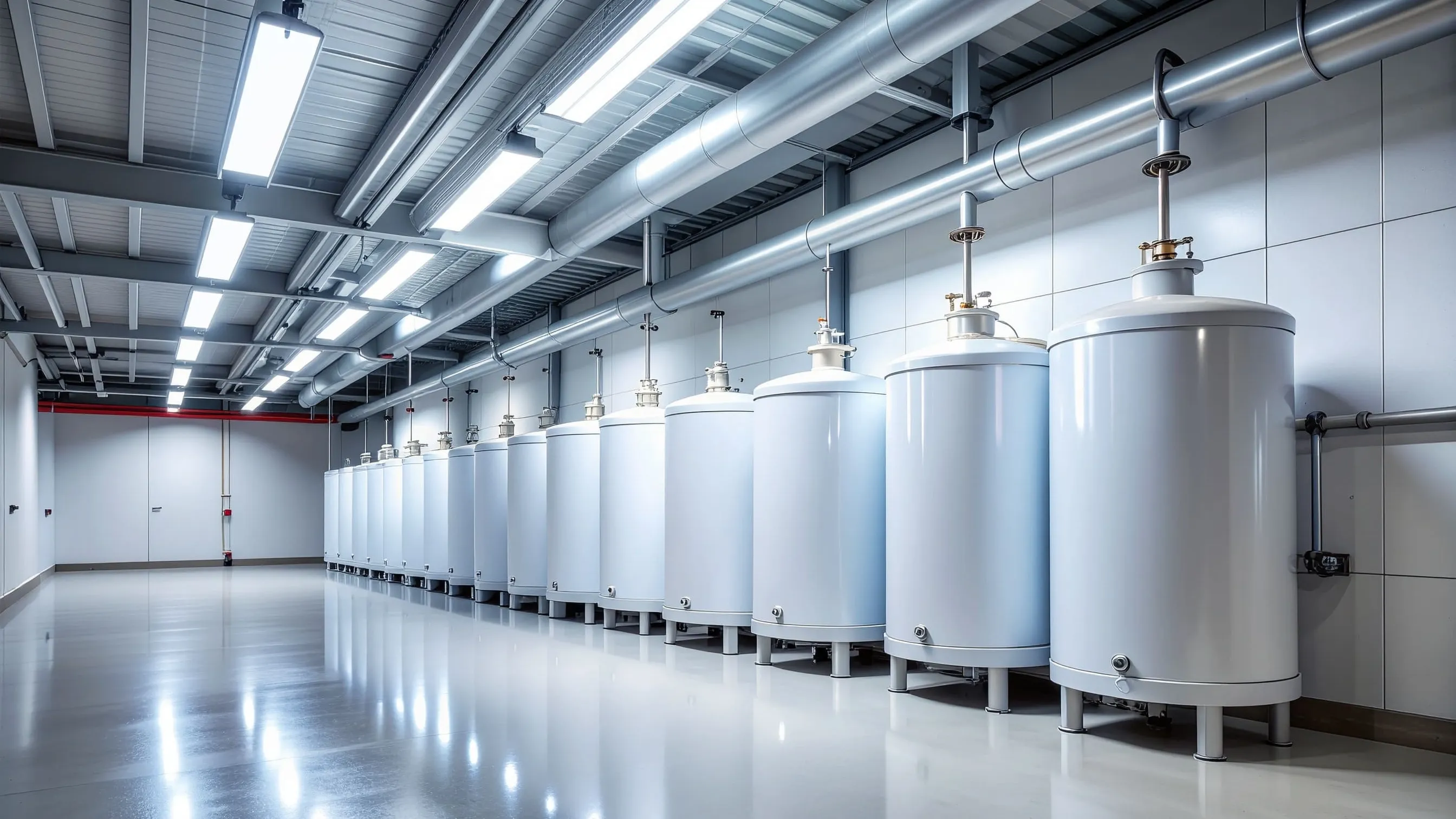
Commercial hot water systems represent one of the most significant energy consumers in non domestic buildings. They account for a massive percentage of total heating costs in hotels, healthcare facilities, and heavy industrial premises. The direct vs indirect water heater commercial decision shapes your operational efficiency and maintenance requirements for decades. Understanding the strict mechanical distinctions between these two approaches enables highly informed specification. You must align your equipment with your exact building usage patterns and existing infrastructure.
The confusion between these specific technologies remains incredibly common across the industry. However, the commercial water heater types they represent serve genuinely different hydraulic and operational needs. What works perfectly in a small retail unit can prove highly costly or physically impractical in a large hospital. Making a clear technical assessment of both configurations is absolutely essential before confirming any mechanical specification.
What Defines Direct Water Heaters
Direct water heaters generate hot water through immediate fuel combustion within the storage vessel itself. Gas burners or heavy electric elements sit directly inside the actual water cylinder. They transfer thermal energy to the stored water directly without using any intermediate heat exchangers. This straightforward approach creates a completely self contained mechanical unit.
The combustion chamber in gas fired direct systems typically sits at the very base of the cylinder. Hot flue gases rise upward through a central metallic water jacket or specific flue baffles. This maximizes the physical heat transfer before the exhaust gases vent safely to the outside atmosphere. Electric direct heaters use powerful immersion elements positioned at strategic heights.
This positioning creates natural thermal stratification within the cylinder. Both configurations deliver rapid temperature recovery when heavy draw off depletes the stored hot water reserves. Direct commercial heaters commonly serve smaller installations where hot water demand remains moderate and highly predictable.
What Defines Indirect Water Heaters
Indirect water heaters separate the heat generation process entirely from the actual water storage. A primary heating circuit circulates hot water through copper or stainless steel coils submerged within the cylinder. Heat transfers across the metallic coil surface to the stored domestic water. This creates a strict heat exchanger separation between the two different fluid circuits.
The primary boiler water never actually touches or mixes with the domestic drinking water at any point. You generate the necessary heat using a dedicated commercial boiler plant located elsewhere in the building. Top manufacturers like Andrews Combination Units design these cylinders strictly for high capacity thermal storage.
Think of an indirect system exactly like a double boiler used in cooking. The primary heat source warms an intermediate layer safely to prevent direct burning. The internal coil surface area determines your exact recovery rate. Larger coil configurations deliver significantly faster reheating times.
Performance Characteristics: Direct Systems
Direct water heaters deliver recovery rates determined strictly by their internal fuel input capacity. A commercial gas fired direct cylinder with a 100kW burner provides highly predictable hot water availability. This specific recovery performance remains completely constant regardless of any other building services operating simultaneously.
Energy efficiency in these commercial water heater types reaches excellent levels when properly maintained. Modern condensing direct heaters achieve spectacular efficiency ratings by capturing waste heat from the exhaust gases. Electric direct systems convert energy at near perfect efficiency directly at the point of use.
However, primary energy pricing factors often make electricity much less favourable than gas for massive commercial applications. Direct systems also face strict physical capacity limitations. Reliable Grundfos Domestic Pumps often handle the secondary distribution for these standalone systems beautifully across smaller commercial networks.
Performance Characteristics: Indirect Systems
Indirect systems achieve massive recovery rates determined heavily by the primary circuit flow temperature. A large indirect cylinder connected to an 80°C primary flow recovers incredibly fast. This superior recovery capability suits massive high demand commercial applications perfectly.
You can connect multiple indirect cylinders to a shared central commercial boiler plant easily. This modular expansion allows your system to grow smoothly as your building occupancy increases over time. The experts at National Pumps and Boilers routinely specify these highly flexible modular indirect setups.
This integration advantage often determines the specification in large hotels and leisure facilities. Both space heating and hot water represent massive year round requirements in these specific buildings. This flexibility remains a key advantage in the direct vs indirect water heater commercial debate.
Installation Requirements and Complexity
Direct gas fired systems require dedicated flue systems for every single appliance. You must also supply adequate combustion air directly into the specific plant room holding the unit. Electric direct systems demand massive electrical supply infrastructure to function safely.
Indirect systems completely eliminate these individual appliance flue requirements. All combustion occurs centrally within the main boiler house location. This simplifies your overall ventilation requirements and gas safety provisions significantly. However, this strict heat exchanger separation requires carefully insulated primary pipework.
You must route this pipework between the boiler plant and the storage cylinders carefully. Premium Wilo Yonos Models push this primary heating fluid through the complex pipe network flawlessly. You must minimise distribution heat losses across these primary runs to maintain overall system efficiency.
Operating Costs and Energy Consumption
Fuel efficiency comparisons must always account for both equipment efficiency and distribution losses. Direct systems avoid distribution losses entirely because the burner sits inside the tank. Indirect systems always lose some thermal energy through the connecting primary pipework.
When analysing the direct vs indirect water heater commercial lifecycle, maintenance costs differ significantly over time. Direct gas heaters require strict annual combustion servicing for every single standalone unit. You must inspect individual burners, check flue integrity, and perform combustion analysis repeatedly.
Indirect cylinders contain absolutely no combustion equipment internally. You only need to perform periodic inspections of the coils, thermostats, and safety devices. Strict compliance with Building Regulations Part L2 requires careful evaluation of these ongoing operational efficiencies. Robust Valve Component Range products ensure your isolated primary circuits remain completely leak free.
System Longevity and Maintenance Demands
Component durability differs wildly between these two mechanical configurations. Direct systems experience severe thermal stress directly on their internal combustion chambers. Hard water scale forms incredibly rapidly on these extremely hot metallic surfaces.
A local hotel manager recently replaced three direct gas heaters after just five years of operation. Severe limescale had fractured the internal combustion chambers completely, causing massive internal flooding. Indirect systems suffer far less thermal shock because the heat transfer across the coil remains much more gradual.
Closed loop primary circuits protect the main boilers from harmful scale accumulation perfectly. You can apply specific chemical inhibitors to the primary water safely. High performance DAB Water Pumps keep this treated primary fluid moving to prevent dangerous hot spots. This separation allows completely different water treatment strategies for each circuit.
Regulatory Compliance and Safety Considerations
British Standard BS 7206 specifies strict performance requirements for commercial unvented hot water systems. Both commercial water heater types must incorporate appropriate temperature and pressure relief devices safely. All commercial systems require heavy duty expansion vessels to manage thermal expansion perfectly.
Safety protocols differ heavily between the two different mechanical approaches. Direct systems require ventilation calculated strictly per individual appliance heat input. Indirect systems concentrate all gas combustion in a single commercial boiler plant room. This centralisation makes comprehensive fire detection and emergency shutdown provisions much easier to implement.
Ensuring total compliance with Building Regulations Part L2 requires calculating the combined efficiency of the boiler and cylinder accurately. High quality Remeha High Efficiency commercial boilers help these indirect setups achieve spectacular seasonal efficiency ratings legally.
Application Suitability by Building Type
Hotels and hospitality facilities usually favour indirect systems due to highly variable daily occupancy patterns. A shared boiler plant can heat the rooms in winter and generate hot water year round effortlessly. This allows rapid recovery during intense morning shower periods without duplicating expensive combustion equipment.
Healthcare facilities require continuous hot water availability for vital infection control protocols. Indirect systems provide the massive thermal capacity needed for daily thermal pasteurisation cycles safely. Industrial manufacturing sites often specify direct systems for isolated process heating requirements.
Educational establishments benefit massively from indirect configurations. They integrate smoothly with existing space heating infrastructure, maximising boiler utilisation across the entire academic term. Independent direct systems work best for isolated sports pavilions or remote washroom facilities.
Conclusion
The direct vs indirect water heater commercial decision affects your operational costs and reliability for decades. Direct systems deliver self contained simplicity perfectly suited for smaller commercial applications with highly predictable demand. Indirect systems provide superior recovery rates and unmatched integration potential for larger, complex buildings.
You must balance your initial capital constraints against these long term operational realities carefully. Buildings with established boiler plant serving space heating loads gain substantial value from indirect hot water integration. Strict adherence to Building Regulations Part L2 remains completely non negotiable for either mechanical choice.
If you need help evaluating your exact building demand profiles and infrastructure, Get Expert Specification Guidance today. Our dedicated engineering team will calculate the perfect mechanical solution for your commercial property.