

How Air-to-Water Heat Pumps Improve Energy Efficiency in Large Spaces
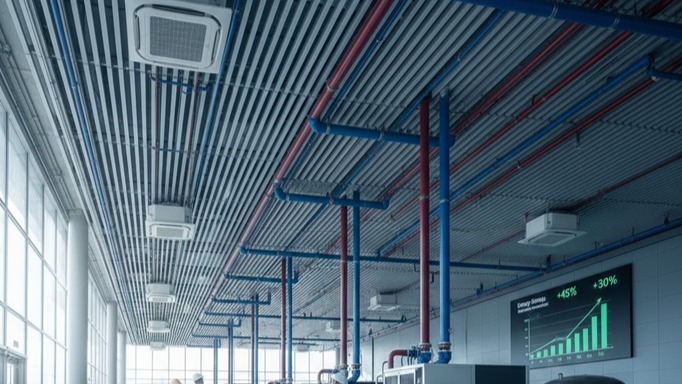
Commercial and industrial facilities face mounting pressure to reduce energy consumption whilst maintaining comfortable, productive environments. Traditional heating systems in warehouses, manufacturing plants, offices, and retail spaces consume substantial energy, generating significant operating costs and carbon emissions. Air-to-water heat pumps offer transformative efficiency improvements, delivering the same heating output whilst consuming far less energy than conventional alternatives. This comprehensive analysis examines how air to water heat pump efficiency benefits large-space applications, quantifying savings potential and explaining the mechanisms that make these systems such effective energy saving heat pump solutions.
Understanding Energy Efficiency in Heat Pump Systems
Heat pumps fundamentally differ from traditional heating systems by moving existing heat rather than generating it through fuel combustion. This distinction creates remarkable efficiency advantages. National Pumps and Boilers specialises in air-to-water heat pump installations for commercial applications, helping facilities achieve substantial energy reductions through properly designed and installed systems.
The Coefficient of Performance (COP) quantifies instantaneous heat pump efficiency - a COP of 3.5 means the system delivers 3.5 kilowatts of heating for every kilowatt of electricity consumed. This represents over 300% efficiency, impossible with any combustion-based heating technology limited by fundamental thermodynamic constraints to maximum efficiencies around 95%. Even accounting for electricity generation losses, heat pumps typically consume 40-60% less primary energy than gas boilers when powering equivalent heating loads.
Seasonal Coefficient of Performance (SCOP) provides more realistic efficiency indicators by accounting for varying outdoor temperatures, defrost cycles, standby consumption, and part-load operation throughout typical heating seasons. Quality commercial air-to-water systems achieve SCOP values between 3.0-4.0 in UK climate conditions. These figures translate directly into operating cost savings - a system with SCOP 3.5 costs approximately 65% less to operate than electric resistance heating and 40-50% less than gas boilers at current energy prices.
Large spaces present unique heating challenges that well-designed heat pump systems address effectively. High ceilings characteristic of warehouses and industrial facilities create vertical temperature stratification where warm air accumulates near roof level, wasting energy heating unused space. Destratification fans combined with low-temperature radiant or underfloor heating systems maintain comfort at occupied levels whilst minimising wasted heat. Intermittent occupancy patterns in facilities operating single shifts allow sophisticated control strategies that reduce temperatures during unoccupied periods, pre-heating before occupancy begins using off-peak electricity.
Energy-Saving Mechanisms in Air-to-Water Systems
Inverter technology driving modern heat pump compressors delivers profound efficiency improvements compared to fixed-speed alternatives. Variable frequency drives modulate compressor speed continuously, matching heating output precisely to building requirements. This eliminates the on-off cycling characteristic of fixed-speed systems, reducing electrical consumption, extending equipment life, and maintaining stable temperatures without uncomfortable swings.
Part-load efficiency represents where inverter-driven systems truly excel. Large heating systems rarely operate at full capacity - only during extreme cold weather does design capacity become necessary. Most operating hours involve part-load conditions where conventional systems cycle inefficiently. Inverter systems reduce capacity by slowing compressor and fan speeds, operating continuously at reduced output whilst maintaining higher efficiency than full-capacity operation. This advantage proves particularly valuable in large buildings where thermal mass dampens load variations and allows extended low-speed operation.
Low-temperature heating distribution maximises air to water heat pump efficiency by allowing systems to operate at optimal condensing temperatures. Conventional boiler systems typically deliver 70-80°C flow temperatures, necessitating high fuel consumption to achieve such elevated temperatures. Heat pumps operate most efficiently producing 45-55°C flow, significantly reducing compressor work and energy input. Underfloor heating designed for 35-45°C operation pairs ideally with heat pump technology, delivering comfortable radiant warmth whilst allowing peak efficiency.
Existing radiator systems sized for high-temperature boiler operation may require upsizing when converting to heat pump heating. However, many installations discover original radiators were oversized or building fabric improvements have reduced heat loss, allowing adequate heating at lower temperatures. Professional heat loss calculations determine whether existing emitters suffice or require supplementation. Central heating pumps must be properly sized to deliver design flows at lower temperature differentials characteristic of heat pump systems.
Comparing Energy Consumption with Traditional Systems
Direct comparison against gas boiler heating illuminates heat pump advantages. Consider a 100kW heating load facility currently served by a 95% efficient condensing gas boiler. Annual gas consumption for 2,000 heating hours totals approximately 211,000 kWh. At current commercial gas prices around 7p/kWh, annual heating costs reach £14,770. Carbon emissions total roughly 42 tonnes CO2 annually.
Replacing with an air-to-water heat pump system achieving SCOP 3.2 reduces electricity consumption to approximately 62,500 kWh annually. At commercial electricity rates around 20p/kWh, operating costs total £12,500 - saving £2,270 annually despite higher electricity unit costs. Carbon emissions drop to approximately 16 tonnes CO2 using current grid electricity, representing 62% reduction. As grid electricity decarbonises through renewable generation expansion, heat pump carbon credentials improve further without any system modifications.
Electric resistance heating suffers from fundamental inefficiency, converting expensive electricity directly to heat at 100% efficiency - woefully inadequate compared to heat pump technology. The same 100kW heating load requires 200,000 kWh electricity annually using resistance heating, costing £40,000 at commercial rates. Heat pumps reduce consumption by approximately 69% and costs by £27,500 annually compared to electric heating - payback periods often under 3 years despite higher capital costs.
Oil heating comparisons prove even more favourable for heat pumps. Oil price volatility creates budgeting uncertainty whilst environmental impact increasingly attracts regulatory attention. Heat pump installations eliminate fuel storage infrastructure, delivery logistics, and combustion byproduct concerns. Operating cost savings combined with maintenance simplifications often justify conversion investments even before considering carbon reduction imperatives.
Maximising Efficiency Through System Design
Proper equipment sizing critically affects efficiency and operating costs. Oversized heat pumps cycle frequently during mild conditions, reducing efficiency and increasing wear. Undersized systems struggle during peak demand, requiring supplementary heating that undermines efficiency objectives. Professional heat load calculations accounting for building fabric, ventilation rates, internal gains, and climate data ensure appropriate capacity selection.
Multiple smaller heat pump units often outperform single large systems in facilities exceeding 100kW heating capacity. Multiple units provide redundancy during failures or maintenance, allow phased installation matching budget constraints, and improve part-load efficiency through lead-lag sequencing where one unit handles base load whilst others supplement during peak demand. Commercial circulators must be sized appropriately for multi-unit installations to deliver design flows whilst minimising circulation energy.
Buffer vessels provide thermal storage that improves system stability and efficiency. Thermal mass smooths system operation, reduces short cycling, accommodates minimum flow requirements, and allows heat pumps to operate at steady state where efficiency peaks. Buffer sizing depends on system characteristics - typically 10-20 litres per kilowatt heating capacity provides adequate thermal storage. Larger vessels benefit systems with significant load variations or multiple heating zones operating independently.
Distribution system optimisation yields substantial efficiency improvements often overlooked during heat pump installations. Properly sized pipework minimises pressure drop and circulation energy whilst maintaining adequate flow velocities. Variable speed circulation pumps modulate flow matching instantaneous demand, consuming far less energy than constant-speed alternatives. Hydraulic balancing ensures design flows reach all zones without excessive circulation that wastes pump energy. Comprehensive pipe insulation prevents distribution losses that undermine heat pump efficiency gains.
Control Strategies for Large Space Efficiency
Weather compensation controls automatically adjust heating output based on outdoor temperature, maintaining comfort whilst maximising efficiency. Outdoor sensors continuously measure temperature, adjusting flow temperature along pre-programmed curves matching building characteristics. Colder conditions trigger higher flow temperatures to maintain warmth whilst mild weather allows reduced temperatures that improve efficiency. This automated optimisation requires no occupant intervention yet delivers substantial energy savings.
Advanced control systems incorporate learning algorithms that adapt to building-specific thermal characteristics. Machine learning identifies patterns relating outdoor conditions, occupancy, and heating demand, optimising control strategies automatically. These systems predict heating requirements in advance, pre-warming spaces before occupancy using most efficient operating modes whilst minimising energy waste from excessive pre-heating.
Occupancy-based scheduling dramatically reduces energy consumption in facilities with predictable operating patterns. Programme temperature reductions during unoccupied periods - even modest setback (3-5°C) generates significant savings. Optimised start algorithms calculate required pre-heating time based on outdoor temperature and building thermal response, eliminating unnecessary heating whilst ensuring comfort when occupants arrive. Some advanced systems integrate with access control or lighting systems, automatically responding to actual occupancy rather than scheduled assumptions.
Zone control allows different building areas to be heated independently based on usage requirements. Office areas may require 20-22°C whilst warehouse zones operate comfortably at 16-18°C. Manufacturing processes might generate heat requiring minimal supplementary heating or even cooling whilst adjacent spaces need full heating. Independent temperature control for each zone prevents energy waste from overheating lightly used areas. Grundfos circulators specified for zone control applications deliver reliable performance with sophisticated control integration.
Real-World Efficiency Performance Data
A 5,000 square metre warehouse facility in Yorkshire converted from diesel-fired warm air heating to air-to-water heat pumps serving underfloor heating circuits. The previous system consumed approximately 85,000 litres diesel annually costing £51,000 at prevailing rates whilst generating 227 tonnes CO2. The replacement heat pump system draws 220,000 kWh electricity annually costing £44,000, saving £7,000 whilst reducing carbon emissions by 66%. Warehouse staff report improved thermal comfort from radiant heating compared to warm air systems that created drafts and temperature stratification.
An office building housing 250 employees replaced ageing gas boilers with air-to-water heat pumps integrated with existing radiator circuits. Pre-installation energy monitoring recorded 420,000 kWh annual gas consumption. Post-installation monitoring confirms 148,000 kWh electricity consumption representing 65% primary energy reduction accounting for generation losses. Beyond direct energy savings, the facility benefits from significantly improved zonal control enabling different floor temperatures based on occupancy and solar gains. Meeting rooms feature automatic setback when unoccupied, further optimising consumption.
A manufacturing facility producing medical devices installed air-to-water heat pumps exploiting heat recovery opportunities. Production processes generate waste heat captured and distributed to administrative areas requiring heating. Simultaneously, the system provides process cooling where needed. This integrated approach reduced total energy consumption by 58% compared to separate heating and cooling systems whilst improving production environment stability critical for quality control. Investment payback occurred within 3.8 years despite substantial capital expenditure.
Environmental Benefits and Carbon Reduction
UK government net-zero commitments by 2050 require decarbonising heating in buildings currently responsible for approximately 30% of UK carbon emissions. Heat pumps represent the most viable pathway for decarbonising commercial heating at scale. Current grid electricity carbon intensity around 250 grams CO2 per kWh means heat pumps already offer substantial emissions reductions compared to gas heating. As renewable generation expands, grid electricity progressively decarbonises, automatically improving heat pump carbon credentials without any equipment modifications.
On-site renewable generation provides compelling synergies with heat pump technology. Solar photovoltaic arrays generate maximum output during daylight hours when commercial buildings operate. Coupling solar generation with heat pump consumption reduces grid electricity purchases and maximises renewable energy utilisation. Battery storage extends solar utilisation beyond generation hours, enabling off-peak charging for morning pre-heating operations. Some advanced installations sell excess generation to the grid, generating revenue whilst contributing to decarbonisation.
Refrigerant environmental impact deserves consideration beyond operational energy efficiency. Traditional refrigerants possess high Global Warming Potential (GWP) - if released to atmosphere through leaks or improper disposal, climate impact can be substantial. Modern systems increasingly use lower-GWP refrigerants reducing this concern. Proper system design minimising refrigerant charge, rigorous leak testing during maintenance, and responsible end-of-life refrigerant recovery ensure environmental impact remains minimal. F-Gas regulations mandate these practices, though responsible operators exceed minimum compliance.
Financial Considerations and Return on Investment
Capital costs for commercial air-to-water heat pump installations typically range £800-£1,500 per kilowatt heating capacity, varying with system complexity, site conditions, and distribution system requirements. A 100kW installation might cost £80,000-£150,000 including all associated works. While substantial, these investments deliver attractive payback periods through operating cost savings, typically 4-8 years depending on displaced fuel type and operating hours.
Government incentives historically supported renewable heating adoption through schemes like the Non-Domestic Renewable Heat Incentive. While this programme closed to new applicants, future support mechanisms will likely emerge supporting decarbonisation objectives. Even without direct subsidies, operating cost savings combined with carbon compliance requirements justify heat pump investments for most commercial applications. Some organisations access green finance products offering favourable terms for energy efficiency investments.
Operational cost advantages extend beyond fuel savings. Wilo pumps and other modern circulation equipment consume far less energy than older constant-speed alternatives. Heat pump systems typically require less maintenance than combustion equipment - no flue cleaning, combustion analysis, or burner servicing. Annual service costs run £400-800 compared to £600-1,200 for equivalent gas boiler systems. Equipment lifespans of 15-20 years with proper maintenance provide long-term reliability and predictable whole-life costs.
Performance contracting arrangements allow organisations to implement heat pump installations without upfront capital expenditure. Energy service companies (ESCOs) fund installations, recovering investments through shared energy savings over contract periods typically 10-15 years. This approach suits organisations lacking capital budgets or preferring to focus resources on core business activities rather than heating infrastructure. Performance guarantees ensure savings materialise as predicted, protecting clients from underperformance risks.
Future Developments in Heat Pump Efficiency
Next-generation refrigerants promise improved thermodynamic properties enhancing efficiency whilst reducing environmental impact. R32 and other low-GWP alternatives offer better heat transfer characteristics than traditional refrigerants, enabling smaller, more efficient systems. Natural refrigerants including CO2, propane, and ammonia gain adoption in commercial applications, eliminating synthetic chemical concerns entirely whilst achieving excellent performance.
Advanced heat exchanger designs incorporating micro-channel technology and enhanced surface treatments improve thermal efficiency within compact footprints. These innovations reduce refrigerant charge requirements whilst maintaining or improving heat transfer performance. Computational fluid dynamics optimisation ensures airflow patterns maximise heat exchange whilst minimising fan energy and acoustic emissions.
Artificial intelligence integration enables sophisticated optimisation beyond conventional control capabilities. AI systems analyse vast datasets identifying subtle patterns invisible to traditional control logic, continuously refining operating parameters for maximum efficiency. Predictive maintenance algorithms monitor equipment health, scheduling service interventions before failures occur, maximising uptime and preventing cascading damage from neglected issues. These smart systems learn building-specific characteristics, automatically adapting to changes in occupancy patterns, thermal performance, or climate conditions.
Grid flexibility services offer emerging revenue opportunities for heat pump installations with thermal storage. Demand response programmes pay facilities to reduce consumption during grid stress periods or shift loads to times with abundant renewable generation. Heat pumps coupled with thermal storage provide ideal loads for flexibility services - pre-heat buildings using off-peak electricity, release stored thermal energy during peak periods whilst system remains idle, supporting grid stability whilst reducing operating costs. As electricity markets evolve toward time-of-use pricing, these capabilities become increasingly valuable.
Commercial air-to-water heat pumps deliver exceptional air to water heat pump efficiency improvements in large-space applications, reducing energy consumption 40-70% compared to traditional heating whilst providing superior comfort and control. Operating cost savings, carbon emission reductions, and future regulatory compliance justify investments even before considering intangible benefits including improved indoor environments and simplified maintenance. Properly designed and installed systems from experienced specialists ensure maximum efficiency benefits are realised. For expert guidance on energy saving heat pump solutions tailored to your facility requirements, contact us to discuss heat pump options and expected performance in your specific application.