

How Air-to-Water Heat Pumps Work in Commercial Applications
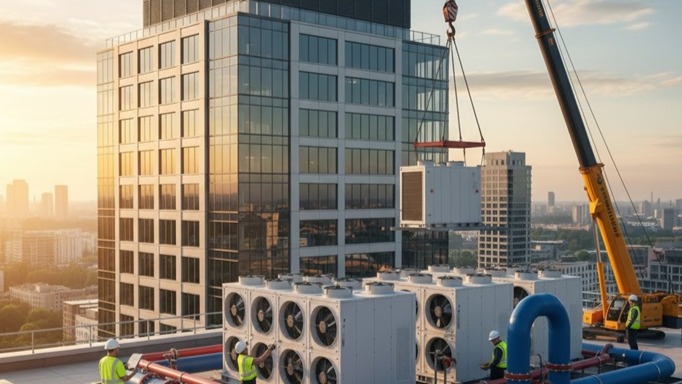
Air to water heat pump technology represents a transformative approach to commercial air-to-water heat pumps heating, delivering exceptional efficiency whilst supporting decarbonisation goals. As commercial property owners face increasing pressure to reduce carbon emissions alongside rising energy costs, heat pump technology offers viable solutions meeting both environmental and economic objectives. This comprehensive guide explains how air-to-water heat pumps operate, their suitability for commercial applications, and key considerations for successful implementation.
Understanding Air-to-Water Heat Pump Fundamentals
Before exploring commercial applications, understanding basic operating principles provides essential context for evaluating air to water heat pump technology and performance characteristics.
Basic Operating Principles
Refrigeration cycle basics underpin heat pump operation, moving thermal energy from lower to higher temperature levels using mechanical compression. This process reverses natural heat flow direction, extracting warmth from cold outdoor air and concentrating it for building heating - seemingly magical but following established thermodynamic principles.
Heat extraction from outdoor air occurs even at temperatures below freezing. The refrigerant evaporates at extremely low temperatures, absorbing heat from outdoor air passing over the evaporator coil. Whilst counterintuitive, significant thermal energy exists in air at -10°C or even colder, enabling continued heat pump operation during winter months.
Heat transfer to water happens in the condenser where compressed refrigerant releases absorbed heat warming water for distribution throughout buildings. This heated water flows through conventional hydronic distribution systems serving radiators, underfloor heating, or fan coil units just like traditional boiler systems.
Energy efficiency concepts distinguish heat pumps from conventional heating. Rather than generating heat through combustion, heat pumps move existing thermal energy using electricity. For every unit of electrical input, heat pumps deliver 3-4 units of heat output - efficiency impossible with direct electric heating or combustion systems.
Key Components
Outdoor unit elements include the evaporator coil extracting heat from air, variable-speed compressor pressurising refrigerant, outdoor fan circulating air across the evaporator, and defrost system preventing ice accumulation. These components operate continuously during heating season, requiring weatherproof construction tolerating outdoor exposure.
Indoor hydraulic components comprise the water-side heat exchanger (condenser) transferring heat to system water, circulation pump moving heated water through distribution systems, buffer tank providing thermal storage, and expansion vessel accommodating system volume changes. Grundfos commercial heat pump circulators provide reliable water circulation optimising system performance.
Refrigerant circuit connects outdoor and indoor components, containing specialised refrigerant circulating between gas and liquid states whilst absorbing and releasing thermal energy. Modern refrigerants balance thermodynamic performance with environmental responsibility, though proper handling remains essential throughout system lifespan.
Control systems orchestrate heat pump operation responding to heating demands, outdoor conditions, and system parameters. Sophisticated controls optimise performance across varying conditions whilst protecting equipment from operating outside design parameters.
How the Refrigeration Cycle Works
Understanding the four-stage refrigeration cycle explains how air to water heat pump systems achieve remarkable efficiency moving thermal energy.
The Four-Stage Process
Evaporation stage begins the cycle as liquid refrigerant passes through the expansion valve entering the outdoor evaporator coil. Pressure reduction causes rapid evaporation, with the phase change absorbing substantial heat from outdoor air passing across coil surfaces. Even at -10°C outdoor temperature, enough thermal energy exists for refrigerant evaporation.
Compression stage sees the compressor draw low-pressure refrigerant vapour from the evaporator, compressing it to high pressure and temperature. This compression requires electrical energy input but dramatically increases refrigerant temperature above that needed for heating buildings. Variable-speed compressors modulate capacity matching demand precisely whilst optimising efficiency.
Condensation stage transfers heat to system water. Hot, high-pressure refrigerant vapour enters the water-side heat exchanger where it condenses back to liquid state whilst releasing absorbed heat. This thermal energy warms water circulating through building heating systems. The condensation process reverses evaporation, releasing equivalent thermal energy absorbed outdoors.
Expansion stage completes the cycle as high-pressure liquid refrigerant passes through the expansion valve, reducing pressure whilst preparing for evaporation. This pressure reduction enables refrigerant evaporation at low temperatures, restarting the continuous cycle.
Coefficient of Performance
COP explanation quantifies heat pump efficiency as the ratio of heat output to electrical input. A COP of 3.5 means the system delivers 3.5 units of heat for each unit of electricity consumed - 350% efficiency impossible with combustion heating. Higher COP values indicate superior efficiency translating to lower operating costs.
Seasonal performance factors (SCOP) account for varying efficiency across heating seasons including defrost cycles and part-load operation. SCOP provides more realistic efficiency estimates than peak COP values, typically ranging 2.5-3.5 for well-designed commercial air-to-water heat pumps installations.
Temperature dependency significantly impacts performance with COP declining as outdoor temperatures drop. Heat pumps operate most efficiently during mild weather, with performance degrading gradually during extreme cold. This characteristic influences system sizing and backup heating requirements.
Air-to-Water vs Other Heat Pump Types
Comparing air to water heat pump technology against alternatives clarifies appropriate application scenarios and relative advantages.
Comparison with Ground Source
Installation differences favour air-to-water systems requiring only outdoor unit placement versus ground source systems demanding extensive ground loop installation. Ground source installation costs typically exceed air-to-water by 50-100%, though performance advantages sometimes justify premiums.
Performance characteristics show ground source systems achieving higher COP values through stable ground temperatures compared to variable air temperatures. However, modern air-to-water systems narrow performance gaps whilst offering substantially lower installation costs and simpler maintenance.
Cost considerations typically favour air-to-water for commercial retrofit applications where ground loop installation proves impractical or prohibitively expensive. New construction projects sometimes justify ground source systems through enhanced performance, though air-to-water systems increasingly competitive.
Advantages Over Air-to-Air Systems
Distribution method benefits see air to water heat pump systems using established hydronic distribution compatible with radiators and underfloor heating. This compatibility enables straightforward retrofits replacing existing boilers whilst retaining distribution infrastructure. Wilo heat pump circulators integrate seamlessly with existing piping networks.
Integration with existing systems proves simpler for water-based distribution compared to installing extensive ductwork for air-to-air systems. Commercial buildings often lack space for duct installation, making hydronic distribution more practical.
Comfort quality typically exceeds air-to-air systems through gentler heat delivery without forced air circulation. Hydronic heating eliminates drafts, reduces noise, and maintains better humidity levels compared to ducted air systems.
Commercial Applications and Sizing
Commercial air-to-water heat pumps suit diverse building types when properly sized and configured for specific applications.
Suitable Building Types
Office buildings represent ideal applications with moderate heating demands, regular occupancy schedules, and opportunities for efficient low-temperature heat distribution. Open-plan layouts particularly suit underfloor heating optimising heat pump efficiency.
Retail spaces benefit from quiet operation and unobtrusive heating distribution preserving merchandise display space. Heat pumps' efficiency reduces operating costs whilst supporting corporate sustainability goals increasingly important for retail brands.
Healthcare facilities increasingly adopt heat pump technology supporting infection control through reduced air circulation whilst maintaining patient comfort. Quiet operation proves valuable in patient care environments.
Educational institutions' moderate heating requirements and sustainability focus align well with heat pump characteristics. Long operational lifespans suit institutional planning horizons whilst efficiency reduces ongoing operating costs.
Capacity Determination
Heat load calculations establish precise heating requirements accounting for building envelope, occupancy, ventilation, and climate. Professional calculations prevent undersizing causing comfort problems or oversizing wasting capital whilst reducing efficiency.
Design temperature considerations influence capacity selections. Heat pumps sized meeting 100% of heating demand at design outdoor temperatures prove expensive, with hybrid configurations providing backup heating for extreme conditions often more economical.
Buffer tank requirements provide thermal storage decoupling heat pump operation from instantaneous heating demands. Adequate buffer volume prevents excessive cycling whilst enabling efficient continuous operation. Typical commercial installations require 20-50 litres per kW of heat pump capacity.
System Design Considerations
Successful air to water heat pump installations require careful attention to heat emitter compatibility, distribution requirements, and backup heating integration.
Heat Emitter Compatibility
Low-temperature radiators suit heat pump operation delivering adequate heat output at 45-55°C flow temperatures. Standard radiators designed for 75-80°C operation require oversizing or replacement enabling low-temperature operation. Calculate required emitter capacity at reduced flow temperatures preventing inadequate heating.
Underfloor heating suitability proves excellent with design temperatures of 35-45°C matching heat pump optimal operating range. Buildings with underfloor heating achieve superior heat pump efficiency and comfort compared to radiator systems. Central heating systems combining underfloor and low-temperature radiators optimise performance.
Fan coil integration enables buildings requiring cooling capability alongside heating. Fan coils accommodate lower heating water temperatures whilst providing cooling when connected to chillers or reversible heat pumps. This dual capability suits office buildings and healthcare facilities needing year-round environmental control.
Distribution System Requirements
Flow temperature specifications typically range 35-55°C for heat pump systems compared to 60-80°C for conventional boilers. Lower temperatures maximise heat pump efficiency whilst requiring larger heat emitters or increased flow rates maintaining heat delivery. Design systems explicitly for low-temperature operation rather than assuming conventional boiler temperatures.
Pipe sizing considerations ensure adequate flow rates at lower temperature differentials. Heat pump systems typically operate with 5-10°C temperature differentials compared to 15-20°C for boiler systems, requiring higher flow rates achieving equivalent heat delivery. Verify existing piping accommodates required flows or plan necessary upgrades.
Hydraulic separation between heat pump and distribution circuits enables independent operation optimising each circuit. Low-loss headers or buffer tanks provide hydraulic decoupling allowing distribution pumps to operate independently from heat pump circulation.
Backup Heating Integration
Bivalent operation combines heat pumps with conventional heating covering peak demands or providing emergency backup. The heat pump handles base heating loads efficiently, with backup heating activating only during extreme cold or heat pump maintenance. This approach balances capital costs with operating efficiency.
Hybrid system configurations integrate heat pumps with existing boilers, with controls selecting the most efficient heat source for prevailing conditions. Mild weather operation relies exclusively on heat pumps, whilst extreme cold shifts to boiler operation or combined mode.
Peak load management uses heat pumps for continuous base loads with supplementary heating addressing short-duration peaks. This strategy minimises heat pump capacity requirements reducing capital costs whilst maintaining adequate heating capability.
Installation Requirements
Professional installation following manufacturer specifications ensures commercial air-to-water heat pumps deliver design performance.
Outdoor Unit Placement
Space requirements include adequate clearances for airflow and service access. Manufacturers specify minimum clearances preventing air recirculation and enabling maintenance. Typical requirements include 1-2 metres clearances on air intake sides with lesser clearances for service access.
Noise considerations influence outdoor unit location relative to building occupants and neighbours. Modern heat pumps operate quietly, though sound levels warrant attention in noise-sensitive environments. Acoustic enclosures or screening provides additional sound attenuation when necessary.
Clearance needs include protection from falling ice or snow from roofs and gutters. Elevated plinths raise units above anticipated snow accumulation levels, whilst weather canopies protect from falling ice without restricting airflow.
Weather protection requirements vary by climate with some installations benefiting from shelters protecting against extreme conditions whilst maintaining adequate ventilation. However, outdoor units tolerate weather exposure when properly specified for local conditions.
Indoor Components Installation
Buffer tank placement influences available locations for other components with substantial physical size and weight requiring structural support. Locate tanks near heat pumps minimising pipe runs whilst ensuring access for maintenance and eventual replacement.
Control location affects user interaction and service accessibility. Wall-mounted controls require protected indoor locations away from extreme temperatures or moisture. Integration with building management systems enables centralised monitoring and control.
Electrical requirements include dedicated circuits sized for heat pump power consumption. Large commercial units require three-phase power whilst smaller units operate on single-phase supplies. Verify electrical service capacity accommodates heat pump loads.
Connection to Existing Systems
Integration challenges arise adapting new heat pumps to existing distribution systems designed for higher temperatures. Address radiator sizing, control compatibility, and hydraulic configuration ensuring successful integration.
Retrofit considerations include preserving building operation during installation. Phased approaches maintain heating in portions of buildings whilst work proceeds elsewhere. Plan installations during mild weather or low occupancy periods minimising disruption.
System modifications sometimes necessary include hydraulic separation installation, control system upgrades, and heat emitter replacements. Budget these modifications alongside heat pump costs for realistic project planning.
Performance Factors
Multiple factors influence air to water heat pump performance affecting efficiency, capacity, and operating costs.
Temperature Impact on Efficiency
Outdoor temperature effects dramatically influence heat pump COP with efficiency declining as outdoor temperatures drop. COP values of 4.0+ achieve during mild weather whilst dropping to 2.0-2.5 during severe cold. Seasonal averaging typically yields SCOP of 2.5-3.5 depending on climate and system design.
Flow temperature requirements directly impact efficiency with lower temperatures enabling superior COP. Systems designed for 35-40°C flow temperatures achieve dramatically better efficiency than those requiring 50-55°C. Every 5°C flow temperature reduction improves COP approximately 10-15%.
Optimal operating ranges balance efficiency against heating capacity and comfort. Commercial systems typically target 45-50°C flow temperatures balancing efficiency with practical heat distribution. Underfloor heating systems operate more efficiently at 35-40°C whilst radiator systems require higher temperatures.
Building Fabric Importance
Insulation requirements prove more critical for heat pump systems than conventional heating. Well-insulated buildings with low heat losses enable smaller, more efficient heat pumps operating at lower temperatures. Poor insulation forces larger, less efficient systems compromising economics.
Heat loss minimisation through envelope improvements enhances heat pump viability and performance. Address envelope deficiencies before installing heat pumps, as retrofit insulation proves more economical than oversized heat pumps compensating for heat losses.
Fabric-first approach prioritises building envelope improvements before mechanical system upgrades. This methodology delivers superior overall efficiency whilst reducing required heat pump capacity and improving occupant comfort.
Control and Optimisation
Sophisticated controls maximise commercial air-to-water heat pumps performance whilst protecting equipment and maintaining comfort.
Control Strategies
Weather compensation adjusts flow temperatures based on outdoor conditions, raising temperatures during cold weather whilst reducing during mild conditions. This optimisation maintains comfort whilst maximising efficiency during favourable conditions.
Load management distributes heating demand across multiple heat pumps or between heat pumps and backup heating. Controls select optimal equipment configurations minimising operating costs whilst ensuring adequate capacity.
Defrost cycles temporarily reverse heat pump operation melting ice accumulation on outdoor coils. Modern controls optimise defrost timing and duration minimising energy waste whilst preventing performance degradation from ice buildup.
Smart Controls Integration
Building management systems enable centralised monitoring and control across all building services. Heat pump integration provides performance visibility, enables coordinated control strategies, and supports proactive maintenance through condition monitoring.
Remote monitoring allows off-site oversight of heat pump operation identifying problems before they cause failures. Performance trending reveals efficiency degradation prompting maintenance before major issues develop.
Predictive operation uses forecasts and building thermal models preheating buildings before occupancy whilst minimising energy consumption. Advanced controls learn building behaviour optimising operation automatically.
Maintenance and Servicing
Regular maintenance preserves air to water heat pump efficiency and reliability throughout extended operational lifespans.
Routine Maintenance Tasks
Filter cleaning maintains airflow across outdoor coils preserving heat exchange efficiency. Quarterly filter inspection and cleaning prevents performance degradation from reduced airflow.
Refrigerant level checks verify proper charge without leaks. Annual professional inspection ensures refrigerant quantities remain within specifications. Low refrigerant dramatically reduces efficiency and capacity requiring prompt attention.
Electrical connection inspection identifies loose terminals, damaged insulation, or corrosion affecting reliable operation. Annual inspection catches developing problems before they cause failures.
Professional Servicing
Annual maintenance requirements include comprehensive inspection, testing, and adjustment by qualified technicians. Professional service verifies proper operation, optimises performance, and identifies necessary repairs or adjustments.
Component replacement schedules anticipate wear items requiring periodic replacement. Compressors typically last 15-20 years, whilst circulation pumps, expansion valves, and controls require earlier replacement. National Pumps and Boilers provides comprehensive heat pump servicing maintaining optimal performance.
Performance monitoring tracks efficiency trends identifying degradation requiring attention. Compare actual performance against design expectations investigating significant discrepancies indicating problems or optimisation opportunities.
Economic Considerations
Understanding operating costs, capital requirements, and returns guides commercial air-to-water heat pumps investment decisions.
Operating Costs
Electricity consumption determines ongoing operating expenses with typical commercial heat pumps consuming 25-40% of the energy equivalent conventional boilers would require heating the same buildings. Actual consumption depends on climate, building characteristics, and system design.
Seasonal variations see highest consumption during winter heating peaks whilst summer months involve minimal or no heating energy. Annual operating costs depend on regional climate with colder regions naturally requiring more heating regardless of system type.
Cost comparison with alternatives demonstrates heat pump advantages despite higher electricity unit costs compared to gas. Superior efficiency overcomes electricity cost premiums delivering 30-50% lower operating costs in typical applications.
Capital Investment
Equipment costs for commercial heat pumps range £800-1,500 per kW installed capacity depending on system sophistication and capacity. Larger systems achieve better per-kW costs through economies of scale.
Installation expenses typically add 50-100% to equipment costs depending on site conditions, integration complexity, and local labour rates. Straightforward installations in new buildings cost less than complex retrofits adapting existing systems.
Incentives and grants from government and utility programmes sometimes offset capital costs improving project economics. Research available incentives during planning stages maximising financial support.
Return on Investment
Energy savings calculations compare projected heat pump operating costs against existing heating expenses. Typical commercial applications achieve 30-50% energy cost savings translating to annual savings of £5,000-50,000+ depending on building size and climate.
Payback periods typically range 7-12 years for commercial heat pump installations including equipment, installation, and incentives. Favourable electricity-to-gas price ratios, high existing heating costs, and available incentives shorten payback periods.
Lifecycle cost analysis over 20-year horizons demonstrates heat pump financial advantages through cumulative operating savings substantially exceeding higher initial investments. Include maintenance costs and eventual equipment replacement in comprehensive lifecycle analysis.
Environmental Benefits
Air to water heat pump technology supports decarbonisation goals whilst delivering economic benefits through exceptional efficiency.
Carbon Emission Reductions
Decarbonisation contribution proves substantial with heat pumps typically reducing carbon emissions 40-70% compared to gas boilers depending on electricity grid carbon intensity. As grids progressively decarbonise, heat pump environmental benefits increase automatically without equipment changes.
Grid electricity carbon intensity varies regionally and temporally with renewable generation displacing fossil sources. UK grid carbon intensity has declined 60%+ over recent decades with continuing reductions making heat pumps progressively more sustainable.
Future-proofing considerations favour heat pumps as electricity grids decarbonise whilst gas infrastructure faces uncertain long-term viability. Heat pump investments align with net-zero pathways whilst conventional fossil fuel systems face potential obsolescence.
Refrigerant Environmental Impact
GWP considerations affect environmental impacts with modern refrigerants balancing thermodynamic performance against global warming potential. Specify systems using low-GWP refrigerants minimising environmental impacts from potential leaks.
Leak prevention through proper installation, regular maintenance, and quality components minimises refrigerant releases. Modern systems incorporate leak detection and automated shutdown protecting both environment and equipment.
Responsible disposal at end-of-life ensures refrigerant recovery and proper equipment recycling. Professional decommissioning prevents environmental releases whilst recovering valuable materials.
Common Challenges and Solutions
Understanding typical challenges enables proactive solutions ensuring successful commercial air-to-water heat pumps implementation.
Cold Weather Performance
Capacity reduction in extreme cold affects all air-source heat pumps with output declining as outdoor temperatures drop. Size systems accounting for cold weather capacity reduction or provide backup heating covering capacity shortfalls.
Defrost cycle management prevents ice accumulation on outdoor coils. Modern controls optimise defrost timing and duration minimising energy consumption whilst maintaining performance. Excessive defrosting indicates problems requiring investigation.
Hybrid system benefits include backup heating covering peak demands or extreme cold periods. Combining heat pumps with existing boilers provides economical solutions balancing efficiency with adequate capacity.
Noise Management
Sound level expectations range 50-65 dBA at 1 metre from outdoor units - comparable to conversation or background music. Modern heat pumps operate quieter than older units, though noise warrants consideration in sensitive locations.
Acoustic treatment options include sound barriers, enclosures, or anti-vibration mounting reducing noise transmission. Evaluate acoustic treatments when installations near noise-sensitive areas.
Neighbour considerations become relevant with outdoor units near property boundaries. Verify local regulations regarding noise emissions and consider neighbour impacts during planning.
Case Studies
Real-world commercial air-to-water heat pumps installations demonstrate achievable outcomes guiding expectations.
Successful Commercial Installations
Office building examples show 40-50% energy savings replacing conventional boilers with heat pump systems. Occupant satisfaction improves through quieter operation and better temperature control.
Retail applications demonstrate heat pump viability in diverse building types with varying load profiles. Quick-recovery capability supports intermittent operation patterns common in retail.
Educational facility results highlight heat pump reliability and efficiency in demanding applications. Long-term monitoring confirms sustained performance with minimal maintenance requirements.
Performance Data
Actual COP achievements in commercial installations typically range 2.5-3.8 depending on climate, building characteristics, and system design. Well-designed systems in moderate climates achieve upper range performance.
Energy savings realised average 30-50% compared to replaced conventional systems. Actual savings depend on existing system efficiency, usage patterns, and electricity-to-fuel price ratios.
Occupant satisfaction surveys consistently show positive responses regarding comfort, noise levels, and environmental awareness. Heat pump systems enhance building appeal to environmentally conscious occupants.
Conclusion
Air to water heat pump technology delivers efficient, sustainable heating for diverse commercial air-to-water heat pumps applications. Understanding operating principles, performance factors, and design requirements enables successful implementation achieving intended economic and environmental benefits.
Professional design addressing building characteristics, heat emitter compatibility, and control strategies proves essential for optimal performance. Proper sizing, installation, and ongoing maintenance ensure systems deliver reliable heating whilst minimising operating costs and carbon emissions.
For expert guidance specifying and installing commercial air-to-water heat pump systems, contact us to discuss your project with experienced engineers. Professional assessment ensures heat pump solutions aligned with building requirements whilst delivering superior efficiency, comfort, and sustainability.