

How Automatic Air Vents Prevent System Air Problems
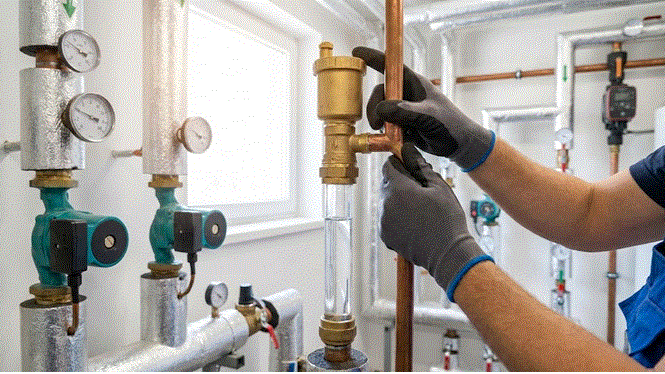
Air accumulation represents an ongoing challenge for commercial heating systems, with fresh air entering continuously through various pathways during normal operation. Manual venting addresses immediate air problems but cannot prevent gradual accumulation between service visits. Automatic air vents provide the continuous deaeration heating systems require to maintain optimal performance without constant manual intervention.
Understanding how these devices function and where they should be installed enables facilities managers to specify effective air management solutions. The automatic air vent benefits extend beyond simple convenience to include improved system reliability, reduced maintenance costs, and extended equipment service life. Properly specified and maintained automatic venting systems protect heating infrastructure against the damaging effects of chronic air accumulation.
The Role of Air Vents in Heating Systems
Every sealed heating system experiences ongoing air ingress that must be managed to maintain proper operation. Dissolved air in make-up water, air drawn through pump seals during pressure fluctuations, and diffusion through certain pipe materials all contribute to gradual air accumulation. Without effective removal mechanisms, this air eventually causes the noise, performance problems, and component damage described in related articles.
Manual air vents require deliberate intervention to release accumulated air. Someone must recognise that venting is needed, access each vent point, and release the air whilst avoiding excessive water loss. This approach works for occasional air problems but cannot address the continuous nature of air ingress in operating systems.
The automatic air vent benefits derive from continuous operation without human intervention. These devices release air automatically as it accumulates, preventing the buildup that causes problems in manually vented systems. Air never reaches levels sufficient to cause circulation problems because removal occurs continuously as fast as accumulation happens.
Continuous deaeration heating circuits require keeps air levels consistently low rather than allowing cyclical accumulation between manual venting events. This approach prevents even the minor performance degradation that occurs as air gradually accumulates in manually vented systems. The result is more consistent heating performance and reduced wear on system components.
How Automatic Air Vents Work
Automatic air vents employ simple but effective mechanisms to release air whilst preventing water escape. Understanding these operating principles helps specify appropriate devices and recognise when vents require maintenance or replacement.
Operating Principles
Most automatic air vents use float-operated mechanisms that respond to air accumulation within the vent body. When sufficient air collects, it displaces water from the float chamber, allowing the float to drop and open the air release port. Air escapes until water refills the chamber and raises the float to close the port.
The float mechanism provides inherent fail-safe operation. Rising water level forces the float upward to seal the outlet before water can escape. This self-sealing characteristic distinguishes automatic air vents from simple open vents that would continuously discharge water.
System pressure affects automatic vent operation in several ways. Higher pressure accelerates air release by forcing accumulated air through the vent port more rapidly. However, excessive pressure can prevent the float mechanism from operating correctly or force water past the sealing surfaces. Vents must be specified for the operating pressures encountered in each application.
The air release capacity of automatic vents depends on vent body size, port diameter, and the pressure differential driving air through the device. High-capacity vents suitable for initial commissioning differ from smaller units intended for ongoing operational venting. Matching vent capacity to application requirements ensures effective air removal without oversizing that wastes budget.
Quality heating components from National Pumps and Boilers work best when installed with appropriate air management devices that maintain optimal circulation conditions throughout system operation.
Types of Automatic Air Vents
Different automatic vent designs suit different applications within heating systems. Understanding the available options enables appropriate selection for each installation location.
Standard float vents provide basic automatic venting suitable for most high-point applications. These cost-effective devices release accumulated air reliably when properly specified for system pressure and capacity requirements. Their simple construction provides long service life with minimal maintenance.
High-capacity commissioning vents feature larger bodies and ports to handle the substantial air volumes present in newly filled systems. These devices may be permanently installed at critical locations or used temporarily during commissioning before replacement with standard vents. Their enhanced capacity accelerates initial deaeration significantly.
Compact automatic vents fit directly into radiator blanking plugs, providing automatic venting at each heat emitter without separate pipework connections. These devices prove particularly valuable in systems with numerous radiators where manual venting would prove labour-intensive.
Combination vent assemblies incorporate isolation valves, automatic vents, and sometimes manual release features in single units. These assemblies simplify installation and ensure that isolation capability exists for service access. The integrated design prevents omission of isolation provisions that would prevent vent replacement without system drain-down.
Hygroscopic vents use moisture-sensitive elements rather than float mechanisms to control air release. These devices suit applications where conventional float vents prove unreliable, though their different operating characteristics require consideration during specification.
Benefits of Automatic Air Venting
The advantages of automatic air venting extend across multiple aspects of heating system operation and maintenance. Understanding these benefits supports investment decisions and specification choices.
Continuous Air Removal
The continuous deaeration heating circuits receive from automatic vents prevents air accumulation that causes problems in manually vented systems. Air releases as fast as it enters, maintaining consistently low air levels throughout the heating season.
Addressing air immediately as it forms prevents the gradual performance degradation that occurs between manual venting events. Systems with automatic venting maintain design efficiency continuously rather than cycling between vented and air-accumulated conditions.
The automatic air vent benefits include addressing air from all entry pathways simultaneously. Whether air enters through make-up water, pump seals, or pipe diffusion, automatic vents at appropriate locations capture and release it before accumulation affects performance.
Noise problems that prompt manual venting calls often disappear entirely with properly installed automatic venting. The continuous air removal prevents accumulation reaching levels that generate gurgling or banging sounds. Building occupants experience quieter, more consistent heating without awareness of the air management occurring automatically.
Reliable circulation equipment from brands like Grundfos and Wilo achieves optimum efficiency when operating in properly deaerated systems. Automatic venting helps maintain the air-free conditions these pumps require for peak performance.
Reduced Maintenance Requirements
Automatic venting eliminates routine manual venting visits that consume maintenance time and budget. Systems previously requiring monthly venting may need only annual inspection of automatic vent function. This reduction in routine maintenance frees resources for other tasks.
The automatic air vent benefits in labour savings prove particularly significant for large installations with numerous vent points. A commercial building with fifty radiators might require several hours to manually vent completely. Automatic vents at each position perform this task continuously without labour input.
Emergency callouts for air-related heating problems reduce dramatically with effective automatic venting. Problems that previously caused comfort complaints and urgent maintenance requests no longer occur because automatic vents prevent the underlying air accumulation.
Total cost of ownership comparisons favour automatic venting despite higher initial cost than manual vent installation. The ongoing labour savings and reduced emergency maintenance typically recover the additional investment within two to three years, with continued savings thereafter.
Installation Considerations
Proper installation determines whether automatic air vents function effectively. Location, connection method, and supporting provisions all affect venting performance.
Optimal Placement Locations
Automatic air vents should be installed at every location where air naturally accumulates within heating systems. High points in pipework runs, top connections on equipment, and radiator blanking positions all represent appropriate locations.
Main circuit high points require priority venting because air locks in these locations affect circulation throughout dependent branches. Identifying the highest points in primary circulation paths ensures these critical locations receive automatic venting.
Equipment connections often require specific venting provisions. Boiler connections, pump valves assemblies, and heat exchanger housings may incorporate integral vent points or require external vent installation at nearby high points.
Branch circuit high points require venting to prevent air accumulation that blocks flow to downstream emitters. Each branch supplying multiple radiators should include automatic venting at its highest point to ensure continuous circulation.
The number of automatic vents required depends on system complexity and air ingress rates. Simple systems may function adequately with vents at a few critical high points. Complex installations with multiple zones, diverse equipment, and high make-up water rates need more comprehensive venting coverage.
Connection and Piping Requirements
Proper connection ensures reliable vent operation and enables service access without system drain-down. Standard practices include specific provisions that facilitate ongoing maintenance.
Isolation valves beneath automatic vents enable vent replacement without draining the system. Quarter-turn ball valves provide positive isolation that permits confident vent removal. Omitting isolation provisions significantly increases the difficulty and cost of vent service.
Discharge piping contains any water released during normal vent operation or service activities. Connecting vent outlets to small-bore pipes terminating over drains or containers prevents water damage in occupied spaces. This provision proves essential for vents installed above finished ceilings or in sensitive areas.
Condensate management addresses the moisture that collects on cold vent bodies. In unheated spaces, this condensation may freeze and block vent outlets during cold weather. Trace heating or relocation to warmer positions prevents freeze-related vent failure.
Maintenance and Troubleshooting
Automatic air vents require periodic attention to maintain reliable operation. Understanding maintenance requirements and common problems ensures continued venting effectiveness.
Regular Service Requirements
Annual inspection confirms automatic vent operation and identifies developing problems before failure occurs. Testing involves observing vent response when air is introduced to the connected pipework. Functional vents release the introduced air; failed vents do not respond.
Cleaning removes debris that may accumulate on float mechanisms or block air passages. Disassembling vents for cleaning and inspection reveals internal condition and identifies wear requiring vent replacement. Cleaning frequency depends on system water quality and debris levels.
The continuous deaeration heating systems benefit from relies on consistent vent function throughout the heating season. Scheduled maintenance during summer shutdown periods ensures vents operate reliably when heating demand resumes in autumn.
Replacement intervals vary depending on vent quality, operating conditions, and maintenance frequency. Budget vents may require replacement every five years, whilst quality units may function for fifteen years or more. Condition assessment during annual inspection guides replacement decisions.
Common Problems and Solutions
Float mechanism failure represents the most common automatic vent problem. Corroded or debris-fouled floats may stick in open or closed positions, either continuously releasing water or failing to release air. Cleaning may restore function, but persistent problems indicate replacement need.
Blocked air passages prevent air release despite correct float operation. Scale deposits or debris accumulation in narrow passages restricts air flow. Cleaning with appropriate solutions may clear blockages, though severe restriction often warrants replacement.
Seal degradation causes water weeping from vent bodies that stains ceilings and walls. Replacement seals may be available for some vent designs, though complete vent replacement often proves more practical than seal service.
Systems protected by appropriate expansion vessels experience fewer pressure fluctuations that stress automatic vent components. Correct expansion provision contributes to extended vent service life.
Conclusion
Automatic air vents provide the continuous deaeration heating systems require to maintain optimal performance without constant manual intervention. The automatic air vent benefits include reduced maintenance requirements, improved system reliability, and extended equipment service life.
Proper specification requires matching vent type and capacity to specific application requirements. Installation at appropriate locations with correct connection provisions ensures effective air removal throughout system operation.
Regular maintenance confirms continued vent function and addresses developing problems before they cause system-wide effects. The modest investment in automatic venting returns substantial value through improved heating performance and reduced maintenance costs.
For guidance on air vent specification and quality heating equipment, contact the National Pumps and Boilers team for expert technical advice.