

How Condensing Boilers Produce Acidic Condensate (And What to Do About It)
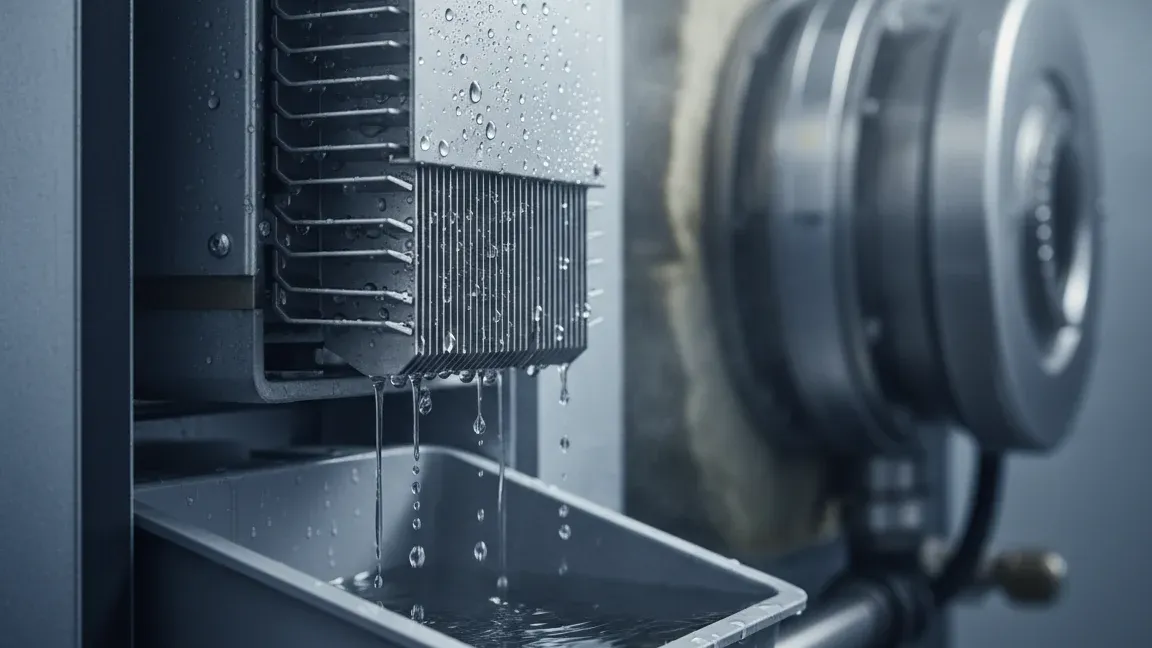
Condensing boilers have revolutionised home heating efficiency across the UK, delivering energy savings of up to 30% compared to older non-condensing models. However, this improved efficiency comes with a unique byproduct that many homeowners and even some installers fail to fully understand: acidic condensate. This liquid waste, with pH levels comparable to vinegar, requires proper management to protect drainage systems and comply with UK regulations.
The production of acidic condensate represents an inevitable consequence of the very process that makes these boilers so efficient - not a design flaw to be corrected, but a characteristic requiring appropriate management. Understanding why condensing boilers create this acidic byproduct, what risks it poses, and how to manage it properly can prevent costly damage whilst ensuring heating systems operate within legal requirements.
Understanding Condensing Boiler Technology
How Condensing Boilers Achieve Higher Efficiency
Condensing boilers extract heat from flue gases that conventional boilers simply vent to atmosphere as waste. When natural gas burns, it produces water vapour alongside carbon dioxide. In traditional boilers, this water vapour escapes as steam through the flue, carrying valuable heat energy with it that represents a significant efficiency loss.
Condensing boilers cool these flue gases below their dew point (approximately 55°C), causing the water vapour to condense back into liquid form on the secondary heat exchanger surfaces. This phase change releases latent heat - the energy originally required to turn water into steam - which the boiler captures and transfers to the heating system. This recovered heat can account for up to 11% of the total energy input, explaining why modern condensing boilers achieve efficiency ratings of 90-94% compared to 70-80% for older models.
The condensation process requires careful system design to function effectively. Return water temperatures must be low enough to cool the heat exchanger sufficiently for condensation to occur. This explains why condensing boilers perform best with larger radiators or underfloor heating systems that operate at lower flow temperatures (typically 50-60°C rather than the 70-80°C common in older systems).
The Condensation Process Explained
Inside a condensing boiler's heat exchanger, flue gases pass over surfaces cooled by return water from the heating system. When the flue gas temperature drops below approximately 55°C, water vapour begins condensing on these surfaces, forming droplets that trickle down into a collection area designed specifically for this purpose.
A typical domestic condensing boiler produces between 2-3 litres of condensate per hour when operating at full load. Over a heating season, this amounts to several hundred litres of liquid requiring safe disposal through appropriate drainage systems. The volume varies depending on boiler size, system design, and how efficiently the boiler condenses - paradoxically, the more efficiently the boiler operates, the more acidic condensate it produces.
Modern heat exchangers in quality Vaillant boilers and similar equipment feature stainless steel or aluminium construction specifically designed to resist the corrosive effects of condensate whilst providing excellent heat transfer properties. These materials withstand continuous exposure to acidic conditions that would rapidly degrade conventional heat exchanger materials.
Why Condensate Is Acidic
The Chemistry Behind Acidic Condensate
When natural gas (primarily methane) burns, it combines with oxygen to produce carbon dioxide and water vapour as the primary combustion products. This carbon dioxide dissolves in the condensed water to form carbonic acid (H₂CO₃), the same weak acid found in carbonated drinks. This alone would lower the pH to around 5.5, but other combustion products push acidity further.
Small amounts of nitrogen oxides (NOx) form during combustion, particularly at higher flame temperatures where atmospheric nitrogen reacts with oxygen. These dissolve to create nitric acid when they contact condensed water. Additionally, trace sulphur compounds present in natural gas produce sulphur dioxide, which forms sulphurous acid when dissolved in water. The combined effect of these acids typically produces acidic condensate with a pH between 3 and 5 - roughly equivalent to vinegar or orange juice.
For comparison, neutral water has a pH of 7, whilst typical rainwater in the UK measures around pH 5.6 due to dissolved carbon dioxide from the atmosphere. The condensate from condensing boilers proves significantly more acidic than rainwater, explaining why it requires special handling through appropriate drainage systems and, in some cases, neutralisation before discharge.
Factors Affecting Condensate pH Levels
The acidity of condensate varies depending on several factors specific to each installation. Boilers running on natural gas typically produce less acidic condensate (pH 3.5-5) than those burning oil (pH 2-3), due to higher sulphur content in oil fuels. System operating temperatures also matter - the more efficiently a boiler condenses and extracts maximum heat, the more acidic the condensate becomes.
Boiler load affects condensate production rates and characteristics significantly. During mild weather when the boiler cycles frequently at low output, condensation may be intermittent and less concentrated. In cold weather with sustained high demand, condensate flows continuously and consistently. This variation means condensate management systems must handle both steady flow and intermittent discharge patterns effectively.
Water quality in the heating system can also influence condensate chemistry, though this effect proves minimal compared to combustion products. The key understanding remains that all condensing boilers produce acidic condensate - this represents a fundamental characteristic of the technology rather than something varying significantly between quality manufacturers or installation approaches.
Potential Problems With Acidic Condensate
Corrosion Risks to Drainage Systems
The primary concern with acidic condensate centres on its corrosive effect on certain drainage materials common in older properties. Cast iron soil pipes face particular vulnerability, as the acid gradually attacks the metal, leading to pinhole leaks and eventual pipe failure that requires expensive replacement. Copper pipes, whilst more resistant than cast iron, can also suffer degradation over extended exposure periods.
Concrete inspection chambers and cement-jointed drainage pipes prove vulnerable to acid attack from untreated condensate. The acidic water dissolves calcium compounds in cement, weakening joints and potentially causing structural damage to drainage systems. In older properties with traditional drainage construction, this can lead to expensive repairs far exceeding the cost of proper condensate treatment.
Modern plastic drainage systems (PVC, ABS, polypropylene) resist acidic condensate effectively, which explains why current Building Regulations emphasise proper material selection for condensate pipework. However, even with plastic pipes, the condensate must eventually discharge somewhere - and that end point requires consideration to avoid damage to shared infrastructure or environmental harm.
Environmental and Regulatory Concerns
UK Building Regulations (Part L and Part G) require proper condensate disposal from all condensing boilers to protect both building infrastructure and the wider environment. The regulations recognise that whilst individual boilers produce relatively small volumes of acidic liquid, the cumulative effect of millions of condensing boilers could significantly impact wastewater treatment systems and watercourses if not properly managed.
Water companies maintain specific requirements for condensate discharge that installers must observe. In most cases, condensate can discharge to foul water drains (the same system handling toilet and sink waste) without treatment, as the large volume of wastewater dilutes and neutralises the acidic condensate effectively. However, discharge to surface water drains, soakaways, or directly to watercourses typically requires pH neutralisation to prevent environmental harm.
Non-compliance with these regulations can result in enforcement action from building control or environmental health officers. More importantly, improper condensate disposal can cause genuine environmental damage and expensive repairs to property drainage infrastructure that far exceed the cost of compliant installation from the outset.
Solutions for Managing Acidic Condensate
Condensate Neutralisation Systems
Neutralisation kits contain alkaline media that raises the pH of acidic condensate before discharge to acceptable levels. The most common media includes limestone (calcium carbonate) or marble chips, which react with the acid to form calcium salts, water, and carbon dioxide. As condensate flows through the neutraliser, the chemical reaction gradually consumes the alkaline media.
Magnesium oxide-based neutralisers offer longer service life and more complete neutralisation, making them suitable for larger commercial installations or situations where maintenance access proves difficult. These systems can handle the condensate from multiple boilers whilst maintaining discharge pH above 7 (neutral) consistently.
Sizing neutralisers correctly proves essential for effective operation. A domestic boiler up to 50kW typically requires a neutraliser with approximately 5kg of media, which may last 1-2 years depending on boiler runtime and condensate volume. Larger commercial systems with Remeha boilers and multiple heat sources need proportionally larger neutralisers with regular maintenance schedules to ensure continuous protection.
Installation positioning matters significantly for neutraliser effectiveness. Units should be accessible for media replacement whilst remaining protected from freezing that could damage components. They must be installed after the condensate trap to prevent flue gases bypassing the boiler heat exchanger through the condensate system.
Proper Condensate Drainage Methods
The simplest and most common solution involves direct connection to the internal foul water drainage system (the same pipes serving sinks, baths, and toilets). This method requires no neutralisation because the large volume of wastewater provides dilution and natural pH buffering. The condensate pipe should connect to a waste pipe, not directly into a soil stack, and must include a trap to prevent drain odours entering the property.
When internal connection proves impractical due to boiler location, external condensate pipes must be carefully designed to prevent freezing during cold weather. UK regulations specify minimum pipe sizes (32mm internal diameter for external runs) and require pipes to be as short as possible, well-insulated, and installed with adequate fall to prevent standing water. Despite these precautions, frozen condensate pipes remain one of the most common causes of boiler breakdown during winter cold spells.
National Pumps and Boilers supplies condensate pumps that solve drainage challenges when gravity discharge proves impossible due to boiler positioning. These small pumps collect condensate in a reservoir and pump it upward or horizontally to reach a suitable discharge point. Quality pumps include built-in alarms to warn of pump failure before condensate backs up into the boiler, causing lockout conditions.
Material Selection for Condensate Pipes
Building Regulations specify that condensate pipes must be manufactured from materials resistant to acidic condensate to ensure long-term durability. Acceptable materials include ABS (Acrylonitrile Butadiene Styrene) plastic - commonly used for waste pipes with excellent acid resistance; polypropylene offering superior chemical resistance suitable for high-temperature applications; and PVDF (Polyvinylidene Fluoride) as a premium option for commercial installations with demanding requirements.
Standard PVC waste pipe, whilst widely available and inexpensive, has limited temperature resistance and should not be used for condensate pipes where hot condensate may occur during boiler operation. Copper and other metals must never be used for condensate drainage due to corrosion risk - a mistake that leads to pipe failure within years rather than decades.
Pipe sizing follows specific requirements designed to ensure reliable drainage. Minimum 22mm diameter serves internal runs up to 3 metres, increasing to 32mm for longer runs or external installation where freezing risk exists. Proper gradient (minimum 2.5° or 44mm per metre) ensures condensate flows freely without pooling, which could freeze in cold weather or create breeding grounds for bacteria.
Maintenance and Monitoring
Regular Inspection Requirements
Condensate systems require periodic inspection to ensure continued safe operation throughout the heating season. The condensate trap - a water seal preventing flue gases from escaping through the condensate pipe - needs checking annually as part of routine boiler servicing. Low water levels in the trap can indicate leaks or evaporation, whilst debris accumulation can restrict flow and cause backup problems.
For systems with neutralisers, media condition requires monitoring to ensure continued effectiveness. Most manufacturers recommend inspection every 12 months, with media replacement when approximately 70% has been consumed. Visual inspection reveals spent media through colour and texture changes as the alkaline material reacts with acid. Waiting until media becomes completely exhausted risks acidic discharge and potential regulation breaches.
Testing discharge pH provides definitive confirmation of neutraliser performance when required. Simple pH test strips (available from aquarium suppliers or laboratory equipment suppliers) give immediate results without specialist equipment. Discharge pH should measure above 6.5, ideally 7-8, indicating effective neutralisation. Readings below 6 suggest media replacement is due regardless of visual appearance.
External condensate pipes need pre-winter inspection to ensure protection against freezing conditions. Check insulation condition, verify adequate fall throughout the pipe run, and ensure drain connections remain clear of debris. Properties with a history of frozen condensate pipes might benefit from additional insulation or heat trace cable installation before winter arrives.
Troubleshooting Common Condensate Issues
Condensate pump failures typically announce themselves with boiler lockouts and error codes displayed on the control panel. Most modern boilers monitor condensate system operation and shut down automatically if condensate levels rise too high, preventing water damage to the appliance. Regular pump maintenance - cleaning the reservoir and checking the float switch operation - prevents most failures before they cause heating interruption.
Frozen condensate pipes cause thousands of boiler breakdowns across the UK each winter during cold spells. The first sign usually involves a boiler lockout with an error code indicating condensate fault. The solution involves carefully thawing the pipe (warm water poured over the external section, never boiling water or direct flame) and improving insulation to prevent recurrence once the system resumes operation.
Unusual odours from condensate drains suggest trap problems requiring attention. A dried-out trap allows drain gases to escape, creating unpleasant smells in the boiler vicinity. Topping up the trap with water solves the immediate problem, but recurring issues indicate a trap design fault or leak requiring professional investigation and repair.
Best Practices for Installers and Homeowners
Installation Considerations
Planning condensate routes during boiler installation prevents future problems and reduces long-term maintenance requirements. The ideal arrangement connects directly to an internal waste pipe within 3 metres of the boiler, avoiding external pipework entirely where possible. When external runs prove unavoidable, they should be minimised, generously insulated, and routed to avoid cold spots like north-facing walls or unheated spaces.
Compliance with manufacturer specifications ensures warranty protection and optimal system performance throughout the boiler's service life. Boiler manufacturers provide detailed condensate installation requirements in their technical documentation - following these precisely prevents problems and simplifies any future warranty claims that might arise.
Working with building control ensures regulatory compliance for new installations. Whilst replacement boiler installations may not require formal building control notification in all cases, following Building Regulations remains mandatory. Proper documentation of condensate arrangements, including neutraliser specifications where fitted, provides valuable information for future maintenance and demonstrates compliance.
For properties with expansion vessels and complex heating systems, coordinating condensate drainage with other system requirements ensures everything works together efficiently. Professional installers consider the complete system design rather than individual components in isolation, preventing conflicts that emerge after installation completion.
Long-Term System Performance
Condensate system components typically last 10-15 years with proper maintenance, aligning with expected boiler lifespan in most applications. Pumps may require replacement sooner, particularly in hard water areas where scale accumulation affects performance. Budgeting for pump replacement every 5-7 years prevents unexpected expenses and ensures continuous reliable operation.
The cost of neutralisation systems (£100-300 for domestic installations) represents excellent value when weighed against potential drainage repair costs or environmental fines for non-compliance. Media replacement costs £20-50 annually - a modest expense for regulatory compliance and infrastructure protection that pays dividends over the system's service life.
Acidic condensate management has no negative impact on boiler efficiency when properly implemented. In fact, proper condensate drainage proves essential for maintaining peak efficiency, as blocked or restricted condensate systems cause boiler lockouts and prevent the condensation process that delivers energy savings in the first place.
Integration with modern heating controls and DHW pumps ensures the complete heating system operates efficiently as an integrated whole. Smart controls that optimise boiler cycling and load management indirectly affect condensate production patterns, but well-designed condensate systems handle these variations without issue when properly specified.
Professional Support and Quality Equipment
Choosing the Right Components
Selecting appropriate condensate management components affects both installation success and long-term reliability. Grundfos and other premium manufacturers offer condensate pumps engineered specifically for the demanding conditions of acidic condensate service, featuring corrosion-resistant materials and reliable float switch mechanisms.
Quality pump valves and fittings designed for condensate applications ensure leak-free connections that withstand acidic conditions over years of service. Standard plumbing fittings may corrode or fail prematurely when exposed to condensate, creating leaks that damage property and require emergency repair.
Central heating system integration requires attention to how condensate drainage interacts with other system components. Professional installers understand these relationships and specify components that work together reliably, preventing the conflicts and failures that result from piecemeal approaches.
For larger commercial installations, Lowara provides industrial-grade condensate handling solutions capable of managing the higher volumes produced by multiple boilers or larger heating plant. These systems include monitoring capabilities that alert maintenance staff to developing problems before they cause heating interruption.
Conclusion
Understanding how condensing boilers produce acidic condensate transforms this technical challenge into a manageable aspect of modern heating system design. The acidity results directly from the efficient combustion and heat recovery process that makes these boilers so valuable for reducing energy consumption and carbon emissions. Rather than viewing acidic condensate as a problem, property owners should recognise it as an indicator of efficient boiler operation requiring appropriate management.
The solutions for managing acidic condensate prove straightforward when properly implemented from the outset. Correct material selection, appropriate drainage routes, and neutralisation where required protect both property infrastructure and the wider environment. Regular maintenance ensures these systems continue performing effectively throughout the boiler's service life, preventing the failures and compliance issues that result from neglect.
For professional guidance on condensate management systems, neutralisation equipment, and quality components designed for acidic condensate service, Contact Us to discuss specific requirements. Expert advice ensures installations comply with regulations, protect property infrastructure, and deliver reliable performance throughout the heating system's operational life.