

How District Heating Networks Use Pumps to Distribute Heat Across Multiple Buildings
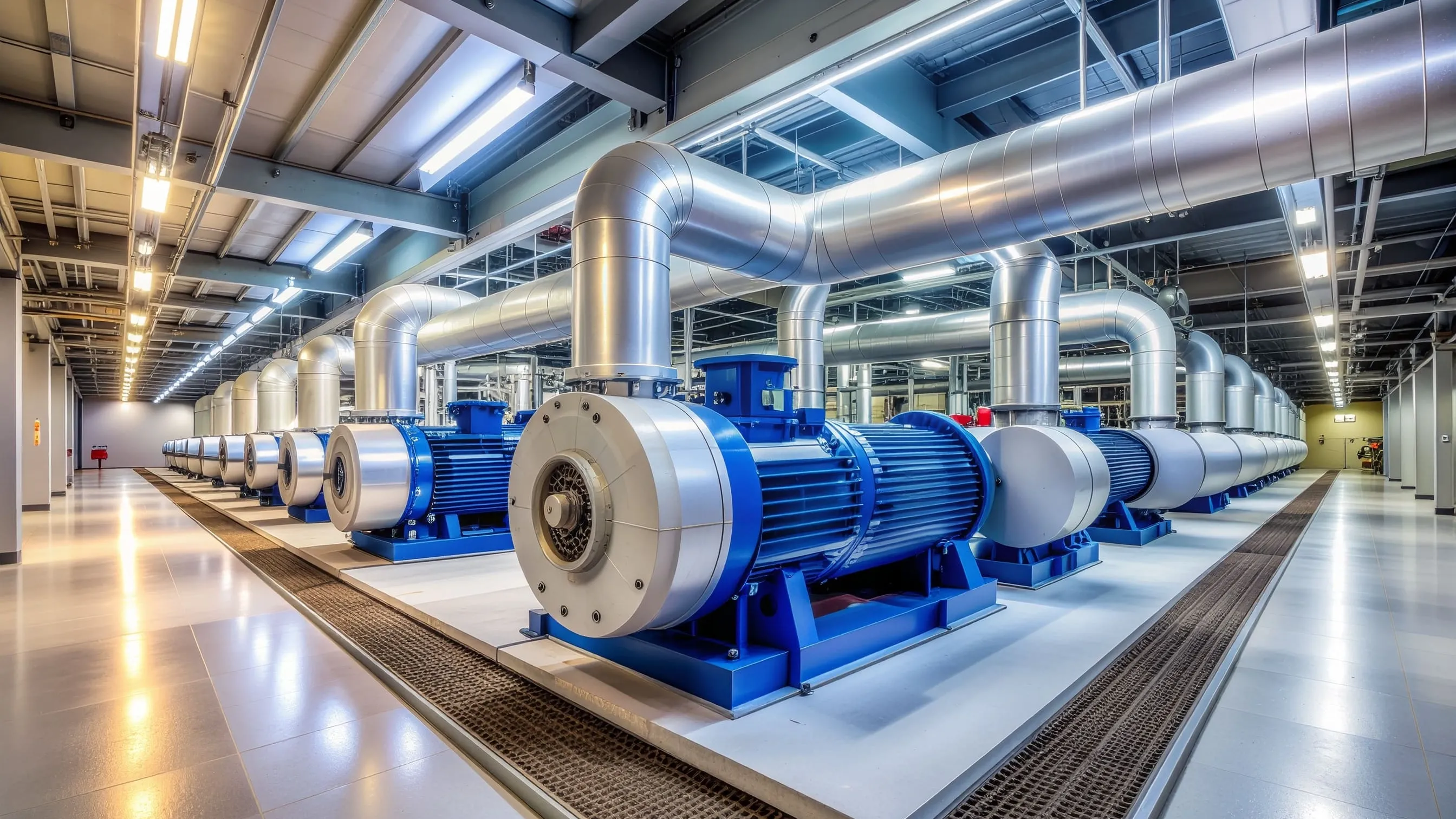
District heating networks represent one of the most efficient methods for delivering thermal energy to multiple buildings from a centralised source. These systems rely entirely on carefully selected district heating network pumps to circulate hot water or steam through extensive underground pipework. They serve residential blocks, commercial developments, and entire urban districts efficiently.
The performance, reliability, and efficiency of these pumps determine whether a communal heating system delivers on its promise of lower costs. Unlike individual building systems where a single pump serves one property, district heating requires coordinated pump stations working in harmony. The technical demands placed on these pumps far exceed those in conventional applications. They must handle higher temperatures, greater flow rates, and operate continuously for years.
How District Heating Networks Operate
A district heating network begins with a central energy centre. Heat is generated through combined heat and power plants, biomass boilers, or massive commercial heat pumps. This central facility heats water to temperatures typically between 70 and 120 degrees Celsius. National Pumps and Boilers provides the robust equipment needed to withstand these extreme operational temperatures safely.
The heated water travels through heavily insulated underground pipework. This is known as the primary distribution network, which branches out to reach individual building clusters. At each building, a heat interface unit transfers thermal energy from the district network to the building's internal systems. This happens without direct mixing of the water supplies.
Think of a district heating network exactly like a municipal water supply grid. The primary network is the massive main pipe running under the street carrying high volume. The secondary circuits act like the smaller pipes branching off to individual streets. You need different sized pumps at every stage to keep the pressure balanced.
The entire system operates as a closed loop, with cooled water returning to the energy centre for reheating. This continuous circulation requires pumps at multiple points throughout the network. Each unit serves a specific hydraulic function that must be precisely matched to the network design.
The Role of Pumps in District Heating Systems
A dedicated primary network pressure pump at the energy centre overcomes the hydraulic resistance of the entire distribution network. These heavy-duty units must generate sufficient pressure to push heated water through kilometres of pipework. They must also maintain design flow rates to all connected buildings simultaneously. A primary network pressure pump typically operates around the clock, making reliability the paramount selection criterion.
Secondary distribution pumps serve individual branches within larger networks. These pumps manage pressure differentials across specific network sections. They ensure adequate flow reaches buildings at various distances from the energy centre. A reliable Grundfos end-suction pump engineered for these demanding secondary applications provides the exact head and flow characteristics required. In many modern installations, a Grundfos end-suction pump delivers the precise hydraulic push needed to navigate these extensive pipe networks.
Tertiary pumps operate within individual buildings. They circulate water through radiators or underfloor heating after heat has been extracted via the interface unit. A dedicated heating circulation pump handles these smaller internal circuits. These units must still meet stringent efficiency standards despite their smaller size.
Types of Pumps Used in District Heating Networks
High-efficiency circulators form the backbone of most district heating networks. These pumps feature permanent magnet motors and optimised hydraulic designs. They achieve excellent energy efficiency ratings, substantially reducing electrical consumption compared to older fixed-speed models.
Premium Wilo Star district heating models equipped with frequency inverters provide precise control over flow rates. These variable speed district heating network pumps respond instantly to temperature sensors and pressure transducers. They modulate their performance continuously to match exact demand. Modern Wilo Star district heating models demonstrate exactly how advanced pump technology transforms system economics.
A dedicated differential pressure control pump addresses situations where buildings sit at network extremities requiring additional lift. This equipment maintains stable pressure differentials across critical network sections. Installing a differential pressure control pump prevents excessive pressure that could damage pipework. It ensures sufficient flow reaches all connection points safely. An Ebara pump offers the robust build quality needed for these heavy-duty pressure applications.
Key Technical Requirements for District Heating Pumps
Specifying pumps for large communal networks involves incredibly strict engineering criteria. You cannot afford to guess when dealing with massive water volumes. Accurate flow rate selection requires detailed hydraulic calculations that account for friction losses and elevation changes.
To ensure long-term reliability and compliance, equipment must meet the following technical requirements:
- Massive Flow Capabilities: Ranging from 5 cubic metres per hour for tertiary zones to over 500 cubic metres per hour for primary stations.
- High Pressure Tolerance: Generating 4 to 10 bar to overcome resistance across several kilometres of pipework.
- Extreme Temperature Resistance: Withstanding continuous water temperatures between 70 and 120 degrees Celsius without seal failure.
- Strict Regulatory Compliance: Meeting British Standard BS EN 12828 for hot water heating system safety.
Undersized pumps simply fail to deliver adequate heat to distant buildings. Conversely, oversized units waste massive amounts of energy and create dangerous system pressure.
Pump Sizing and Selection Considerations
Network load calculations form the absolute foundation of pump selection. Engineers must determine the total heat demand from all connected buildings. This includes space heating, domestic hot water, and any commercial process requirements. This total load translates into a required flow rate using standard thermal calculations.
A mechanical contractor working on a recent university campus district heating upgrade inherited a failing secondary network. The original fixed-speed pumps couldn't handle the wildly fluctuating loads as students moved between lecture halls. Swapping the outdated units for variable speed intelligent circulators eliminated the flow starvation issues immediately. It also reduced pumping energy costs by 34 percent in the first term.
Peak demand requirements significantly influence sizing. Networks must meet maximum simultaneous demand, which typically occurs on the coldest days of winter. Applying appropriate diversity factors, typically 0.7 to 0.9 for residential schemes, prevents oversizing.
A modular configuration where multiple units operate in parallel provides built-in redundancy. It allows staged capacity increases as networks expand over time. Scaling up capacity often involves integrating another Grundfos end-suction pump into the existing manifold. A dedicated hot water circulation pump handles the localized domestic hot water needs without straining the primary heating loop.
Energy Efficiency and Variable Speed Technology
The ErP Directive 2009/125/EC sets strict minimum efficiency standards for circulators. District heating equipment must achieve specified efficiency values to remain compliant. The most stringent requirements apply directly to smaller tertiary circulators inside the buildings.
Variable speed drive technology delivers massive energy savings. Traditional fixed-speed communal systems run continuously at full capacity regardless of actual demand. This completely wastes electrical energy during partial-load conditions. Variable speed district heating network pumps modulate their output to match real-time requirements perfectly.
Using intelligent sensors maximises the benefits of variable speed technology. Advanced controllers integrate data from flow meters and temperature probes to calculate optimal pump speed instantly. An Armstrong commercial pump with integrated variable speed drives delivers the operational flexibility that large communal networks require.
Maintenance and Reliability in District Heating Applications
Preventive maintenance schedules typically specify quarterly mechanical inspections. Technicians must cover vibration analysis, bearing temperature monitoring, and mechanical seal condition assessment. Annual maintenance includes motor winding insulation testing and precise coupling alignment checks. Specific Wilo Star district heating models provide maintenance protocols completely aligned with demanding duty cycles.
Common failure modes include mechanical seal leakage caused by rapid thermal cycling. Bearing failure from inadequate lubrication also causes frequent unscheduled downtime. Robust models specifically rated for district heating service are engineered to prevent these premature failures.
Redundancy planning is essential for any critical primary network pressure pump. Most district heating schemes install duty and standby pump pairs. One unit handles normal operation, and the second remains ready for automatic activation. A reliable DAB pump package in a twin-head configuration guarantees this essential backup service. Accessible pump isolation valves are critical for enabling rapid maintenance without draining massive sections of the network.
Conclusion
District heating networks deliver efficient, low-carbon heating to multiple buildings through carefully engineered pump systems. They operate across highly integrated primary, secondary, and tertiary circuits. The pumps selected for these applications must meet incredibly demanding specifications for flow rate, pressure capability, and extreme temperature resistance.
Variable speed drive technology, intelligent controls, and high-efficiency designs have completely transformed district heating economics. Proper pump sizing, selection, and rigorous maintenance determine whether these schemes achieve their full potential for sustainable thermal distribution.
For specialist guidance on district heating pump selection, system design, or technical support, Talk to a Product Expert. We can help you navigate complex project requirements and engineer a highly reliable system today.