

How Glycol Affects Pump Selection and System Performance
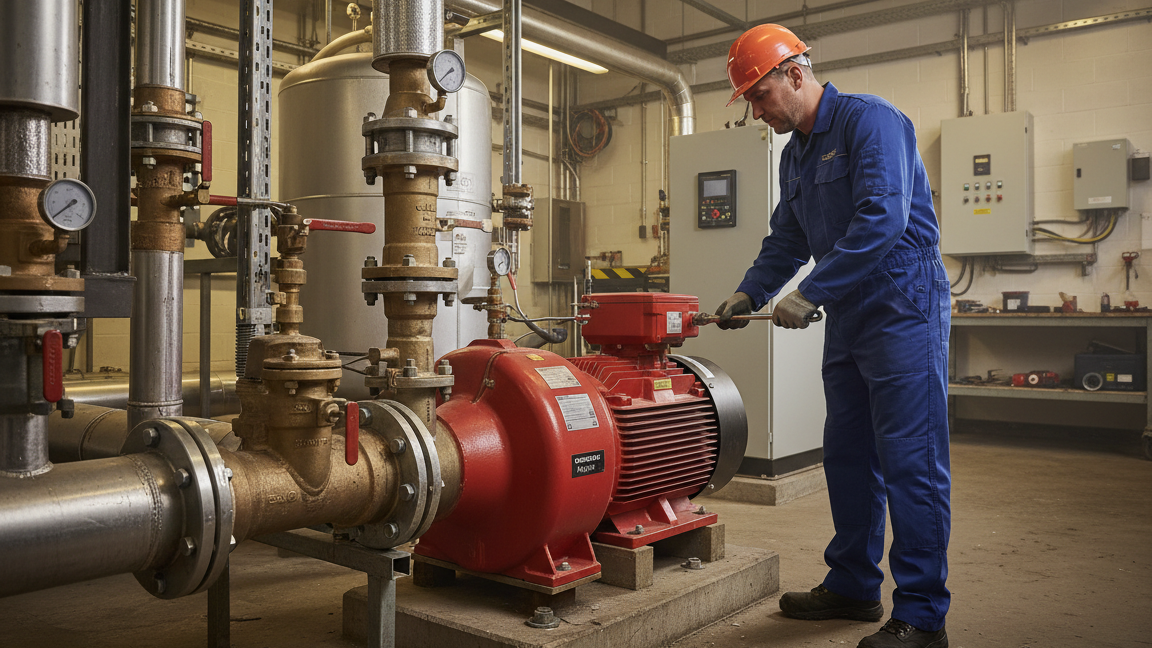
When antifreeze protection becomes essential in heating and cooling systems, glycol transforms from optional additive to critical component. The decision to use glycol carries significant implications for pump selection, system design, and long-term performance - yet many installers underestimate its impact on equipment specifications.
Glycol system performance depends heavily on understanding how this antifreeze solution alters fluid properties. Unlike water-based systems where pump selection follows straightforward manufacturer curves, glycol-based installations require careful adjustment of flow rates, head pressures, and motor sizing to maintain efficiency. The viscosity increase alone - which can reach 300% at high concentrations - fundamentally changes how pumps operate.
Properly accounting for glycol's effects during system design prevents undersized equipment, inadequate flow rates, and premature component failure. This guidance explores the technical considerations essential for successful glycol system pump selection and ongoing performance optimisation.
Understanding Glycol in Heating and Cooling Systems
What Is Glycol and Why Is It Used?
Glycol serves as an antifreeze additive in closed-loop systems, preventing freeze damage in environments where temperatures drop below 0°C. Two primary types dominate the market: ethylene glycol and propylene glycol. Whilst ethylene glycol offers superior heat transfer properties, propylene glycol's non-toxic nature makes it mandatory in systems where fluid contact with potable water remains possible.
Typical concentrations range from 20% to 50% by volume. A 30% propylene glycol solution protects systems down to approximately -15°C, whilst 50% concentrations extend protection to -30°C. These concentrations represent more than arbitrary selections - each percentage point added reduces freeze risk but simultaneously degrades thermal performance and increases viscosity effects on pumping equipment.
Commercial installations frequently specify glycol for several reasons beyond freeze protection. The solution inhibits corrosion in mixed-metal systems, reduces biological growth in stagnant conditions, and provides operational flexibility in unheated spaces or outdoor equipment. Central heating systems with external pipework, ground source heat pumps, and solar thermal installations all commonly require glycol protection.
How Glycol Changes Fluid Properties
The addition of glycol creates a fundamentally different fluid than water. Viscosity increases dramatically - a 50% propylene glycol solution exhibits roughly three times the viscosity of pure water at 10°C. This thickness affects every aspect of system hydraulics, from pump performance to pipe friction losses. Understanding these viscosity effects proves essential for proper equipment selection.
Density changes prove less dramatic but remain significant. A 30% glycol solution weighs approximately 3-5% more than water, affecting pump motor loads and system pressurisation requirements. Specific heat capacity drops by 10-20% depending on concentration, meaning the fluid carries less thermal energy per litre than water - requiring higher flow rates to deliver equivalent heating capacity.
Temperature dependency complicates matters further. Glycol viscosity decreases rapidly as temperature rises, creating different flow characteristics during warm-up versus steady-state operation. A pump that performs adequately at 60°C may struggle during cold starts when viscosity peaks at its maximum. System designers must account for this entire operating envelope, not just design-point conditions.
The Impact of Glycol on Pump Performance
Viscosity and Flow Rate Considerations
Pump manufacturers publish performance curves based on water at 20°C. When glycol enters the equation, these curves no longer apply directly. The increased viscosity reduces flow rates and alters head characteristics, sometimes by 20-30% at higher concentrations. Applying water-based curves to glycol systems virtually guarantees undersized equipment.
Grundfos pumps and other quality manufacturers provide selection software that accounts for glycol properties, automatically adjusting performance curves and motor requirements based on concentration and temperature inputs. This tool-based approach eliminates manual calculation errors that frequently plague glycol installations and lead to performance problems.
Net Positive Suction Head required (NPSHr) increases with viscosity, raising the risk of cavitation if suction conditions prove inadequate. Commercial circulators designed for water may operate near their NPSHr limits in glycol applications, particularly during cold starts when viscosity peaks. Proper pump selection accounts for worst-case viscosity conditions to prevent cavitation damage.
Pressure drop through piping increases substantially with glycol. A system experiencing 10 kPa pressure drop with water might see 15-20 kPa with 40% glycol, forcing pumps to work harder to overcome resistance. This additional load translates directly to increased energy consumption and motor heat generation throughout the system's operational life.
Heat Transfer Efficiency Changes
Glycol systems suffer from reduced thermal conductivity, affecting heat transfer at every interface. A 40% propylene glycol solution transfers heat approximately 15% less effectively than water, requiring higher flow rates to deliver equivalent heating or cooling capacity. This flow rate increase must then account for the viscosity-induced performance reduction - a calculation many installers overlook.
The specific heat capacity reduction means each litre of fluid carries less thermal energy. To compensate, designers must either accept reduced system capacity or increase flow rates by 10-20%. Wilo circulators designed for commercial glycol service incorporate oversized motors and enhanced cooling to manage the additional thermal load from moving higher volumes of viscous fluid.
Temperature differential across heat exchangers narrows in glycol systems. Where a water-based system might operate with a 10°C delta-T, the same heat transfer in glycol may require 12-13°C difference, affecting boiler sequencing and control strategies. Proper system design accounts for these altered operating characteristics from the outset.
Selecting the Right Pump for Glycol Systems
Pump Sizing Adjustments
Proper pump selection for glycol applications starts with correction factors. Manufacturers provide multipliers - typically 1.1 to 1.5 depending on concentration - to adjust water-based flow requirements. A system requiring 10 litres per second with water might need 13-14 litres per second with 40% glycol to deliver equivalent performance.
Head pressure requirements increase due to higher friction losses throughout the system. The pump must overcome not only the greater pipe resistance but also the additional pressure drop through heat exchangers, valves, and fittings. Calculations based on water properties underestimate these losses by 30-50% in high-concentration systems, leading to significant performance shortfalls.
Motor sizing becomes critical when accounting for glycol's effects. The combination of increased flow rate and higher head pressure demands more shaft power than water service. A pump motor adequate for water duty may run continuously near maximum load in glycol service, reducing lifespan and efficiency. Oversizing motors by 10-20% provides operational margin and accommodates viscosity variations during warm-up periods.
Pump Types Best Suited for Glycol
Centrifugal pumps dominate glycol applications due to their ability to handle varying viscosity without mechanical damage. The continuous flow path and absence of close-tolerance clearances make them tolerant of thicker fluid, though performance still requires careful matching to system needs through proper selection procedures.
Wet rotor designs offer advantages in glycol service. The pumped fluid lubricates and cools internal components, and glycol's superior lubricity compared to water can actually extend bearing life when concentrations remain within manufacturer limits. However, the increased viscosity generates more heat internally, requiring attention to thermal management and motor sizing.
Seal selection matters significantly for long-term reliability. Standard mechanical seals designed for water may fail prematurely in glycol due to different lubrication properties and thermal expansion characteristics. Lowara pumps rated explicitly for glycol service use seal materials and spring forces matched to the fluid's properties, ensuring reliable operation throughout the pump's service life.
Material Compatibility and Durability
Not all pump materials tolerate glycol equally well. Some elastomers swell or degrade when exposed to glycol solutions, particularly at elevated temperatures. EPDM and Viton seals generally perform well in glycol service, whilst some nitrile compounds may soften over time and require more frequent replacement.
Bearing materials require consideration in wet rotor pumps where glycol provides lubrication. Carbon bearings typically outlast ceramic options due to glycol's different lubrication characteristics compared to water. The fluid film strength and viscosity changes affect bearing load capacity and wear rates in ways that material selection must address.
Corrosion resistance extends beyond the pump itself to all wetted components. Expansion vessels must ensure membrane materials remain compatible with the glycol mixture. Some diaphragm materials degrade in glycol service, leading to membrane failure and system contamination that affects the entire installation.
System Design Considerations for Glycol Applications
Piping and Component Sizing
The viscosity increase in glycol systems demands larger pipe diameters to maintain acceptable pressure drops. A pipe sized for 2 metres per second water velocity may need upsizing by one nominal size to achieve similar friction losses with 40% glycol. This sizing adjustment prevents excessive pumping energy consumption and maintains adequate flow rates.
Valve selection must account for higher pressure drops across control elements. A valve with a Kv coefficient adequate for water service may create excessive resistance in glycol, causing control instability or inadequate flow. Pump valves specified for glycol applications require oversizing by 20-30% compared to water-based calculations.
Air separation proves more challenging in glycol systems due to increased viscosity. The higher thickness slows bubble rise velocity, making air elimination less efficient than in water systems. Larger air separators or reduced flow velocities through separation devices help maintain proper air removal, preventing circulation problems and corrosion from trapped air.
Temperature and Concentration Management
Selecting optimal glycol concentration balances freeze protection against performance penalties. Over-concentration wastes money and degrades heat transfer unnecessarily whilst imposing higher pumping costs. A system in a climate where -10°C represents the extreme minimum rarely needs 50% glycol rated for -30°C protection - the excess concentration creates ongoing efficiency losses without commensurate benefit.
Seasonal concentration adjustment rarely proves practical in closed systems, but understanding temperature effects helps troubleshoot performance issues. A system performing adequately in summer may struggle in winter not due to heating load increases but because cold glycol's higher viscosity reduces pump output at precisely the time when maximum performance is needed.
National Pumps and Boilers provides expert guidance on concentration selection for specific applications, ensuring systems receive appropriate protection without unnecessary performance penalties from over-specification.
Energy Efficiency Optimisation
Glycol systems inherently suffer from increased pumping energy requirements compared to water-filled installations. Variable speed drives mitigate this penalty by allowing pumps to operate at minimum speed necessary for current load conditions, rather than running continuously at design flow rates that exceed actual requirements during most operating hours.
The reduced specific heat capacity of glycol means systems must circulate more fluid to deliver equivalent heating or cooling output. This increased flow translates directly to higher pumping energy unless offset by intelligent control strategies that modulate flow based on actual demand rather than design maximums.
DAB pumps with integrated variable speed capability offer particular advantages in glycol systems. The ability to adjust speed based on real-time conditions optimises efficiency across the operating envelope, compensating for viscosity changes as temperatures vary throughout daily and seasonal cycles.
Common Mistakes in Glycol System Pump Selection
Undersizing Pumps for Viscosity
The most frequent error involves selecting pumps using water-based performance data without viscosity correction. The installer assumes a pump rated for 15 litres per second will deliver that flow with glycol, only to discover actual output reaches 11-12 litres per second - a 20-25% shortfall that compromises the entire system.
This underperformance cascades through the installation. Inadequate flow reduces heat transfer, forcing boilers to operate at higher temperatures to compensate. The elevated temperatures increase standby losses and cycling frequency, degrading both efficiency and component lifespan. Correction requires either replacing the pump with a properly sized model or accepting reduced system capacity.
Prevention demands using manufacturer selection tools that incorporate glycol correction factors or manually applying appropriate multipliers to flow and head requirements before selecting pump models. The modest additional effort during design prevents expensive corrections after commissioning reveals inadequate performance.
Ignoring Temperature Effects
Glycol viscosity varies dramatically with temperature. At 0°C, a 40% propylene glycol solution exhibits five times the viscosity of the same solution at 50°C. Pumps sized only for normal operating temperatures may fail to overcome system resistance during cold starts, creating problematic scenarios at the worst possible times.
The system needs maximum flow during warm-up to reach operating temperature quickly, but viscosity peaks precisely when flow capacity drops to minimum. Systems may take hours to warm up or fail to circulate adequately until ambient temperatures rise, leaving occupants without heating during cold weather events.
Design solutions include oversized pumps capable of handling cold-start viscosity conditions, pre-heating strategies that warm glycol before circulation begins, or bypass arrangements that initially circulate through reduced resistance paths until temperatures normalise.
Material Incompatibility Issues
Specifying standard pumps without verifying glycol compatibility leads to premature seal failures, bearing wear, and warranty disputes. A pump designed for water service may use seal materials that swell or harden in glycol, causing leaks within months of installation. Manufacturers typically void warranties if pumps rated only for water operate in glycol systems.
Component selection extends beyond pumps to include gaskets, O-rings, valve seals, and DHW pump assemblies throughout the system. A comprehensive material compatibility review during design prevents multiple failure points from emerging simultaneously during operation.
Maintenance and Monitoring Best Practices
Regular Glycol Testing
Annual glycol testing identifies degradation before it compromises protection or causes corrosion damage. Test kits measure concentration, pH, and reserve alkalinity - the fluid's remaining ability to neutralise acidic contamination. Results guide decisions about fluid replacement or inhibitor addition to maintain system protection.
Concentration measurement verifies the system maintains intended freeze protection levels. Water loss through leaks or improper filling concentrates glycol, whilst water addition during maintenance dilutes it. Either deviation affects both protection levels and pump performance characteristics in ways that require monitoring and correction.
pH monitoring detects degradation products that signal fluid breakdown. Fresh glycol typically maintains pH between 8.5 and 10.5. Values below 8.0 indicate significant degradation requiring fluid replacement, as corrosion protection has failed and system components face accelerated deterioration. Ebara pumps and other quality equipment can suffer reduced service life when operating in degraded glycol solutions.
Pump Performance Monitoring
Flow rate verification procedures confirm pumps continue delivering design performance throughout their operational life. Pressure differential measurements across pump discharge reveal developing problems before complete failure occurs. Trends showing declining differential pressure suggest impeller wear or increasing system resistance requiring investigation.
Energy consumption tracking identifies efficiency degradation that may indicate pump wear, glycol property changes, or system fouling. Unexplained increases in pumping energy warrant investigation to identify root causes before they progress to equipment failure or system performance problems.
Vibration and noise monitoring provides early warning of developing mechanical problems. Changes in pump sound character or vibration levels often precede bearing failure, impeller damage, or seal degradation. Early detection allows planned maintenance rather than emergency repairs that disrupt building operations.
Optimising Long-Term Performance
Successful glycol system operation requires attention to both initial design and ongoing maintenance. Pumps properly selected for glycol service, accounting for viscosity effects, flow rate requirements, and material compatibility, provide reliable performance throughout their service life when supported by appropriate maintenance programmes.
The modest additional investment in properly specified equipment prevents the frustration and expense of inadequate systems requiring correction after installation. Consultation with specialists familiar with glycol applications ensures appropriate equipment selection and system design that delivers intended performance from commissioning onwards.
For expert guidance on pump selection, system design, and glycol applications, Contact Us to discuss specific requirements and receive professional recommendations tailored to individual installation needs.