

How Large Distribution Warehouses and Industrial Units Manage Heating Efficiently
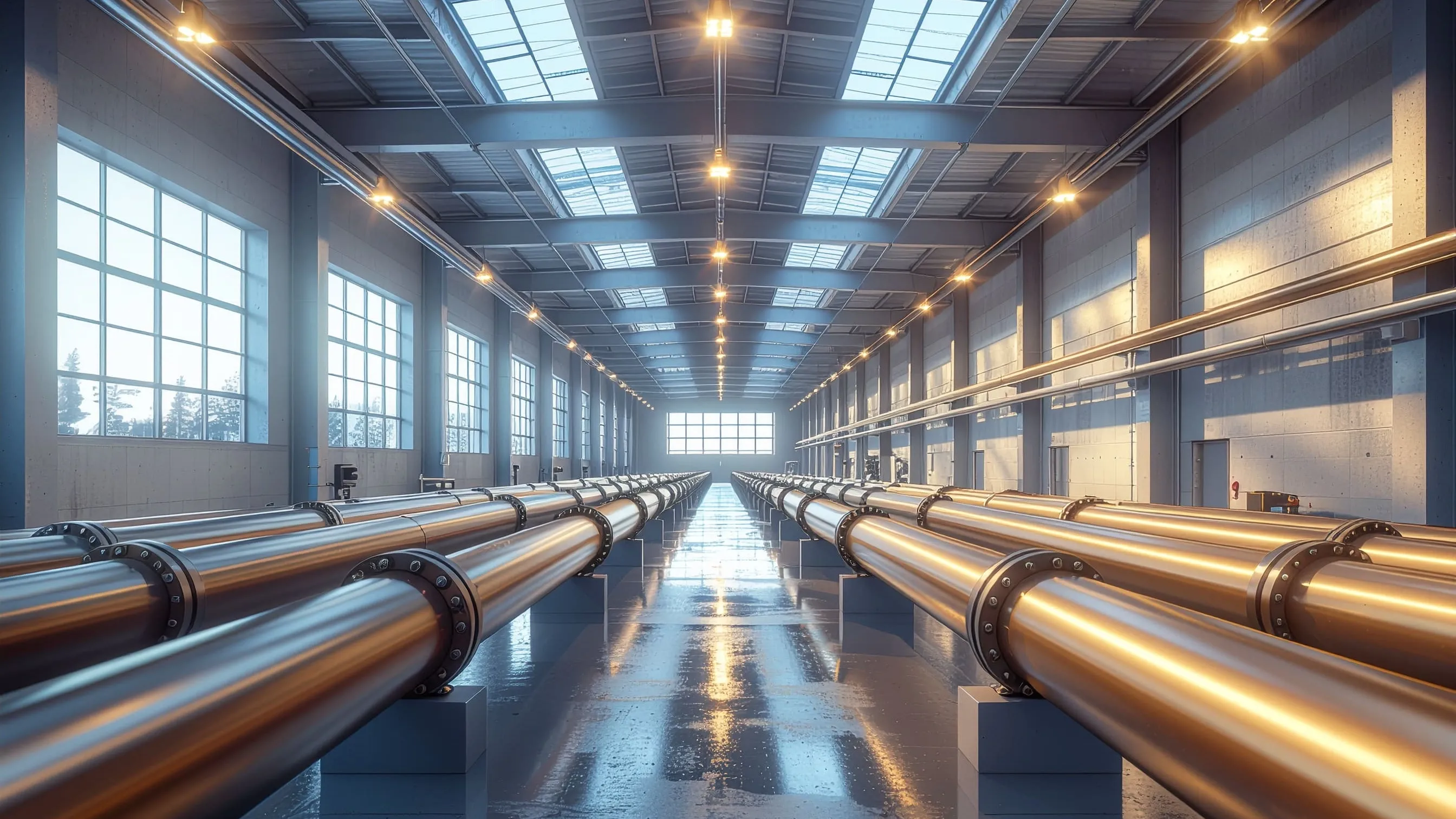
Heating massive industrial spaces presents an immense engineering challenge that completely defies standard commercial HVAC logic. You are effectively trying to heat the air volume of a small stadium while the exterior doors constantly open to let articulated lorries inside. If you apply conventional convection heating principles to a sprawling logistics hub, you simply end up with a freezing ground floor and a boiling ceiling. Achieving true industrial warehouse heating efficiency requires fighting the fundamental laws of thermodynamics at scale.
Modern logistics facilities require highly specialised mechanical responses. The focus must shift away from simply pumping hot air into a massive void and toward targeted comfort and aggressive heat retention. Successfully managing these environments requires a combination of precise equipment specification, intelligent zoning, and robust physical barriers. A properly engineered system protects valuable inventory, keeps staff comfortable, and stops operational energy budgets from spiralling completely out of control.
The Physics of Heating Massive Air Volumes
Understanding the physics of thermal stratification is the absolute foundation of any successful high-bay warehouse heating design. Hot air is less dense than cold air, so it naturally rises rapidly toward the roof structure. In a modern distribution centre with 15-metre ceilings, the temperature differential between the floor and the roof can easily exceed 10 degrees Celsius. This natural physical process traps your expensive thermal energy uselessly up in the steel rafters.
Think of trying to heat a warehouse like trying to fill a bucket that has a massive hole in the bottom. No matter how much hot water you pour in at the top, if you don't plug the leak, you will never actually fill the bucket.
Furthermore, engineers must account for the substantial metabolic heat generated by modern automated sorting machinery and forklift operations. This internal heat gain alters the required baseline calculations significantly. A highly accurate high-bay warehouse heating design must intelligently harvest and distribute this existing machinery heat rather than blindly firing up the main boilers. Partnering with a specialist like National Pumps and Boilers provides the technical expertise required to map these complex internal loads accurately.
Overcoming Thermal Stratification
You cannot achieve acceptable industrial warehouse heating efficiency without actively attacking the stratification problem. Letting heat gather at the ceiling forces the primary heating plant to run continuously just to maintain bare minimum temperatures at ground level. This wastes a staggering amount of electrical and gas energy every single winter. The only effective engineering solution is to mechanically force that trapped heat back down to the occupied zone.
Installing commercial destratification fans solves this specific physical problem highly effectively. These specialized, low-velocity fans mount directly to the ceiling structure and push the warm air gently but firmly down to the floor. By utilizing commercial destratification fans, facilities managers can often lower their main thermostat setpoints by several degrees.
A mechanical contractor recently audited a massive automotive parts warehouse that struggled with crippling winter gas bills. The roof temperature constantly hovered around 28 degrees while the picking aisles sat at a miserable 12 degrees. They installed an array of commercial destratification fans throughout the main vault, significantly balancing the temperature profile and dropping their monthly gas consumption by 22 percent.
Radiant Heating vs Warm Air Systems
Traditional warm air blowers struggle immensely in drafty industrial environments. When a massive loading door opens, the warm air simply escapes immediately, requiring the system to start heating the entire volume all over again. In contrast, gas-fired radiant tube heaters deliver warmth completely differently. They emit infrared radiation that directly heats the solid objects in its path rather than the surrounding air.
This direct infrared transfer makes gas-fired radiant tube heaters exceptionally effective in highly ventilated spaces. Even if a sudden draft blows through the facility, the solid concrete floor retains its thermal mass and continues radiating warmth. Specifying modern gas-fired radiant tube heaters provides highly targeted comfort zones without wasting massive amounts of fuel trying to heat the empty air above. A robust central heating pump frequently circulates the primary high-temperature water required if the facility utilizes advanced radiant panel technology instead of direct gas-fired tubes.
Zonal Control in Mixed-Use Industrial Units
Modern logistics facilities are rarely just massive empty sheds anymore. They typically contain administrative offices, staff canteens, and highly sensitive server rooms. These distinct areas require entirely different temperature profiles than the main storage floor. Attempting to manage these varying zones with a single, massive thermostat simply results in severe operational waste.
You must implement strict physical and thermal separation between these vastly different operational zones. The administrative block should operate on its own dedicated circuit with standard commercial emitters and independent weather compensation controls. A reliable Wilo pump provides the precise variable speed delivery required for these smaller, independent office circuits. This intelligent zoning ensures that the massive industrial warehouse heating efficiency strategies don't inadvertently overheat the administrative staff.
Managing Loading Bay Heat Losses
Loading bays act as massive thermal wounds in any industrial facility. During peak dispatch hours, articulated lorries constantly enter and exit, leaving massive roller shutter doors wide open to the freezing winter air. Standard heating systems simply cannot compete with this volume of direct cold air ingress. To protect your internal climate, you must deploy active mechanical barriers at these specific vulnerability points.
Installing high-velocity loading bay air curtains provides a highly effective invisible barrier against the outside elements. These specialized units blast a powerful, concentrated stream of air straight down across the open doorway. Properly calibrated loading bay air curtains effectively separate the internal and external climates, dramatically reducing the expensive heated air spilling out onto the tarmac.
Boiler Plant and Primary Distribution
For facilities utilizing centralized wet heating systems, the primary boiler plant must handle incredibly demanding operational cycles. These systems typically require massive output capacities to combat the inherent heat losses of sprawling steel-framed structures. Modulating commercial boilers provide the best solution, allowing the plant to scale its output back dramatically during milder weather.
Distributing heated water across a massive facility requires heavy-duty primary circulation equipment. A premium grundfos water pump featuring permanent magnet motor technology provides the raw hydraulic power needed to overcome these massive pipe runs. The system must utilize variable speed drives to reduce electrical consumption dynamically as individual zones reach their target temperatures. Using a highly intelligent DAB pump package helps maintain the balance of hydraulic power with strict electrical efficiency.
Regulatory Compliance and Carbon Reduction
Building Regulations Part L places increasingly strict energy efficiency demands on massive industrial structures. Proving compliance requires rigorous modeling of the building's projected carbon emissions and energy consumption. Upgrading older facilities presents significant engineering challenges because retrofitting extensive insulation is often physically impossible. Therefore, the mechanical systems must carry the burden of improving overall building performance.
Integrating heat recovery ventilation into the fresh air supply offsets massive amounts of energy waste. Industrial facilities require high fresh air rates to dilute vehicle exhaust and machinery fumes. A modern remeha commercial boiler system operates incredibly efficiently when paired with these heat recovery systems, safely driving down the facility's carbon footprint. Utilizing advanced pump valves enables precise hydraulic balancing, optimising the distribution of generated heat to where it is needed most.
Conclusion
Mastering industrial warehouse heating efficiency requires engineers to tackle massive air volumes and aggressive thermal losses head-on. Traditional convection heating methods simply fail in these massive, highly ventilated logistics environments. You have to specify mechanical solutions that actively manage stratification and provide highly targeted, resilient comfort.
Implementing radiant heating technology, intelligent zoning, and robust air barriers fundamentally transforms a facility's operational costs. By prioritizing direct heat transfer and aggressively combating roof-level heat accumulation, facilities managers can maintain strict comfort levels while slashing their winter energy budgets.
If you are struggling to efficiently heat a massive industrial unit and need practical engineering solutions, Speak to our Industrial Team. We can help you design and specify a robust, high-efficiency system that keeps your logistics facility running smoothly all winter long.