

How Mixing Valves Control Water Temperature in Commercial Buildings
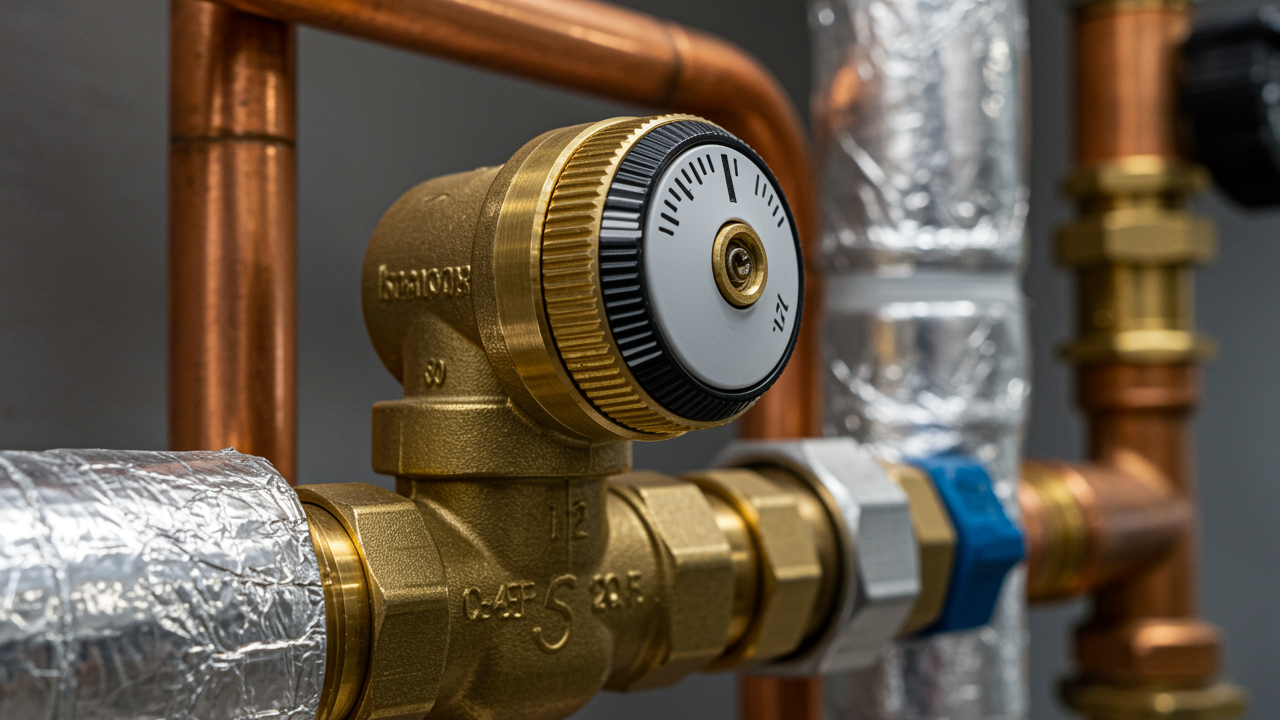
Commercial buildings face constant challenges maintaining safe, consistent water temperatures across multiple outlets and usage points. Mixing valves serve as the critical control mechanism that blends hot and cold water to deliver precisely regulated temperatures, preventing scalding injuries whilst ensuring sufficient heat for hygiene requirements. These devices operate through sophisticated thermostatic or pressure-balancing technologies that automatically adjust water flow ratios in response to temperature and pressure fluctuations.
In healthcare facilities, educational institutions, hotels, and industrial complexes, mixing valves provide the essential safety barrier between dangerously hot water storage temperatures and the safe delivery temperatures required at taps, showers, and other outlets. Understanding how these valves function, where they should be installed, and how to maintain them properly determines whether a commercial building meets regulatory requirements whilst protecting occupants from harm.
Understanding Mixing Valve Technology
What Are Mixing Valves and How Do They Function
Mixing valves regulate water temperature by blending hot and cold water supplies to achieve a preset delivery temperature. The valve contains a thermostatic element - typically a wax-filled cartridge or liquid-filled sensor - that expands and contracts in response to water temperature changes. This expansion and contraction physically moves internal components that adjust the ratio of hot to cold water flowing through the valve.
When water temperature rises above the set point, the thermostatic element expands, reducing hot water flow whilst increasing cold water flow. Conversely, when temperature drops, the element contracts, allowing more hot water and restricting cold water. This automatic adjustment happens continuously, maintaining consistent output temperature despite fluctuations in supply temperature or pressure.
Commercial installations typically employ either point-of-use mixing valves installed at individual outlets or central mixing valves that regulate temperature for entire zones or buildings. Point-of-use valves provide precise control for specific applications like healthcare handwashing stations, whilst central valves offer efficient temperature management for larger distribution systems.
UK Building Regulations Part G mandates that hot water stored in commercial buildings must reach at least 60°C to prevent Legionella bacteria growth, yet delivery temperatures at outlets must not exceed 48°C in most applications to prevent scalding. Mixing valves bridge this safety gap, allowing buildings to maintain bacteriologically safe storage temperatures whilst delivering safe-use temperatures.
Types of Mixing Valves Used in Commercial Applications
Thermostatic mixing valves (TMVs) represent the most common type in commercial buildings, using temperature-sensitive elements to provide accurate, automatic temperature control. TMV2 valves suit healthcare applications where precise temperature control prevents patient injury, whilst TMV3 valves meet the more stringent requirements for higher-risk environments like hospital patient bathing facilities.
Pressure-balancing valves maintain temperature stability by equalising hot and cold water pressures rather than directly sensing temperature. When cold water pressure drops - such as when a toilet flushes - the valve automatically reduces hot water flow proportionally, preventing sudden temperature spikes. These valves work effectively in buildings with fluctuating water pressure but offer less precise temperature control than thermostatic models.
Motorised mixing valves incorporate electric actuators that adjust valve position based on electronic temperature sensors, offering programmable control and integration with building management systems. Grundfos pump systems often complement motorised mixing valve installations, providing the consistent pressure and flow that large commercial buildings require. Large commercial buildings often employ these valves for central temperature control, allowing facility managers to adjust temperatures remotely and monitor performance data.
Digital mixing valves combine thermostatic operation with electronic displays and programmable settings, providing visual temperature confirmation and allowing precise adjustment without disassembling the valve. These units suit applications requiring frequent temperature verification, such as commercial kitchens or laboratory facilities.
Selecting the appropriate valve type depends on building size, application requirements, regulatory compliance needs, and budget considerations. Healthcare facilities typically require TMV2 or TMV3 certification, whilst hotels and office buildings may achieve adequate safety with standard thermostatic or pressure-balancing valves.
The Science Behind Temperature Control
Thermostatic Elements and Temperature Sensing
The thermostatic element forms the heart of most commercial mixing valves, providing the temperature-sensing mechanism that triggers automatic adjustment. Wax-filled elements contain a specially formulated wax that melts and expands predictably as temperature rises. This expansion pushes against a piston or shuttle that physically repositions the valve's internal components, altering the hot-to-cold water ratio.
Liquid-filled thermostatic elements operate on similar principles but use thermal expansion of liquids rather than wax phase changes. These elements typically respond faster to temperature changes, making them suitable for applications requiring rapid adjustment to maintain consistent output temperatures.
Response time - the speed at which a valve adjusts to temperature changes - varies significantly between valve types and manufacturers. High-quality TMV3 valves respond within seconds to supply temperature fluctuations, preventing dangerous temperature spikes before they reach the outlet. This rapid response proves critical in healthcare settings where vulnerable patients face heightened scalding risk.
Accuracy standards for commercial mixing valves specify maximum temperature deviation from set points. TMV2 valves must maintain output temperature within ±2°C of the set point under normal operating conditions, whilst TMV3 valves require even tighter tolerances. This precision ensures consistent safety across varying usage patterns and supply conditions.
Fail-safe mechanisms protect against valve failure scenarios. Quality thermostatic valves incorporate fail-safe designs that shut off hot water flow if the thermostatic element fails or if cold water supply is interrupted. This critical safety feature prevents scalding injuries even when valve components malfunction, providing the last line of defence against dangerously hot water delivery.
Pressure Balance and Flow Rate Management
Water pressure variations throughout commercial buildings create significant temperature control challenges. When multiple outlets operate simultaneously or when central heating pumps cycle on and off, pressure fluctuations can dramatically affect the hot-to-cold water ratio at mixing valves. Without proper pressure compensation, these fluctuations translate directly into temperature variations that compromise safety and comfort.
Pressure-balancing mixing valves address this challenge through mechanical pressure equalisation. The valve contains a pressure-sensing element that monitors both hot and cold supply pressures, automatically adjusting flow rates to maintain consistent proportional mixing regardless of pressure changes. When cold water pressure drops, the valve proportionally restricts hot water flow, preventing temperature spikes.
Flow rate significantly impacts mixing valve performance. Most commercial valves specify minimum and maximum flow rates for proper operation. Below minimum flow, thermostatic elements may not receive sufficient water flow for accurate temperature sensing, resulting in erratic temperature control. Above maximum flow rates, the valve cannot adjust quickly enough to maintain stable temperatures, and excessive flow may damage internal components.
System design must account for peak demand flow rates when sizing mixing valves. A valve adequately sized for normal usage may prove undersized during peak periods like morning routines in hotels or shift changes in industrial facilities. Undersized valves restrict flow, reducing pressure at outlets and potentially failing to maintain safe temperatures under high-demand conditions.
Integration with Wilo pump systems and heating system components affects mixing valve performance. Properly sized circulation pumps maintain consistent pressure and flow throughout the hot water distribution system, providing stable supply conditions that allow mixing valves to function optimally. Coordination between heating system design and temperature control requirements ensures reliable performance across all operating conditions.
Commercial Applications and Installation Requirements
Healthcare Facilities and Patient Safety
Healthcare environments demand the highest standards of water temperature control due to vulnerable patient populations and stringent infection control requirements. Hospital patients - particularly the elderly, very young, and those with reduced mobility or sensation - face elevated scalding risk from water temperatures that healthy adults tolerate safely. TMV3-certified mixing valves provide the precise, fail-safe temperature control that healthcare applications require.
Preventing Legionella bacteria growth adds complexity to healthcare water temperature management. Hot water storage must reach 60°C minimum to kill Legionella bacteria, whilst delivery temperatures must not exceed 43°C at patient bathing facilities and 41°C at washbasins used by vulnerable patients. Mixing valves enable this dual requirement, allowing safe storage temperatures whilst ensuring safe delivery temperatures.
Healthcare facilities typically install thermostatic mixing valves at multiple points: central valves regulate temperature for entire wings or floors, whilst point-of-use valves provide final temperature control at individual outlets. This layered approach ensures temperature safety even if individual valves fail, whilst allowing precise adjustment for different patient care areas with varying temperature requirements. Expansion vessels working alongside mixing valves in healthcare settings ensure system stability as different zones cycle on and off.
Installation in healthcare settings requires TMV2 or TMV3 certification depending on application. Patient bathing and washing facilities require TMV3 valves, which meet more stringent performance and safety standards. Staff facilities and general washrooms may use TMV2 valves, which provide adequate safety for lower-risk applications whilst reducing installation costs.
Maintenance protocols in healthcare facilities typically mandate weekly temperature checks at sentinel outlets throughout the building, with annual professional servicing of all mixing valves. This rigorous maintenance schedule ensures continuous compliance with safety standards and provides documented evidence of due diligence in preventing scalding injuries and Legionella contamination.
Educational Buildings and Public Safety
Schools, colleges, and universities face similar temperature control challenges to healthcare facilities, protecting vulnerable populations whilst managing high-traffic facilities with variable usage patterns. Building Regulations Part G requires that hot water delivery temperatures in educational facilities do not exceed 48°C at outlets accessible to children under five years old, with thermostatic mixing valves providing the primary means of compliance.
Educational facilities typically experience extreme usage variations, from empty buildings during holidays to peak demand during term-time morning and afternoon periods. Mixing valves must maintain accurate temperature control across this wide usage range, preventing scalding during high-demand periods whilst ensuring sufficient temperature for effective handwashing during normal use.
High-traffic bathroom facilities in schools create additional challenges. Multiple students using facilities simultaneously can cause rapid pressure and flow fluctuations that stress mixing valve performance. Robust commercial-grade valves sized appropriately for peak demand ensure reliable operation despite these challenging conditions.
Integration with existing heating systems in older educational buildings often requires careful planning. Many schools operate with aging heating infrastructure that may not provide ideal supply conditions for modern mixing valves. DAB pump systems and booster sets can enhance system performance where existing infrastructure cannot provide adequate supply conditions. Professional assessment of system compatibility ensures that valve installation delivers intended safety benefits without creating new operational problems.
Compliance documentation proves essential in educational settings, where institutions must demonstrate due diligence in protecting students and staff. Proper installation certification, commissioning records, and maintenance logs provide evidence that the institution has taken reasonable steps to prevent scalding injuries, protecting against liability whilst ensuring genuine safety.
Hospitality and Industrial Settings
Hotels and restaurants require reliable hot water temperature control to ensure guest safety and comfort whilst managing energy costs across large, complex distribution systems. Guest expectations for consistent, comfortable water temperatures combine with legal obligations to prevent scalding injuries, making mixing valves essential components of hospitality hot water systems.
Commercial kitchens present unique temperature control requirements, needing high-temperature water for dishwashing and sanitisation whilst protecting staff from scalding injuries. Separate mixing valve installations for kitchen handwashing stations provide safe temperatures for staff whilst allowing dishwashers and sanitising equipment to access higher-temperature water for effective cleaning.
Industrial facilities often require process water at specific temperatures for manufacturing operations, quality control, or safety showers. Lowara pump systems are commonly used in industrial applications where high reliability and performance are essential. Mixing valves provide the precise temperature control that industrial processes demand, ensuring consistent product quality whilst protecting workers from temperature-related injuries. Industrial applications may require specialised valve materials and designs to withstand harsh environments or unusual water chemistry.
Spa and leisure facilities face particularly stringent temperature control requirements due to extended water contact times and vulnerable user populations. Spa pools, hydrotherapy facilities, and leisure centre showers must maintain precise temperatures to prevent both hypothermia and scalding whilst providing comfortable experiences that meet customer expectations.
Energy efficiency considerations drive mixing valve selection in hospitality and industrial settings, where hot water represents a significant operating cost. Vaillant boiler systems integrated with appropriate mixing valves reduce energy waste by ensuring that water reaches outlets at precisely the temperature needed. Properly specified and maintained mixing valves prevent overheating, ensuring that water reaches outlets at precisely the temperature needed rather than requiring users to add cold water to excessively hot supplies.
Installation and System Integration
Proper Valve Sizing and Selection
Calculating appropriate flow rates forms the foundation of proper mixing valve sizing. Commercial buildings must determine peak hot water demand by analysing the number and type of outlets, typical usage patterns, and the probability of simultaneous use. A 50-room hotel requires different valve capacity than a 200-bed hospital, even if both have similar total outlet counts, because usage patterns and peak demand periods differ significantly.
Matching valve capacity to heating system output ensures that mixing valves receive adequate hot water supply to maintain set temperatures during peak demand. Undersized heating systems or circulation pumps create supply conditions where even properly sized mixing valves cannot maintain stable temperatures because insufficient hot water reaches the valve during high-demand periods.
Peak demand calculations must account for diversity factors - the reality that not all outlets operate simultaneously even during busy periods. Oversizing mixing valves based on theoretical maximum flow (all outlets fully open) results in unnecessarily expensive installations and may actually impair performance, as valves operating consistently below their designed flow range may not maintain accurate temperature control.
Integration with Armstrong equipment and pressurisation units affects mixing valve performance by stabilising system pressure. Commercial heating systems with properly sized expansion vessels and pressure maintenance equipment provide the stable supply conditions that allow mixing valves to function optimally, reducing temperature fluctuations and extending valve service life.
Compatibility with different boiler and water heater types influences valve selection. Systems using instantaneous water heaters may experience different supply temperature characteristics than storage-based systems, requiring mixing valves with faster response times or different thermostatic element specifications to maintain accurate control.
Installation Best Practices
Correct positioning of mixing valves within commercial systems significantly impacts performance and maintenance accessibility. Central mixing valves should install as close as practical to hot water storage or generation equipment, minimising the volume of water at mixed temperature within the distribution system. This positioning reduces energy waste from heat loss in mixed-temperature pipework whilst improving response times to demand changes.
Point-of-use mixing valves install directly at or immediately upstream of the outlet they serve, providing final temperature control and protecting against temperature variations in the distribution system. Central heating systems often combine central and point-of-use valves, with central valves providing primary temperature reduction and point-of-use valves ensuring precise control at critical applications.
Pipe sizing and insulation requirements extend beyond the mixing valves themselves to the entire distribution system. Properly sized pipework ensures adequate flow rates and pressure at all outlets, whilst comprehensive insulation reduces heat loss that would otherwise require higher mixed temperatures to compensate, increasing scalding risk and energy consumption.
Integration with temperature monitoring systems allows facility managers to verify mixing valve performance without manual temperature checks at every outlet. Digital temperature sensors at key locations throughout the distribution system provide continuous monitoring, alerting maintenance staff to temperature deviations that may indicate valve problems or system issues requiring attention.
Commissioning procedures verify that installed mixing valves achieve intended performance before the building enters service. Professional commissioning includes temperature testing at all outlets under various demand conditions, adjustment of valve set points to achieve target temperatures, and documentation of as-installed performance. Pump valves in the supply system should also be verified during commissioning to ensure they provide appropriate supply conditions for optimal mixing valve function. This thorough commissioning process ensures that the system meets safety requirements and provides a baseline for future maintenance and troubleshooting.
Maintenance and Performance Optimisation
Regular Inspection and Testing Protocols
Weekly temperature checks form the minimum maintenance requirement for commercial mixing valves in most applications, with healthcare and educational facilities often requiring more frequent verification. Temperature testing involves measuring water temperature at representative outlets throughout the building after allowing water to run until temperature stabilises, typically 30-60 seconds depending on pipe lengths.
Annual servicing by qualified professionals ensures continued reliable performance and compliance with safety standards. Professional servicing includes disassembling valves to inspect thermostatic elements and internal components for wear, cleaning or replacing components as needed, recalibrating temperature settings, and verifying fail-safe mechanisms function correctly.
Cleaning and descaling procedures remove mineral deposits that accumulate in hard water areas, maintaining thermostatic element responsiveness and valve flow capacity. Scale buildup on internal components can significantly degrade performance, potentially creating temperature control problems or reduced flow rates that compromise system function.
Thermostatic element replacement follows manufacturer specifications, typically every 5-10 years depending on water quality and usage intensity. Regular replacement maintains accurate temperature control and ensures fail-safe mechanisms function reliably, protecting occupants from scalding injuries and compliance issues.
Record-keeping for health and safety compliance documents all maintenance activities, temperature readings, valve adjustments, and component replacements. These records demonstrate institutional commitment to safety and provide evidence of due diligence if scalding incidents occur, potentially protecting organisations from liability claims.
Troubleshooting Common Issues
Diagnosing temperature fluctuation problems requires systematic analysis of supply conditions and valve performance. Fluctuations may indicate thermostatic element wear, water pressure variations, or flow rate problems rather than complete valve failure, often allowing targeted repair rather than complete replacement.
Addressing reduced flow rates and pressure issues involves checking for blockages in strainers or pipes, verifying pump operation, and assessing whether demand exceeds system capacity. Many flow problems resolve through cleaning or system adjustments rather than valve replacement.
Identifying valve wear and component failure involves recognising performance trends rather than waiting for complete failure. Temperature consistency degradation, slower response times to demand changes, or unusual noises during operation indicate that professional inspection and potential component replacement will soon become necessary.
Emergency procedures for valve malfunction protect occupants if mixing valves fail during operation. Isolating affected zones, providing alternative safe water temperature sources, and rapidly arranging professional repair minimise risk whilst maintenance staff address the problem.
When to replace versus repair mixing valves depends on failure analysis and cost-benefit assessment. Minor maintenance and component replacement often restores performance effectively, but severe corrosion, mechanical damage, or thermostatic element failure may justify complete valve replacement.
Energy Efficiency and Cost Considerations
Reducing energy consumption through proper temperature control represents a significant benefit of well-maintained mixing valve systems. Preventing overheating of delivered water eliminates the energy waste from users adding cold water to excessively hot supplies, and reduces return water temperatures that improve condensing boiler efficiency.
How mixing valves prevent energy waste from overheating extends beyond immediate temperature control to system-level efficiency. Remeha boiler systems paired with appropriate mixing valves operate more efficiently because cooler return temperatures allow condensing operation. This interaction between temperature control and boiler performance multiplies energy savings across large commercial installations.
Optimising hot water temperature settings for efficiency requires balancing safety requirements with energy consumption minimisation. Professional guidance ensures that temperature settings meet regulatory requirements whilst consuming minimum energy necessary for safe operation.
Integration with building management systems enables sophisticated energy management where mixing valve operation coordinates with heating system control, occupancy sensors, and demand forecasting. Automated systems adjust temperatures based on predicted usage patterns, reducing unnecessary heating whilst ensuring safety during actual usage.
Return on investment calculations for valve upgrades demonstrate that improved temperature control and energy efficiency often justify investment within 3-5 years, with continued savings extending the payback benefit throughout the system's service life.
Long-term cost savings from proper temperature management extend beyond energy reduction to include reduced maintenance costs from stable system operation and extended component service life. Systems operating within optimal parameters experience fewer failures and require less frequent emergency repairs than those struggling under inadequate supply conditions.
Conclusion
Mixing valves represent essential safety and efficiency components in modern commercial buildings, controlling water temperature to prevent scalding whilst enabling regulatory compliance and energy-efficient operation. Whether protecting healthcare patients, educational facility users, or hospitality guests, these sophisticated devices provide automatic, fail-safe temperature control across diverse applications and operating conditions.
Proper selection, installation, commissioning, and maintenance of mixing valves determine whether commercial buildings achieve genuine safety benefits or simply comply with minimum regulatory requirements without reliable protection. Professional guidance throughout the system lifecycle ensures that investments in temperature control deliver maximum safety, efficiency, and long-term value.
If you're planning new commercial installations, upgrading existing hot water systems, or need to improve temperature control compliance in your facility, expert advice ensures you select and maintain mixing valves appropriate for your specific requirements. Contact Us to discuss your commercial temperature control needs and ensure your hot water system delivers both safety and efficiency.