

How Mixing Valves Improve Energy Efficiency in Heating Systems
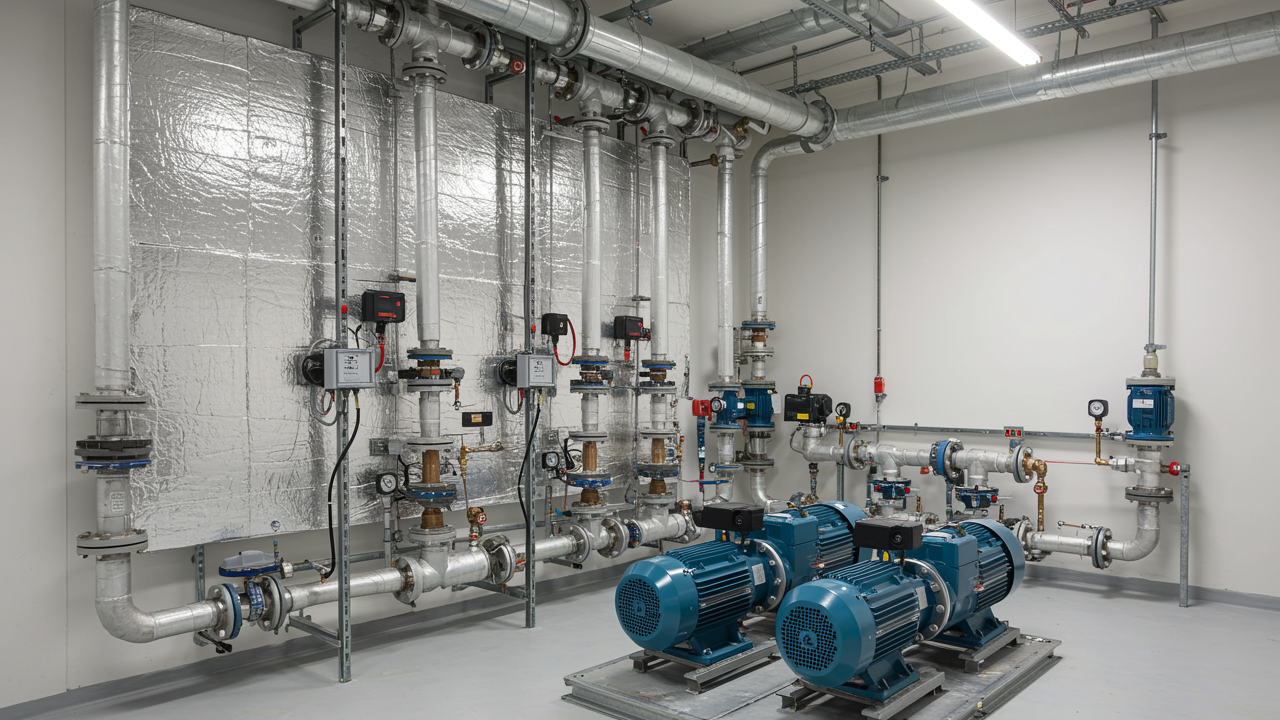
Modern heating systems waste significant energy through poor temperature regulation - a problem that energy-efficient mixing valves solve with precision control and intelligent distribution. These often-overlooked components reduce fuel consumption by preventing overheating, optimising zone temperatures, and minimising unnecessary boiler operation across both residential and commercial applications.
Temperature control directly impacts heating costs. When systems operate at higher temperatures than necessary, boilers consume excess fuel whilst components experience accelerated wear. Buildings with properly specified mixing valves typically achieve 15-25% energy savings compared to systems relying solely on boiler output temperature control. The efficiency gains stem from fundamental thermodynamics where every degree of unnecessary temperature increase requires additional fuel input, whilst heat losses through pipework and distribution systems accelerate at higher operating temperatures.
Understanding Mixing Valves and Their Function in Heating Systems
What Are Mixing Valves and How Do They Work?
A mixing valve combines hot water from a heat source with cooler water to achieve a target outlet temperature. The valve contains three ports - hot inlet, cold inlet, and mixed outlet - with an internal mechanism that adjusts the proportion of each input based on temperature requirements. This fundamental function enables heating systems to deliver safe, comfortable temperatures throughout buildings whilst maintaining boiler efficiency.
Thermostatic mixing valves operate mechanically, using a wax or liquid-filled element that expands and contracts with temperature changes. This expansion physically moves a shuttle valve to adjust the hot-to-cold ratio, maintaining consistent output temperature without external power or controls. These self-regulating devices suit applications where fixed temperature output suffices, such as domestic hot water safety or simple underfloor heating circuits.
Motorised mixing valves employ an electric actuator controlled by an external temperature sensor and controller. The actuator rotates the valve mechanism in response to electronic signals, enabling precise adjustment and integration with building management systems. This technology delivers superior accuracy and enables dynamic temperature adjustment based on weather conditions, occupancy patterns, or time schedules.
The efficiency advantage emerges from this precise control. Rather than heating all water to maximum temperature and wasting energy through heat loss and oversupply, energy-efficient mixing valves ensure each circuit receives only the thermal energy required for its specific purpose. A radiator circuit might operate at 70°C whilst underfloor heating runs at 40°C, both supplied from the same boiler but each optimised for efficiency.
The Role of Mixing Valves in System Efficiency
Mixing valves prevent the energy waste inherent in single-temperature heating systems. Traditional configurations force all heating circuits to operate at the boiler's output temperature, inevitably overheating some zones whilst attempting to satisfy others. This approach wastes fuel and creates uncomfortable temperature variations. Grundfos heating solutions demonstrate how modern mixing valve technology integrates with efficient circulation systems.
Zone control represents the primary efficiency mechanism. Commercial buildings typically require different temperatures in occupied offices, storage areas, and entrance lobbies. Residential properties need varying temperatures in living spaces, bedrooms, and bathrooms. Central heating pumps distribute water throughout these zones, but without mixing valves, all areas receive the same temperature regardless of actual requirements.
Reduced boiler cycling delivers additional savings. When heating systems operate at unnecessarily high temperatures, thermostats reach setpoint quickly, shutting down the boiler. The system then cools rapidly, triggering another heating cycle. This constant on-off operation wastes energy through repeated start-up losses and standby heat dissipation. Energy-efficient mixing valves enable lower average system temperatures, creating longer, more efficient boiler run cycles with reduced cycling frequency.
System balance improves dramatically with proper mixing valve implementation. Without temperature control at the circuit level, installers often throttle flow rates or adjust radiator valves to prevent overheating, creating pressure imbalances and pump inefficiency. Mixing valves eliminate these compromises, allowing proper hydraulic balance whilst maintaining appropriate temperatures throughout the system.
Energy Savings Through Precise Temperature Control
Reducing Boiler Load and Fuel Consumption
Lower operating temperatures directly translate to reduced fuel consumption. Condensing boilers achieve maximum efficiency when return water temperatures drop below 55°C, allowing flue gases to condense and recover latent heat. Mixing valves enable this efficient operation by supplying heating circuits at temperatures 10-20°C lower than traditional systems whilst maintaining comfort levels.
Real UK examples demonstrate substantial savings. A 2,500 square metre office building in Birmingham retrofitted motorised mixing valves to create four independent temperature zones, reducing annual gas consumption by 18% - approximately £4,200 at current commercial rates. The system now operates radiator circuits at 65°C in perimeter offices, 55°C in internal spaces, and 45°C in corridors, with each zone responding to actual thermal demand rather than a single building-wide setpoint. National Pumps and Boilers has supported similar projects across the UK, helping commercial properties achieve significant fuel savings through proper mixing valve implementation.
Standby losses decrease significantly with lower system temperatures. Heat escapes from pipework, valves, and the boiler itself whenever the system contains hot water. These losses accelerate exponentially with temperature - pipework at 80°C loses heat nearly twice as fast as the same pipe at 60°C. By reducing average system temperature through mixing valve control, buildings minimise this continuous energy drain.
Seasonal efficiency improvements compound these benefits. During mild weather, heating systems require far less thermal output, yet without mixing valves, many installations continue operating at design temperatures. Weather compensation systems with mixing valves automatically reduce system temperatures as outdoor conditions moderate, capturing efficiency gains throughout the heating season rather than only during peak demand periods.
Optimising Zone Heating for Maximum Efficiency
Different building areas demand different temperatures, yet single-temperature systems waste energy attempting to satisfy all zones simultaneously. Ground floor spaces typically require more heat than upper floors where warm air naturally accumulates. South-facing rooms gain solar heat that north-facing spaces never receive. Occupied areas need higher temperatures than storage or circulation spaces.
Energy-efficient mixing valves enable independent temperature control for each zone without requiring separate boilers or heat sources. A residential property might employ three zones - underfloor heating in the ground floor at 40°C, standard radiators upstairs at 65°C, and a heated towel rail circuit at 70°C - all supplied from a single boiler but each optimised for efficiency and comfort.
Eliminating overheating in low-demand areas generates immediate savings. Corridors, storage rooms, and entrance halls typically require temperatures 3-5°C lower than occupied spaces. Without zone control, these areas receive excess heat that escapes through external walls and doors, wasting energy whilst creating uncomfortable conditions. Mixing valves prevent this waste by supplying only the thermal energy each zone requires.
Smart control integration amplifies these benefits. Modern building management systems adjust mixing valve positions based on occupancy sensors, time schedules, and weather forecasts. An office building might reduce corridor temperatures during evenings and weekends, lower perimeter zone temperatures when solar gain provides natural heating, and pre-warm specific areas before scheduled occupancy. These dynamic adjustments, impossible without mixing valve control, typically deliver 10-15% additional savings beyond static zone temperature optimisation.
Technical Advantages of Modern Mixing Valve Technology
Thermostatic vs Motorised Mixing Valves
Thermostatic mixing valves suit applications requiring fixed temperature output with minimal maintenance and no electrical supply. The self-regulating wax or liquid element responds directly to water temperature, adjusting the valve position mechanically without external controls. These devices excel in domestic hot water temperature limiting, protecting against scalding whilst ensuring adequate temperature for sanitisation.
Energy efficiency in thermostatic applications comes from consistent temperature delivery regardless of flow rate or inlet temperature variations. A properly specified thermostatic mixing valve on an underfloor heating circuit maintains 40°C output whether the boiler supplies water at 70°C or 80°C, preventing the temperature creep that wastes energy and damages floor finishes in uncontrolled systems.
Motorised mixing valves deliver superior precision and control flexibility, making them the preferred choice for optimised heating systems. The electronic actuator responds to control signals in real-time, enabling integration with weather compensation, optimisation algorithms, and building management systems. Accuracy typically reaches ±1°C compared to ±3°C for thermostatic valves, reducing energy waste from temperature overshoot.
Lowara circulation equipment and motorised mixing valves form an efficient combination in modern heating systems, with variable speed pumps adjusting flow rates whilst mixing valves control temperatures. This coordinated approach optimises both thermal and hydraulic efficiency, reducing energy consumption across both heat generation and distribution.
Integration with Modern Heating Controls
Energy-efficient mixing valves reach their full potential when integrated with advanced control systems. Weather compensation adjusts system temperatures based on outdoor conditions - as external temperatures rise, the controller reduces mixing valve output temperature proportionally. This automatic adjustment maintains comfort whilst minimising energy input throughout varying weather conditions.
A typical weather compensation strategy might reduce radiator circuit temperature from 70°C at -5°C outdoor temperature to 50°C when outdoor temperature reaches 15°C. This dynamic adjustment, implemented through motorised mixing valve control, reduces average system temperature by 10-15°C across a heating season, delivering corresponding fuel savings without compromising comfort.
Building management system integration enables sophisticated efficiency strategies impossible with standalone controls. Occupancy sensors trigger temperature setback in unoccupied zones, time schedules pre-warm spaces before arrival, and optimisation algorithms calculate the latest possible heating start time based on building thermal mass and weather forecasts. Mixing valves execute these strategies by adjusting zone temperatures precisely according to calculated requirements.
Remote monitoring capabilities identify efficiency opportunities and performance issues before they escalate. Cloud-connected controls track mixing valve performance, highlighting zones with excessive energy consumption, detecting valve failures, and enabling remote adjustment without site visits. This visibility supports continuous efficiency improvement and rapid response to problems.
DHW circulation systems work alongside mixing valves in domestic hot water applications, with controls coordinating pump operation and temperature regulation to minimise energy waste whilst ensuring adequate hot water delivery and Legionella protection.
Practical Applications Across Different Heating Systems
Residential Heating System Efficiency
Underfloor heating represents the most common residential application for mixing valves, where lower operating temperatures deliver both efficiency and comfort. Floor systems typically operate at 35-45°C compared to 65-75°C for radiators, reducing heat loss through the building fabric whilst providing even, comfortable warmth. Without a mixing valve, connecting underfloor heating directly to a boiler risks floor damage and wastes significant energy.
A typical residential installation might achieve 20% energy savings by implementing underfloor heating with proper mixing valve control compared to a radiator-only system. The lower operating temperature enables condensing boiler efficiency whilst reducing heat loss through floors to unheated spaces below. The thermal mass of the floor slab provides storage, smoothing demand peaks and reducing boiler cycling frequency.
Multi-zone residential systems employ multiple mixing valves to optimise different areas independently. Ground floor living spaces might operate at 40°C via underfloor heating, first floor bedrooms at 60°C through radiators, and bathrooms at 70°C for rapid warm-up and towel rail operation. Each zone operates at its optimal efficiency point rather than compromising all areas to a single temperature.
Domestic hot water temperature control prevents scalding whilst maintaining sanitisation temperatures. A thermostatic mixing valve on the hot water outlet reduces stored water temperature from 60°C (required for Legionella control) to 48°C at taps, protecting against burns whilst eliminating the energy waste of maintaining entire systems at elevated temperatures.
Real-world monitoring in a four-bedroom UK home demonstrated annual savings of £280 after installing motorised mixing valves with weather compensation on separate ground floor underfloor and first floor radiator zones. The system reduced average operating temperatures by 12°C whilst improving comfort through more stable zone control. Vaillant heating systems demonstrate how quality equipment integration improves both efficiency and performance.
Commercial and Industrial Applications
Large commercial buildings achieve substantial savings through sophisticated mixing valve strategies across multiple zones. A typical office building might implement perimeter, core, entrance, and service area zones, each with independent temperature control responding to solar gain, occupancy, and functional requirements. This granular control typically delivers 15-25% energy savings compared to single-temperature systems.
District heating connections benefit particularly from mixing valve implementation. These systems supply high-temperature water (typically 80-90°C) to maximise distribution efficiency, but buildings rarely require such elevated temperatures. Energy-efficient mixing valves at the building entry point reduce incoming water to appropriate temperatures for each internal zone, capturing efficiency whilst protecting building systems from excessive temperatures.
Commercial circulation systems distribute heated water throughout large buildings, with mixing valves at each zone ensuring appropriate temperatures without throttling flow or creating pressure imbalances. This approach maintains hydraulic efficiency whilst optimising thermal performance across diverse building areas.
Process heating applications require precise temperature control for manufacturing, food preparation, and industrial processes. Motorised mixing valves deliver this accuracy whilst minimising energy input - a pharmaceutical facility might require 65°C for cleaning processes, 45°C for space heating, and 80°C for sterilisation, all supplied from a central boiler plant but each controlled independently for efficiency.
A 15,000 square metre distribution warehouse implemented five-zone heating control with motorised mixing valves, reducing annual heating costs by £18,000. The system maintains 18°C in picking areas during operating hours, 12°C in storage zones, 16°C in offices, and 8°C throughout during unoccupied periods. Weather compensation and optimised start controls further enhance efficiency through the mixing valve infrastructure. Armstrong equipment integration demonstrates professional standards for complex commercial applications.
Installation Considerations and Best Practices
Proper Sizing and System Design
Mixing valve capacity must match system flow rates to maintain stable control and efficient operation. Undersized valves create excessive pressure drops, forcing pumps to work harder and wasting electrical energy. Oversized valves suffer from poor control resolution, hunting between positions and failing to maintain stable temperatures.
Flow rate calculations should account for maximum design conditions plus a 10-15% margin for system variations. A heating zone requiring 3.5 kW at 10°C temperature difference needs approximately 0.5 litres per second flow rate, suggesting a DN20 or DN25 mixing valve depending on manufacturer specifications and acceptable pressure drop.
Positioning within the heating system affects both performance and efficiency. Mixing valves should install on the flow side of heating circuits, close to the point of use to minimise pipework operating at unnecessarily high temperatures. Long pipe runs between boiler and mixing valve waste energy through heat loss whilst the cooler mixed water travels to heating emitters.
Integration with existing equipment requires careful consideration of control strategies and hydraulic design. Expansion vessel systems and mixing valves work together to balance system pressure and temperature, with proper coordination essential for efficient operation. Bypass arrangements prevent boiler short-cycling when mixing valves reduce flow to heating zones.
Maintenance Requirements for Optimal Performance
Regular inspection and testing procedures maintain mixing valve efficiency throughout service life. Annual checks should verify that valves maintain target output temperatures under varying load conditions, respond appropriately to control inputs, and show no signs of scale accumulation or seal degradation. Many efficiency problems stem from maintenance neglect rather than component failure, making preventive service highly cost-effective.
Common mixing valve issues affecting efficiency include scale accumulation on thermostatic elements in hard water areas, seal degradation allowing internal bypass, and actuator wear reducing control responsiveness. Regular cleaning and servicing prevent these problems, maintaining peak efficiency throughout the system's operational life.
Descaling and servicing schedules depend on local water quality, with hard water areas requiring more frequent intervention. Annual descaling using appropriate solutions maintains thermostatic element responsiveness, preventing the efficiency degradation that occurs as scale insulates temperature-sensing components.
Component replacement timing significantly impacts efficiency. Most manufacturers specify 5-10 year service lives for thermostatic elements, after which replacement ensures continued reliable operation. Replacing worn components proactively prevents gradual efficiency degradation and sudden failures that compromise system performance.
Cost-Benefit Analysis and Return on Investment
Initial Investment vs Long-Term Savings
Mixing valve equipment costs typically range from £150-400 for domestic units to £800-2,500 for complex commercial systems, with installation labour adding £200-800 depending on system complexity. These upfront costs repay themselves through fuel savings within 2-5 years for most applications, with continued savings throughout the system's remaining operational life.
Typical annual energy savings range from 15-30% depending on building characteristics, existing system efficiency, and installation quality. A residential property spending £800 annually on heating might save £120-240 per year, achieving full payback within 4-7 years. Commercial properties with higher consumption see correspondingly larger absolute savings, often achieving payback within 2-3 years.
Payback periods for residential and commercial applications vary based on energy prices, system size, and baseline efficiency. Properties with poor insulation or oversized heating systems achieve higher savings percentages, whilst well-insulated modern buildings see more modest percentage improvements but still substantial absolute savings. Current energy prices amplify the financial benefits, with every percentage point of efficiency improvement translating directly into cost savings.
Available grants and energy efficiency incentives can significantly reduce net installation costs. Some local authorities and energy suppliers offer funding for heating system upgrades including mixing valve installation. Government efficiency schemes occasionally include mixing valve systems in eligible improvements, potentially offsetting 25-50% of installation costs through available incentives.
Real UK case studies demonstrate consistent financial returns across residential and commercial applications. A typical semi-detached house achieving 18% fuel savings recovered installation costs within 5 years. Commercial buildings with more sophisticated control systems achieved 22% savings, recovering investments within 3 years. These case studies establish that mixing valve investment represents a sound financial decision alongside environmental benefits.
Environmental Impact and Carbon Reduction
Carbon emissions reduction through improved efficiency represents a major environmental benefit. Each 1,000 kWh of natural gas saved prevents approximately 184 kg of CO2 emissions. A commercial building saving 25,000 kWh annually through mixing valve optimization eliminates 4.6 tonnes of CO2 emissions per year - equivalent to taking a car off the road for 12 months.
Building energy performance ratings improve through mixing valve installation. Properties achieving EPC ratings of A or B receive higher valuations and lower insurance premiums, with mixing valve systems often forming part of the specification improving ratings. This benefit extends beyond operational cost savings to property value enhancement and reduced insurance costs.
Contribution to UK carbon reduction targets becomes significant as widespread adoption occurs. The government's pathway to net-zero emissions requires substantial heating system efficiency improvements. Mixing valve technology represents one of the most cost-effective decarbonisation measures available for existing buildings, delivering immediate emissions reductions without major infrastructure changes.
Supporting renewable energy transition becomes increasingly important as mixed heating systems combining gas boilers with heat pumps emerge. Mixing valves enable these hybrid systems to operate efficiently by managing temperature control across diverse heat sources. As buildings transition toward low-carbon heating, mixing valve technology proves essential for maximising renewable source efficiency.
Conclusion
Mixing valves deliver comprehensive benefits spanning fuel cost reduction, energy efficiency, equipment longevity, and environmental impact. The technology's reliability, ease of installation, and rapid payback period establish it as one of the most attractive heating system upgrades available for property owners seeking to reduce operating costs whilst improving sustainability credentials.
Professional installation and commissioning ensure that systems achieve their full cost-saving potential. Proper valve sizing, sensor placement, and integration with existing equipment create the foundation for sustained, measurable savings throughout the system's operational life. Regular maintenance preserves efficiency gains over years of service.
If you're considering mixing valves for your heating system, expert guidance ensures you select and configure the technology appropriately for your building's specific characteristics and requirements. Contact Us to discuss how mixing valves can improve your heating efficiency and reduce operating costs.