

How Often Should Commercial Heating Systems Be Tested for Water Quality?
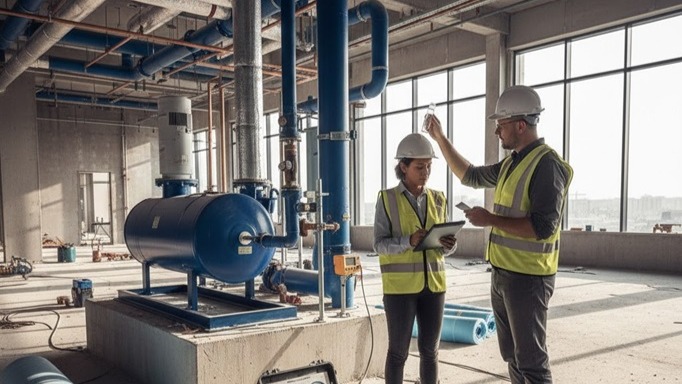
Testing frequency represents a fundamental consideration for facilities managers and building operators responsible for commercial heating installations. Regular water quality assessment protects substantial equipment investments, maintains energy efficiency, and ensures compliance with British Standards governing closed system operation. Determining the appropriate testing schedule requires understanding regulatory requirements, system-specific risk factors, and practical implementation considerations that balance protection against operational demands.
The consequences of inadequate testing manifest gradually before becoming catastrophic. Corrosion and scale formation proceed invisibly within system water, degrading components and accumulating deposits over months or years. Without regular testing, these problems remain undetected until symptoms emerge through equipment failures, efficiency losses, or performance complaints. By that point, remediation costs typically far exceed what ongoing monitoring programmes would have required.
Regulatory Framework and Compliance Standards
BS 8552:2012 provides the primary guidance for closed system water treatment in UK buildings. This British Standard establishes water quality parameters for satisfactory system operation and recommends monitoring practices to verify treatment effectiveness. Whilst not legally mandatory in the same way as Legionella control under L8/HSG274, BS 8552 compliance represents industry best practice and may become relevant in disputes over equipment failures or warranty claims.
The standard recommends minimum annual testing for stable sealed systems operating within specification. This baseline testing frequency applies to systems demonstrating consistent water quality history, minimal makeup water requirements, and no indication of developing problems. The annual assessment should include comprehensive laboratory analysis covering pH, total dissolved solids, inhibitor concentration, and dissolved metals indicating corrosion activity.
National Pumps and Boilers supplies the pumps, boilers, and accessories that form commercial heating infrastructure throughout the UK. The company recognises that equipment longevity depends on appropriate operating conditions, with water quality representing a critical factor that testing programmes are designed to verify and maintain.
BSRIA guidance, particularly BG 50 covering water treatment for closed heating and cooling systems, provides additional detail on monitoring practices. This guidance emphasises risk-based approaches to testing frequency, with higher-risk systems requiring more frequent assessment than stable installations with good historical performance. Facilities managers should ensure their testing schedules reflect current guidance and site-specific factors.
System Characteristics Affecting Testing Intervals
System size influences testing frequency through multiple mechanisms. Larger water volumes provide greater buffering capacity against water quality changes, potentially supporting extended intervals between tests. However, larger systems also represent greater capital investment and higher consequences from water quality failures, arguing for more frequent monitoring. Commercial installations typically balance these factors by maintaining quarterly testing as standard practice.
System complexity introduces additional considerations. Multi-zone heating systems, installations combining heating and cooling circuits, and buildings with diverse heat sources all present increased risk of water quality variations between circuits. Each zone may experience different operating temperatures, flow rates, and material exposures, potentially requiring separate sampling points and assessment criteria.
Grundfos pumps installed across commercial heating systems benefit from water quality conditions within design specifications. Testing confirms that protective treatment remains effective, circulating water presents no corrosion or scaling risk, and pump operating conditions support intended service life. Premium equipment investments deserve the protection that regular water quality verification provides.
System age significantly impacts appropriate heating water testing frequency. Newly commissioned systems require baseline testing shortly after completion to verify initial treatment effectiveness and identify any installation-related contamination. The first twelve months of operation typically warrant quarterly testing to establish water quality trends and confirm treatment stability before potentially extending to annual monitoring.
Older systems, particularly those approaching or exceeding typical equipment lifespans, often benefit from increased testing. Ageing components may experience accelerated corrosion, seals may allow increased oxygen ingress, and historical water quality issues may have created conditions requiring closer monitoring. Systems rehabilitated through power flushing and re-treatment should follow enhanced testing schedules until stability demonstrates reduced risk.
Makeup Water Considerations
The characteristics of makeup water entering the system during top-ups directly influence testing requirements. Hard water areas introduce calcium and magnesium that can form scale deposits, particularly if makeup rates are significant. Soft water areas may present different challenges, with naturally aggressive water potentially accelerating corrosion if not properly treated.
Testing schedules should reflect makeup water consumption. Systems requiring frequent top-ups experience continual dilution of treatment chemicals and introduction of fresh contaminants. Monthly testing may prove necessary for systems with significant water loss, whilst genuinely sealed systems with negligible makeup may sustain annual testing protocols.
Softened or treated makeup water changes the analysis. Water softeners remove hardness-causing minerals but may increase sodium content. Treated makeup water reduces some contamination risks but still introduces dissolved gases requiring scavenging. Testing programmes should verify that makeup water treatment remains effective whilst monitoring system water parameters.
Recommended Testing Schedules
Minimum annual testing applies to stable sealed systems meeting all favourable criteria: consistent historical water quality, minimal makeup requirements, quality initial treatment, and no indication of developing problems. Annual comprehensive laboratory analysis should verify pH, inhibitor concentration, total dissolved solids, iron and copper levels, and bacterial contamination.
Quarterly testing represents prudent practice for most commercial installations. This water quality test schedule provides four assessment points annually, enabling trend identification and seasonal variation monitoring. Quarterly testing typically combines on-site measurement of key parameters with periodic laboratory analysis for comprehensive evaluation.
Wilo circulators and similar quality equipment demonstrate optimal performance when operating in properly maintained water conditions. Quarterly testing supports the conditions these products require, identifying developing problems before they impact equipment operation or longevity.
Monthly testing becomes appropriate for high-risk systems or installations with historical water quality problems. Systems serving critical facilities, installations with known corrosion issues, or buildings where heating failure carries significant consequences may warrant this enhanced testing frequency. Monthly on-site testing supplemented by quarterly laboratory analysis provides close monitoring without excessive costs.
Continuous or automated monitoring suits the most critical installations. Hospitals, data centres, and manufacturing facilities with process heating requirements may justify investment in online monitoring equipment providing real-time water quality data. These systems can trigger immediate alerts when parameters drift outside acceptable ranges, enabling rapid response before problems develop.
Essential Testing Parameters
pH measurement provides fundamental indication of water chemistry status. Optimal pH ranges for multi-metal systems typically fall between 8.0 and 10.0, with specific values depending on system metallurgy. On-site pH testing requires minimal equipment and training, making it suitable for frequent monitoring by maintenance personnel.
Inhibitor concentration testing confirms that protective treatment remains effective. On-site test kits provide rapid indication of inhibitor presence, whilst laboratory analysis delivers precise concentration measurement. Testing should verify that inhibitor levels remain within manufacturers' recommended ranges for the specific product in use.
Conductivity measurement indicates total dissolved solids content, providing insight into contamination levels and system water stability. Rising conductivity suggests increasing contamination requiring investigation. Sudden conductivity changes may indicate makeup water ingress or other abnormal conditions warranting immediate attention.
Dissolved metal analysis reveals corrosion activity within the system. Iron concentrations indicate ferrous corrosion from steel radiators, pipes, or boiler sections. Copper levels suggest corrosion of copper pipework or brass fittings. Rising metal concentrations despite adequate inhibitor levels may indicate localised problems requiring investigation.
Bacterial testing addresses microbiological contamination risks. Whilst closed heating systems present lower Legionella risks than open cooling systems, bacterial contamination can still cause problems including biofouling, microbiologically influenced corrosion, and generation of hydrogen sulphide or other problematic compounds. Annual bacterial assessment typically suffices for well-maintained systems.
Implementing Effective Testing Programmes
Practical implementation of water quality test schedules requires designated responsibilities, documented procedures, and systematic record-keeping. Facilities managers should ensure that testing duties are clearly assigned, whether to in-house maintenance teams, specialist water treatment contractors, or combinations of both.
Sampling procedures significantly influence result accuracy. Samples must represent actual system water conditions rather than stagnant sections or contaminated points. Representative sampling locations, proper purging before collection, appropriate containers, and prompt analysis all contribute to meaningful results supporting informed decision-making.
DAB equipment and products from other quality manufacturers perform reliably when water quality meets specification. Testing programmes verify these conditions whilst identifying variations requiring corrective action. The modest investment in regular testing protects substantially larger equipment investments from water quality related damage.
Record-keeping supports trend analysis and compliance demonstration. Test results should be systematically documented with dates, sampling locations, parameters measured, and values obtained. Historical records enable identification of gradual changes that might escape notice in individual tests, supporting proactive intervention before problems become serious.
Escalation procedures should define responses when testing reveals parameters outside acceptable ranges. Minor variations may require only continued monitoring, whilst significant deviations demand immediate investigation and corrective action. Clear escalation criteria prevent both under-reaction to genuine problems and over-reaction to normal variations.
Professional Support and Service Options
Specialist water treatment contractors offer comprehensive testing and monitoring services integrated with treatment programmes. These arrangements typically include scheduled sampling visits, laboratory analysis, result interpretation, and treatment adjustments as required. Contract services suit organisations lacking in-house water treatment expertise or preferring to outsource this responsibility.
Expansion vessels and system pressurisation equipment require integration with water quality management programmes. Vessel pre-charge pressure, system working pressure, and pressure maintenance all affect water quality and treatment effectiveness. Testing programmes should verify that pressurisation systems support rather than undermine water quality objectives.
Equipment suppliers including Lowara provide technical guidance on water quality requirements for their products. Consulting manufacturer specifications during testing programme design ensures that monitoring addresses equipment-specific concerns alongside general system requirements.
Testing frequency ultimately reflects risk management decisions balancing protection costs against potential failure consequences. Commercial heating systems represent significant capital investments deserving systematic protection through appropriate monitoring. Regular testing according to a properly designed schedule maintains that protection whilst supporting compliance, efficiency, and equipment longevity.
For guidance on establishing appropriate testing programmes for specific commercial heating installations, contact the specialist technical team for expert recommendations based on system characteristics and operational requirements.