

How Often Should Commercial Pump System Strainers Be Cleaned?
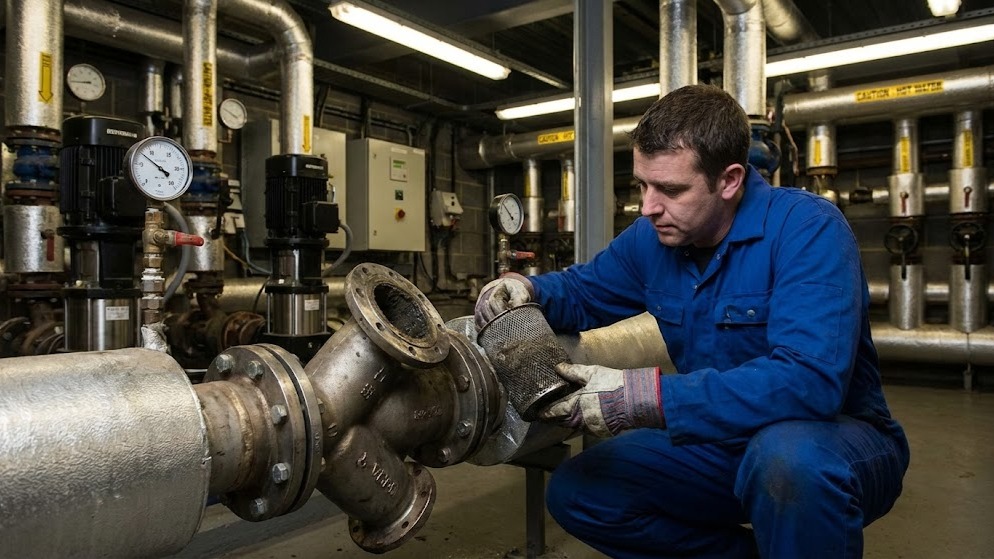
Blocked strainers account for approximately 30% of all commercial pump failures, according to recent industry maintenance data. Yet many facilities still rely on reactive maintenance schedules rather than preventive cleaning protocols. This approach costs businesses thousands in emergency repairs, system downtime, and energy waste that proper pump filter maintenance could prevent.
The answer to strainer cleaning frequency depends on multiple factors: system type, fluid characteristics, operational load, and environmental conditions. A cooling water system in a coastal facility faces vastly different contamination rates than a closed-loop heating system in a controlled environment. Understanding these variables transforms strainer maintenance from guesswork into a systematic process that protects equipment and maintains efficiency.
Understanding Strainer Function in Commercial Pump Systems
Strainers serve as the first line of defence against debris entering pump systems. They capture particulates ranging from pipe scale and rust to construction debris and biological growth before these contaminants reach pump internals. The mesh size determines what passes through, typically ranging from 20 mesh (850 microns) for coarse filtration to 100 mesh (150 microns) for fine protection.
When debris accumulates, pressure drop increases across the strainer. This forces the pump to work harder, consuming more energy whilst delivering less flow. A strainer with just 2 PSI additional pressure drop can reduce pump efficiency by 8-12% depending on the system design. Left unchecked, this leads to cavitation, bearing damage, and eventual pump failure.
Different strainer types require different pump filter maintenance approaches. Y-strainers offer simple inline installation but require system shutdown for cleaning. Basket strainers provide larger debris capacity and easier maintenance access. Duplex strainers allow continuous operation by switching between two chambers whilst cleaning one. Automatic self-cleaning strainers use backflushing mechanisms but still require periodic inspection.
Baseline Cleaning Frequencies by System Type
Closed-loop heating and chilled water systems typically require the least frequent cleaning. These systems contain treated water with minimal external contamination sources. Initial commissioning demands weekly checks for the first month to capture construction debris and pipe scale. After stabilisation, quarterly cleaning suffices for most installations, with semi-annual checks acceptable for well-maintained systems using proper water treatment.
Open cooling tower systems face constant contamination from airborne debris, biological growth, and mineral deposits. These systems typically need monthly strainer cleaning during peak operating seasons. Facilities in industrial areas with high airborne particulates may require bi-weekly attention. Coastal installations battling salt spray and marine organisms often implement weekly cleaning protocols during summer months.
Domestic hot water circulation systems using DHW pumps generally follow quarterly cleaning schedules. However, systems experiencing water quality issues or serving high-occupancy buildings benefit from monthly inspections. Scale formation from hard water accelerates debris accumulation, particularly in areas with calcium carbonate levels exceeding 150 ppm.
Process water and industrial systems vary widely based on application. Systems handling river water, wastewater, or process fluids containing suspended solids require weekly or even daily cleaning. Food processing facilities maintaining strict hygiene standards often clean strainers daily regardless of pressure drop readings.
Boiler feed systems demand particular attention due to the critical nature of boiler protection. Monthly cleaning represents the maximum interval, with many operators implementing bi-weekly schedules. Any system feeding high-pressure steam boilers should never exceed monthly cleaning regardless of apparent cleanliness. Proper maintenance protects these critical systems.
Pressure Drop Monitoring as a Cleaning Trigger
Rather than relying solely on calendar-based schedules, pressure drop monitoring provides real-time indication of strainer condition. Install pressure gauges on both sides of the strainer to measure differential pressure. Clean strainers typically show 0.5-1 PSI pressure drop at design flow rates.
Establish a cleaning trigger point based on system design. Most manufacturers recommend cleaning when pressure drop reaches 5-8 PSI above baseline. However, systems with limited pressure margin may require cleaning at 3-4 PSI differential. Document baseline readings during commissioning and after each cleaning to track trends.
Sudden pressure drop increases signal upstream problems. A rapid rise from 2 PSI to 10 PSI within days suggests pipe corrosion, system contamination, or biological growth requiring investigation beyond routine strainer cleaning. Gradual increases over weeks indicate normal debris accumulation within expected parameters.
Digital pressure transmitters connected to building management systems enable automated alerts when differential pressure exceeds setpoints. This approach prevents overlooked maintenance whilst optimising cleaning schedules based on actual conditions rather than arbitrary schedules. National Pumps and Boilers supplies pressure monitoring equipment suitable for integration with commercial pump installations.
Environmental and Operational Factors Affecting Frequency
Water quality fundamentally determines cleaning requirements. Systems using untreated mains water accumulate debris faster than those with filtration and treatment. Total suspended solids (TSS) above 50 mg/L typically require weekly cleaning. TSS below 10 mg/L in closed systems may extend intervals to quarterly.
Seasonal variations dramatically impact open systems. Cooling towers experience peak contamination during summer months when biological growth accelerates and airborne debris increases. Spring brings pollen and plant material. Autumn introduces leaf debris. Adjust maintenance schedules seasonally rather than maintaining fixed annual schedules.
System age and condition affect debris generation rates. New installations shed pipe scale, thread sealant, and construction debris during initial operation. Implement daily checks for the first week, then weekly for the first month. Older systems with corrosion issues continuously generate rust and scale requiring more frequent cleaning than new installations.
Operating hours and load directly correlate with contamination accumulation. A Grundfos pump running 24/7 processes more water and captures more debris than identical equipment operating 8 hours daily. Systems with variable loads may require cleaning based on runtime hours rather than calendar intervals.
Upstream equipment changes necessitate schedule adjustments. Adding cooling tower fill, modifying piping, or introducing new process equipment alters debris characteristics and generation rates. Increase monitoring frequency for 4-6 weeks following any system modifications.
Consequences of Inadequate Cleaning Frequency
Neglected strainers create cascading problems throughout pump systems. Initial symptoms include reduced flow rates and increased energy consumption. A strainer with 50% mesh blockage can reduce system flow by 20-30% whilst increasing pump power draw by 15-25%. This inefficiency compounds over time, costing facilities hundreds in unnecessary energy expenses monthly.
Pump damage follows when debris bypasses partially blocked strainers or when differential pressure becomes severe. Impeller erosion, seal failure, and bearing damage result from contamination and cavitation. Replacing a commercial circulator pump costs £800-3,000 depending on size and specification, expenses easily prevented through £50 worth of routine strainer maintenance.
System imbalances develop as blocked strainers create artificial flow restrictions. In multi-zone systems, areas served by clean strainers receive excessive flow whilst zones with blocked strainers suffer inadequate circulation. This leads to temperature complaints, comfort issues, and additional service calls.
Biological growth accelerates in stagnant areas created by flow restriction. Legionella and other bacteria proliferate in low-flow conditions, creating health risks and requiring expensive remediation. Facilities managing cooling towers must maintain proper flow rates through all system components to prevent biological colonisation.
Emergency repairs cost 3-5 times more than planned maintenance. A blocked strainer discovered during a weekend shutdown requires premium labour rates, expedited parts shipping, and potential production losses. Routine cleaning during normal business hours eliminates these avoidable expenses.
Establishing an Effective Cleaning Schedule
Start with manufacturer recommendations and industry baseline frequencies for your system type. Document initial cleaning results including debris type, quantity, and pressure drop readings. This data establishes patterns revealing actual requirements for specific installations.
Implement a 90-day evaluation period with increased monitoring frequency. Check strainers weekly regardless of baseline schedule recommendations. Record pressure differential, debris accumulation, and any operational issues. This intensive monitoring reveals whether baseline frequencies require adjustment for specific conditions.
Create a maintenance log tracking every inspection and cleaning. Note date, pressure readings before and after cleaning, debris type and quantity, and any unusual observations. After 90 days, analyse trends to determine optimal cleaning intervals. If strainers consistently show minimal debris at scheduled intervals, extend the schedule. If debris accumulation approaches concerning levels, increase frequency.
Develop decision criteria for schedule adjustments. Establish rules such as "clean when differential pressure reaches 5 PSI" or "if debris fills more than 30% of basket capacity, reduce interval by 25%". These objective criteria prevent both under-maintenance and excessive servicing.
Consider seasonal schedules for systems with variable contamination. A cooling tower might require weekly summer cleaning, bi-weekly spring and autumn service, and monthly winter maintenance when operating hours decrease. Document seasonal patterns during the first year to establish appropriate schedules.
Proper Cleaning Procedures and Best Practices
Effective strainer cleaning extends beyond removing visible debris. Proper procedures ensure complete cleaning whilst protecting system integrity and technician safety.
Isolation and depressurisation must occur before opening any strainer. Close isolation valves on both sides and open drain valves to release pressure. Never attempt to remove strainer covers under pressure, as even low-pressure systems can cause serious injury. Verify zero pressure with gauges before loosening any fasteners.
Complete disassembly allows thorough inspection. Remove the strainer element completely rather than attempting to clean it in place. This enables inspection of the strainer housing interior, gasket surfaces, and drain connections for corrosion or damage requiring attention.
Cleaning methods depend on debris type. Loose debris responds to simple brushing and water flushing. Scale and biological deposits require soaking in appropriate cleaning solutions. Avoid aggressive wire brushing that damages mesh or creates burrs. For Wilo pump systems with fine mesh strainers, ultrasonic cleaning provides thorough results without mechanical damage.
Gasket replacement should occur at every cleaning for critical systems or annually for less critical applications. Gasket failure causes leaks requiring emergency repairs. The £5 gasket cost represents cheap insurance against £500 emergency callouts. Keep spare gaskets in maintenance inventory for all installed strainer sizes.
Reassembly torque must follow manufacturer specifications. Under-tightening causes leaks whilst over-tightening damages gaskets and may crack housings. Use calibrated torque wrenches for commercial installations. Document torque specifications in maintenance procedures.
System restart procedures prevent water hammer and debris dislodgement. Open isolation valves slowly whilst monitoring pressure gauges. Vent air from high points in the system. Check for leaks around strainer connections before returning to full operation. Monitor pressure differential for 24 hours after cleaning to verify proper reassembly.
Integration With Comprehensive Pump Maintenance
Strainer cleaning should coordinate with broader pump system maintenance for efficiency and thoroughness. Schedule strainer service during planned pump inspections to minimise system disruptions and labour costs.
Quarterly pump inspections provide ideal opportunities for strainer cleaning in most closed-loop systems. Whilst checking pump bearings, seals, and coupling alignment, clean strainers as part of the comprehensive service visit. This approach reduces the number of system shutdowns required annually.
Annual system flushes in heating systems using central heating equipment should include strainer cleaning before and after flushing. Pre-flush cleaning prevents dislodged debris from immediately reloading clean strainers. Post-flush cleaning captures debris mobilised during the flushing process.
Water treatment programmes reduce strainer cleaning requirements by controlling corrosion, scale formation, and biological growth. Facilities with proper treatment typically extend cleaning intervals by 50% compared to untreated systems. However, treatment does not eliminate cleaning needs; it optimises maintenance frequency and reduces debris accumulation rates.
Predictive maintenance technologies enhance strainer management. Continuous differential pressure monitoring identifies developing problems before they cause damage. Vibration analysis on pumps detects bearing issues potentially caused by debris that bypassed strainers. Oil analysis reveals contamination entering lubricated pump components.
Conclusion
Commercial pump system strainers require cleaning frequencies determined by system type, water quality, operating conditions, and monitored performance rather than arbitrary schedules. Closed-loop heating systems typically need quarterly attention, whilst open cooling towers demand monthly or even weekly cleaning during peak seasons. Pressure drop monitoring provides the most reliable indicator of actual cleaning requirements, with most systems requiring service when differential pressure exceeds 5-8 PSI above baseline.
Establishing effective maintenance schedules requires initial intensive monitoring, documentation of debris patterns, and ongoing adjustment based on actual conditions. The investment in proper pump filter maintenance, typically 2-4 hours quarterly for most commercial systems, prevents pump damage costing thousands in repairs, eliminates energy waste from restricted flow, and maintains system reliability.
Facilities seeking guidance on strainer maintenance schedules, pressure monitoring equipment, or pump system optimisation can contact the technical team for expert advice tailored to specific installations and operating conditions.