

How Poor Condensate Management Reduces Boiler Lifespan
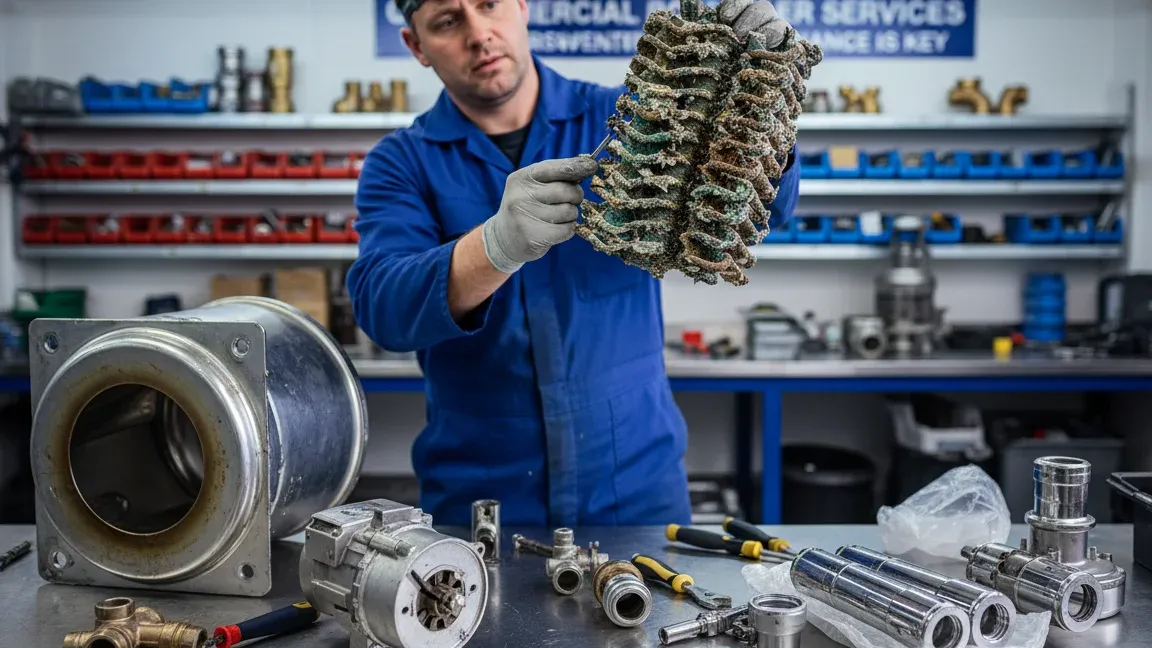
Modern condensing boilers represent a remarkable advancement in heating technology, achieving efficiency ratings that seemed impossible just decades ago. These systems extract additional heat from flue gases by cooling them until water vapour condenses, recovering energy that older boilers simply wasted up the flue. However, this efficiency gain comes with a critical responsibility - managing the acidic condensate that results from the combustion process. When condensate management fails, the consequences extend far beyond minor inconvenience, potentially cutting boiler lifespan in half whilst causing thousands of pounds in avoidable repair costs.
The relationship between condensate handling and equipment longevity deserves careful attention from anyone responsible for heating system specification, installation, or maintenance. Poor condensate management creates a cascade of problems that accumulate silently until catastrophic failure occurs. Understanding these mechanisms enables property owners and facilities managers to protect their investments through relatively simple preventative measures.
Understanding Condensate Formation in Modern Boilers
The Science Behind Condensate Production
High-efficiency condensing boilers operate on a fundamentally different principle than their predecessors. Traditional boilers maintained flue gas temperatures above 150°C to prevent condensation within the heat exchanger, sacrificing significant thermal energy in the process. Modern condensing designs deliberately cool flue gases below the dew point - approximately 55°C for natural gas combustion products - extracting latent heat as water vapour condenses on the secondary heat exchanger surfaces.
This condensation process produces substantial quantities of water containing dissolved combustion byproducts. A typical domestic condensing boiler generates between two and four litres of condensate per hour during continuous operation, whilst commercial Remeha boilers can produce significantly higher volumes depending on output capacity and operating conditions. Over a heating season, even modest installations generate hundreds of litres requiring proper disposal.
The chemical composition of this condensate presents the primary management challenge. Combustion gases contain carbon dioxide, nitrogen oxides, and trace sulphur compounds that dissolve in the condensed water, creating a mildly acidic solution with pH values typically ranging from 3 to 5. This acidity level, comparable to vinegar or citrus juice, may seem relatively benign but proves highly corrosive to common metals over extended exposure periods.
Why Condensate Requires Careful Management
The corrosive properties of condensate demand respect from anyone involved in heating system design or maintenance. Whilst modern heat exchangers utilise corrosion-resistant stainless steel or aluminium alloys specifically chosen for their durability in acidic environments, other system components and building infrastructure may lack such protection. Copper pipes, cast iron drainage systems, and concrete building elements all suffer degradation when exposed to untreated acidic condensate over time.
Environmental regulations increasingly mandate proper condensate treatment before discharge to public drainage systems. Building Regulations Approved Document H addresses drainage requirements, whilst water authorities may impose specific conditions regarding pH levels of discharged effluent. Non-compliance risks enforcement action and potential liability for damage to shared drainage infrastructure serving multiple properties.
The connection between condensate accumulation and boiler efficiency often goes unrecognised until significant damage has occurred. When drainage systems become blocked or restricted, condensate backs up into the boiler, potentially flooding the combustion chamber or secondary heat exchanger. This flooding reduces heat transfer effectiveness and may trigger safety lockouts that interrupt heating service during critical periods.
How Poor Condensate Management Damages Boiler Components
Heat Exchanger Deterioration
The heat exchanger represents the most valuable and most vulnerable component in any condensing boiler system. Primary heat exchangers transfer combustion heat directly to circulating water, operating at high temperatures that accelerate any corrosion processes affecting their surfaces. Secondary heat exchangers, designed specifically for condensate recovery, face constant exposure to acidic condensate film that challenges even corrosion-resistant materials.
Acid corrosion on heat exchanger surfaces follows predictable patterns that experienced engineers recognise during routine inspections. Initial pitting develops at grain boundaries in the metal structure, creating microscopic weak points that gradually enlarge into visible defects. Scale buildup from minerals dissolved in condensate insulates these corroded areas from cooling water flow, causing localised overheating that accelerates material degradation further.
Pinhole leaks represent the typical failure mode for condensate-damaged heat exchangers. These small perforations allow heating water to enter the combustion chamber or flue system, creating immediate safety concerns and operational problems. By the time pinhole leaks become apparent, internal damage has usually progressed extensively, making repair impractical and replacement the only viable option.
Heat exchanger replacement costs vary considerably depending on boiler type and brand, but typically range from several hundred pounds for domestic units to several thousand for commercial installations. When labour costs and system downtime are factored in, total replacement expenses frequently approach or exceed the cost of a new boiler - particularly for older equipment where spare parts availability has become limited.
Internal Component Degradation
Beyond heat exchangers, poor condensate management affects numerous internal boiler components that lack specific corrosion protection. Burner assemblies, constructed from steel and other common metals, corrode when exposed to condensate that accumulates during standby periods or drains back from failed discharge systems. Ignition electrodes and flame detection sensors suffer similar degradation, causing intermittent operation and eventual complete failure.
Circulation pumps and internal valves face particular vulnerability when acidic condensate contaminates the heating circuit. Pump seals deteriorate rapidly when exposed to low-pH water, leading to leaks that damage motor windings and bearings. Control valves develop internal corrosion that affects their sealing capability and flow regulation accuracy, compromising overall system control.
The cumulative effect of component degradation transforms isolated problems into systemic unreliability. A boiler experiencing frequent lockouts due to corroded sensors also develops pump wear, valve leakage, and heat exchanger efficiency losses simultaneously. Each individual problem might seem minor in isolation, but together they indicate a system approaching end of useful life prematurely.
System-Wide Consequences
Condensate-related failures rarely remain confined to the boiler itself. When acidic condensate escapes into connected systems - whether through leaking joints, backflow into heating circuits, or overflow onto surrounding structures - the damage potential multiplies significantly. Heating circuit contamination affects radiators, pipework, and every component in contact with circulating water.
Water quality in heating circuits deteriorates when condensate contamination occurs. The pH of system water drops, accelerating corrosion throughout the installation and generating the black magnetite sludge that clogs heat exchangers and blocks radiator flow passages. Whilst pump valves and filters can capture some of this debris, extensive contamination overwhelms protective measures and requires comprehensive system cleaning.
Emergency callout costs compound the direct expenses of condensate-related failures. Heating breakdowns during cold weather demand immediate response, attracting premium rates from service providers already stretched by seasonal demand. Commercial properties face additional business interruption costs when heating failure affects normal operations, potentially including temporary accommodation for staff or alternative facilities for customers.
Common Condensate Management Failures
Inadequate Drainage Systems
Many condensate problems trace directly to drainage systems that never met actual requirements. Undersized condensate pipes restrict flow during high-output operation, causing backups that flood boiler internals and trigger safety shutdowns. The minimum internal diameter of 21.5mm specified in manufacturer instructions represents exactly that - a minimum for ideal conditions, not a recommendation for all installations.
Improper pipe slopes prevent gravity drainage of condensate to collection points or external drains. Condensate discharge requires minimum falls of 2.5 degrees (approximately 44mm per metre) to ensure reliable flow without accumulation in horizontal sections. Installations that achieve these gradients during initial commissioning may subsequently develop sags as fixings loosen or building movement occurs, creating low points where condensate collects.
Frozen condensate lines represent perhaps the most common cause of boiler failure during cold weather. External condensate pipes exposed to freezing temperatures allow ice plugs to form that completely block discharge flow. The resulting backup triggers boiler lockout within minutes, leaving properties without heating precisely when demand peaks. Whilst trace heating cables and insulation provide protection, many installations lack these safeguards entirely.
Neutralisation Problems
Building Regulations require condensate neutralisation for certain installations, particularly where drainage systems include vulnerable materials or discharge to septic tanks. Neutralisation units containing calcium carbite or similar alkaline media raise condensate pH to acceptable levels before discharge, protecting both building drainage and municipal treatment systems.
Failure to install required neutralisation equipment creates ongoing compliance issues and potential liability. More commonly, properly specified neutralisation systems fail through maintenance neglect. The alkaline media within these units depletes gradually as it reacts with acidic condensate, eventually becoming ineffective without providing any warning to building operators. Replacement intervals depend on condensate volume and initial media quantity, but annual inspection should verify media condition.
Incorrectly sized neutralisation units cannot process peak condensate volumes, allowing untreated discharge during periods of maximum boiler output. Sizing calculations must account for connected boiler capacity, anticipated operating patterns, and media replacement schedules. National Pumps and Boilers provides technical guidance on matching neutralisation equipment to specific installation requirements.
Maintenance Neglect
Regular inspection of condensate systems prevents the majority of failures that result in emergency repairs and premature equipment replacement. Yet condensate drainage frequently receives less attention than more visible heating components, particularly in installations where drainage routes remain concealed within building fabric or underground.
Sludge accumulation in condensate traps, collection chambers, and pipe sections restricts flow long before complete blockages occur. This gradual restriction increases condensate residence time within boiler components, extending exposure to corrosive conditions and accelerating internal degradation. Annual cleaning of accessible condensate system elements removes accumulated debris before problems develop.
Failed condensate pumps may continue operating for extended periods without detection when backup drainage routes exist. Electric pumps lifting condensate to above-grade discharge points experience wear that reduces their effectiveness gradually. Float switches may stick, motors may lose starting torque, and impellers may clog with debris - all whilst the system appears to function adequately during casual observation.
The Financial Impact of Poor Condensate Management
Direct Costs of Premature Failure
The financial consequences of poor condensate management extend far beyond immediate repair expenses. Heat exchanger replacement for a typical commercial boiler, including parts and labour, commonly exceeds £3,000 to £5,000 depending on equipment type and accessibility. When this expense occurs several years before anticipated end-of-life, the effective cost per year of useful service increases dramatically.
Emergency repair rates reflect the urgency and inconvenience of unplanned heating failures. Engineers attending emergency callouts charge premium rates, often two to three times standard labour charges, and may require multiple visits when parts require ordering. A failure occurring on Friday evening may not receive permanent repair until the following week, with temporary measures providing only partial heating during the interval.
Warranty coverage typically excludes damage attributable to installation defects or maintenance neglect - categories that encompass most condensate-related failures. Manufacturers require evidence of proper installation and regular professional servicing to honour warranty claims. Documentation gaps or evidence of improper condensate management practices may void coverage entirely, leaving property owners fully responsible for repair costs.
Indirect Efficiency Losses
Even before catastrophic failure occurs, poor condensate management reduces operating efficiency in ways that increase fuel consumption continuously. Scale deposits on heat exchanger surfaces insulate metal from water flow, reducing heat transfer rates and forcing boilers to operate longer to achieve required temperatures. This efficiency loss develops gradually, making it difficult to detect without systematic performance monitoring.
Reduced seasonal efficiency affects energy performance certificates and compliance with building regulations. Properties targeting specific efficiency ratings may fail to achieve required performance levels when condensate management problems compromise boiler operation. The costs of certificate reassessment and potential upgrade requirements add to direct efficiency losses.
Higher carbon emissions resulting from reduced efficiency conflict with increasingly stringent environmental requirements and corporate sustainability commitments. Commercial properties subject to emissions reporting must account for excess fuel consumption, whilst organisations with net-zero targets find condensate-related efficiency losses undermining their progress toward decarbonisation goals.
Long-Term Investment Protection
Properly maintained condensing boilers routinely achieve service lives of 15 to 20 years, with some installations continuing reliable operation considerably longer. Poor condensate management typically reduces this lifespan to 8 to 12 years - potentially halving the return on initial equipment investment. For commercial boiler installations costing tens of thousands of pounds, this shortened life represents substantial value destruction.
Return on investment calculations for quality condensate management components consistently demonstrate positive results. The additional cost of properly specified drainage systems, appropriately sized neutralisation units, and scheduled maintenance programmes typically recovers within two to three years through reduced repair expenses and extended equipment life. Subsequent years generate pure savings compared to minimal-specification alternatives.
Total cost of ownership analysis should inform all heating system decisions, from initial specification through ongoing maintenance programmes. Condensate management components contribute a small fraction of total system cost but disproportionately influence long-term ownership expenses. Investing adequately in these elements protects the much larger investment in boilers and associated equipment.
Best Practices for Condensate Management
Proper System Design
Effective condensate management begins during system design, before any equipment installation occurs. Drainage routes must accommodate maximum condensate volumes with adequate margins for variations in operating conditions and gradual capacity reduction through accumulation. Pipe sizing should exceed minimum requirements, particularly for installations with long discharge runs or multiple connection points.
Material selection for condensate contact applications requires careful attention to chemical compatibility. Polypropylene and HDPE piping systems provide excellent resistance to acidic condensate whilst offering straightforward installation. Where metal components prove unavoidable, stainless steel grades suitable for acidic environments prevent premature corrosion. Standard copper and mild steel have no place in condensate drainage systems regardless of cost advantages.
Strategic placement of access points facilitates maintenance and enables early problem detection. Inspection chambers at direction changes, cleanout ports at potential blockage locations, and transparent sections for visual flow verification all contribute to effective long-term management. Investments in accessibility during installation prevent far greater expenses when problems require investigation.
Neutralisation Requirements
Current Building Regulations require condensate neutralisation for installations discharging to septic tanks, cesspools, or drainage systems constructed from materials vulnerable to acid attack. Additional requirements may apply in specific locations based on water authority conditions or building consent terms. Professional installers understand local requirements and ensure compliance during initial installation.
Selecting appropriate neutralisation equipment involves matching unit capacity to connected boiler output and anticipated operating patterns. Grundfos pumps combined with correctly sized neutralisation chambers provide reliable treatment for demanding applications. Media selection - typically calcium carbite granules - should consider both neutralisation effectiveness and physical durability under continuous water flow.
Monitoring systems for larger installations can track pH levels continuously, alerting operators when media depletion approaches critical levels. Simpler installations benefit from scheduled inspection programmes that verify media condition and replace depleted material before breakthrough occurs. Documentation of media changes supports compliance demonstration and maintenance planning.
Regular Maintenance Protocols
Annual professional inspection should examine all condensate system components, from boiler internal drainage through external discharge points. Engineers check pipe conditions, test pump operation, verify trap function, and assess neutralisation media status during comprehensive service visits. This systematic approach identifies developing problems before they cause operational failures.
Between professional visits, building operators can perform simple checks that detect obvious problems early. Visual inspection of accessible pipework reveals leaks, sagging sections, or blockage signs. Listening for pump operation confirms motor function. Checking condensate discharge during boiler operation verifies system flow. These observations, reported to service engineers, guide maintenance priorities. Quality DHW pumps and condensate handling equipment from reputable suppliers simplify maintenance through robust construction and accessible service points.
Documentation of all maintenance activities protects warranty coverage and demonstrates regulatory compliance. Service records should detail work performed, components replaced, and any concerns noted for future attention. This history proves invaluable when troubleshooting subsequent problems or when equipment changes hands between property owners.
Professional Installation and Support
Choosing Qualified Installers
Gas Safe registration represents the minimum legal requirement for anyone working on gas-fired heating equipment in the United Kingdom. However, registration alone does not guarantee expertise in condensate management systems, which require specific knowledge beyond standard gas installation competencies. Enquiring about specific training and experience with condensing boiler drainage systems helps identify genuinely qualified installers.
Manufacturer training programmes provide installers with detailed knowledge of specific equipment requirements and recommended installation practices. Installers holding current certifications from major boiler manufacturers demonstrate commitment to professional development and access to technical support resources. These credentials prove particularly valuable for complex commercial installations where system integration challenges require specialist expertise.
Experience with similar installations provides practical knowledge that complements formal training. Installers who have specified and installed multiple condensate management systems understand real-world challenges and proven solutions. References from previous commercial clients offer insight into installer capabilities and professional conduct.
Ongoing Professional Support
Annual servicing maintains both warranty coverage and operational reliability for heating systems of all sizes. Service programmes should specifically include condensate system inspection alongside standard boiler maintenance tasks. Wilo pump products and other quality components benefit from professional attention that extends service life and ensures reliable operation.
Early detection of developing problems prevents emergency failures and associated premium repair costs. Experienced engineers recognise warning signs - unusual noises, visible corrosion, efficiency changes, or drainage irregularities - that indicate condensate system problems before they cause operational failures. Acting on these observations during scheduled visits avoids unplanned service interruptions.
Access to genuine replacement parts ensures repairs restore original performance and maintain equipment warranties. Quality expansion vessels, pumps, and other components from reputable manufacturers provide reliable service when properly specified and installed. Substituting inferior alternatives to reduce costs inevitably leads to premature failure and greater long-term expenses.
Conclusion
Condensate management represents a critical factor in determining whether condensing boiler investments deliver their promised value over reasonable service lives. Poor condensate management accelerates corrosion, damages expensive heat exchangers, and can reduce boiler lifespan by half or more. The acidic nature of condensate demands consistent attention to drainage, neutralisation, and maintenance - attention that pays substantial dividends through extended equipment life and maintained efficiency.
The solutions require neither complex technology nor excessive expense. Properly sized drainage systems, appropriate neutralisation where required, and systematic maintenance programmes protect heating investments at modest cost relative to the equipment they serve. Most condensate-related failures trace directly to installation shortcuts or maintenance neglect - both entirely preventable with proper professional attention.
For property owners and facilities managers seeking to protect their heating system investments, professional guidance ensures condensate management meets actual requirements rather than minimum specifications. Qualified engineers understand local regulatory requirements, manufacturer recommendations, and best practices developed through extensive field experience. For expert advice on condensate management systems and quality components, Contact Us to discuss specific requirements and ensure heating equipment delivers reliable, efficient performance throughout its intended service life.