

How Predictive Maintenance Technology Reduces Unexpected Failures
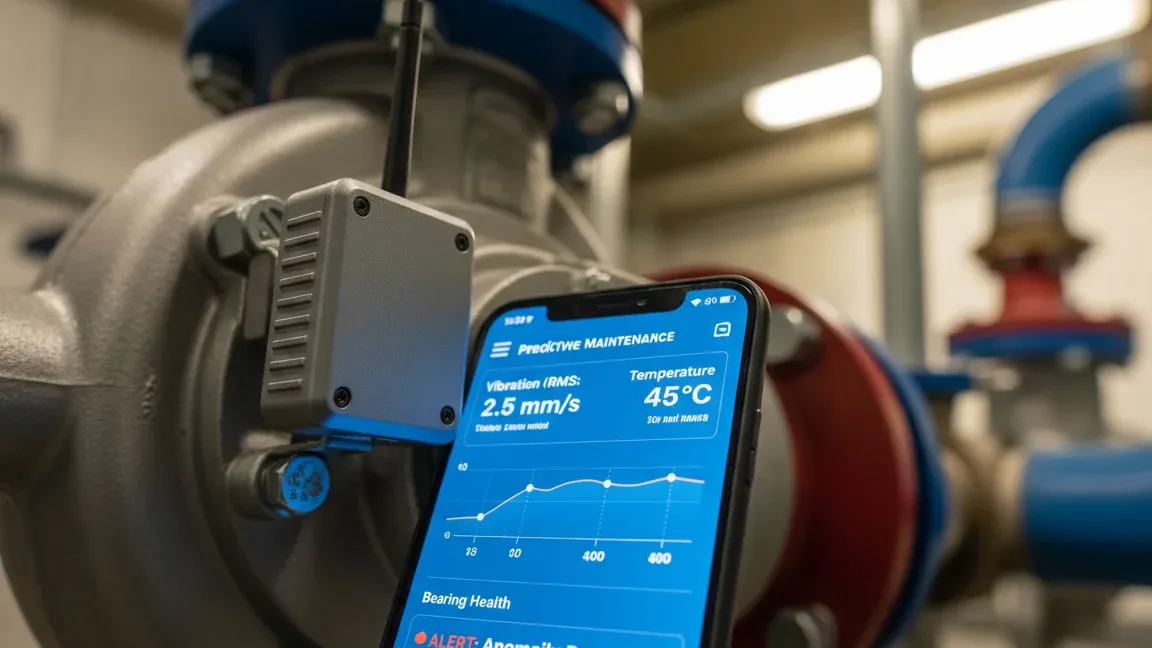
Equipment failures never announce themselves with convenient timing. They strike during peak demand, in the middle of winter, or right when budgets are stretched thin. For facilities managers and building owners across the UK, unexpected heating system breakdowns mean emergency repairs, tenant complaints, and substantial financial losses. Predictive maintenance technology fundamentally changes this dynamic by identifying problems weeks or months before they cause failures.
The shift from reactive repairs to predictive maintenance represents one of the most significant advances in building management over the past decade. Rather than waiting for pumps to fail or boilers to break down, modern monitoring systems continuously analyse equipment performance, detecting subtle changes that indicate developing problems. This proactive approach transforms maintenance from a costly necessity into a strategic advantage.
Understanding Predictive Maintenance Technology
What Sets Predictive Maintenance Apart
Traditional maintenance strategies fall into two categories: reactive (fix it when it breaks) and preventive (service it on a schedule). Predictive maintenance takes a fundamentally different approach by monitoring actual equipment condition through real-time monitoring systems. Instead of changing pump bearings every 12 months regardless of condition, predictive systems alert technicians only when bearings show signs of wear.
Modern predictive maintenance systems combine IoT sensors with sophisticated analytics platforms. These sensors continuously monitor vibration patterns, temperature fluctuations, pressure changes, and energy consumption. When readings deviate from established baselines, the system generates alerts before failures occur. A Grundfos pump equipped with predictive monitoring might detect bearing wear six weeks before failure, allowing planned replacement during scheduled downtime.
The technology tracks multiple performance indicators simultaneously. Flow rates, motor current, discharge pressure, and operating temperatures all provide valuable diagnostic data. Machine learning algorithms analyse these data streams, identifying patterns invisible to human observation. This comprehensive monitoring catches developing issues that single-parameter checks would miss.
The Technology Behind Early Failure Detection
Vibration analysis forms the cornerstone of pump and motor health monitoring. Accelerometers attached to equipment housings detect minute changes in vibration patterns. Bearing wear produces specific frequency signatures, whilst impeller damage creates different patterns. Advanced systems differentiate between normal operational vibration and problematic conditions with remarkable accuracy.
Temperature monitoring extends beyond simple overheating detection. Strategic sensor placement tracks temperature differentials across components, identifying blockages, failing seals, or deteriorating insulation. A commercial circulator showing unusual temperature patterns might indicate partial blockage months before complete failure.
Pressure and flow monitoring reveal hydraulic system health. Gradual pressure drops suggest developing leaks, whilst flow variations indicate pump wear or system blockages. Energy consumption analysis provides another diagnostic layer - motors drawing excessive current often signal mechanical problems or system inefficiencies. These multiple data streams create a comprehensive picture of equipment health.
Implementing Predictive Maintenance Systems
Essential Components for Success
Successful predictive maintenance implementation begins with strategic sensor selection. Not every pump or valve requires comprehensive monitoring. Critical equipment serving essential functions receives priority, followed by assets with high replacement costs or long lead times. A central heating pump serving a hospital ward demands more thorough monitoring than auxiliary pumps in non-critical areas.
Data infrastructure forms the system backbone. Sensors generate enormous data volumes requiring reliable collection, transmission, and storage. Cloud-based platforms offer scalability and accessibility, allowing maintenance teams to monitor multiple sites from centralised locations. Edge computing reduces bandwidth requirements by processing data locally before transmitting relevant information.
Software platforms transform raw data into actionable insights. Modern systems present information through intuitive dashboards, highlighting equipment requiring attention. Alert systems notify relevant personnel through multiple channels - email, SMS, or mobile apps. Integration with existing building management systems streamlines operations and reduces training requirements.
National Pumps and Boilers provides comprehensive training alongside system installations, ensuring clients maximise their technology investments through proper implementation and staff development.
Common Implementation Challenges
Initial costs often create hesitation, particularly for smaller facilities. Sensor hardware, software licenses, and installation expenses require significant upfront investment. However, prevented failures typically deliver payback within 12-18 months. One avoided emergency breakdown often justifies the entire system cost.
Legacy equipment poses integration challenges. Older pumps and boilers lack built-in monitoring capabilities, requiring retrofit sensors. Whilst modern Wilo pumps include integrated monitoring, 20-year-old installations need external sensors. Careful planning ensures comprehensive coverage without excessive complexity.
Data security demands serious attention. Connected systems create potential cyber vulnerabilities requiring robust protection. Encryption, access controls, and regular security updates protect sensitive operational data. Working with established providers ensures appropriate security measures.
Staff training requirements should not be underestimated. Maintenance teams need understanding of both traditional skills and data interpretation. Successful programmes combine classroom instruction with hands-on experience, ensuring technicians can act effectively on system alerts.
Real-World Impact on System Reliability
Measurable Benefits Across Industries
UK facilities implementing predictive maintenance report 70% fewer unexpected failures compared to reactive maintenance approaches. Emergency callout costs drop dramatically when problems receive attention during normal working hours rather than weekend emergencies. Planned maintenance costs 3-5 times less than emergency repairs.
Equipment lifespan extends significantly under predictive maintenance programmes. Pumps typically last 30-40% longer when problems receive early attention. Minor bearing adjustments prevent cascading failures affecting shafts, impellers, and motor windings. This extended lifespan reduces capital expenditure and minimises disruption.
Energy efficiency improvements provide ongoing savings. Deteriorating pumps consume excessive energy long before complete failure. Predictive maintenance identifies efficiency drops early, maintaining optimal performance. Facilities report 10-15% energy savings through timely maintenance interventions.
Expansion vessels and other system components benefit from predictive monitoring that identifies degradation before catastrophic failure occurs.
Case Studies and Success Stories
A Manchester hospital reduced heating system failures by 85% after implementing comprehensive predictive monitoring. Sensors on critical DHW pumps detected developing problems weeks in advance. Planned maintenance replaced emergency repairs, improving patient comfort whilst reducing costs.
Birmingham University achieved remarkable results monitoring 200+ pumps across campus buildings. The predictive system prevented 47 potential failures in its first year, saving £180,000 in emergency repair costs. Maintenance staff now address issues proactively rather than responding to complaints.
A pharmaceutical manufacturer in Cambridge cannot tolerate production interruptions. Predictive maintenance on critical process pumps eliminated unplanned downtime completely. The system paid for itself within eight months through avoided production losses.
A London office complex with multiple Lowara circulators implemented vibration monitoring across all pumps. The system identified an impending bearing failure three weeks before expected breakdown, allowing replacement during a planned weekend shutdown rather than disrupting tenant operations.
Future Developments in Predictive Maintenance
Emerging Technologies and Trends
Artificial intelligence continues advancing predictive capabilities. Machine learning algorithms improve accuracy by analysing historical failure data across thousands of installations. Future systems will predict not just when equipment might fail, but exactly which component needs attention.
Integration with broader building systems creates holistic management platforms. Predictive maintenance data combines with energy management, space utilisation, and occupant comfort systems. This integration optimises entire buildings rather than individual components.
Mobile technology puts predictive insights in technicians' hands. Augmented reality applications overlay sensor data onto equipment views, guiding maintenance procedures. Remote diagnostics allow experts to assist on-site staff without travel delays.
Costs continue declining as technology matures. Sensor prices drop annually whilst capabilities increase. Cloud computing eliminates expensive on-site servers. Within five years, predictive maintenance will become standard practice rather than premium option.
Making Predictive Maintenance Work for Your Facility
The transition from reactive to predictive maintenance requires commitment but delivers substantial rewards. Start with critical equipment - those pumps and boilers whose failure would cause maximum disruption. Expand coverage gradually as benefits become apparent and budgets allow.
Choose technology partners carefully. Look for providers offering comprehensive solutions including hardware, software, training, and ongoing support. Ensure proposed systems integrate with existing infrastructure and scale with future needs.
Most importantly, remember that technology serves people. The best predictive maintenance programmes combine advanced analytics with skilled technicians who understand both data and machinery. This human-technology partnership delivers reliability improvements impossible through either approach alone.
Pump valves and other components that historically failed without warning can now be monitored continuously, with replacement scheduled before failures disrupt operations.
For facilities ready to eliminate unexpected failures and reduce maintenance costs, predictive maintenance offers a proven path forward. The technology exists, the benefits are documented, and implementation becomes easier each year.
Contact Us to explore how predictive maintenance can transform facility reliability and efficiency. The future of maintenance is predictive - and that future is available today.