
 -
- How Smart Control Systems Reduce Energy Costs in Commercial Heating
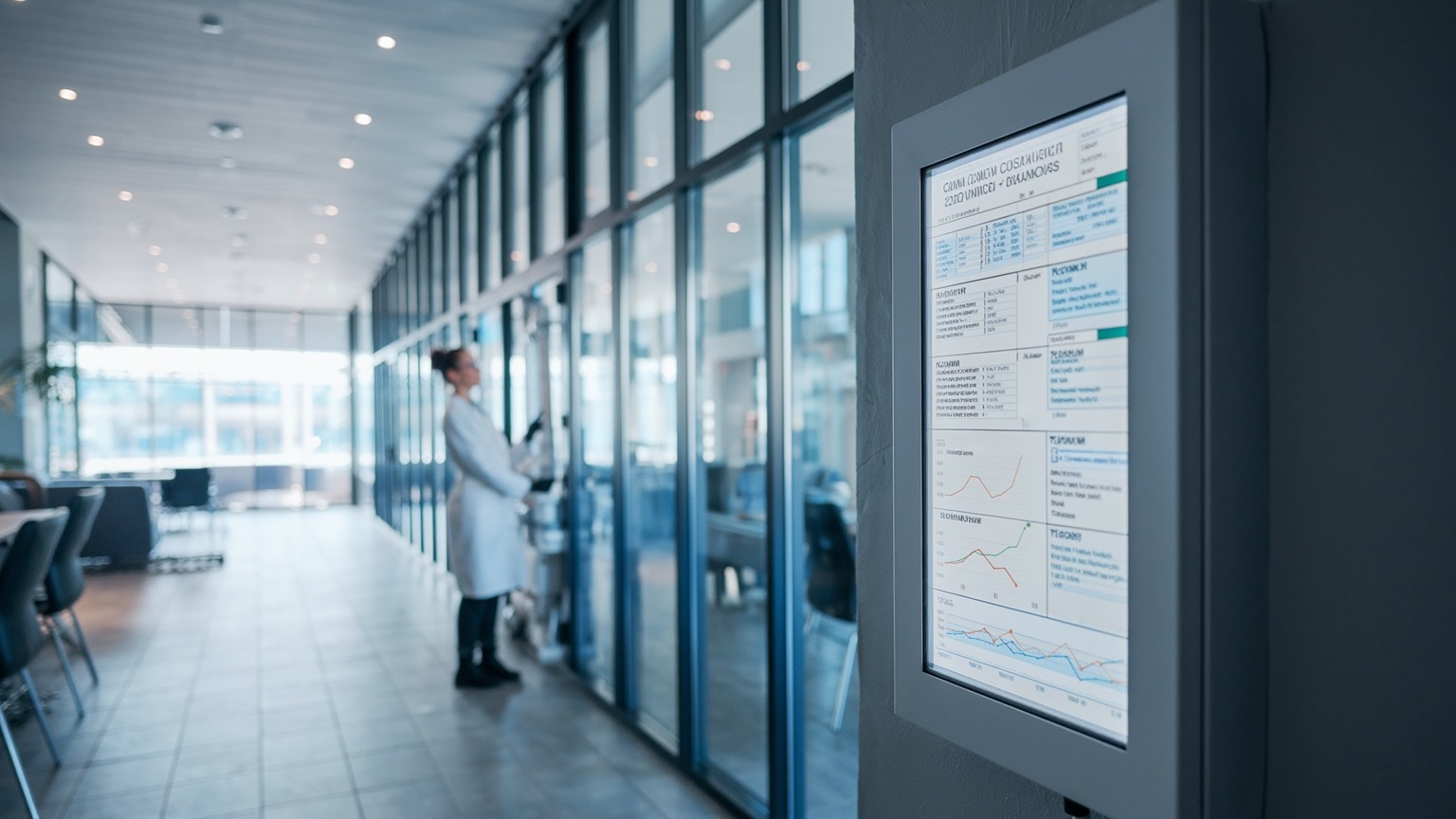
Energy costs represent substantial operational expenses for commercial facilities, with heating typically consuming 30-50% of total building energy budgets. Traditional control approaches waste significant energy through inefficient operation, inappropriate scheduling, and the inability to optimise performance dynamically. Understanding how smart HVAC efficiency delivers measurable cost reductions enables facility managers to justify investments while implementing strategies that maximise savings throughout system operational lifespans.
The combination of intelligent automation, real-time optimisation, and comprehensive monitoring transforms heating from a significant expense into a strategically managed cost centre delivering predictable, controllable consumption aligned with actual building requirements.
Automated Temperature Optimisation
Eliminating Manual Control Inefficiencies
Manual heating control relies on occupants or operators making appropriate adjustments responding to changing conditions - an approach inherently prone to errors, delays, and oversights. People forget adjusting systems when leaving spaces, resist reducing temperatures during mild weather, or apply excessive heating to prevent discomfort rather than maintain optimal temperatures.
Automated energy management eliminates human factors causing waste through consistent, appropriate responses to changing conditions without requiring constant attention. The computerised approach maintains optimal temperatures whilst preventing waste from forgotten adjustments, inappropriate setpoints, or resistance to efficient operation.
Consistency proves particularly valuable across extensive facilities where numerous zones require individual attention. Manual management becomes practically impossible when dozens or hundreds of zones each warrant specific treatment - automation handles complexity effortlessly whilst maintaining precise control impossible through manual approaches. National Pumps and Boilers provides comprehensive automation solutions supporting efficient commercial heating operation.
Occupancy-Based Adjustments
Heating unoccupied spaces wastes substantial energy, delivering no value. Smart HVAC efficiency includes occupancy detection,n automatically reducing temperatures during vacant periods whilst ensuring comfort when occupants arrive. The targeted approach eliminates waste whilst maintaining satisfaction through appropriate conditions when space is used.
Learning algorithms refine occupancy patterns over time, developing optimised schedules matching actual usage rather than rigid, predetermined patterns that potentially mismatch reality. Conference rooms receive heating before scheduled meetings, office areas follow typical occupancy patterns, and irregularly-used spaces operate on demand rather than continuous schedules.
Occupancy integration proves particularly valuable for spaces with variable usage, including conference rooms, training facilities, auditoriums, or seasonal spaces. These areas traditionally receive continuous heating despite limited actual use - automated occupancy-based control delivers dramatic savings through targeted operation.
Weather Compensation
External temperature monitoring enables proactive heating adjustment,s anticipating requirements rather than reacting to indoor temperature changes. Weather compensation reduces system response lag whilst preventing excessive indoor temperature swings during rapidly changing outdoor conditions.
Predictive capabilities using weather forecasts enable overnight setback adjustments based on morning temperature predictions. Mild morning forecasts allow deeper setback, KS, whilst cold predictions trigger earlier heating activation, on achieving comfort by occupancy time. The intelligent timing optimises energy use whilst maintaining satisfaction.
Integration with building thermal models enables sophisticated prediction of heating requirements based on weather conditions, building characteristics, and historical performance. The predictive approach maintains precise temperature control whilst minimising energy consumption through optimised equipment operation.
Load Balancing
Facilities with multiple heating sources benefit from intelligent load distribution optimising which equipment operates under varying demand conditions. Sequential operation,tion bringing equipment online progressively as loads increase,e maintains high efficiency whilst avoiding situations where multiple units operate simultaneously at low efficiency.
Priority sequencing ensures that the most efficient equipment receives preferential operation whilst reserve capacity remains available for peak demands. The strategic equipment selection minimises overall energy consumption whilst maintaining reliable capacity throughout varying operational requirements. Quality commercial circulators support effective load-balancing strategies.
Zone-Based Heating Management
Targeted Heating Strategies
Whole-building heating approaches waste energy by treating all spaces uniformly despite varying requirements. Office areas need different temperatures than storage spaces, public areas warrant distinct treatment from back-of-house operations, and conference rooms require specific conditions supporting sedentary occupancy.
Smart HVAC efficiency through zone-based control delivers energy precisely where needed, whilst eliminating waste in areas accepting different conditions. The targeted approach often reduces overall consumption by 25-35% compared to whole-building strategies treating diverse spaces identically.
Zone priorities enable intelligent allocation during capacity constraints or demand response events. Critical areas maintain appropriate conditions whilst non-essential spaces accept temporary setbacks, ensuring overall facility functionality despite limited heating capacity. The prioritisation maintains operations whilst managing energy strategically.
Eliminating Whole-Building Approaches
Traditional systems often heat entire buildings to accommodate the most demanding zone - wastefully overheating spaces that accept lower temperatures. Zone-based strategies eliminate this inefficiency by treating each area appropriately rather than compromising efficiency through whole-building uniformity.
Peripheral zones experiencing greater heat loss traditionally receive inadequate heating under whole-building approaches, maintaining comfortable core areas. Independent zone control enables appropriate treatment for perimeter spaces whilst avoiding excessive interior heating, improving both efficiency and comfort through targeted strategies.
Independent Zone Control
Each zone requires an independent setpoint control,l enabling optimisation matching specific requirements and usage patterns. Warehouse areas might accept 15-18°C whilst offices target 20-22°C, and conference rooms warrant slightly elevated temperatures supporting sedentary activities.
Time-based zone control enables different treatment throughout daily cycles. Reception areas receive heating before public hours, office zones activate aligned with staff schedules, and conference rooms operate only during scheduled usage. The temporal variation eliminates waste whilst ensuring appropriate conditions when space is in use.
Usage-Based Optimisation
Monitoring actual zone usage patterns enables automated energy management refinement, responding to reality rather than assumptions potentially mismatched with actual operations. Spaces receiving unexpected usage warrant schedule adjustments, whilst others seeing less occupancy accept reduced heating, preserving energy without compromising satisfaction.
Seasonal variations often change usage patterns substantially - educational facilities experience different patterns during terms versus holidays, retail operations vary between peak and off-peak seasons, and commercial offices might adjust schedules for summer operation. Automated adaptation ensures strategies remain appropriate throughout annual cycles without requiring constant manual intervention.
Reduced Equipment Runtime
Eliminating Unnecessary Operation
Traditional controls often operate heating continuously, maintaining constant temperatures regardless of actual requirements. Innovative HVAC efficiency strategies eliminate unnecessary runtime through targeted operation matching genuine needs rather than continuous operation irrespective of circumstances.
Setback strategies during unoccupied periods substantially reduce runtime whilst maintaining building protection. Typical office buildings operate occupied 50-60 hours weekly from 168 total hours - appropriate setbacks during 110+ unoccupied hours deliver dramatic savings whilst maintaining adequate protection during vacant periods.
Equipment staging brings capacity online progressively as demands increase, rather than operating at full capacity continuously. The staged approach maintains high efficiency through appropriate equipment loading whilst avoiding low-efficiency operation when demand doesn't justify whole capacity operation. Modern Grundfos equipment supports efficient staged operation strategies.
Optimal Cycling Patterns
Equipment cycling frequency significantly affects efficiency and equipment longevity. Excessive cycling reduces efficiency through energy consumed during start, ts, whilst accelerating wear. Conversely, insufficient cycling allows temperature drift beyond the acceptable range, thereby compromising comfort.
Automated energy management optimises cycling balancing efficiency, comfort, and equipment protection through sophisticated control algorithms. The intelligent cycling maintains appropriate temperature ranges whilst minimising unnecessary start-up,s reducing energy waste and equipment wear.
Minimum runtime enforcement prevents short-cycling, cling-damaging equipment whilst wasting energy through repeated starts. Once equipment activates, maintaining operation through minimum periods ensures worthwhile runtime, justifying start energy penalties whilst preventing rapid cycling, which is harmful to mechanical components.
Setback Strategies
Appropriate setback temperatures during unoccupied periods balance energy savings against recovery time requirements, equipment capacity limitations, and building protection needs. Excessive setback depths save additional energy but require an extended recovery period,s potentially compromising comfort during occupancy transitions.
Building thermal mass significantly influences optimal setback approaches. Heavy construction maintains temperatures during setba,ck enabling deeper reductions, whilst lightweight buildings are rapid, ly warranting conservative approaches preventing excessive temperature swings or recovery demands.
Adaptive recovery algorithms calculate optimal heating activation timing, achieving target temperatures precisely at occupancy whilst minimising energy consumption. The intelligent scheduling accounts for current conditions, weather forecasts, and building thermal response,e avoiding both premature starts wasting energy and late activation compromising initial comfort.
Start/Stop Optimisation. The equipment's start timing substantially affects both energy consumption and occupant satisfaction. Starting too early wastes energy maintaining unoccupied comfort, whilst delayed starts compromise satisfaction during occupancy periods, requiring a gradual warm-up.
Optimisation algorithms continuously learn, building thermal response characteristics, progressively refining start timing, and achieving optimal results. The adaptive approach accounts for varying weather conditions, changing building characteristics, and seasonal factors affecting response, maintaining appropriate performance throughout annual cycles.
Smart HVAC Efficiency Through Learning Algorithms
Adaptive Scheduling
Machine learning capabilities enable progressive schedule refinement,t matching actual facility usage rather than relying on predetermined patterns that potentially mismatchwith reality. The algorithms identify usage patterns, developing optimised schedules that balance energy efficiency against appropriate space conditioning for actual occupancy.
Unusual occupancy events receive automatic accommodation without manual intervention. Scheduled weekend work, extended evening meetings, or unexpected building access trigger appropriate heating response,s maintaining comfort whilst avoiding continuous operation,n anticipating occasional usage.
Exception handling becomes unnecessary as systems learn to distinguish normal variations from genuine exceptions, warranting different treatment. The intelligent adaptation eliminates manual intervention burdens whilst maintaining appropriate operation throughout varying circumstances.
Pattern Recognition
Consumption pattern analysis reveals inefficiencies, identifies optimisation opportunities, and validates improvement initiatives through quantifiable results. Recognising patterns indicating specific problems enables targeted corrections addressing root causes rather than treating symptoms repeatedly.
Seasonal pattern awareness enables anticipatory adjustments, preparing for predictable changes rather than reacting after transitions occur. Pre-winter preparations ensure heating capacity, autumn tuning optimises transition period performance, and spring adjustments prevent excessive heating during warming weather.
Continuous Optimisation
Smart HVAC efficiency improves progressively throughout system operational lifespans as accumulated data enables increasingly sophisticated optimisation. Initial installation delivers immediate benefits through basic automation, whilst long-term operation develops refined strategies leveraging comprehensive operational understanding impossible during early periods.
Performance feedback loops enable systematic evaluation of implemented strategies, validating successful approaches whilst identifying ineffective measures warranting modification. The continuous improvement maintains optimal performance rather than gradual degradation common with static control approaches. Equipment from suppliers like Wilo supports adaptive optimisation strategies.
Self-Improving Performance
Algorithms identifying successful strategies automatically implement broader applications without requiring manual configuration. Successful zone control approaches developed in initial areas progressively extend to additional spaces, spreading benefits whilst avoiding duplicated development efforts.
Error correction through operational feedback prevents persistent problems from continuing indefinitely. Failed strategies receive automatic modification or abandonment, not preventing continued ineffectiveness, ss whilst alternative approaches undergo evaluation seeking improved results.
Energy Consumption Monitoring and Analysis
Real-Time Tracking
Continuous monitoring provides immediate visibility into heating costs,osts enabling rapid identification of inefficiencies or unexpected consumption increases. The awareness supports proactive management rather than discovering problems weeks later through utility bills when corrective opportunities have passed.
Consumption correlation with weather, occupancy, and operational factors reveals relationships supporting targeted efficiency improvements. Understanding specific drivers enables precise interventions addressing root causes rather than generalised approaches delivering modest benefits.
Anomaly detection identifies unusual consumption, pointing to problems despite measurements remaining within normal absolute ranges. Consumption 20% above typical values for current conditions clearly indicates issues warranting investigation, even when total consumption doesn't appear excessive without contextual comparison.
Waste Identification
Automated energy management includes systematic identification of specific waste sources,s directing optimisation efforts towardth most significant opportunities. Excessive overnight consumption, inappropriate weekend operation, or simultaneous heating and cooling all represent identifiable waste warranting targeted correction.
Baseline comparison reveals gradual efficiency degradation from fouling, wear, or operational changes. Consumption increases without corresponding demand changes signal developing problems, enabling timely maintenance before substantial energy penalties accumulate.
Benchmarking
Performance comparison against similar facilities, industry standards, or historical baselines provides context for evaluating current consumption. The comparative perspective reveals whether observed usage represents efficient operation or indicates significant improvement potential warranting investigation and investment.
Energy intensity metrics normalising consumption by floor area, degree days, or occupancy enable meaningful comparison between dissimilar facilities. The normalisation accounts for size and usage differences, supporting valid performance assessment across diverse building types.
Cost Allocation
Multi-tenant facilities require accurate energy cost allocation matching actual consumption by tenant, department, or business unit. The allocation functionality supports fair billing whilst motivating energy-conscious behaviour through accountability for consumption costs.
Sub-metering by zone, equipment, or function enables granular cost tracking, revealing specific consumption sources. The detailed visibility directs efficiency efforts towardthe highest-cost areas deliveringthe most significant savings potential through targeted improvements. Modern DHW systems support effective cost allocation through comprehensive monitoring.
Automated Energy Management Features
Demand Response Integration
Utility demand response programmes reward consumption reductions during peak periods when grid stress requires load shedding. Innovative HVAC efficiency platforms automate demand response participation, implementing pre-programmed strategies, maintaining building functionality, whilst reducing consumption during high-value periods.
Pre-cooling or pre-heating before demand response events stores thermal energy, enabling reduced consumption during events without compromising comfort. Building thermal mass serves as storage, maintaining conditions during temporary equipment shutdown or reduced operation.
Peak Demand Reduction
Maximum power consumption determines demand charges, representing substantial portions of total energy costs for many commercial facilities. Peak reduction strategies through load shedding, equipment sequencing, or pre-conditioning substantially reduce demand charges without significantly affecting total consumption.
Strategic timing shifts loads to off-peak periods when electricity costs less, whilst grid capacity exceeds demand. Thermal storage charging overnight enables daytime discharging,e reducing peak-period equipment operation whilst maintaining comfort throughout occupied periods.
Load Shifting Strategies
Time-of-use utility rates create opportunities for cost reduction through strategic consumption timing. Heating buildings during low-cost periods whilst reducing operation during expensive times delivers savings without necessarily reducing total consumption substantially.
Optimisation algorithms balance load shifting benefits against practical constraints, ts including equipment capacity, building thermal response, and operational requirements. The intelligent approach maximises savings whilst maintaining appropriate conditions throughout building operation.
Utility Programme Participation
Various utility programmes offer incentives, rebates, or favourable rates supporting efficiency improvements and demand flexibility. Automated energy management simplifies programme participation through automated compliance with programme requirements whilst maintaining building operation within acceptable parameters.
Documentation capabilities provide records supporting incentive claims, regulatory compliance, and performance verification. The automated record-keeping eliminates manual documentation burdens whilst ensuring comprehensive records supporting various organisational needs.
Maintenance Cost Reductions
Predictive Maintenance
Equipment operating efficiently experiences less stress and wear compared to poorly-maintained systems struggling under fouled conditions or mechanical problems. Smart HVAC efficiency includes monitoring, identifying, and developing problems, enabling timely intervention to prevent accelerated wear and premature failures.
Condition-based maintenance addresses genuine needs revealed through performance monitoring rather than following arbitrary time-based schedules. The targeted approach reduces total maintenance costs whilst improving reliability through appropriate intervention timing.
Extended Equipment Life
Well-maintained equipment operating appropriately achieves significantly longer service life compared to neglected or poorly-operated systems. Proper control prevents excessive cycling, maintains appropriate temperature,s preventing thermal stress, and avoids operational conditions that accelerate wear.
Capital cost deferral through extended equipment life substantially improves the total cost of ownership. Heating equipment costing tens of thousands of pounds lasting 25 years rather than 15 delivers enormous value compared to premature replacement requirements from inadequate control and maintenance.
Reduced Emergency Repairs
Predictive maintenance dramatically reduces unplanned failures requiring emergency response. The proactive approach prevents most catastrophic failures through timely intervention, addressing developing problems before complete breakdowns occur.
Emergency repairs typically cost 2-3 times normal rates due to premium labour charges, expedited parts procurement, and operational disruption. Eliminating most emergencies through predictive maintenance substantially reduces total maintenance spending whilst improving reliability.
Optimised Service Scheduling
Automated energy management platforms identify maintenance requirements, enabling optimal scheduling during convenient periods, minimising operational disruption. Advanced visibility into upcoming needs supports coordinated maintenance by addressing multiple items during a single visit, thus improving efficiency whilst reducing disruption from frequent interventions. Modern expansion vessels benefit from predictive maintenance approaches.
Integration with Building Management Systems
Holistic Efficiency
Heating systems don't operate in isolation - interactions with ventilation, lighting, and other building systems significantly affect overall efficiency. Integration enabling coordinated operation optimises total building performance rather than sub-optimising individual systems,tems potentially creating overall inefficiencies.
Preventing simultaneous heating and cooling through coordinated HVAC control eliminates wasteful conflicts where systems fight each other. The coordination ensures compatible operational action, delivering intended conditioning without energy-wasting conflicts.
Cross-System Optimisation
Lighting integration enables automated adjustment based on occupancy, daylight availability, and operational schedules. The coordinated approach optimises both systems whilst revealing opportunities neither achieves independently.
Ventilation coordination adjusts fresh air rates, economiser operation, and exhaust management, complementing heating strategies. The integrated approach optimises indoor air quality whilst minimising energy consumption through intelligent coordination,n impossible with isolated systems.
Coordinated Operation
Building management system integration enables sophisticated control sequences coordinating multiple systems responding to complex operational requirements. The coordinated approach delivers superior performance through holistic optimisation, considering system interactions throughout decision-making.
Alarm integration consolidates notifications from diverse systems, preventing important alerts from escaping attention among numerous isolated alarms. The unified approach improves situational awareness whilst enabling coordinated responses to situations affecting multiple building systems.
Enhanced ROI
Integration amplifies individual system benefits through synergistic effects exceeding independent contributions. The combined value from coordinated heating, lighting, ventilation, and other systems substantially exceeds isolated benefits, improving overall investment returns whilst delivering superior building performance.
Quantifying Cost Savings
Typical Reduction Percentages. Well-implemented innovative HVAC efficiency improvements typically deliver 20-35% heating energy reductions compared to conventional control approaches. The savings derive from multiple mechanisms, including reduced runtime, optimised equipment operation, targeted zone control, and elimination of manual control inefficiencies.
Savings vary substantially based on baseline efficiency, building characteristics, and operational requirements. Inefficient baseline systems offer the most significant improvement potential, whilst well-optimised conventional systems achieve more modest gains. However, even facilities with reasonable existing performance typically achieve 15-25% reductions through intelligent control implementation.
Payback Period Calculations
Investment payback typically ranges 2-5 years depending on energy costs, baseline efficiency, implementation costs, and achieved savings. Facilities with high energy costs, inefficient baseline systems, and extensive operating hours achieve the fastest payback, often under 3 years.
Comprehensive payback analysis should include maintenance cost reductions, extended equipment life, improved comfort value, and potential utility incentives. These additional benefits substantially improve total returns beyond direct energy savings alone.
ROI Considerations
Typical returns on intelligent control investments range 20-40% annually through combined energy savings, maintenance reductions, and operational improvements. The compelling returns make efficiency upgrades among the most attractive investments available to commercial facilities.
Long-term value extends well beyond initial payback periods as savings continue throughout 15-20+ year system lifespans. Accumulated savings over equipment life substantially exceed initial investments whilst delivering ongoing operational benefits impossible with conventional approaches.
Long-Term Value
Energy price trends suggest continued increases, making efficiency investments increasingly valuable over time. Systems reducing consumption by 30% deliver progressively greater savings as energy costs escalate, providing natural inflation protection whilst contributing to organisational sustainability.
Case Studies and Real-World Results
UK Facility Examples
Commercial office buildings implementing comprehensive intelligent control strategies consistently achieve 25-35% heating energy reductions whilst improving temperature control consistency and occupant satisfaction. The combined benefits justify investments through rapid payback whilst delivering superior ongoing performance.
Educational facilities benefit enormously from occupancy-based control matching irregular usage patterns. Schools implementing smart controls typically reduce consumption 30-40% through targeted operation aligned with actual building use rather than continuous heating regardless of occupancy.
Documented Savings
Retail operations achieve 20-30% reductions through zone-based control, treating public areas differently from back-of-house spaces, combined with schedule optimisation matching operational hours. The targeted approach eliminates waste whilst maintaining an appropriate customer environment.
Implementation Lessons
Successful implementations prioritise comprehensive commissioning, ensuring systems operate as intended, rather than accepting default configurations, which are rarely optimal for specific facilities. The commissioning investment proves essential for achieving anticipated benefits whilst establishing proper operational foundations.
Success Factors
Ongoing optimisation maintains performance throughout system lifespans rather than gradual degradation common with static approaches. Facilities embracing continuous improvement consistently outperform those implementing systems and then neglecting the ongoing attention necessary for sustained optimal performance.
Conclusion
Smart HVAC efficiency and automated energy management deliver compelling cost reductions through multiple mechanisms, including intelligent automation, targeted zone control, optimised equipment operation, and predictive maintenance. The combination of immediate energy savings, reduced maintenance costs, and extended equipment life creates exceptional value,e justifying investments whilst transforming heating from an uncontrolled expense intoa strategically managed operational component.
Facilities implementing comprehensive intelligent control strategies consistently achieve 20-35% energy cost reductions alongside numerous operational improvements, enhancing total value beyond direct savings alone. The dramaticenhancementss make innovative heating technology essential for commercial facilities seeking competitive operational costs and effective sustainability performance.
For expert guidance on implementing innovative HVAC efficiency strategies, selecting appropriate technologies, and maximising automated energy management benefits throughout your facilities, contact us to discuss comprehensive solutions with our experienced technical team.