

How Sports and Leisure Centres Manage Complex Multi-Zone Heating Demands
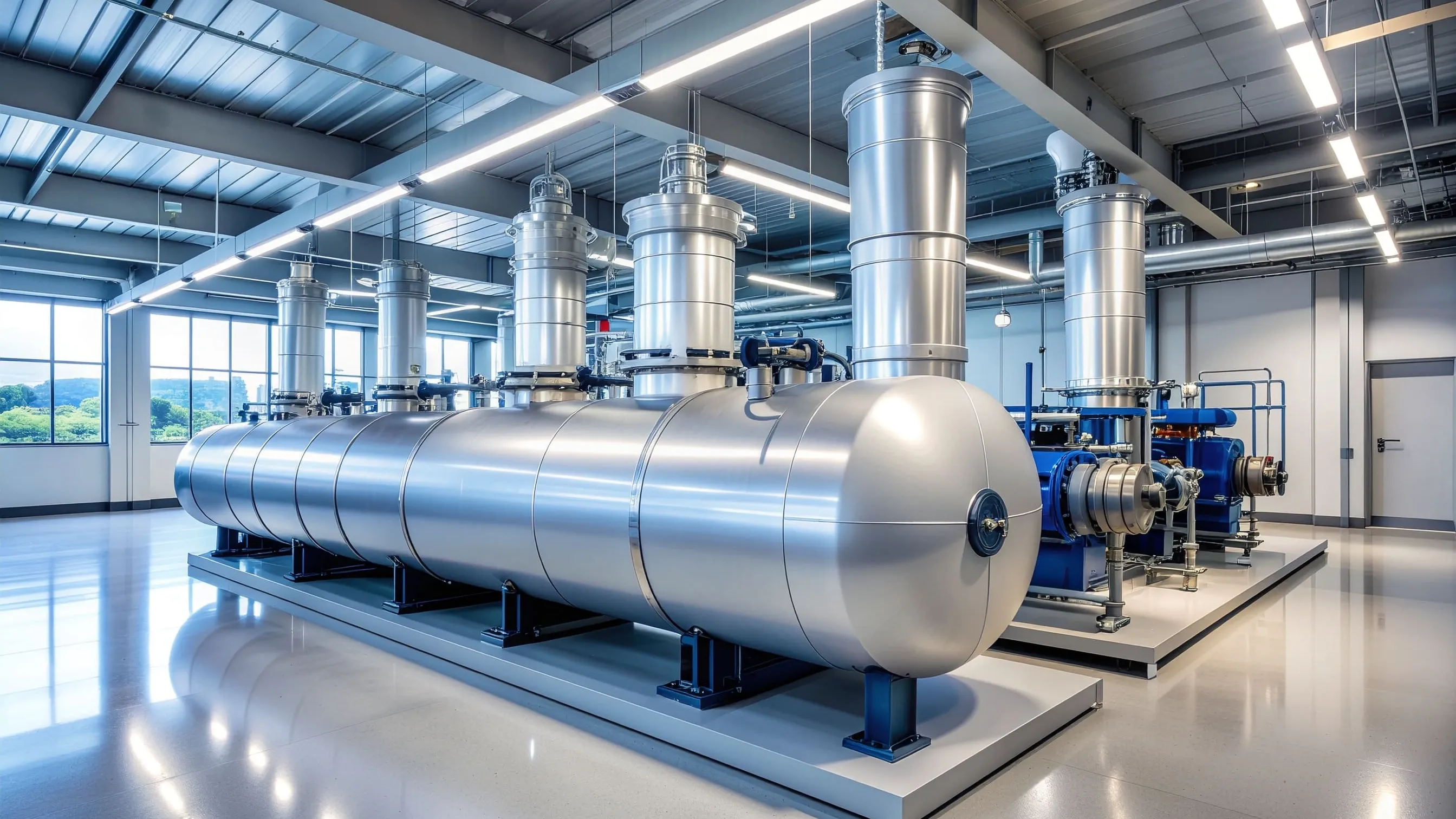
Sports and leisure centres present some of the most complex heating challenges in commercial building design. A single facility might house a swimming pool requiring 30 degrees Celsius air temperature, a sports hall needing rapid warm-up capability, and changing rooms demanding moisture-resistant heating. They also feature office spaces with standard comfort requirements, with all of these zones operating simultaneously under one roof. Traditional single-zone heating systems simply can't address these conflicting demands efficiently.
The fundamental challenge lies in maintaining vastly different environmental conditions within adjacent spaces without wasting expensive energy. Achieving this requires highly sophisticated mechanical design. You need precise zone control and intelligent load management that considers the leisure centre multi-zone heating requirements of each area independently. This strategic approach optimises the facility as a whole, reducing operational overheads substantially.
Understanding Zone-Specific Temperature Requirements
Each area within a sports and leisure centre operates under distinct thermal requirements that must be maintained securely and independently. Failure to control these zones leads to massive energy waste and severe occupant discomfort.
The specific environmental targets break down as follows:
- Pool halls require constant 28 to 30 degrees Celsius temperatures with precise humidity management.
- Sports halls need rapid recovery capabilities to counteract thermal stratification in high-ceiling spaces.
- Changing rooms demand moisture-tolerant heating operating consistently at 22 to 24 degrees Celsius.
- Fitness studios require highly variable demand profiles based on group class intensity.
Fitness studios may need lower temperatures during high-intensity classes and higher settings for yoga sessions. This variability demands granular, zone-specific control rather than simplistic whole-building management. National Pumps and Boilers consistently advises on specifying the exact components needed to support these complex leisure centre multi-zone heating configurations reliably.
Primary Circulation Systems for Large-Scale Facilities
The absolute backbone of any sports centre heating system is the primary circulation network. This system distributes heated water from the central boiler plant directly to the individual building zones. This primary system typically operates at higher temperatures, such as an 80-degree Celsius flow and a 60-degree Celsius return. This specific temperature gap maximises heat transfer efficiency and minimises pipe sizes across massive buildings.
Think of a primary and secondary heating circuit like a major motorway feeding local access roads. The primary circuit moves massive amounts of heat at high speeds across the entire building. The secondary circuits then safely step that energy down to precise, manageable flow rates for each specific room.
A reliable grundfos water pump featuring variable speed technology has become the industry standard for primary circulation in facilities of this scale. These intelligent pumps automatically adjust their speed based on active system demand. This technology reduces electrical consumption by up to 60 percent compared to older fixed-speed alternatives. The primary circuit must handle significant pressure differentials across a building that might span several floors. Differential pressure control ensures that zones furthest from the plant room receive adequate flow safely.
Secondary Circuits and Zone Control
While the primary circuit distributes heat throughout the building, secondary circuits provide highly precise temperature control within individual zones. Each major area typically utilises dedicated secondary pumps and motorised mixing valves. These valves carefully blend hot primary water with cooler return water to achieve the precise temperature required for that specific zone.
Pool hall circuits might draw 80-degree water from the primary system and mix it down to 50 degrees for underfloor heating distribution. A dedicated Wilo circulator operating on these secondary circuits provides exact flow control. Variable speed technology remains essential here. As thermostatic radiator valves close in response to reaching their target temperatures, the secondary pump simply reduces its speed rather than fighting against closed valves.
Buffer vessels often separate primary and secondary systems, particularly where multiple zones have conflicting demand patterns. Installing a properly sized secondary circuit buffer vessel provides critical thermal storage. A large secondary circuit buffer vessel smooths out rapid load changes, prevents boiler short-cycling, and allows the primary system to operate at optimal efficiency. This separation is vital regardless of the instantaneous zone demands occurring within complex leisure centre multi-zone heating arrangements.
Pool Hall Heating: The Most Demanding Zone
Swimming pool environments create the absolute highest continuous heating load in most commercial leisure centres. They often account for 60 to 70 percent of the total facility heat demand. The challenge extends far beyond simple space heating to encompass ventilation air heating, intense dehumidification, and often the pool water heating itself.
Air handling units serving pool halls must deliver massive volumes of conditioned air, typically 8 to 12 air changes per hour. Heat recovery systems that extract warmth from the exhaust air can reduce this massive load by 50 to 70 percent. This makes a dedicated pool hall heat recovery unit absolutely essential for viable operating economics. An advanced pool hall heat recovery unit transfers energy from the humid exhaust directly into the fresh incoming air stream. Without a functioning pool hall heat recovery unit, a facility essentially blows expensive heat straight out the roof.
A heavy-duty central heating system pump frequently handles the underfloor heating circuits common in pool halls. Embedded pipe networks provide even, draught-free warmth while safely avoiding cold spots on wet floors. Dehumidification systems work in tandem with the heating to maintain the delicate balance between temperature and humidity continuously.
Sports Hall Heating Strategies
The high-ceiling environment of a sports hall demands highly specific heating strategies that differ fundamentally from conventional spaces. Radiant heating systems mounted safely at a high level can deliver warmth directly to the floor. This provides comfort without heating the entire massive air volume, directly improving overall efficiency.
Where traditional warm air heating is employed, destratification fans become completely essential. These large-diameter, low-speed fans gently circulate trapped air downwards. They mix the warm upper air with cooler floor-level air to achieve much more uniform temperatures for the athletes. A robust DAB pump on the secondary circuit ensures flow reaches these high-capacity emitters reliably.
Heating engineers typically specify oversized heat emitters combined with an intelligent variable flow warm-up strategy. This variable flow warm-up strategy delivers a massive injection of heat just before a scheduled class or tournament begins. Once the players arrive and the space reaches its target temperature, the variable flow warm-up strategy scales back the mechanical input automatically. It then relies heavily on the metabolic heat generated by the occupants to maintain the room.
Managing Peak Demand and Load Balancing
One of the most critical aspects of leisure centre multi-zone heating involves managing peak demand to avoid oversizing the boiler plant. Intelligent load balancing actively staggers heating demands across zones wherever possible. The building management system might prioritise the continuous pool hall heating while intentionally delaying the sports hall warm-up by 30 minutes.
Thermal storage systems provide another excellent load-balancing strategy. Large secondary circuit buffer vessels charged during off-peak periods can supply heat during sudden demand spikes. This prevents the boilers from firing up unnecessarily for short, inefficient bursts. Boiler sequencing ensures that multiple heating units operate in a smooth rotation.
A modular remeha boilers setup automatically manages this complex sequencing perfectly. Specifying a modern Remeha Quinta cascade system ensures that capacity matches the exact system load. A correctly configured Remeha Quinta cascade system rotates the lead boiler based on individual run hours. This intelligent rotation within the Remeha Quinta cascade system delivers optimised efficiency across the varying demand profile of the entire facility.
Energy Efficiency and Running Costs
Energy costs represent the single largest operational expense for most sports and leisure centres. Heat recovery systems offer the most significant savings opportunity available. Recovering waste heat from swimming pool backwash, shower drainage, and exhaust air can reduce primary heating demand by 30 to 40 percent.
Condensing boiler technology extracts additional heat from flue gases by cooling them below their dew point. This sophisticated process achieves seasonal efficiencies exceeding 95 percent. High-quality heating pump valves, including pressure-independent control valves, ensure that pumps operate at their most efficient duty points. They stop the system from circulating water unnecessarily.
Building management systems that integrate heating control with actual occupancy patterns and weather forecasting optimise operation incredibly well. These systems might pre-heat thermal storage during cheaper night-rate periods. They also reduce ventilation rates in unoccupied zones, delivering massive savings without affecting comfort.
Maintenance and Reliability Considerations
System reliability becomes absolutely critical in sports centres where a heating failure can force an immediate facility closure. Pump redundancy in critical zones, particularly the pool hall, provides vital insurance against unexpected breakdown. Duty and standby pump configurations with automatic changeover ensure that a single pump failure triggers immediate backup operation.
A mechanical contractor working on a recent municipal leisure centre inherited a system where the changing room heating was tied directly to the pool hall circuit. During summer, the changing rooms became unbearably hot. By separating the hydraulic circuits and installing dedicated variable speed pumps, they instantly restored occupant comfort and cut off-peak gas usage by 24 percent.
Water treatment actively prevents the corrosion, scaling, and biological growth that degrades system performance. Preventative maintenance schedules must include quarterly pump inspections, annual heat exchanger cleaning, and regular calibration of control sensors. Remote monitoring systems alert maintenance teams to developing problems long before they cause catastrophic failures.
Conclusion
Managing the heating demands in sports and leisure centres requires sophisticated design that balances conflicting thermal requirements perfectly. The key lies in strict thermal separation between zones, precise control of secondary circuits, and intelligent load management.
Variable speed pump technology, heat recovery systems, and integrated building management controls have completely transformed what is technically achievable. Facilities can now operate highly efficiently while maintaining superior comfort conditions across all individual zones.
For facilities planning new installations or complex system upgrades, you need specialist mechanical engineering advice to get it right. Find the Right Pump today and speak with our experts to discuss how modern multi-zone strategies can improve your facility's performance.