

How Thermostatic Mixing Valves Help Prevent Legionella in Your Building
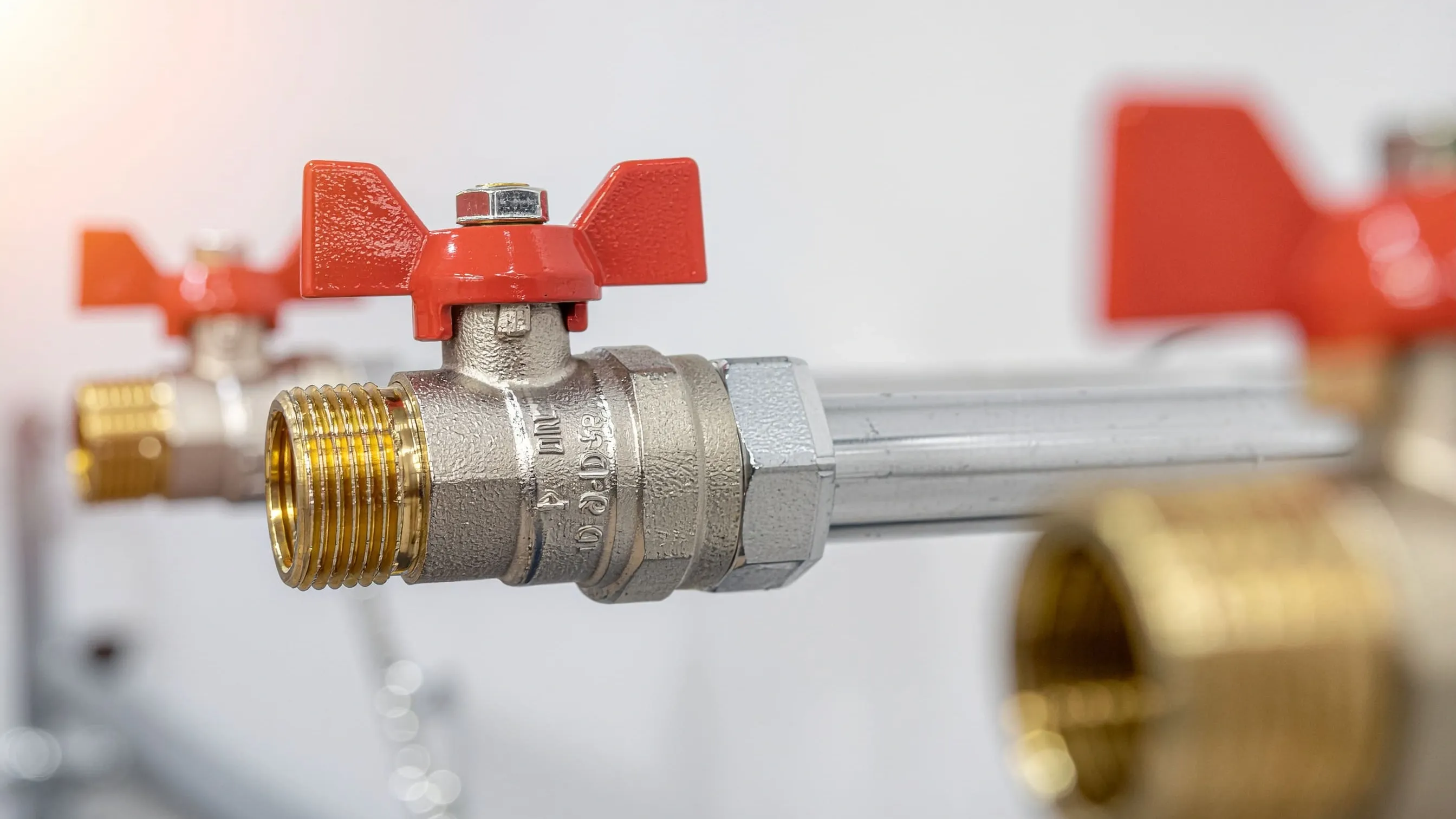
Thermostatic mixing valves present a complex compliance challenge in commercial building water management. We install them to prevent scalding injuries at outlets delivering hot water to vulnerable users. However, they simultaneously create conditions where bacteria can thrive if they are incorrectly positioned, poorly maintained, or inadequately specified. Effective thermostatic mixing valve legionella prevention is not a single act of compliance during installation. It is an ongoing management obligation. It requires annual servicing, temperature verification, and documented evidence of correct function throughout the valve's operational life.
The fundamental tension is straightforward. Good thermostatic mixing valve legionella prevention requires hot water storage at 60°C and distribution at a minimum of 50°C. In contrast, Building Regulations Part G requires blended outlet temperatures typically between 38°C and 44°C to prevent scalding. The mixing process that delivers this blended temperature creates water at precisely the range where Legionella pneumophila multiplies most rapidly. This peak danger zone sits roughly between 37°C and 43°C. Managing this inherent conflict through correct valve specification and maintenance is what separates safe installations from those that create ongoing risk.
What Thermostatic Mixing Valves Do and Why They Create Risk
Thermostatic mixing valves blend hot water from the building distribution system with the cold water supply. This delivers a controlled, pre-set outlet temperature regardless of fluctuations in incoming supply pressures. The valve body contains a thermostatic element that responds to the temperature of the blended output. It then adjusts the proportions of hot and cold water to automatically maintain the target delivery temperature. You can source reliable components from National Pumps and Boilers for your commercial applications.
Think of a thermostatic mixing valve like a car's climate control system. Instead of blasting maximum heat or freezing air, it constantly reads the cabin temperature and blends hot and cold air to keep you perfectly comfortable. If the sensors get dirty, the system stops adjusting correctly. You are left either freezing or sweating.
The risk arises from the very nature of this blended water. At the mixing point within the valve body and in downstream pipework, the water temperature sits in the 38°C to 43°C range. This temperature falls exactly within the optimal growth range for legionella bacteria. If this blended water remains static in the valve body during periods of inactivity, initial biofilm attachment can begin within just 24 to 48 hours.
Valve body design affects this risk significantly. Internal cavities and recirculation zones within the valve create small environments where water temperature is consistent and flow velocity is virtually zero. Scale accumulation provides attachment sites for sticky bacterial layers known as biofilm. These warm conditions within the valve body create favourable environments for bacterial growth. An efficient DHW pump maintaining secondary circulation at 50°C minimum acts as the primary upstream control.
Regulatory Requirements for Valve Installation
Building Regulations Approved Document G specifies maximum blended outlet temperatures to prevent scalding in domestic and commercial premises. For most commercial applications, this means 44°C or below at bath outlets and 48°C at shower outlets. Healthcare applications require much lower set points to protect vulnerable occupants. These strict limits make proper installation a regulatory requirement rather than an optional enhancement.
The Water Supply (Water Fittings) Regulations 1999 require all fittings in contact with drinking water to be of an appropriate quality and standard to prevent contamination. This means components must demonstrate strict compliance, most commonly achieved by using a WRAS approved thermostatic valve for your installation. You cannot legally install fittings that fail to meet these water safety standards. An approved valve guarantees the materials won't contaminate the water supply or degrade prematurely under normal operating conditions.
The L8 Approved Code of Practice addresses these valves specifically as a risk management consideration. It requires that valves be positioned as close to the point of use as practically possible. This minimises the volume of blended water sitting at intermediate, high-risk temperatures. HSG274 Part 2 explicitly requires annual testing and inspection by a fully competent person.
Where Valves Should Be Positioned
Installing a point-of-use mixing valve represents the absolute preferred approach for successful thermostatic mixing valve legionella prevention. A point-of-use mixing valve serves a single outlet or a pair of directly adjacent outlets. Positioning it as close to the fixture as physically practical minimises the length of downstream pipework. A valve installed within 150mm of the outlet delivers this safety benefit most effectively.
Centralised installations serve multiple outlets from a single mixing point located in a plant room or service duct. This setup creates long downstream pipe runs carrying blended water at risk temperatures. A centralised valve serving six shower cubicles via 15 metres of distribution pipework maintains several litres of water at 41°C. This represents a persistent risk that a point-of-use mixing valve eliminates entirely.
Efficient Grundfos secondary circulation systems maintain 50°C throughout hot water distribution. Proper Grundfos secondary circulation ensures that hot water at the required temperature reaches each valve inlet without fail. This supports the upstream conditions that correct operation and effective thermostatic mixing valve legionella prevention heavily depend upon.
Shower installations present specific positioning requirements. You should always install the valve immediately upstream of the shower fitting. Where shower heads are positioned at a distance from the mixing valve, the downstream pipework volume creates a dangerous dead leg. Minimising this distance at the design stage actively prevents temperature drift.
Maintenance Requirements and Common Failures
Annual servicing by a competent person is a strict legal expectation under HSG274. The service must include the physical removal of the valve cartridge, an inspection for scale, and the disinfection of internal parts. Routine TMV3 fail-safe testing is also required to verify the thermostatic element responds correctly. Complete TMV3 fail-safe testing guarantees the valve will shut off instantly if the cold water supply fails.
Descaling is a critical component of the annual service that inadequate maintenance programmes frequently omit. Hard water areas rapidly accumulate calcium and magnesium scale on thermostatic element surfaces within months. This reduces the element's sensitivity and directly causes temperature delivery drift. Have you ever wondered why a shower suddenly runs too hot after a year of use? Scale is almost always the culprit.
During a routine audit at a local leisure centre, a maintenance team discovered that six shower valves had not been descaled in over three years. The scale buildup had jammed the thermostatic elements, causing the delivery temperature to slowly drift up to 48°C. Once the team stripped, descaled, and recalibrated the valves, the temperatures returned to a safe 41°C. This successfully eliminated a severe scalding hazard for the facility's guests.
Set-point drift represents the most frequently identified compliance failure during annual inspection programmes. Thermostatic elements gradually lose calibration accuracy, causing the delivery temperature to drift. Dedicated DAB pump systems in secondary circulation configurations require their own specific maintenance programme. Pump performance deterioration that allows distribution temperatures to fall below 50°C directly undermines the entire prevention strategy.
Selection, Monitoring, and Documentation
TMV3-certified valves provide the higher specification required by Department of Health guidelines for healthcare facilities and care homes. The certification scheme requires valves to demonstrate flawless fail-safe performance under a defined set of fault conditions. TMV2 certification suits standard commercial applications where vulnerable populations are not present. You must apply the appropriate certification level for each facility type.
Material selection for drinking water contact compliance requires that all valve body materials perform safely at required temperatures. Valve bodies in high-temperature sections upstream of the thermostatic element regularly experience temperatures up to 60°C. Specifying materials rated only for cooler outlet conditions creates premature failure and severe potential contamination risks.
Pre-commissioning temperature verification must confirm that hot and cold inlet conditions meet strict L8 requirements. You must do this before the valve is set to its final delivery temperature. Commissioning records must document the measured blended outlet temperature under actual flowing conditions. Documentation requirements demand comprehensive records of all annual services and temperature test results.
Conclusion
Effective thermostatic mixing valve legionella prevention demands that building managers fully understand the conflict between scalding protection and bacterial control. You must manage it actively rather than assuming that compliant installation is sufficient. Annual servicing, correct positioning, appropriate certification, and verified upstream inlet conditions collectively constitute a strong management programme.
The cost of annual maintenance across a commercial building is remarkably modest compared to the severe consequences of valve failures. Building managers who treat these components as maintenance-free passive fittings are operating well outside HSE expectations. They are accepting a serious risk that structured, professional servicing can reliably prevent.
For professional guidance on specification, installation, servicing programmes, and integration with hot water distribution systems, Get Expert Advice to discuss your building-specific requirements with experienced water safety specialists.