

How to Calculate Hot Water Demand for Large Commercial and Institutional Buildings
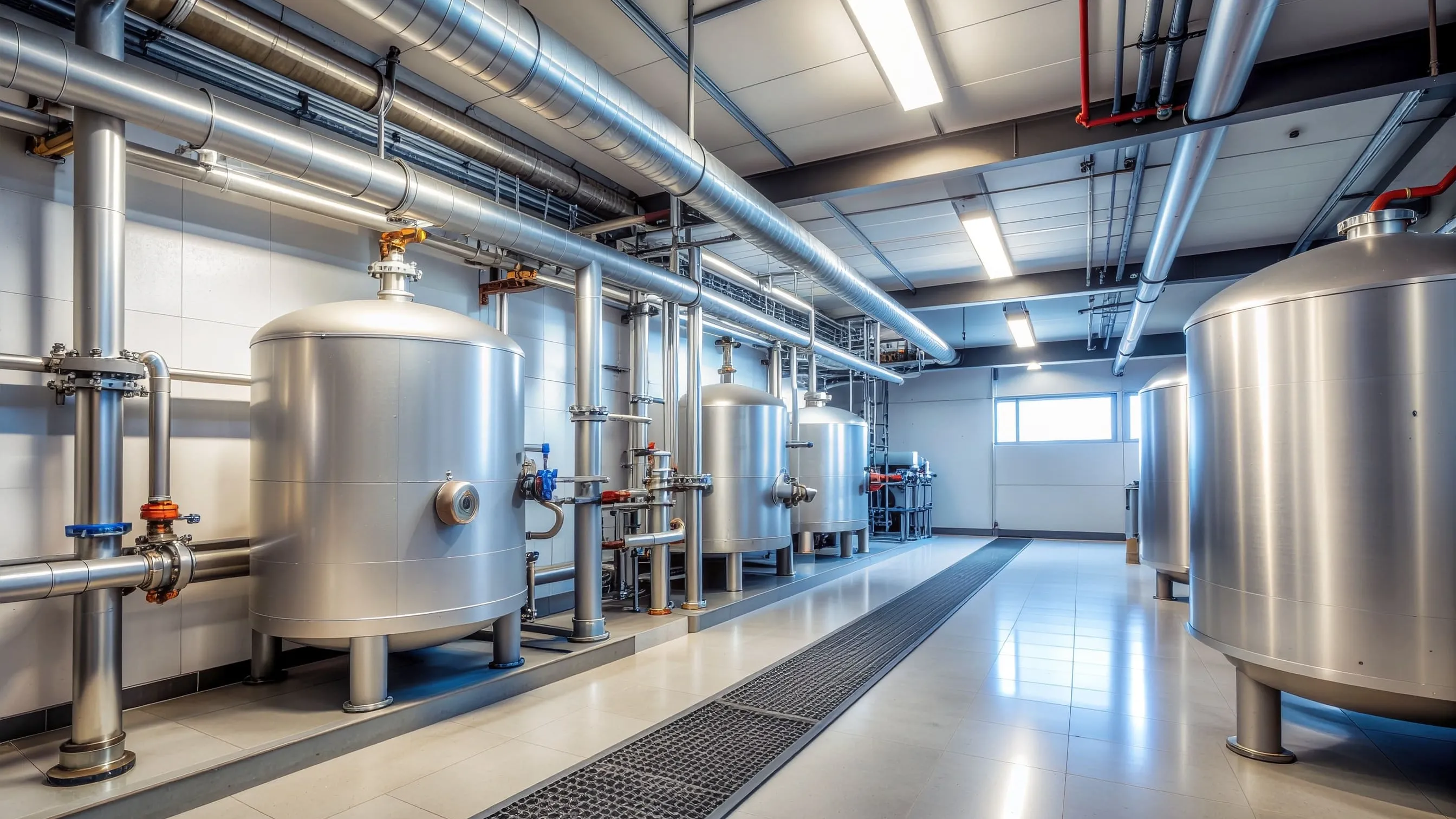
Undersized domestic hot water systems create immediate operational chaos. You experience freezing cold showers in hotels, inadequate handwashing facilities in clinical hospitals, and severely frustrated building occupants. Conversely, massively oversized systems waste thousands of pounds in initial capital expenditure. They also generate continuous, unnecessary energy costs through excessive standing heat losses. You must calculate realistic daily consumption properly to prevent sudden system failures during peak operational hours.
For large commercial and institutional buildings, achieving an accurate hot water demand calculation commercial strategy is absolutely vital. This specific mathematical approach determines whether a mechanical system performs reliably or fails spectacularly under real-world stress conditions. Domestic installations often rely on simple guesswork or generic rules of thumb. Commercial specification requires a deeply rigorous mathematical approach. Professional specification guarantees your hot water distribution network functions perfectly across the entire calendar year.
The primary engineering challenge lies entirely in calculating simultaneous usage patterns. A massive 200-bed hospital never requires hot water for every single tap, shower, and sink at the exact same second. Understanding precise diversity factors and building-specific usage profiles transforms theoretical fixture counts into practical specifications. Effective commercial DHW sizing saves massive amounts of capital and protects your operational expenditure for decades.
Understanding Peak Demand Versus Average Demand
Commercial hot water systems must satisfy extreme peak demand periods effortlessly. They must do this without incurring the heavy capital and running costs associated with massive overcapacity. Average daily consumption data provides very useful information for calculating annual energy budgets. However, average daily figures offer absolutely no value for accurate commercial DHW sizing calculations.
Peak demand calculations focus exclusively on the absolute maximum simultaneous draw. This intense draw typically occurs during the busiest 15 to 30-minute window of the entire day. This critical window dictates the required flow rate from your active water heaters. It also dictates the exact recovery capacity needed to restore the main storage temperature quickly. Facility managers must always differentiate between these total daily requirements and the critical peak hour draw.
Think of your commercial hot water system exactly like a busy international airport. The airport might handle ten thousand passengers daily on average. However, the security gates must be sized to handle the intense, simultaneous rush of two thousand people arriving at 7:00 AM. The experts at National Pumps and Boilers consistently design systems to handle these intense hydraulic rushes flawlessly. Failing to make this distinction guarantees that your mechanical plant will fail when building occupants need it most.
CIBSE Guidelines and Commercial DHW Standards
British mechanical engineering relies heavily on CIBSE Guide G for commercial hot water system design. This strict guidance provides detailed tables and diversity factors specifically engineered for large commercial applications. These professional references account for realistic simultaneous usage probability rather than assuming every single fixture operates at once. These guidelines prevent the catastrophic oversizing errors that frequently occur when contractors guess the required system capacity.
You must perform accurate temperature differential calculations to determine your actual usable capacity safely. A system storing water at 60°C and blending it with 10°C mains cold water provides significant extra volume. Mixing this water to deliver a safe 40°C at the tap increases your effectively usable hot water volume by roughly 66 percent. Proper adherence to these established mathematical tables guarantees mechanical compliance and protects your capital expenditure completely.
This thermodynamic blending factor significantly reduces the raw storage volume required for any given peak demand. Many inexperienced installers completely overlook these temperature differential calculations, leading to massive and costly oversizing. Specifying models from the Grundfos Full Catalogue ensures your circulation pumps support these calculated distribution networks efficiently and safely.
The Fixture Unit Method for Demand Calculation
The fixture unit method assigns highly specific numerical values to different plumbing outlet types safely. These values are based strictly on their required flow rate and typical usage duration. A commercial shower rates at approximately three fixture units. A standard washbasin rates at just one single fixture unit. This standard mathematical framework allows engineers to standardise calculations across entirely different commercial plumbing architectures reliably.
You must total these fixture units across the entire building and apply strict diversity factors. This mathematical process yields the simultaneous demand in litres per second flawlessly. You then convert this final figure directly into your required mechanical recovery rate safely. Understanding simultaneous usage probability prevents you from purchasing vastly oversized heating plant equipment. You must always cross-reference these unit calculations with the specific operational realities of your exact commercial facility.
A regional facility manager recently sized a sports centre based purely on total shower heads using the fixture unit method incorrectly. The resulting system was massively oversized, wasting thousands of pounds in standby energy every single month. Utilizing premium Wilo Full Catalogue distribution pumps allows you to manage carefully calculated flow rates across complex commercial layouts beautifully.
Building Type-Specific Sizing Calculations
Different commercial sectors present entirely unique hydraulic challenges. Hotels experience concentrated morning shower peaks followed by heavy commercial kitchen requirements. A 100-room hotel requires massive daily storage capacity combined with exceptional recovery rates. Luxury four-star properties demand much higher per-room allocations than budget accommodations due to large soaking tubs. You must always assess the specific operational timetable of the facility before committing to any mechanical specification.
Healthcare institutions maintain the highest possible hot water standards due to strict infection control protocols. Hospitals require massive daily volumes per bed with storage temperatures held strictly at 60°C for legal Legionella control. Critical clinical areas demand dedicated systems with minimal distribution distances to guarantee absolute temperature precision. This bespoke approach guarantees your new hot water infrastructure matches the actual human behaviour occurring within the property.
Educational establishments show highly distinct usage patterns with incredibly concentrated demand during break periods. They experience massive sudden usage after physical education classes conclude. Heavy-duty Andrews Industrial Range commercial heaters serve these educational applications perfectly. They provide the rapid thermal recovery required to handle these highly concentrated post-activity demand spikes safely.
Calculating Exact Storage Capacity Requirements
Peak hour demand analysis formally identifies the absolute maximum hot water consumption during any 60-minute period. For a busy commercial hotel, this strictly occurs between 7:00 AM and 8:00 AM. When you execute a hot water demand calculation commercial assessment, you must identify this exact window accurately. Calculating the exact litres required during this hour establishes your absolute minimum physical storage capacity safely.
Recovery time calculations determine exactly how quickly the mechanical system restores the target storage temperature. A massive 2,000-litre cylinder dropped from 60°C to 45°C requires immense thermal energy to recover quickly. You must balance the physical size of your storage tank against the burner output of your primary heat source. This careful balancing act prevents the primary boiler plant from short-cycling destructively during periods of incredibly low demand.
Many professional engineers specify multiple smaller storage vessels instead of one massive single cylinder. Four 500-litre cylinders provide significantly greater surface area for rapid heat transfer. This staged configuration also provides vital mechanical redundancy. Exploring the DAB Full Catalogue provides access to the exact circulation pumps required for these highly efficient multi-vessel commercial installations. Proper calculation guarantees smooth, continuous mechanical operation that drastically extends the lifespan of your expensive combustion equipment.
Crucial System Design and Safety Considerations
Legionella control requirements strictly mandate commercial storage temperatures of 60°C minimum. You must also implement monthly thermal disinfection cycles reaching 65°C throughout the entire distribution network. These high temperatures fundamentally affect your material selection, expansion vessel sizing, and safety valve specifications. Every comprehensive hot water demand calculation commercial review must include these thermal expansion factors.
Distribution losses increase heavily with long pipe runs and inadequate thermal insulation. A long 50-metre pipe run loses significant heat energy even with standard lagging applied. Variable-speed recirculation systems maintain temperature throughout these networks but increase your total heat demand. Intelligent pumps reduce this energy overhead by modulating flow based on live temperature sensors.
Expansion vessels physically accommodate thermal expansion as water heats from cold mains temperature to 60°C storage temperature. A massive 2,000-litre system requires substantial expansion capacity to absorb this hydraulic pressure safely. Sourcing reliable components from the Valve Spares Available range guarantees your commercial pressure relief devices handle these intense thermal conditions safely. These essential safety valves prevent catastrophic pressure blowouts when large volumes of water heat up and expand rapidly.
Conclusion
Executing an accurate hot water demand calculation commercial procedure separates reliable engineering from costly guesswork. Large buildings require a deep understanding of occupancy patterns and the strict application of appropriate diversity factors. The difference between a theoretical fixture count and realistic simultaneous usage determines your ultimate operational success. You must always map your specific building demand profile carefully before you ever purchase commercial heating equipment.
Following CIBSE guidelines provides the mathematical framework, but building-specific factors modify these standard calculations significantly. Using the fixture unit method correctly alongside exact temperature differential calculations adds massive technical precision. Professional commercial DHW sizing protects your budget and guarantees continuous hot water delivery. Ignoring the mathematics of peak simultaneous demand guarantees expensive operational failures and severe reputational damage.
If you need expert guidance navigating complex simultaneous usage probability scenarios or selecting appropriate commercial plant equipment safely, Speak to a Commercial DHW Expert today. Our dedicated engineering team will calculate the exact thermal requirements for your specific commercial property.