

How to Calculate ROI on Pump Efficiency Upgrades
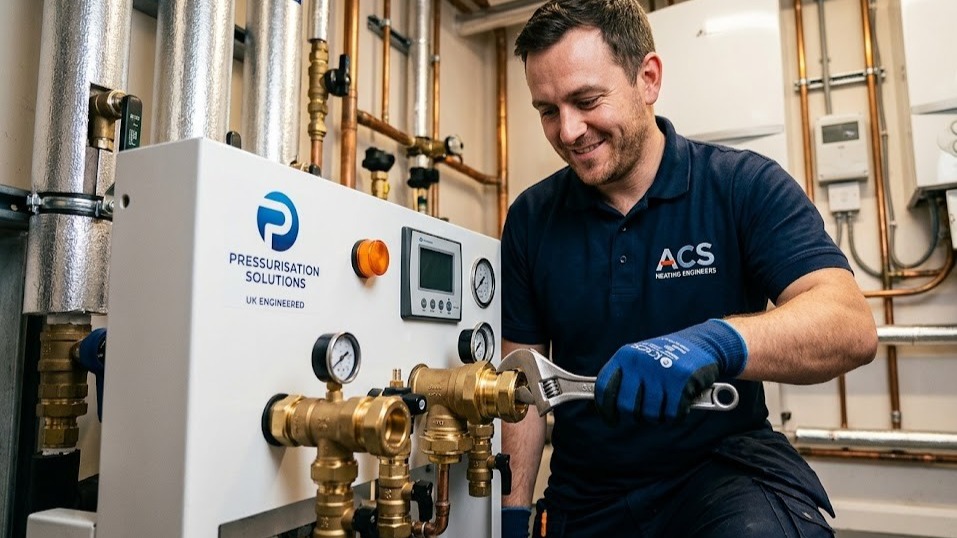
How Commercial Pump Upgrades Pay for Themselves
Replacing an ageing circulation pump rarely tops the priority list for facilities managers. The existing unit still runs. Heating systems function. Why spend £2,000-£15,000 on new equipment when budgets are stretched thin across dozens of competing demands?
The answer lies in a calculation most building managers never perform: the true cost of running inefficient pumps. A single outdated circulator in a medium-sized commercial building can waste £1,200-£3,500 annually in unnecessary electricity consumption. Multiply that across multiple pumps operating 8,760 hours per year, and the financial drain becomes substantial.
Calculating the pump efficiency ROI requires more than comparing purchase prices. It demands understanding energy consumption patterns, maintenance costs, system performance losses, and operational lifespan. This article provides the framework facilities managers and mechanical services contractors need to quantify the financial benefits of replacing outdated circulation pumps with modern, high-efficiency alternatives from National Pumps and Boilers.
Understanding Baseline Energy Consumption
Accurate ROI calculations begin with establishing current energy costs. Most commercial buildings lack sub-metering on individual pumps, making baseline measurement challenging but essential.
Determining Current Pump Power Draw
Start by identifying the nameplate data on existing pumps. Older units typically display rated power input in watts or kilowatts. However, nameplate ratings represent maximum draw under full load conditions - actual consumption often differs significantly.
For precise measurement, facilities managers should use a power meter or data logger to record actual electrical consumption over a representative operating period. Measurements taken during peak heating season provide the most accurate baseline, as pumps work hardest when systems demand maximum flow rates.
A typical older commercial circulator rated at 1.5 kW might draw 1.3 kW under normal operating conditions. Running continuously, this pump consumes 11,388 kWh annually. At the current UK commercial electricity rate averaging £0.28 per kWh, annual operating cost reaches £3,189.
Accounting for Part-Load Operation
Modern variable-speed pumps adjust output to match system demand, whilst fixed-speed units run at constant power regardless of actual requirements. During shoulder seasons and overnight periods, heating systems require substantially less flow, yet fixed-speed pumps continue consuming full power.
Buildings with fixed-speed circulators typically waste 40-60% of pump energy during part-load conditions. This inefficiency represents the largest opportunity for savings when upgrading to Grundfos pumps or Wilo pumps with integrated variable-speed drives.
Calculating Energy Savings from Efficiency Upgrades
The energy efficiency of circulation pumps has improved dramatically over the past decade. Older units operate at 30-50% efficiency, whilst modern ErP-compliant circulators achieve 65-85% efficiency through improved motor design, hydraulic optimisation, and intelligent controls.
Comparing Old vs New Pump Performance
Consider a replacement scenario: A 15-year-old fixed-speed pump drawing 1.3 kW serves a commercial heating system. The proposed replacement - a modern variable-speed circulator - provides equivalent hydraulic performance whilst drawing an average of 0.4 kW under typical operating conditions.
Old pump: 1.3 kW × 8,760 hours = 11,388 kWh
New pump: 0.4 kW × 8,760 hours = 3,504 kWh
Annual savings: 7,884 kWh
At £0.28 per kWh, this reduction delivers £2,207 in annual electricity savings. The new pump typically costs £2,800-£3,500 installed, creating a pump upgrade payback period of 1.3-1.6 years.
Factoring in Multiple Pumps
Commercial buildings rarely operate single pumps. A typical medium-sized office building might run 4-8 circulation pumps across primary heating loops, secondary circuits, and domestic hot water systems. Each inefficient unit compounds the waste.
Upgrading four pumps with similar consumption profiles generates £8,828 in combined annual savings. Even with a total project cost of £14,000 including installation, the pump upgrade payback period remains under two years - demonstrating exceptional pump efficiency ROI across multiple installations.
Maintenance Cost Reductions
Energy savings represent only part of the pump efficiency ROI equation. Older pumps require more frequent maintenance, experience higher failure rates, and demand costly emergency repairs.
Comparing Maintenance Requirements
Traditional pumps with mechanical seals require regular inspection and seal replacement every 3-5 years. Each service visit costs £200-£400 in labour and parts. Bearing failures, motor issues, and coupling problems add unpredictable repair costs averaging £500-£1,200 annually per pump.
Modern circulators use maintenance-free permanent magnet motors with ceramic bearings designed for 15-20 year operational lifespans. Manufacturers like Grundfos and Wilo provide extended warranties reflecting this improved reliability.
Old pump: £600-£1,200 (preventive maintenance plus reactive repairs)
New pump: £100-£200 (periodic inspection only)
Annual savings: £500-£1,000 per pump
For a four-pump installation, maintenance cost reductions add £2,000-£4,000 to annual savings beyond energy benefits.
Avoiding Emergency Replacement Costs
Pump failures during heating season create emergency situations requiring immediate replacement. Emergency service rates, expedited equipment delivery, and potential system downtime costs significantly exceed planned replacement expenses.
A planned pump upgrade costing £3,500 might cost £5,500-£7,000 as an emergency replacement, with additional losses from system downtime in commercial or industrial facilities. Proactive replacement eliminates this risk whilst capturing efficiency benefits.
System Performance Improvements
Inefficient pumps affect more than electricity bills. They degrade overall system performance, creating comfort complaints, uneven heating, and increased boiler cycling.
Quantifying Comfort and Productivity Gains
Variable-speed circulators maintain consistent flow rates matched to actual demand, eliminating the temperature fluctuations common with oversized fixed-speed pumps. Improved comfort reduces occupant complaints and, in commercial settings, supports productivity.
Whilst difficult to quantify precisely, research from the Building Services Research and Information Association (BSRIA) suggests that improved thermal comfort correlates with 2-4% productivity improvements in office environments. For a 50-person office with average salaries of £35,000, even a 2% productivity gain represents £35,000 in annual value - far exceeding pump upgrade costs.
Extending Boiler Lifespan
Properly sized, efficient circulators reduce boiler cycling frequency by maintaining stable system flow. Excessive cycling - often caused by oversized pumps - increases wear on boiler components, reduces seasonal efficiency, and shortens equipment lifespan.
Reducing boiler cycling by 30-40% through improved pump control can extend boiler life by 2-3 years. For a commercial boiler with a replacement cost of £15,000-£25,000, this extension represents significant avoided capital expenditure.
Building the Complete ROI Calculation
Comprehensive pump efficiency ROI analysis combines all financial benefits against total project costs, including equipment, installation, and any associated system modifications.
Total Cost Assessment
Equipment cost: £1,800-£3,000 per pump (depending on size and specification)
Installation labour: £400-£800 per pump
Associated materials (pipe adaptors, isolation valves, controls integration): £200-£400 per pump
Commissioning and system balancing: £300-£600 per installation
Total project cost for a four-pump upgrade: £10,000-£16,000
Combined Annual Benefits
Energy savings: £8,828
Maintenance cost reduction: £2,000-£4,000
Avoided emergency replacement risk: £1,000-£2,000 (amortised)
Total annual benefit: £11,828-£14,828
ROI Calculation
Simple payback period = Total project cost ÷ Annual benefits = £13,000 ÷ £13,000 = 1.0 years
Return on investment over 10 years (typical planning horizon):
Total benefits: £13,000 × 10 years = £130,000
Total costs: £13,000
Net benefit: £117,000
ROI: 900%
This calculation excludes additional benefits like improved comfort, extended boiler life, and reduced carbon emissions, making the actual return even more compelling.
Optimising Upgrade Timing and Scope
Strategic timing and project scope significantly affect pump upgrade payback outcomes. Facilities managers should consider several factors when planning pump efficiency upgrades.
Prioritising High-Impact Replacements
Operating hours: Pumps running continuously deliver faster payback than seasonally operated units
Power consumption: Large circulators (1.5 kW+) provide greater absolute savings than smaller pumps
Age and condition: Units approaching end-of-life combine efficiency gains with avoided failure costs
System criticality: Replace pumps serving critical systems first to minimise emergency replacement risk
Coordinating with Other Capital Projects
Pump replacements become more cost-effective when coordinated with related work. Installing new commercial circulators during boiler replacement, system upgrades, or building refurbishment reduces installation labour costs and system downtime.
National Pumps and Boilers supplies complete pump and control packages designed for straightforward integration during planned maintenance shutdowns, minimising disruption whilst maximising efficiency gains.
Accessing Financial Incentives
Several UK schemes support commercial energy efficiency improvements, potentially improving project pump efficiency ROI calculations.
Enhanced Capital Allowances
The Enhanced Capital Allowances (ECA) scheme allows businesses to claim 100% first-year capital allowances on qualifying energy-saving equipment, including high-efficiency pumps meeting specific performance criteria.
For a £13,000 pump upgrade project, ECA eligibility provides a tax benefit of £2,470 (at 19% corporation tax rate), effectively reducing net project cost to £10,530 and improving pump upgrade payback to under one year.
Carbon Reduction Schemes
Organisations participating in the Carbon Reduction Commitment or similar schemes benefit from reduced carbon reporting obligations when implementing efficiency upgrades. Whilst not direct financial benefits, these administrative savings and improved carbon credentials hold value for many commercial operators.
Addressing Common ROI Objections
Facilities managers often encounter resistance to pump upgrades despite compelling financial cases. Understanding and addressing common objections strengthens project approval.
"The Current Pumps Still Work"
Functioning equipment doesn't mean cost-effective equipment. A pump that "works" whilst consuming three times the energy of a modern equivalent costs thousands annually in unnecessary expenses. The question isn't whether old pumps work - it's whether continuing to operate them makes financial sense.
"We Don't Have a Capital Budget"
The rapid payback period for pump efficiency upgrades makes them ideal candidates for operational budget funding or energy performance contracts. Annual savings exceed annual financing costs from the first year, creating cash-positive projects that improve both energy performance and financial outcomes.
"We'll Replace Pumps When They Fail"
Reactive replacement sacrifices years of potential savings whilst accepting higher emergency replacement costs and system downtime risks. Proactive replacement captures efficiency benefits immediately whilst maintaining control over timing, specification, and costs.
Measuring and Verifying Savings
Post-installation measurement validates ROI calculations and supports future efficiency investments.
Establishing Monitoring Protocols
Modern circulators include built-in power monitoring, providing real-time energy consumption data through building management systems or dedicated pump controllers. This capability enables continuous verification of savings against baseline measurements.
Facilities managers should record monthly energy consumption for upgraded pumps, comparing actual performance against projections. Significant deviations warrant investigation, as they may indicate system changes, control issues, or equipment problems requiring attention.
Documenting Results for Future Projects
Comprehensive documentation of pump upgrade outcomes - including energy savings, maintenance cost reductions, and comfort improvements - builds institutional knowledge supporting future efficiency investments. Successful projects with verified savings create momentum for expanding efficiency programmes across additional building systems.
Making the Decision
Commercial pump efficiency upgrades deliver compelling financial returns rarely matched by other building improvement investments. Simple payback periods of 1-2 years, combined with improved reliability, enhanced comfort, and reduced environmental impact, make these projects clear winners in capital allocation decisions.
The calculation framework outlined here provides facilities managers and mechanical services contractors with the tools needed to quantify benefits, build business cases, and secure project approval. By combining energy savings, maintenance cost reductions, and system performance improvements, pump efficiency upgrades consistently deliver returns exceeding 500-900% over typical equipment lifespans.
For organisations managing commercial or industrial facilities, the question isn't whether to upgrade inefficient pumps - it's how quickly to capture the substantial financial benefits that modern, high-efficiency circulation technology delivers. Contact Us for technical guidance on selecting the right equipment for specific applications and calculating precise ROI based on individual building characteristics.