

How to Choose a Pressurisation Unit in 2026: The Features That Really Count
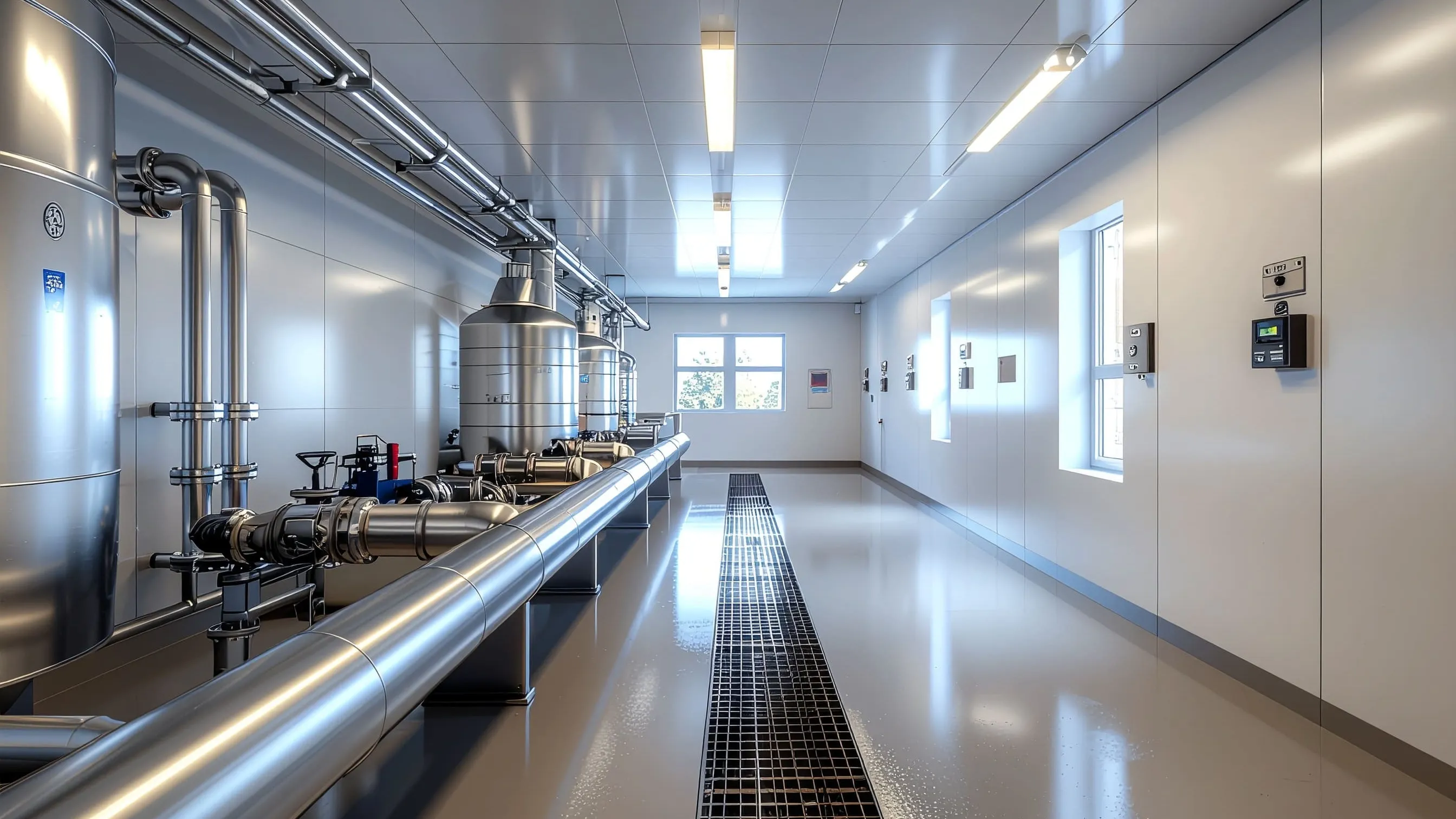
Pressurisation failures account for roughly 40% of sealed heating system breakdowns in commercial installations. Most specifications focus solely on basic pressure maintenance, but a unit that only handles static conditions and fails during thermal cycling creates costly downtime. The true challenge lies in identifying the design features and build quality that deliver consistent performance across seasonal demand variations. Understanding how to choose pressurisation unit 2026 models requires looking far beyond headline capacity figures.
Understanding System Demand Before Equipment Selection
Accurate equipment selection begins with precise system analysis rather than simply browsing a manufacturer catalogue. The system volume calculation must account for pipework, radiators, buffer vessels, and any thermal stores. You must also include an additional allowance for future expansion if the building design permits later extensions. Establishing the true vessel acceptance volume at this stage provides vital operational headroom without excessive oversizing.
Static head calculation determines the minimum pressure required to prevent air ingress at the highest point in the heating circuit. For a system serving a five-storey building with the unit at ground level, the static head might reach 18 metres. This requires a minimum cold fill pressure of approximately 2 bar before even accounting for safety margins. Beyond that, expansion volume calculations depend heavily on system water content, temperature differentials, and glycol concentration, as antifreeze expands at a higher volumetric rate than pure water.
Vessel Configuration and Capacity
Membrane technology dictates your long-term reliability and routine maintenance requirements. Fixed membrane vessels incorporate a permanently bonded diaphragm that cannot be replaced without complete vessel disposal. This might be acceptable for small domestic units, but it proves highly problematic in commercial applications where failure necessitates throwing away the entire tank. Deploying a heavy-duty grundfos water pump alongside a replaceable diaphragm expansion vessel allows for rapid on-site membrane renewal.
Multi-vessel configurations provide vital operational redundancy that single large vessels cannot match. A university accommodation block recently suffered a total loss of heating when its single large expansion tank split its internal lining. Because they lacked a standby vessel, the entire plant room was taken offline for three days during winter while waiting for a custom-sized replacement to arrive. A smart setup incorporating three 200-litre vessels rather than one 600-litre tank allows continued operation while a single membrane is replaced.
Accuracy regarding pre-charge pressure affects system performance directly right from the point of commissioning. Vessels arrive with factory nitrogen charges, but site conditions, temperatures, and storage duration can reduce this below specification. Engineers must verify the pre-charge pressure matches the exact design requirements (typically equal to the static head) using calibrated gauges before introducing any water. This specific pre-charge pressure validation prevents premature pump cycling and ensures you can utilise the full working capacity of the hardware.
Pump Performance and Control Logic
A robust duty/standby configuration eliminates single points of failure in critical heating applications. Hospitals, care facilities, and process heating installations simply cannot tolerate pressurisation loss during a mechanical fault. This makes twin pump arrangements with automatic changeover essential despite the initial cost premiums. The unit's control system should alternate pumps on each activation to equalise running hours and maintain standby readiness.
Variable speed pump control delivers significant efficiency advantages over older fixed-speed designs. A modern building services pump modulates its output to match system demand precisely. This reduces electrical consumption significantly whilst minimising the harsh pressure surges that stress pipework joints. Pressure sensor quality and calibration determine this control accuracy, meaning high-quality sensors will maintain much tighter operational pressure bands.
When you choose pressurisation unit 2026 specifications, sensor placement matters just as much as component quality. Mounting sensors at the vessel connection point rather than remote pipework locations prevents flow-induced errors from affecting readings. Dual sensor setups with automatic switchover add another excellent layer of redundancy for critical infrastructure.
Degassing and Air Separation Technology
An integrated deaerator function addresses a primary cause of system inefficiency and premature component damage. Circulating water continuously absorbs air through micro-permeation at pipe joints and valve glands. This creates microscopic bubbles that reduce heat transfer efficiency, accelerate corrosion, and cause annoying noise in radiators. Pressurisation units incorporating vacuum degassing chambers remove these dissolved gases before they form destructive bubbles.
Think of your system fluid like a shaken bottle of carbonated soda. If you don't use a controlled vacuum chamber to safely lower the pressure, those tiny trapped gas bubbles remain locked in the fluid stream, eroding your impellers from the inside out. As system water passes through the deaerator chamber at a reduced velocity, these microbubbles combine into larger bubbles that safely rise to a collection point for automatic venting.
Systems operating with effective degassing maintain oxygen content well below 0.1 parts per million. This dramatically reduces corrosion rates in steel pipework compared to non-degassed systems. National Pumps and Boilers supplies advanced hardware with permanent degassing circuits that process system water continuously, completely eliminating manual venting tasks.
Control Panel Intelligence and Integration
Building Management System compatibility enables centralised monitoring and control integration for modern facilities. Modern units equipped with BACnet or Modbus communication protocols transmit vital operational data directly to central control systems. This allows facilities managers to monitor pressurisation performance alongside other critical heating system components without constantly visiting individual plant rooms.
Alarm outputs for critical fault conditions prevent minor issues from escalating into major system failures. Voltage-free contacts signalling low pressure or membrane breach conditions integrate directly with building alarm systems. Configurable alarm delays prevent nuisance alerts during normal pressure fluctuations whilst ensuring genuine faults trigger immediate notifications.
Diagnostic capability through digital displays or web interfaces reduces troubleshooting time substantially. Units recording pump run hours, cycle counts, and fault histories provide maintenance engineers with operational data that identifies developing issues early. Remote monitoring provisions allow specialist contractors to diagnose faults remotely without charging for expensive site visits.
Materials and Build Quality Indicators
Pressure vessel construction must comply with the Pressure Equipment Directive for vessels exceeding 0.5 bar-litre capacity limits. This strict certification confirms design calculations, material specifications, and testing protocols meet European safety standards. Vessels should boldly display the CE or UKCA marking alongside test pressure ratings on the data plate. Absence of these markings indicates non-compliant equipment that will instantly fail Building Control approval.
Pump and valve component grades determine reliability and long-term service life. Pumps with stainless steel wetted parts resist corrosion in glycol-treated systems far better than standard cast iron equivalents. Installing premium pump isolation valves manufactured with EPDM seals provides superior chemical resistance and temperature tolerance.
Corrosion resistance provisions matter particularly in mixed-metal environments. For instance, a commercial circuit connected to modern remeha boilers alongside older steel pipework needs careful galvanic protection. Pressurisation units equipped with stainless steel vessels and isolating valves prevent destructive galvanic corrosion cells from forming at the connection point.
Installation Footprint and Serviceability
Space requirements vary dramatically between equivalent capacity units depending on vessel configuration and component layout. Plant room layouts with restricted ceiling height heavily favour horizontal designs, whilst limited floor area suits vertical arrangements. Matching the unit configuration to the available physical space prevents installation complications and ensures maintenance access remains clear.
Access provisions for membrane replacement determine whether maintenance occurs on-site or requires entire vessel removal. Units with front-facing flanged access allow rapid in-situ servicing of a diaphragm expansion vessel, typically requiring minimal clear space. Designs with top-mounted flanges in low-ceiling rooms may necessitate complete vessel removal, increasing labour costs substantially.
Pipework connection standards affect overall installation quality and leak risk. High-efficiency systems utilising a premium lowara water pump with appropriately sized threaded connections allow secure jointing. Premium manufacturers provide comprehensive installation manuals specifying connection torques and support requirements that ensure reliable operation from the initial fill onwards.
Manufacturer Support and Compliance Documentation
Technical support quality indicators include response times for specification queries and commissioning support availability. Manufacturers offering same-day technical responses and site commissioning services demonstrate commitment levels that generic catalogue suppliers simply cannot match. This support quality becomes critical when installations encounter unforeseen engineering challenges.
Spare parts availability commitment directly affects long-term operational security for the building owner. Manufacturers guaranteeing parts availability for current models enable rapid fault resolution when standard wear and tear occurs. Companies that discontinue product lines after five years and cease parts supply leave facilities facing complete unit replacement when simple, repairable faults occur.
When you choose pressurisation unit 2026 models, warranty terms reflect true manufacturing confidence. Standard warranties cover basic defects but provide limited reassurance about longevity. Extended warranties of five years on vessels indicate manufacturers expect reliable performance and accept financial responsibility for premature failures.
Conclusion
Selecting a pressurisation unit based solely on capacity and price ignores the performance factors that determine actual reliability and whole-life cost. Vessel configuration, degassing capability, and manufacturer support separate basic equipment from units that deliver consistent performance across decades of operation. Ensure your specification checklist firmly addresses membrane replaceability, a solid duty/standby configuration, and PED compliance.
A modern unit equipped with variable speed pumps, integrated degassing, and a long-term warranty delivers substantially better value than a budget alternative requiring replacement after a few years. For detailed technical assistance on matching specific sealed heating system hardware to your exact infrastructure layouts, Call for Product Advice to review your upcoming engineering schedules with a specialist.