

How to choose a submersible pump for dirty or contaminated water
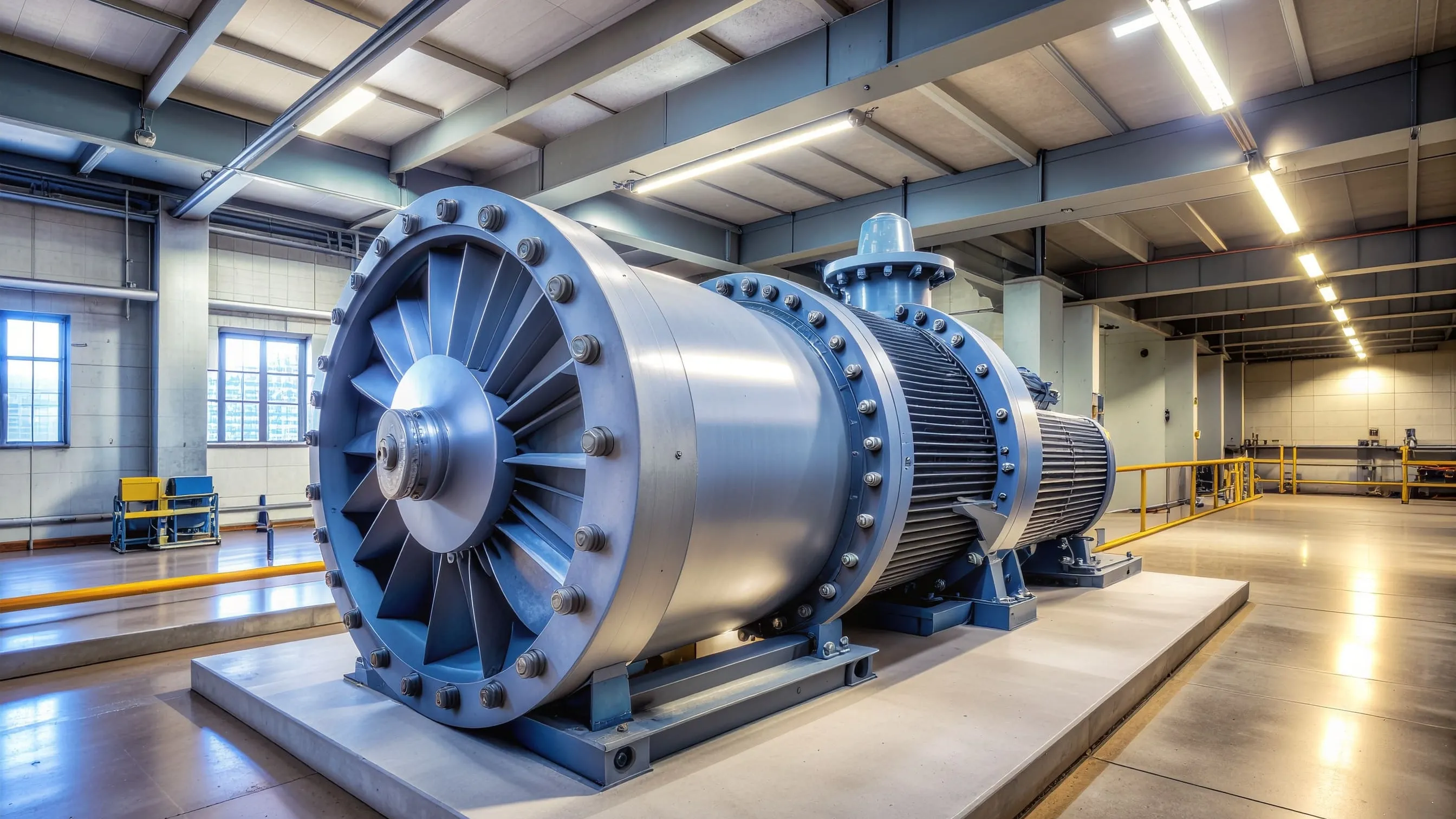
Selecting a submersible pump for dirty water applications requires a fundamentally different approach than specifying equipment for clean water systems. Submersible pump dirty water applications introduce mechanical stresses and operational challenges - abrasive impeller wear, impeller blockage from solids, seal face damage from grit, and chemical attack on pump materials - that standard clean water pumps simply cannot withstand. Engineers and facilities managers who apply clean water pump selection logic to contaminated water applications discover the error within weeks of commissioning, when blocked impellers and damaged seals generate emergency callouts and premature replacement costs.
The distinction between clean and contaminated water pumping extends beyond simple particle presence. Water containing sand, silt, fibrous materials, or chemical contaminants demands pumps engineered with robust impeller designs, enhanced seal protection, and materials resistant to abrasion and corrosion. British Standard BS EN 12056 addresses drainage systems in buildings, but the practical selection of pumps for submersible pump dirty water applications requires deeper technical understanding of solids handling capacity, impeller design philosophy, and motor protection adequacy.
Understanding Dirty Water Classifications
Contaminated water exists on a spectrum that directly determines which pump design features are necessary and which are optional. Light contamination typically includes fine particles under 5 mm - sand, silt, or clay commonly encountered in groundwater infiltration or surface water runoff. These submersible pump dirty water applications might include basement drainage systems or shallow excavation dewatering where the primary concern involves preventing pump blockage rather than handling large solids. A pump rated for 10 mm solids passage handles light contamination adequately.
Heavy contamination introduces particles from 10 mm to 50 mm or larger, including stones, fibrous materials, plastic fragments, and organic matter. Construction site sumps, sewage lifting stations, and industrial process water often contain this level of contamination. The particle size directly determines the minimum impeller clearance and passage diameter required - a pump rated for contaminated water pump selection at 10 mm solids will quickly clog when exposed to 25 mm debris regardless of motor power or construction quality.
Temperature and chemical composition add further complexity to contaminated water pump selection. Hot water above 40°C requires pumps with enhanced seal materials and motor cooling considerations. Chemical contaminants - acidic drainage from industrial processes, alkaline concrete washwater, or petroleum-contaminated stormwater - demand specific housing and impeller materials that standard drainage pump specifications do not address. Plant rooms where DHW pumps drainage sumps receive hot condensate at temperatures approaching 60°C require pumps rated for elevated temperature operation - standard drainage pumps with EPDM elastomers perform reliably at up to 40°C but fail prematurely when continuous thermal exposure exceeds their design limits.
Key Technical Specifications for Contaminated Water Pumps
Solids Handling Capacity
Solids handling capacity represents the most critical specification in submersible pump dirty water applications. This measurement indicates the maximum spherical particle diameter that can pass through the pump without causing blockage. Manufacturers typically rate pumps from 5 mm for light contamination up to 100 mm for heavy sewage and industrial applications.
However, the rated capacity assumes spherical particles. Fibrous materials - rags, vegetation, plastic strips, or cable ties - create blockages at smaller dimensions than their longest measurement suggests, because fibrous materials can orient along flow and then accumulate on impeller vanes or volute passages. A pump rated for 30 mm spherical solids may block on 15 mm fibrous debris if the impeller design is not specifically engineered for fibrous material passage.
Impeller Design for Dirty Water
Grundfos manufactures pumps with multiple impeller types, allowing dirty water pump selection based on actual contamination levels. Single-vane and two-vane impellers provide maximum solids passage and resist clogging in heavily contaminated applications at the cost of some hydraulic efficiency compared to multi-vane clean water designs. Channel impellers use a single curved vane creating a continuous passage from inlet to discharge - handling fibrous materials particularly well and resisting the wrapping failures that conventional vane designs experience. The trade-off involves reduced efficiency at higher heads, making channel impellers most suitable for low-head, high-flow applications.
Vortex impeller design creates a swirling flow pattern that draws solids through the pump body without direct impeller contact, enabling passage of particles up to 80 mm diameter in commercial sewage pumps. The efficiency sacrifice - vortex designs typically achieve 40–50% efficiency versus 60–70% for enclosed impeller designs - is acceptable in submersible pump dirty water applications where reliability matters more than electrical operating costs, particularly in intermittent-duty drainage applications.
Motor Protection Ratings
IP68 protection provides the baseline for submersible dirty water applications, but thermal overload protection is equally critical in contaminated water service. Contaminated water often carries abrasive particles that increase mechanical resistance and motor current draw above the values that clean water operation would produce. Without adequate thermal protection, motors overheat and fail prematurely in service conditions they were physically capable of handling if protection had been specified correctly.
Flow Rate and Head Requirements for Dirty Water
Calculating flow requirements for contaminated water differs from clean water applications due to unpredictable solids loading and inflow variability. A sump receiving construction site runoff might see flow rates vary from 2 m³/h during dry periods to 20 m³/h during heavy rainfall. Undersizing creates flooding risk during peak demand; oversizing leads to short cycling and premature wear during the extended low-flow periods between peak events.
Head requirements for submersible pump dirty water applications must account for friction losses in discharge pipework carrying suspended solids. Clean water friction loss calculations underestimate actual losses when water contains sand, silt, or debris. A conservative approach adds 20–30% to calculated head requirements for moderately contaminated water - preventing the pump from operating at the extreme right of its performance curve where efficiency drops and motor current increases towards thermal protection thresholds.
Lowara provides performance curves showing pump behaviour across the full operating range, allowing engineers to verify adequate margin exists between the initial duty point and maximum head capability. This margin accommodates the performance degradation that occurs as solids accumulate in discharge pipework over months of operation, increasing system resistance beyond the values present at commissioning.
Installation Environment for Contaminated Water Applications
Sump design profoundly affects pump performance and longevity in submersible pump dirty water applications. Shallow sumps with inadequate capacity create turbulent conditions that entrain air and introduce additional solids into the pump inlet at concentrations above what settling in a deeper sump would allow. BS 8301 recommends minimum sump dimensions based on pump capacity - dirty water applications benefit from exceeding these minimums to allow solids settling below the pump intake level.
Pump positioning within the sump determines what materials reach the impeller. Bottom suction pumps draw water from the sump floor, inevitably ingesting settled solids and requiring the robust solids handling capability that pump selection must provide. For heavily contaminated applications, bottom suction with high solids handling capacity proves more reliable than attempting to position side suction pumps above settled debris - debris levels change with inflow events, and a pump positioned to avoid debris under low-inflow conditions may be submerged in debris during peak inflow.
Float switch selection for dirty water applications requires robust designs resistant to fouling. Central heating system drainage applications with clean condensate suit standard mechanical float switches. Heavily contaminated drainage sumps require quarterly float switch inspection and cleaning as a minimum maintenance commitment - grease, rags, and biological growth interfere with mechanical float movement, causing the pump control failures that generate flooding liability.
Brand Comparison for Dirty Water Submersible Applications
Wilo manufactures submersible drainage pumps with solids handling from 10 mm to 50 mm, covering light to heavy contamination applications within building services and construction contexts. Their Drain series incorporates thermal motor protection and IP68 sealing as standard, with impeller designs that favour reliability over absolute efficiency for applications where contamination levels are unpredictable.
DAB FEKA and NOVA series pumps handle solids up to 40 mm whilst maintaining compact footprints that address submersible pump dirty water applications in existing sumps where larger pumps cannot be accommodated without sump modification. The trade-off involves slightly reduced flow rates compared to larger-bodied alternatives, requiring careful verification that capacity meets peak demand at the design head.
Ebara specialises in pumps for aggressive industrial applications where chemical resistance and abrasion tolerance exceed standard building services requirements. Their stainless steel and bronze construction options suit acidic or alkaline contaminated water that would corrode cast iron pumps within months - justifying the premium cost through service life that cast iron cannot achieve in chemically aggressive conditions.
For heavy-duty sewage and industrial effluent applications, National Pumps and Boilers stocks pumps handling solids up to 100 mm with channel impellers designed specifically for fibrous materials - the most challenging submersible pump dirty water applications where standard drainage pumps would experience frequent blockages and impeller damage.
Maintenance and Operational Longevity in Dirty Water
Service intervals for contaminated water pumps depend heavily on actual water quality and solids loading. Light contamination applications might operate for 12–24 months between inspections, whilst heavily contaminated commercial sumps require quarterly examination of impellers, seals, and wear surfaces. Establishing baseline motor current readings during commissioning provides an ongoing diagnostic reference - increasing current over time indicates impeller wear or partial blockage even before flow rate noticeably decreases.
Common failure points in dirty water submersible pump dirty water applications include seal deterioration from abrasive particle contact at seal faces, impeller erosion from suspended solids that underspecified solids handling capacity exposes to direct abrasive contact, and bearing wear from unbalanced hydraulic loads in pumps operating well away from their best efficiency point.
Periodic sump cleaning removes accumulated solids that would otherwise enter the pump at low water level conditions when the pump draws fluid from near the sump base. Discharge pipework requires inspection for partial blockages that increase head pressure and motor current gradually across months of operation. Pump valves including non-return valves in dirty water discharge lines require regular cycling to prevent the sediment accumulation that seizes valve mechanisms - seized non-return valves that fail to close allow backflow that refills the sump and activates the pump immediately after stopping, causing the rapid cycling that damages motor windings.
Compliance and Standards
BS EN 12056 addresses drainage systems inside buildings, including requirements for sump design and pump selection in contaminated water applications. BS 8301 provides guidance on building drainage system design, with sump dimension and pump sizing requirements that submersible pump dirty water applications must meet as minimum standards rather than optional guidance. Building Regulations Part H requirements for pumped drainage below sewer level apply to sewage lifting stations handling contaminated water in below-grade commercial premises.
Conclusion
Selecting submersible pumps for dirty or contaminated water applications requires matching solids handling capacity to the actual particle size and material characteristics of the pumped fluid, verifying impeller design for fibrous material resistance where relevant, and incorporating the motor protection features that contaminated water service demands. The premium cost of pumps engineered specifically for submersible pump dirty water applications delivers value through reduced failures and extended service life compared to standard pumps applied beyond their design parameters - a whole-life cost argument that justifies correct specification at the outset.
For assistance specifying submersible pumps for challenging contaminated water applications, Contact Us for application-specific guidance on pump sizing, impeller type selection, material specification, and installation design that matches actual site contamination conditions.