

How to Choose Pumps for Commercial Car Wash Facilities
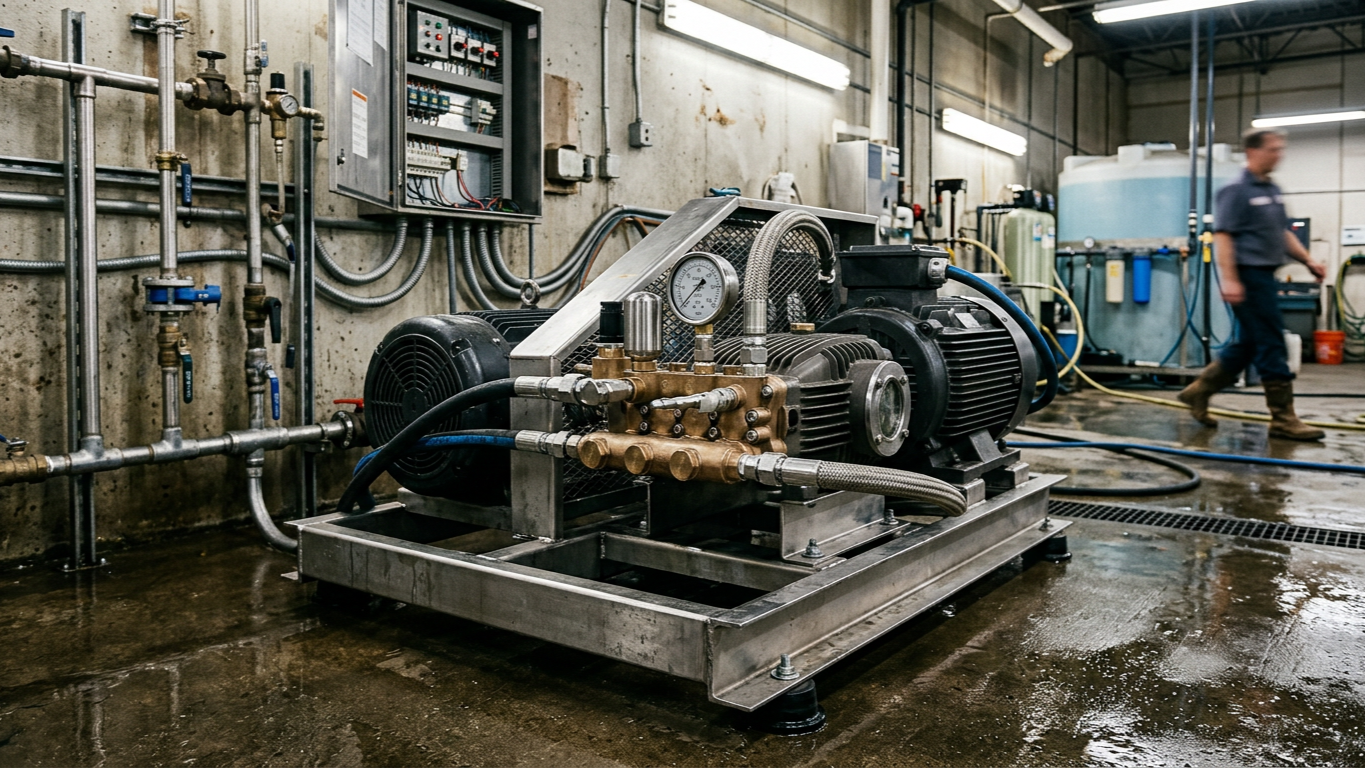
Commercial car wash operations demand robust, reliable pumping systems that can handle continuous duty cycles, aggressive chemicals, and varying pressure requirements. The wrong car wash pump selection leads to frequent breakdowns, inconsistent wash quality, and costly downtime that directly impacts revenue.
Selecting the appropriate car wash pump selection requires understanding the specific application, from high-pressure spray systems and chemical injection to water reclamation and booster sets. Each function demands different performance characteristics, materials of construction, and control strategies. This technical guide examines the critical factors that determine optimal pump selection for commercial car wash installations.
Understanding Car Wash Pump Applications
Commercial car wash facilities typically require multiple pump types, each serving distinct functions within the overall vehicle wash pump systems. High-pressure pumps deliver the primary cleaning force, generating 800-3000 PSI to remove dirt, grime, and road film from vehicle surfaces. These pumps must maintain consistent pressure across varying flow demands as vehicles move through wash bays.
Chemical dosing pumps inject precise quantities of detergents, waxes, and protective coatings into the water stream. Accuracy matters here - over-application wastes expensive chemicals whilst under-application compromises wash quality. DAB pumps offer reliable chemical injection solutions with adjustable flow rates that ensure consistent product delivery.
Water reclamation systems require transfer pumps that handle contaminated water containing suspended solids, oils, and chemical residues. These pumps feed filtration systems that allow facilities to reuse up to 85% of wash water, significantly reducing operational costs and environmental impact. Booster pumps maintain adequate supply pressure when the mains water pressure proves insufficient for high-volume operations.
Flow Rate and Pressure Requirements
Car wash pump selection begins with accurate calculation of required flow rates and operating pressures. Touchless automatic systems typically demand 3-8 gallons per minute (GPM) at 1200-1500 PSI, whilst soft-touch systems with rotating brushes may require 15-25 GPM at lower pressures of 500-800 PSI. Self-service bays generally operate at 3-4 GPM with adjustable pressure settings between 1000-2000 PSI.
The number of simultaneous wash positions directly impacts total system flow requirements. A four-bay automatic facility with concurrent operations needs pumping capacity that meets peak demand without pressure drops that compromise wash quality. Undersized pumps struggle during peak periods, extending wash cycles and reducing throughput. Oversized pumps waste energy and increase capital costs without performance benefits.
System pressure requirements depend on nozzle specifications, hose lengths, and elevation changes between the pump location and spray points. Friction losses through pipework, fittings, and hoses must be calculated and added to the required nozzle pressure. Grundfos pumps provide detailed performance curves that allow precise matching of pump characteristics to system requirements, ensuring efficient operation across the full operating range.
Pump Construction Materials
The corrosive environment of commercial car wash facilities demands careful material selection for pump components. Stainless steel construction provides excellent corrosion resistance against acidic wheel cleaners, alkaline detergents, and chlorinated water. Grade 316 stainless steel offers superior resistance to chloride attack compared to 304 grade, making it the preferred choice for pumps handling reclaimed water with elevated salt content.
Ceramic plungers in high-pressure pumps resist abrasive wear from suspended particles in reclaim water. Standard steel plungers deteriorate rapidly when exposed to contaminated water, leading to seal failures and pressure loss. The additional cost of ceramic components pays for itself through extended service intervals and reduced maintenance requirements.
Seal materials must withstand continuous exposure to cleaning chemicals across a wide pH range. Viton seals provide broad chemical compatibility and temperature resistance up to 200°C, suitable for hot water applications. EPDM seals offer excellent resistance to alkaline cleaners but prove unsuitable for petroleum-based products. Pump manufacturers specify compatible seal materials based on the chemical products used in the facility.
Drive Systems and Motor Selection
High-pressure car wash pumps typically employ either direct-drive or belt-drive configurations. Direct-drive systems couple the pump directly to the motor shaft, providing compact installation and eliminating belt maintenance. These systems suit applications requiring constant speed operation with fixed pressure and flow characteristics.
Belt-drive configurations allow speed adjustment through pulley ratio changes, providing flexibility to modify pump performance without replacing the entire unit. The belt system also provides mechanical isolation that reduces vibration transmission and protects the motor from shock loads when pumps encounter sudden pressure spikes. Regular belt inspection and tension adjustment form part of routine maintenance schedules.
Motor selection must account for the full pump power requirement plus a service factor of 1.15-1.25 to prevent overloading. Three-phase motors provide more efficient operation than single-phase alternatives for pumps exceeding 3 HP. Variable frequency drives (VFDs) enable soft-starting that reduces electrical demand surges and allows pressure modulation based on actual wash requirements, cutting energy consumption by 20-40% compared to fixed-speed operation.
Pressure Control and Regulation
Consistent pressure regulation ensures uniform wash quality and protects system components from damaging pressure spikes. Unloader valves divert pump flow back to the inlet when spray guns close, preventing pressure build-up that could rupture hoses or damage seals. Adjustable unloader valves allow pressure setting optimisation for different wash functions - high pressure for pre-soak removal, moderate pressure for soap application, and low pressure for final rinse.
Pressure switches provide automated pump control based on system demand. When operators activate spray functions, pressure drops trigger pump start-up. Once the function completes and pressure recovers, the switch signals pump shutdown. This on-demand operation reduces energy consumption and extends pump life compared to continuous running.
Accumulator tanks smooth pressure fluctuations and reduce pump cycling frequency. A properly sized accumulator maintains pressure during brief spray interruptions, preventing unnecessary pump starts. For systems with multiple spray points, accumulators ensure consistent pressure delivery to all positions regardless of simultaneous usage patterns.
Water Quality Considerations
Inlet water quality significantly impacts pump longevity and performance. Mains water typically contains 100-300 PPM total dissolved solids (TDS) that pose minimal risk to pump components. Reclaimed water systems may exceed 1000 PPM TDS along with suspended solids, oils, and chemical residues that accelerate wear and fouling.
Filtration systems protect pumps from damaging particles. High-pressure pumps require inlet filtration to 50 microns minimum, with 20-micron filtration recommended for ceramic plunger pumps. Bag filters or cartridge systems provide adequate protection whilst allowing sufficient flow capacity to prevent pump cavitation from a restricted inlet supply.
Water hardness affects scale formation on heated surfaces and within pump passages. Areas with water hardness exceeding 200 PPM calcium carbonate benefit from water softening systems that prevent scale accumulation. Scale deposits reduce heat transfer efficiency in hot water systems and restrict flow passages, increasing pump workload and energy consumption.
System Integration and Controls
Modern car wash facilities employ integrated control systems that coordinate pump operation with wash cycle sequencing. Programmable logic controllers (PLC) manage multiple pumps, chemical injection systems, and water heating equipment to deliver consistent wash programmes. These systems optimise pump runtime, balance chemical usage, and provide diagnostic data that identifies maintenance requirements before failures occur.
Remote monitoring capabilities allow facility managers to track pump performance, energy consumption, and maintenance intervals across multiple locations. Alert systems notify operators of abnormal conditions - pressure deviations, excessive runtime, or motor overload conditions that indicate developing problems. This proactive approach prevents unexpected downtime during peak business periods.
Wilo pumps integrate advanced monitoring features that track operating hours, start cycles, and power consumption. This data informs predictive maintenance schedules based on actual equipment usage rather than arbitrary time intervals, reducing unnecessary service interventions whilst catching genuine wear issues early.
Energy Efficiency and Operating Costs
Pump energy consumption represents a substantial portion of car wash operating costs. A 10 HP pump running 12 hours daily at £0.15 per kWh costs approximately £4,900 annually in electricity. Efficiency improvements of just 10% through proper car wash pump selection and VFD implementation save nearly £500 per year per pump.
Variable speed operation matches pump output to actual demand rather than running at full capacity continuously. During low-demand periods or single-bay operation, VFDs reduce motor speed and power consumption proportionally. The energy savings typically recover VFD installation costs within 18-24 months for facilities operating more than 8 hours daily.
High-efficiency motors meeting IE3 or IE4 standards reduce energy losses through improved magnetic design and reduced friction. Whilst initial costs exceed standard efficiency motors by 15-25%, the energy savings accumulate over the motor's 15-20 year service life. For new installations or motor replacements, high-efficiency options prove economically justified in virtually all commercial applications.
Maintenance Requirements and Service Access
Pump maintenance requirements vary significantly based on design, application, and operating conditions. High-pressure pumps handling clean mains water may require only annual seal inspection and lubrication. Pumps processing reclaimed water need quarterly seal checks and monthly inlet filter cleaning to maintain performance and prevent premature wear.
Service accessibility affects maintenance costs and downtime duration. Pumps with tool-free access to wear components allow rapid seal replacement and valve servicing without specialised equipment. Lowara pumps feature modular construction that enables component replacement without disconnecting pipework or removing the entire pump assembly from its mounting.
Spare parts availability determines how quickly failed pumps return to service. Selecting equipment from manufacturers with UK stock and next-day delivery prevents extended outages that cost hundreds of pounds in lost revenue. Comprehensive spare parts inventory for all major pump brands ensures rapid parts supply when maintenance needs arise.
Sizing for Future Expansion
Commercial car wash facilities often expand operations through additional wash bays or enhanced service offerings. The initial vehicle wash pump systems design should accommodate reasonable growth without requiring complete replacement. Modular pump systems allow capacity increases through parallel pump installation rather than replacing existing equipment.
Oversizing pumps to anticipate future demand proves economically inefficient - pumps operating continuously below 50% capacity waste energy and may experience reliability issues from inadequate cooling and lubrication. A better approach involves selecting pumps optimised for current requirements with provision for adding supplementary units as demand grows.
System pipework sizing should anticipate expansion plans. Undersized distribution piping restricts flow capacity and creates excessive friction losses that no amount of pumping power can overcome efficiently. Installing larger diameter pipes initially costs marginally more but avoids expensive retrofitting when adding capacity later.
Compliance and Safety Considerations
Commercial car wash pump installations must comply with relevant Building Regulations and British Standards. Electrical installations require certification by qualified electricians following BS 7671 wiring regulations. Pumps handling heated water above 60°C need thermal protection devices that prevent scalding injuries and equipment damage from overheating.
Pressure relief valves protect operators and equipment from dangerous overpressure conditions. These safety devices must be sized to handle full pump flow and set at pressures no more than 10% above maximum system operating pressure. Annual testing verifies proper operation and prevents safety device failures that could result in injury or property damage.
Chemical handling systems require appropriate materials, labelling, and containment measures. Pumps injecting concentrated cleaning products need secondary containment to capture leaks and prevent environmental contamination. Material safety data sheets (MSDS) for all chemicals should be readily accessible, and staff should be trained in proper handling procedures and emergency response protocols.
Conclusion
Selecting appropriate pumps for commercial car wash facilities requires balancing performance requirements, durability expectations, and operational costs. High-pressure washing demands, chemical compatibility, and continuous duty cycles eliminate unsuitable equipment that might function adequately in less demanding applications. Proper vehicle wash pump systems based on accurate flow and pressure calculations, appropriate materials of construction, and integrated control systems ensure reliable operation that maximises wash quality whilst minimising downtime and energy costs.
The investment in quality pumping equipment pays dividends through reduced maintenance requirements, lower energy consumption, and consistent performance that maintains customer satisfaction. Facilities that prioritise proper pump specification during initial installation avoid the costly cycle of frequent repairs and premature replacements that plague operations using inadequate equipment.
For expert guidance on car wash pump selection for commercial applications, contact us at National Pumps and Boilers for application-specific recommendations backed by decades of experience supplying pumping solutions for demanding commercial and industrial environments.