

How to Choose the Right Thermal Lagging for Commercial Boiler Rooms
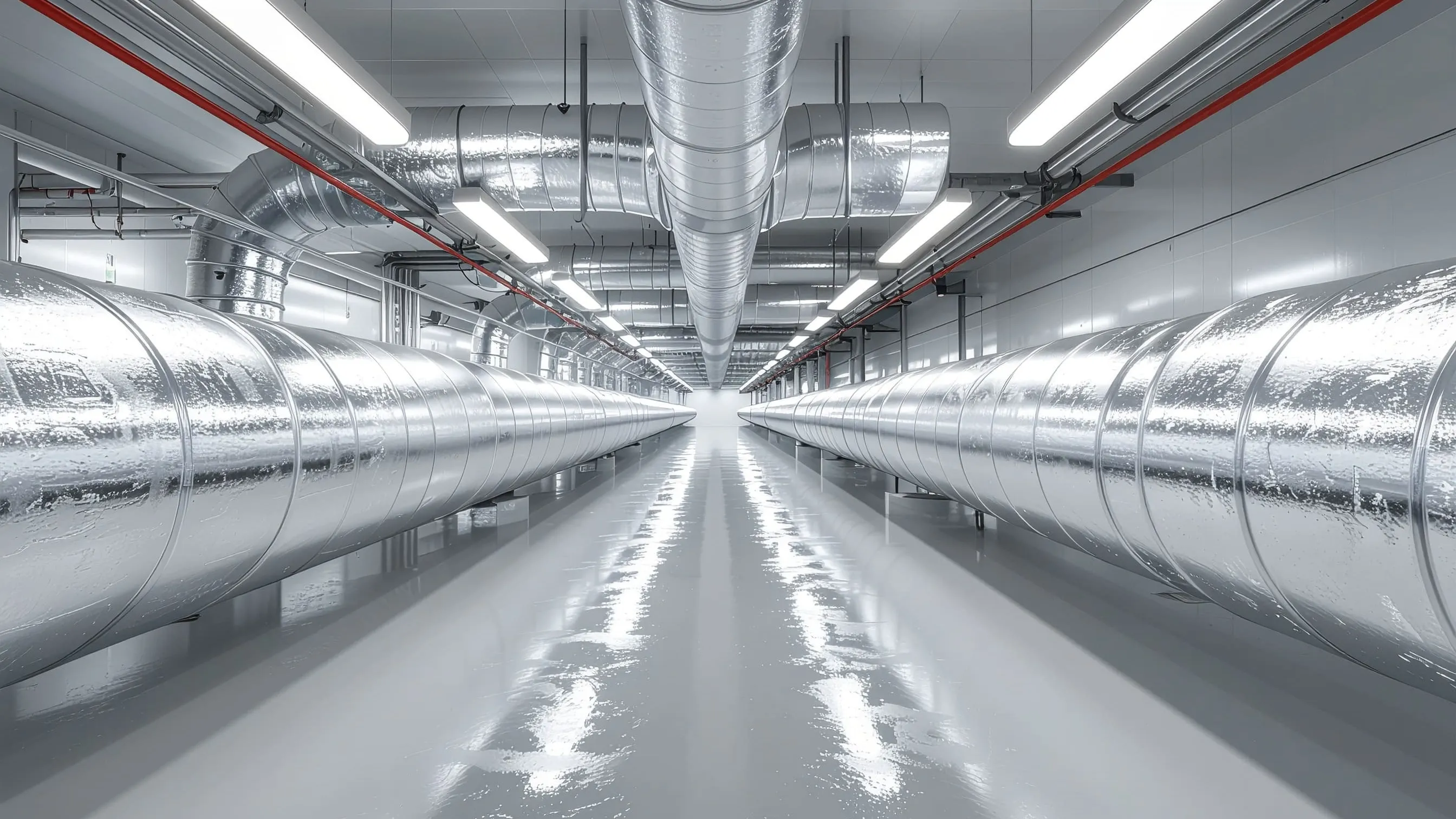
Selecting the correct materials for your plant room is a critical engineering decision. It protects your operational budget, your mechanical equipment, and your maintenance staff. Commercial boiler rooms generate massive amounts of thermal energy. If you leave your primary headers and distribution pipework bare, that valuable energy bleeds directly into the ambient air long before it reaches the intended radiators.
Choosing proper commercial boiler room thermal lagging completely traps this heat at the source. It prevents the plant room from turning into a suffocating oven. Understanding exactly which materials to specify for different temperatures and environments guarantees your facility operates efficiently and safely for decades.
The Financial and Operational Stakes
The physics of a plant room are incredibly straightforward. Heat always moves towards colder environments. An uninsulated steel pipe carrying boiling water will radiate massive amounts of expensive thermal energy continuously. A well-designed commercial boiler room thermal lagging setup contains this heat perfectly, drastically reducing the workload on your burners.
National Pumps and Boilers regularly advises facility managers that insulating bare headers is the absolute fastest way to slash utility bills. Beyond the financial waste, massive radiant heat destroys surrounding equipment. When a plant room exceeds 40 degrees Celsius, the circuit boards inside modern electronic pumps and control panels begin to melt and fail prematurely. Proper insulation keeps the aggressive heat strictly inside the pipe.
Evaluating Temperature Requirements
Different materials handle intense heat very differently. You must carefully match your insulation materials to the peak operating temperatures of your system. For primary commercial heating circuits, engineers heavily favour mineral wool pipe insulation. This fibrous material withstands incredibly high surface temperatures without degrading, shrinking, or catching fire.
If you are running a massive Vaillant commercial boiler array at 80 degrees Celsius, standard domestic foam will simply melt and emit toxic fumes. High-grade mineral wool pipe insulation maintains its structural integrity and its thermal resistance indefinitely under these aggressive conditions. Furthermore, it boasts exceptional Class O fire ratings, ensuring total compliance with strict UK commercial building regulations.
Managing Moisture and Condensation
Not every pipe in a commercial plant room carries boiling water. Many modern facilities incorporate chilled water networks alongside their heating plant to provide air conditioning. For these colder lines, nitrile rubber lagging provides the ultimate technical defence against moisture.
Because it possesses a completely closed-cell structure, nitrile rubber lagging stops water vapour from penetrating the material. If a chilled central heating system pump operates in a warm, humid boiler room, it will sweat profusely. If moisture penetrates the insulation, it condenses against the cold steel pipe and rots it from the inside out. Closed-cell elastomeric rubber prevents this devastating interstitial condensation entirely.
Calculating the Correct Insulation Thickness
Choosing the right material means nothing if the thickness is incorrect. You cannot just wrap a massive steel header in a thin layer of foam and expect elite performance. Engineers must calculate the exact thickness required based on the pipe's external diameter and the fluid's operating temperature.
This calculation relies entirely on the material's thermal conductivity coefficient. Building Regulations Part L and strict BS 5970 standards legally mandate specific insulation thicknesses to prevent excessive energy waste in commercial premises. Undersizing your insulation fails these strict energy audits and leaves your building highly vulnerable to radiant heat loss.
Mechanical Protection and Durability
Plant rooms are incredibly busy, hazardous mechanical environments. Soft insulation requires tough physical protection from ladders, heavy boots, and dropped tools. Applying high-temperature pipe cladding over the base insulation creates a rigid, impenetrable barrier.
If a maintenance engineer is servicing a remeha boiler, they might accidentally bump the surrounding pipework with heavy steel wrenches. Robust high-temperature pipe cladding absorbs the impact effortlessly. It prevents accidental rips that would otherwise destroy the delicate vapour barrier beneath. Using proper high-temperature pipe cladding also provides a very clean, professional finish that proves your facility is managed to elite commercial standards.
Protecting External and Rooftop Pipework
Commercial boiler rooms often feature pipework that travels outside the building or across rooftops. You must protect these external pipe runs from severe environmental threats. Direct ultraviolet solar radiation rapidly degrades basic foam and rubber insulation, turning it brittle and completely useless within months.
Engineers wrap external insulation in heavy-duty polyisobutylene (PIB) sheeting or rigid metal jackets to weatherproof the network. This protective outer layer stops UV degradation instantly. It also prevents birds from pecking away the soft insulation for nesting material. Proper weatherproofing guarantees your external pipes will never freeze and burst during harsh winter conditions.
Ultimate Defence with Metal Finishes
For the absolute highest level of mechanical protection, expert specifiers turn to metal. Installing aluminium cladding jacketing over your insulated headers guarantees decades of unbeatable durability. This premium metal shell protects against both severe physical impacts and atmospheric moisture ingress.
Massive andrews boilers often feature huge primary headers that demand this level of premium protection. Furthermore, aluminium cladding jacketing creates a highly hygienic, wipe-clean surface. This smooth finish prevents dust and debris from accumulating on the pipework. In elite healthcare or food manufacturing facilities, this sterile finish is an absolute operational necessity.
Acoustic Benefits of Proper Materials
Beyond trapping heat, heavy insulation acts as a brilliant acoustic dampener. Water rushing through steel pipes and high-speed impellers generates significant vibration. A proper commercial boiler room thermal lagging specification actually absorbs these sound waves before they can travel up the building structure.
A facility manager at a busy metropolitan hotel recently struggled with severe low-frequency hums vibrating through the guest floors. They wrapped the noisy basement headers in dense mineral wool pipe insulation and covered them with thick outer jackets. The dense material absorbed the acoustic vibrations instantly, stopping the guest complaints overnight. Sourcing the right pump and boiler supplies for acoustic reduction is just as vital as focusing on thermal retention.
Navigating Complex Plant Room Layouts
Massive brass isolation valves and steel flanges represent severe thermal weak points if ignored. Think of leaving a huge brass valve uninsulated like wearing a thick winter coat but walking outside barefoot in the snow. All of your body heat escapes straight through your feet.
You must use bespoke, removable thermal jackets for these awkward mechanical components. If you need to access your pump valve accessories for routine maintenance, a removable jacket allows quick access without destroying the surrounding nitrile rubber lagging. A complete commercial boiler room thermal lagging setup leaves absolutely zero hot metal exposed to the ambient air. It provides total thermal continuity across the entire network.
Conclusion
A flawless thermal insulation specification is a mandatory requirement for any modern commercial facility. It drastically lowers energy bills, prevents dangerous plant room overheating, and protects delicate electronic equipment from premature failure. You must always match your materials to the exact operating temperatures and moisture conditions of your network.
Whether you need rigid foil barriers for your heating lines or dense closed-cell rubber for your chilled water, professional engineering guidance is essential. If you need expert advice on specifying aluminium cladding jacketing or calculating the perfect insulation thickness for your site, Get Help Choosing the Right Product from our commercial engineering team today.