

How to Create an In-House Pump and Boiler Maintenance Schedule
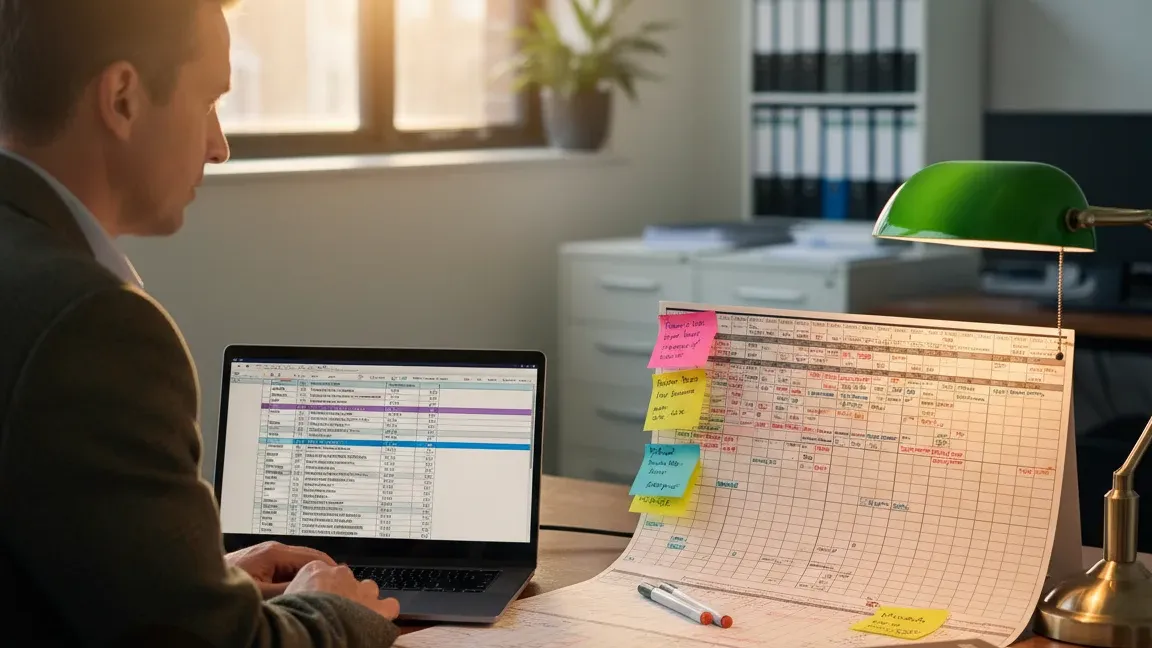
Unplanned equipment failures do not simply disrupt operations - they drain budgets, compromise safety, and shorten the working life of expensive heating systems. A maintenance schedule transforms reactive crisis management into predictable, cost-effective asset stewardship. For facilities managers and building owners, the difference between systematic maintenance and ad-hoc repairs often determines whether a commercial boiler lasts 10 years or 25. The most effective schedules are not the most complex - they represent the ones that actually get followed consistently.
Understanding the Value of Scheduled Maintenance
Why Reactive Maintenance Costs More
Emergency callouts typically cost 3-5 times more than planned service visits. When a circulator pump fails during peak heating demand, the premium pricing reflects weekend rates, expedited parts delivery, and the operational chaos of unscheduled downtime. A January boiler failure in a care home or hospital creates immediate safety concerns that dwarf the repair invoice.
Beyond direct repair costs, reactive maintenance compounds expenses through collateral damage. A failed pump seal that goes unnoticed floods mechanical rooms, damages electrical systems, and potentially ruins stock or equipment in adjacent spaces. The cascading costs of a single preventable failure often exceed an entire year's planned maintenance schedule budget.
Insurance implications add another financial dimension. Many commercial policies require documented maintenance programmes, with claims potentially denied if records do not demonstrate proper equipment care. Facilities operating without systematic schedules risk both higher premiums and reduced coverage when problems occur.
The Business Case for Preventive Schedules
Well-maintained heating systems consistently deliver 40-60% longer service lives than neglected equivalents. A Grundfos commercial pump designed for 15-year operation routinely exceeds 25 years when properly serviced, whilst identical units without regular attention fail within a decade. This lifespan extension dramatically improves return on capital investment.
Energy efficiency provides ongoing operational savings. Heating systems lose 1-2% efficiency annually without proper maintenance - a degradation that accumulates silently until energy bills become noticeably inflated. Regular cleaning, calibration, and component replacement maintains design efficiency levels, typically saving 15-25% on fuel costs compared to neglected systems.
Budget predictability represents another compelling advantage. Planned maintenance costs are known, scheduled, and controllable. Reactive repairs arrive as unwelcome surprises that disrupt capital plans and force difficult spending decisions. Finance directors consistently prefer the budgetary certainty that preventive schedules provide.
Assessing Your Current Equipment Inventory
Creating a Complete Asset Register
Effective maintenance begins with knowing exactly what equipment requires attention. Walk every mechanical room, boiler house, and plant space, documenting each pump, boiler, expansion vessel, valve, and control system. Record manufacturer names, model numbers, serial numbers, and installation dates from equipment nameplates.
Photograph each major component from multiple angles, capturing nameplate details, connection configurations, and surrounding context. These images prove invaluable when ordering replacement parts, briefing contractors, or training new maintenance staff. Digital photographs cost nothing but save hours of confusion later.
Document current condition honestly. Note existing leaks, corrosion, unusual noises, or operational quirks. This baseline assessment prevents future disputes about when damage occurred and helps prioritise early maintenance efforts on equipment in poorest condition. National Pumps and Boilers has supported hundreds of UK businesses in developing practical maintenance programmes that balance thoroughness with operational reality.
Create accessible digital records that maintenance staff can reference from mobile devices. Cloud-based spreadsheets or dedicated maintenance apps ensure information remains available during actual maintenance work, not trapped in filing cabinets or office computers.
Identifying Critical vs Non-Critical Systems
Not all equipment deserves equal attention. A single central heating pump serving an entire office building represents a critical single-point-of-failure demanding rigorous maintenance and potentially backup redundancy. A secondary circulation pump on a rarely-used zone poses minimal operational risk if it fails.
Assess each system's operational importance by asking: what happens if this fails tomorrow? Equipment whose failure halts operations, compromises safety, or violates regulations requires priority maintenance scheduling. Systems with built-in redundancy or minimal consequence from temporary failure can accept less frequent attention.
Consider seasonal demand variations. Heating equipment obviously becomes critical during winter months, whilst summer represents ideal timing for major overhauls. Conversely, DHW pumps serving domestic hot water maintain year-round importance in hospitality and healthcare settings.
Document dependencies between systems. A pressurisation unit failure might not immediately halt heating, but the resulting pressure loss will cause system shutdown within hours. Understanding these relationships helps prioritise maintenance scheduling and informs emergency response planning.
Determining Maintenance Frequencies
Manufacturer Recommendations as Your Baseline
Every reputable manufacturer publishes recommended service intervals for their equipment. These schedules reflect engineering knowledge about component wear rates, fluid degradation, and reliability patterns. Manufacturer recommendations provide scientifically-grounded starting points for your maintenance schedule.
Locate service manuals for all major equipment - most manufacturers now provide downloadable PDFs on their websites. If original documentation is unavailable, contact suppliers or manufacturers directly. Wilo pumps, for example, maintain comprehensive technical libraries with detailed maintenance guidance.
Warranty compliance often mandates specific service intervals. Skipping recommended maintenance typically voids warranties, leaving facilities financially exposed if major failures occur during the coverage period. Document all maintenance activities with dated records and technician signatures to protect warranty rights.
Adjust manufacturer baselines based on specific operating conditions. Equipment running continuously experiences different wear patterns than systems operating intermittently. Harsh water chemistry, dusty environments, or extreme temperature cycling all accelerate degradation and may justify more frequent servicing.
Task-Based Scheduling Categories
Organise maintenance activities by frequency to create manageable routines:
Daily checks require minimal time but catch developing problems early. Visual inspections of pressure gauges, temperature displays, and leak indicators take minutes but prevent catastrophic failures. Listen for unusual noises, check for new vibrations, and verify normal operating sounds.
Weekly tasks include water quality testing for boilers, safety valve function verification, and control system checks. These 15-30 minute activities ensure critical safety systems remain operational and water chemistry stays within acceptable parameters.
Monthly maintenance addresses consumables and routine servicing. Filter changes, lubrication of moving parts, seal inspections, and cleaning of strainers prevent gradual performance degradation. Budget 1-2 hours monthly per major system.
Quarterly servicing provides comprehensive system evaluation. Efficiency testing, calibration verification, detailed inspections, and performance trending identify developing issues before they cause failures. Professional contractors often handle quarterly tasks requiring specialised equipment.
Annual overhauls represent major maintenance events. Deep cleaning, component replacement based on wear indicators, professional inspections, and compliance testing ensure systems remain safe and efficient. Schedule annual work during low-demand periods when equipment downtime causes minimal disruption.
Building Your Maintenance Task Library
Pump-Specific Maintenance Tasks
Central heating pumps require bearing lubrication every 6-12 months depending on operating hours. Over-lubrication damages seals as surely as under-lubrication damages bearings - follow manufacturer specifications precisely. Check for bearing noise during operation; grinding or squealing indicates imminent failure.
Inspect mechanical seals quarterly for weeping or dripping. Minor seal weepage often indicates improper installation or alignment rather than seal failure. Check pump alignment and correct minor issues before replacing seals unnecessarily. Clean pump strainers monthly to prevent debris accumulation that restricts flow and damages impellers.
Monitor pump vibration using simple handheld analysers or smartphone apps. Establish baseline vibration signatures for each pump, then track changes over time. Sudden vibration increases indicate bearing wear, impeller damage, or mounting problems requiring immediate attention.
Verify electrical connections remain tight and corrosion-free. Loose connections create resistance, generate heat, and eventually fail. Thermographic imaging during annual inspections identifies hot connections before they cause problems.
Boiler Maintenance Essentials
Combustion analysis provides the single most valuable boiler performance indicator. Annual flue gas analysis measures efficiency, identifies combustion problems, and ensures safe operation. Efficiency losses of 5-10% often occur gradually, invisible without testing but costing thousands in wasted fuel.
Water treatment requires constant attention. Test boiler water chemistry weekly, adjusting treatment chemicals to maintain proper pH, alkalinity, and dissolved oxygen levels. Poor water chemistry causes scale formation, corrosion, and eventual boiler failure - problems that develop slowly but prove expensive to remedy.
Safety device testing represents non-negotiable maintenance. Pressure relief valves, high-limit controls, low-water cutoffs, and flame safeguard systems protect lives and property. Test each safety system quarterly under controlled conditions to verify proper function. Document every test with dated records.
Creating Your Schedule Template
Choosing the Right Scheduling System
Paper-based schedules work effectively for small facilities with limited equipment. Printed checklists, wall calendars, and filing systems provide tangible accountability and require no technology investment. However, paper systems struggle with complexity, offer limited reporting capability, and rely entirely on manual discipline.
Digital spreadsheets represent an intermediate solution. Cloud-based platforms enable mobile access, automated reminders, and basic reporting whilst remaining simple and inexpensive. Spreadsheet systems scale reasonably well to medium-sized facilities but lack sophisticated features like automated work order generation.
Computerised Maintenance Management Systems (CMMS) provide comprehensive functionality for larger operations. These platforms automate scheduling, track parts inventory, generate work orders, analyse performance trends, and produce compliance records. CMMS investment makes sense when managing dozens of assets across multiple locations.
Meter-based scheduling triggers maintenance based on actual equipment usage rather than calendar intervals. Hour meters on pumps and boilers enable precise scheduling aligned with manufacturer recommendations stated in operating hours. This approach optimises maintenance timing but requires reliable metering and disciplined record-keeping.
Assigning Responsibilities and Accountability
Designate primary responsibility for each maintenance task to specific individuals. Vague collective responsibility ensures nothing gets done consistently. Clear assignments create accountability - everyone knows who performs each task and when it becomes due.
Identify backup personnel for every critical maintenance activity. Holiday absences, illness, and staff turnover should not derail maintenance schedules. Cross-train team members so at least two people can competently perform each essential task.
Match task complexity to staff competency. Simple visual inspections and basic checks suit junior staff or general facilities personnel. Complex diagnostics, efficiency testing, and major component replacement require qualified heating engineers or specialist contractors.
Document required qualifications for each maintenance category. Gas Safe registration is mandatory for boiler work - not optional. Electrical work requires appropriate certification. Pressure system inspections may need specific competency credentials. Ensure assigned personnel hold necessary qualifications before authorising work.
Implementing Your Schedule
The First 90 Days: Establishing Routines
Launch the maintenance schedule with comprehensive baseline assessments of all equipment. Document current condition, performance metrics, and any existing problems. This initial survey establishes benchmarks for measuring future improvement and identifies urgent issues requiring immediate attention.
Start with daily and weekly tasks to build routine habits before adding less frequent activities. Consistent execution of simple, frequent tasks creates momentum and demonstrates the schedule's value. Success with basic routines builds confidence for tackling more complex quarterly and annual maintenance.
Expect to discover deferred maintenance during initial inspections. Years of reactive-only maintenance create backlogs of minor issues that accumulate into major problems. Budget contingency funds for addressing discovered deficiencies - fixing these problems represents investment in future reliability, not waste.
Communicate the schedule's purpose and benefits clearly to all stakeholders. Maintenance staff need to understand how systematic schedules improve their working lives by preventing crisis situations. Building occupants deserve to know that planned maintenance activities serve their comfort and safety.
Documentation and Record-Keeping
Maintain detailed documentation requirements records of every maintenance activity performed. Document dates, tasks completed, parts replaced, measurements taken, and technician names. These records prove invaluable for warranty claims, insurance requirements, troubleshooting recurring problems, and demonstrating regulatory compliance.
Standardise documentation formats using pre-printed checklists or digital forms. Consistent formats ensure nothing gets overlooked and make records easier to review later. Include spaces for actual measurements, not just tick-boxes - numerical data reveals performance trends that checkmarks cannot.
Photograph equipment before and after major maintenance activities. Visual documentation proves work completion, captures component condition, and provides reference for future maintenance. Modern smartphones make photographic documentation essentially free and instantly available.
Lowara and other quality manufacturers provide maintenance log templates in their documentation that can be adapted for specific installations.
Monitoring and Continuous Improvement
Key Performance Indicators to Track
Schedule adherence rates measure whether planned maintenance actually occurs on time. Track completion percentages weekly and investigate any tasks consistently falling behind schedule. Persistent non-completion indicates unrealistic scheduling, insufficient resources, or accountability problems requiring correction.
Equipment failure rates reveal maintenance effectiveness. Count unplanned failures monthly and trend the data over time. Effective preventive maintenance should steadily reduce emergency repairs. Increasing failure rates signal inadequate maintenance frequencies or deteriorating equipment approaching end-of-life.
Maintenance cost trends identify budget impacts and efficiency opportunities. Track labour hours, parts costs, and contractor expenses monthly. Unexplained cost increases warrant investigation - they often indicate developing equipment problems or inefficient maintenance practices.
Energy consumption patterns provide sensitive indicators of equipment health and maintenance effectiveness. Establish baseline consumption figures for different operating conditions, then monitor for unexplained increases. Rising energy use often precedes equipment failure by months, providing early warning of developing problems.
Compliance and Safety Considerations
Gas Safe regulations mandate annual inspections of commercial gas-fired boilers by registered engineers. These inspections verify safe operation, proper ventilation, and correct combustion performance. Document every inspection with dated certificates retained for regulatory audits.
Insurance policies typically require documented maintenance programmes as coverage conditions. Review policy requirements carefully and ensure the maintenance schedule addresses all specified activities. Provide insurers with compliance records annually to demonstrate compliance and potentially negotiate premium reductions.
For guidance on developing maintenance schedules tailored to specific heating and pumping systems, Contact Us to discuss requirements with experienced specialists who can recommend effective approaches.