

How to Establish Performance Baselines for Long-Term Monitoring
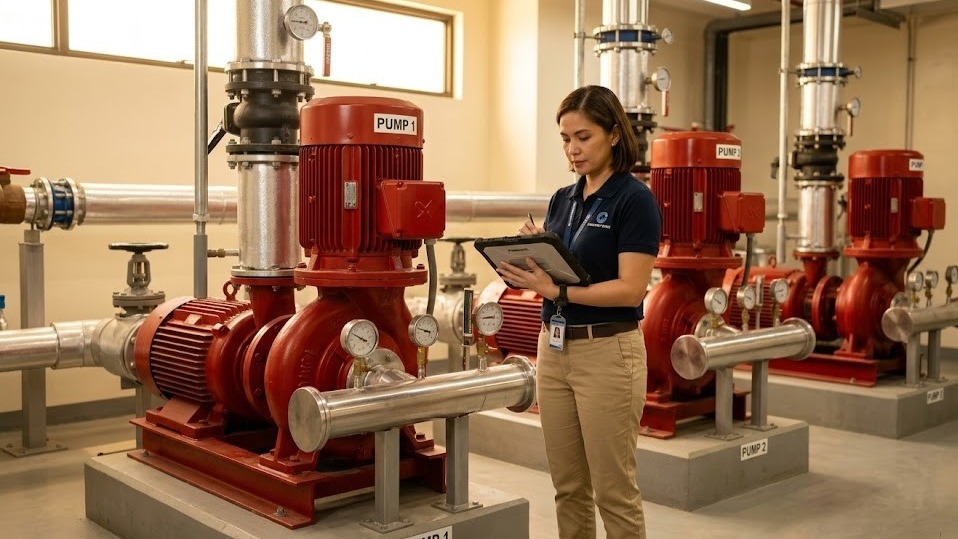
Heating systems and pump installations rarely fail overnight. Performance degradation occurs gradually - flow rates drop by 5%, energy consumption creeps up by 8%, pressure differentials shift by 0.2 bar. Without documented baselines, these changes remain invisible until a complete failure forces an emergency callout.
Establishing accurate pump performance baselines transforms reactive maintenance into predictive system management. National Pumps and Boilers supplies commercial and industrial pump systems across the UK, and the most reliable installations share one characteristic: comprehensive baseline documentation from day one. This approach reduces unplanned downtime by up to 60% and extends equipment service life by 3-5 years.
Why Pump Performance Baselines Matter
A central heating system commissioned without baseline measurements operates in a technical vacuum. When a facilities manager reports "the pump isn't working properly," the question becomes: compared to what? Without reference data, even experienced heating engineers struggle to distinguish normal operational variance from genuine degradation.
Three Critical Functions
Warranty Protection: Manufacturers require documented commissioning data to validate warranty claims. A Grundfos commercial circulator experiencing premature bearing failure needs baseline flow rate, head pressure, and power consumption data to prove the unit operated within specified parameters.
Predictive Maintenance: Trending analysis identifies component wear before failure occurs. A gradual 15% increase in power draw over 18 months indicates bearing wear or impeller fouling - problems that cost £200 to address proactively versus £3,500 for emergency replacement and consequential damage.
Energy Management: Building Regulations Part L requires heating systems to operate efficiently. Baseline energy consumption data enables facilities teams to quantify savings from system optimisation and identify efficiency losses that increase operating costs by 20-30% annually.
Essential Parameters for Pump Performance Baselines
Comprehensive baseline documentation captures seven critical performance indicators. Each parameter reveals specific system characteristics and potential failure modes.
Flow Rate and Head Pressure
Flow rate (measured in litres per second or m³/h) and head pressure (measured in metres or bar) define the pump's hydraulic performance. These baseline pump measurements must be taken at the pump discharge point using calibrated instruments - not estimated from nameplate data.
For a typical commercial DHW pump installation serving a 200-bedroom hotel, baseline flow rate might measure 4.2 l/s at 3.8 metres head. Six months later, a measurement of 3.7 l/s at 3.8 metres indicates developing system restrictions or impeller wear.
Document both design flow rate and actual measured flow rate. The difference reveals system resistance characteristics and helps diagnose future performance changes.
Electrical Parameters
Power consumption, voltage, and current draw indicate motor health and hydraulic loading. A Wilo Stratos GIGA circulator rated at 1.5kW should draw approximately 6.5A at 230V under normal operating conditions. Baseline measurements establish the normal operating envelope.
Record these electrical parameters:
- Voltage (V) across all three phases for three-phase motors
- Current draw (A) for each phase
- Power consumption (kW) measured with a power meter
- Power factor (where applicable)
A 20% increase in current draw with stable flow rate indicates bearing wear or motor winding degradation. A 15% decrease in current with reduced flow rate suggests system blockages or valve failures.
Temperature Differential
The temperature difference between pump inlet and outlet reveals system heat load and circulation effectiveness. For central heating applications, a typical baseline might show 11°C differential across the system (flow at 75°C, return at 64°C).
Significant changes in temperature differential indicate system imbalance, control valve failures, or heat emitter fouling. A narrowing differential (75°C flow, 70°C return) suggests short-cycling or inadequate heat distribution. A widening differential (75°C flow, 58°C return) indicates excessive system resistance or reduced flow rate.
System Pressure
Static pressure, dynamic pressure, and differential pressure measurements establish the hydraulic baseline. These measurements require accurate pressure gauges installed at specific system points.
Key pressure measurements include:
- Static fill pressure (typically 1.0-1.5 bar for domestic systems, 2.0-4.0 bar for commercial installations)
- Pump suction pressure
- Pump discharge pressure
- System differential pressure across critical circuits
A gradual increase in differential pressure (from 0.8 bar to 1.2 bar over 12 months) indicates developing system restrictions from scale formation or debris accumulation.
Vibration and Noise Levels
Mechanical condition affects reliability and service life. Baseline vibration measurements (in mm/s RMS) identify developing bearing wear, shaft misalignment, or cavitation issues months before audible symptoms appear.
Use a vibration meter to record measurements at the pump bearing housings in three planes: horizontal, vertical, and axial. For a standard commercial circulator, baseline vibration typically measures 1.5-2.5 mm/s RMS. Readings above 4.5 mm/s indicate developing mechanical problems requiring investigation.
Noise levels measured in dBA provide a secondary indicator of mechanical condition and help identify cavitation, air entrainment, or hydraulic turbulence.
Establishing Baseline Measurements: Step-by-Step Protocol
Accurate baseline pump measurements require systematic measurement procedures following commissioning completion. This protocol ensures consistency across multiple installations and enables valid long-term comparisons.
Timing and System Conditions
Establish baselines after the system reaches thermal equilibrium - typically 4-6 hours of continuous operation at design conditions. For heating systems, this means outdoor temperatures requiring full heat output. For DHW systems, measure during peak demand periods.
Record ambient conditions alongside performance data:
- Outdoor temperature
- Indoor temperature in served spaces
- System operating mode (heating/DHW/cooling)
- Control settings and setpoints
- Valve positions for critical circuits
These contextual details enable future measurements under comparable conditions.
Instrumentation Requirements
Professional-grade instruments deliver the accuracy needed for meaningful long-term trending. Consumer-grade equipment lacks the precision to detect gradual performance changes.
Ultrasonic Flow Meter: Clamp-on ultrasonic meters measure flow rate non-invasively with ±2% accuracy. Permanent installation of flow measurement points costs £800-1,200 but eliminates repeated commissioning expenses.
Differential Pressure Gauge: Digital manometers with 0.01 bar resolution enable accurate pressure measurements across pump sections and system circuits.
Power Meter: True RMS power meters capture accurate electrical consumption, including power factor and harmonic distortion. Single-phase meters cost £150-300; three-phase units run £400-800.
Infrared Thermometer: Non-contact temperature measurement (±0.5°C accuracy) enables quick temperature profiling across multiple system points.
Vibration Meter: Accelerometer-based vibration meters (£300-600) detect mechanical degradation before failure occurs.
Documentation Standards
Baseline data loses value without proper documentation. Create a commissioning record that includes:
- Installation details (pump model, motor size, impeller diameter, speed setting)
- Measured performance parameters (all seven critical indicators)
- System conditions during measurement
- Instrument calibration dates and serial numbers
- Photographic documentation of gauge readings
- System schematic with measurement point locations
Store documentation in both physical and digital formats. Cloud-based maintenance management systems enable trending analysis and automated alert generation when subsequent measurements deviate from baselines.
Creating Effective Trending Protocols
Pump performance baselines become valuable through systematic comparison with periodic performance checks. Effective trending protocols balance measurement frequency against resource requirements.
Measurement Frequency
Different parameters require different monitoring intervals:
Daily:
- Visual inspection for leaks, unusual noise, or vibration
- Power consumption via building management system
Weekly:
- System pressure readings
Monthly:
- Flow rate verification
- Temperature differential measurements
Quarterly:
- Electrical parameter verification
- Vibration measurements
Annually:
- Comprehensive baseline recreation
- Detailed performance analysis
Bi-annually:
- Trending review and predictive maintenance planning
High-value or critical systems justify more frequent monitoring. A Lowara booster set serving a hospital operating theatre requires weekly checks; a secondary heating circuit in an office building needs only quarterly verification.
Acceptable Deviation Thresholds
Establish alert thresholds that trigger investigation before performance degradation causes system failure:
- Flow Rate: ±10% deviation warrants investigation; ±15% requires immediate action
- Power Consumption: +15% increase indicates developing problems
- Vibration: +50% increase from baseline suggests bearing wear
- Pressure Differential: ±20% change indicates system restriction or pump wear
- Temperature Differential: ±15% variation suggests control or distribution issues
These thresholds reflect typical commercial heating system tolerances. Critical applications require tighter limits; less critical systems may accept wider variance.
Integrating Baselines with Building Management Systems
Modern building management systems (BMS) automate baseline monitoring and trending analysis. Integration requires upfront investment but delivers substantial long-term value for commercial installations.
Sensor Integration
Permanent installation of flow meters, pressure transducers, and temperature sensors enables continuous monitoring without manual intervention. A typical commercial heating system requires:
- Flow meter on main heating circuit (£800-1,500 installed)
- Differential pressure transducer across the pump (£200-400)
- Flow and return temperature sensors (£150-300 total)
- Power monitoring via motor control panel (£300-600)
Total instrumentation costs run £1,500-2,800 per pump installation, with payback periods of 2-4 years through reduced maintenance costs and energy savings.
Automated Alerting
BMS integration enables automated performance monitoring with exception-based alerts. Configure the system to flag deviations exceeding acceptable thresholds:
- Email alerts when the flow rate drops below 90% of the baseline
- SMS notifications for vibration levels exceeding 150% of baseline
- Dashboard warnings when power consumption increases 15% above baseline
This approach focuses maintenance attention on developing problems rather than routine checks of properly functioning equipment.
Common Baseline Establishment Mistakes
Even experienced heating engineers make baseline documentation errors that undermine long-term monitoring effectiveness.
Measuring at Wrong Operating Conditions
Establishing baselines during partial-load operation creates misleading reference data. A pump operating at 60% speed during mild weather performs differently from the same unit at full design conditions. Always measure at design load or document operating conditions precisely.
Using Nameplate Data Instead of Measurements
Manufacturer specifications represent ideal performance, not actual installation conditions. System resistance, pipe sizing, and control valve settings affect real-world performance. Measured baselines reflect actual operating characteristics.
Inadequate Documentation
Recording "pump running normally" provides no useful reference data. Comprehensive documentation includes specific measurements, operating conditions, and contextual details enabling valid future comparisons.
Single-Point Measurements
One-time measurements don't account for operational variance. Take three measurements over 30-45 minutes and average the results. This approach eliminates transient effects from control cycling or temporary load changes.
Ignoring Seasonal Variations
Heating system performance varies with outdoor temperature and system load. Establish pump performance baselines at both peak winter conditions and shoulder season operation to understand full performance range.
Long-Term Value of Performance Baselines
Systematic baseline documentation and trending analysis transform maintenance from reactive repair to predictive system management. A facilities team managing 40 commercial buildings across the UK implemented comprehensive baseline protocols in 2019. Over five years, they documented:
- 58% reduction in emergency pump failures
- 34% decrease in total maintenance costs
- £47,000 annual energy savings from early detection of efficiency losses
- 4.2-year average increase in pump service life
The initial investment in instrumentation and documentation protocols paid back within 18 months through avoided emergency callouts and extended equipment life.
For building services professionals, baseline pump measurements represent the foundation of reliable, efficient heating and hot water systems. The difference between a well-managed installation and a problematic system often comes down to documentation quality and systematic monitoring protocols.
Conclusion
Establishing comprehensive pump performance baselines requires systematic measurement of flow rate, head pressure, electrical parameters, temperature differential, system pressure, vibration, and noise levels under documented operating conditions. This baseline data enables predictive maintenance, validates warranty claims, and supports energy management initiatives.
Professional instrumentation, consistent measurement protocols, and proper documentation transform baseline data into actionable intelligence that extends equipment life and reduces operating costs. For commercial and industrial installations, the investment in baseline establishment delivers returns through reduced downtime, lower maintenance costs, and improved system reliability.
Accurate baseline pump measurements provide the foundation for long-term monitoring programmes that predict failures before they occur. For guidance on establishing performance baselines for specific pump installations or assistance in selecting appropriate monitoring equipment, contact us for expert support tailored to your facility requirements.