

How to Fix Low Pressure Problems in a Cold Water Booster System
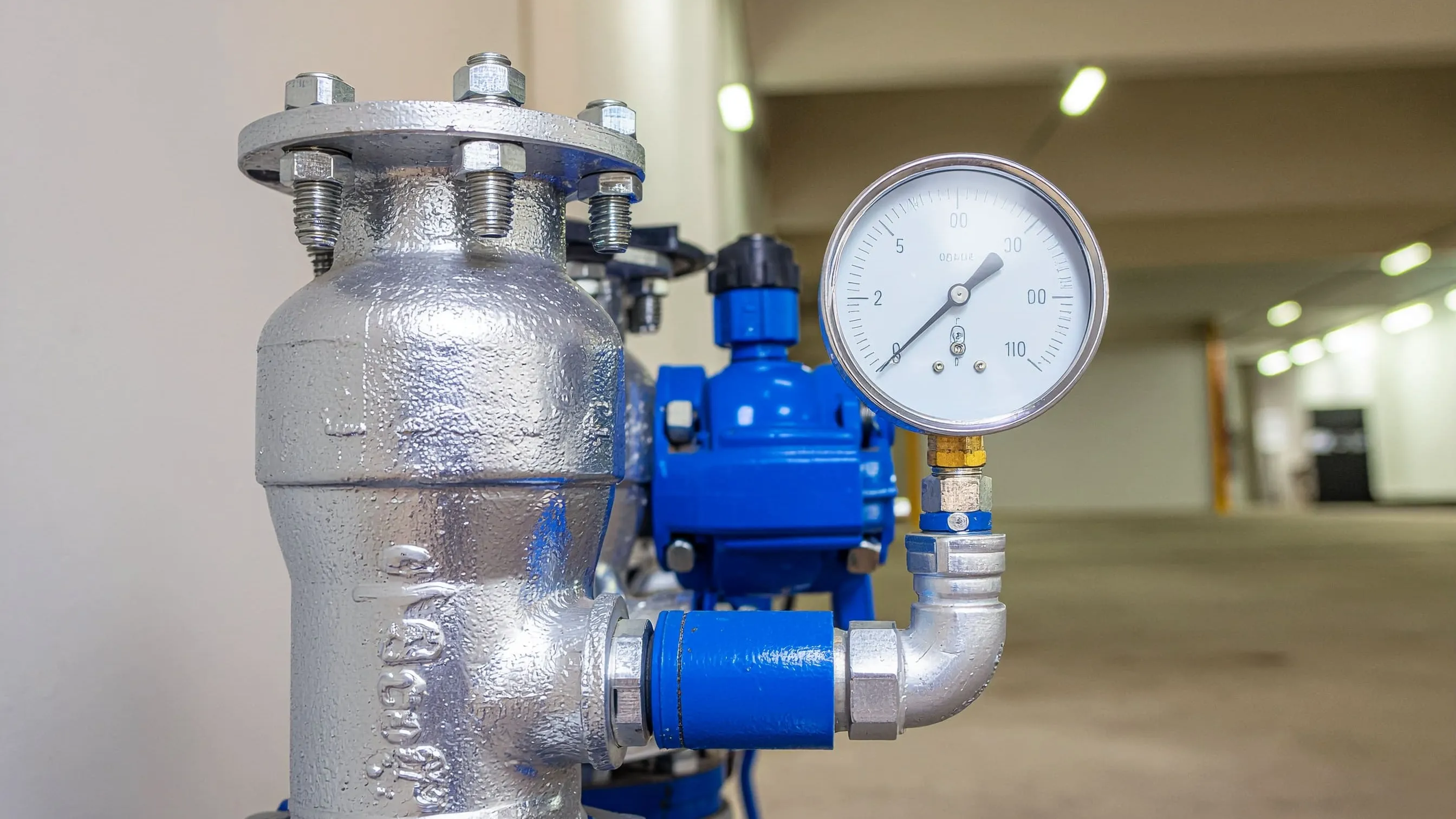
Low water pressure disrupts building operations across commercial premises, healthcare facilities, and multi-storey residential developments. When a cold water booster system fails to maintain adequate pressure, consequences range from poor shower performance on upper floors to complete shutdown of critical processes dependent on consistent water supply. Understanding the systematic approach to diagnosing and resolving cold water booster low pressure problems saves significant time, reduces costs, and restores reliable water supply without unnecessary component replacement.
Cold water booster sets have a straightforward purpose - increasing incoming mains pressure to levels sufficient for tall buildings or high simultaneous demand sites. When these systems underperform, the fault typically lies within a handful of identifiable components or conditions. Methodical booster system diagnosis consistently outperforms the alternative of replacing parts speculatively, which often resolves the visible symptom without addressing the underlying cause and leaves replacement costs accumulating without guaranteed resolution.
Understanding Cold Water Booster System Fundamentals
A typical cold water booster installation comprises multiple centrifugal pumps arranged in duty/standby or duty/assist configuration, one or more pressure vessels, pressure transducers or switches, and control panels managing pump operation sequence. The system monitors outlet pressure continuously, starting pumps as demand increases and stopping them when pressure recovers to the cut-out setpoint.
Modern installations increasingly feature variable speed drives controlling pump motors, adjusting rotation speed to match real-time demand precisely. Older fixed-speed systems rely on pressure switches and staged pump activation sequences. Both approaches aim to maintain outlet pressure within a defined operating range - commonly between 3.0 and 4.5 bar for typical multi-storey commercial buildings, though specifications vary significantly according to building height, occupancy, and end-use fixture requirements.
The pressure vessel performs a critical buffering function that is often underappreciated until it fails. It provides a cushion of pre-charged air that prevents rapid pump cycling by allowing pressure to drop gradually as water draws from the system. This gradual pressure decay gives the control system time to respond proportionately rather than triggering pump starts with every minor demand fluctuation. Loss of this buffering capacity is one of the most frequent contributors to cold water booster low pressure complaints, even where the pumps themselves remain mechanically sound.
Primary Causes of Low Pressure in Booster Systems
Insufficient pump capacity represents the most fundamental cause of persistent low pressure. If building demand has increased since the original installation - through additional floors, changed occupancy patterns, or new high-flow fixtures added without reassessing system capacity - the existing pumps may simply lack the flow rate or head performance to maintain pressure during peak periods. Pump wear compounds this problem progressively, as impeller erosion and bearing deterioration reduce hydraulic output over years of continuous operation.
Pressure vessel failure manifests in two distinct ways that produce similar symptoms. Loss of air pre-charge causes the vessel to become waterlogged, eliminating its buffering capacity entirely and forcing pumps to cycle rapidly whilst struggling to build and maintain pressure. A ruptured bladder in diaphragm-type vessels allows air and water to mix, creating similar operational symptoms alongside characteristic pump short-cycling behaviour.
Control system faults prevent pumps from starting when pressure drops or cause premature shutdown before the system has fully recovered. Pressure switch contacts corrode or drift out of calibration over time. Pressure transducers fail or begin providing inaccurate readings that cause incorrect pump sequencing decisions. Control panel relay failures interrupt pump circuits entirely. These electrical and electronic fault modes often prove more elusive than mechanical failures during booster system diagnosis but account for a substantial proportion of cold water booster low pressure complaints in systems with otherwise sound mechanical components.
Incoming mains supply pressure variation directly affects booster performance in ways that are not always immediately obvious. If the water company's network pressure drops - particularly during peak demand periods on hot summer days or in high-density urban areas - the booster system works from a lower baseline than its design assumed. A system sized around 2.0 bar incoming supply struggles to meet performance specifications when dynamic mains pressure falls to 1.2 bar, especially where pumps were originally specified with minimal safety margin.
System leakage creates continuous demand that depletes booster capacity without registering as identifiable fixture use. A dripping tap wastes approximately 15 litres daily, but a leaking WC cistern can waste 200-400 litres. Multiplied across the fixtures in a large commercial building, cumulative leakage means pumps run continuously whilst failing to build adequate pressure - a pattern that confirms significant leakage is present before detailed leak-finding investigation begins.
Step-by-Step Diagnostic Process
Begin pump performance diagnosis by recording baseline pressure measurements at multiple points in the system. Check outlet pressure at the booster set itself using a calibrated test gauge, then measure at various draw-off points throughout the building - particularly at the highest and most remote locations. Note static pressure with no water flowing alongside dynamic pressure during representative usage periods. Comparing these readings identifies where in the system pressure is being lost.
Observe pump operation directly rather than relying solely on control panel displays. Do pumps start promptly when system pressure drops? Do they reach full operating speed? Listen carefully for cavitation (rattling or gravel-like noise), bearing deterioration (rhythmic clicking or rumbling), or air entrainment. Check motor current draw against nameplate ratings using a clamp meter - significantly low current suggests reduced mechanical load from impeller damage, whilst high current may indicate bearing binding or electrical supply problems.
Inspect the pressure vessel systematically. Isolate the vessel from the system using its isolation valve, drain it completely, then measure air pressure at the Schrader valve. Pre-charge should sit 0.2-0.5 bar below the pump cut-in pressure. If no air pressure registers, the bladder has failed or the vessel has lost its pre-charge entirely. On older galvanised vessels without bladders, tap the side whilst listening - a dull thud indicates waterlogging rather than the hollow ring of a properly charged vessel.
Grundfos variable speed booster systems include diagnostic displays showing real-time pressure sensor readings, pump speed percentages, and fault event logs with timestamps - information that significantly accelerates cold water booster low pressure diagnosis by revealing patterns in fault occurrence that manual inspection cannot easily identify.
Verify control settings by checking pressure switch cut-in and cut-out setpoints, or examining pressure transducer calibration and controller parameters against the original commissioning documentation. Many low pressure problems stem from incorrectly adjusted controls rather than mechanical failure - a quick parameter check before any physical investigation prevents unnecessary dismantling of perfectly functional equipment.
Analyse demand patterns by noting when pressure problems occur. If low pressure coincides reliably with specific periods - morning peak arrival, lunch periods, or evening usage - demand likely exceeds system capacity during those windows. If pressure remains consistently low regardless of time and building occupancy, mechanical deterioration or mains supply issues dominate as the probable cause.
Resolving Common Low Pressure Issues
Pressure switch adjustment resolves many fixed-speed system problems where controls have drifted from specification. Locate the pressure switch on the pressure vessel or nearby pipework and identify the adjustment screws - the differential screw controls the gap between cut-in and cut-out pressures, whilst the range screw shifts both thresholds simultaneously. Increase cut-in pressure by turning the range screw clockwise in small quarter-turn increments, testing system response after each adjustment. Avoid setting cut-in pressure too close to maximum pump head, as this prevents pumps from reaching cut-out and causes continuous running without pressure recovery.
Pressure vessel re-pressurisation is one of the most cost-effective solutions when loss of pre-charge is confirmed as the cause. Isolate the vessel using its isolation valve, open a drain point to remove all water, then connect a suitable pump to the Schrader valve. Charge the vessel to the specified pre-charge pressure - typically 0.3 bar below pump cut-in pressure. For a system with 2.5 bar cut-in, charge to 2.2 bar. Close the drain, reopen the isolation valve, and monitor system behaviour. If the vessel immediately waterlogs again or pressure will not hold, bladder replacement or full vessel replacement becomes necessary.
Lowara booster pumps feature readily serviceable internal components, making impeller replacement economically viable compared to full pump replacement where the motor and casing remain in serviceable condition - a practical cost consideration when pump performance diagnosis confirms hydraulic deterioration in ageing impellers that are the sole cause of output reduction.
Demand management tackles cold water booster low pressure caused by capacity limitations when immediate system upgrades are not feasible. Identifying and repairing leaks aggressively across the building distribution system provides the most immediate capacity recovery, as even moderate leakage accumulates into significant continuous demand. In commercial settings, staggering water-intensive processes that can be time-shifted reduces simultaneous demand peaks as an interim measure whilst capacity upgrade planning proceeds.
Mains supply enhancement requires direct engagement with the water company where incoming pressure proves fundamentally inadequate. Document pressure measurements across multiple demand periods, demonstrating how supply variations translate into building pressure failures. Water companies maintain minimum statutory supply pressures and may offer network solutions for properties with documented exceptional requirements. Installing a break tank and booster arrangement eliminates direct dependency on mains pressure variation entirely, providing consistent pump suction conditions regardless of network fluctuations.
Central heating systems in the same building complex sometimes reveal pressure problems attributable to cross-service interactions - incorrectly configured shared risers or common plant room arrangements that affect cold water supply conditions. Reviewing the complete building services layout during booster system diagnosis prevents misdiagnosis where the apparent cold water system fault actually originates in an adjacent service.
Preventative Maintenance to Avoid Pressure Problems
Regular booster system inspection schedules catch developing problems before they cause supply failure. Monthly visual checks should confirm pumps start and stop correctly, verify pressure gauge readings fall within established normal ranges, check for obvious leaks or unusual operational noise, and confirm control panel indicators show no active alarms or logged faults. These brief monthly checks cost very little in resource but catch the early indicators of most developing failure modes.
Quarterly inspections add pressure vessel pre-charge verification, control panel checks for loose connections or signs of overheating, and representative flow testing to confirm the system delivers design capacity under controlled conditions. Comparing quarterly flow test results over time creates a performance trend that reveals gradual hydraulic deterioration far earlier than waiting for occupant low pressure complaints.
Wilo booster control systems incorporate built-in wear monitoring that tracks pump performance metrics against baseline values, flagging developing deterioration through the controller display or BMS connection - a useful early warning capability that supplements scheduled manual inspection with continuous automated monitoring between visits.
Annual maintenance creates the opportunity for thorough performance assessment. Measure and record pump performance curves, comparing current hydraulic output against manufacturer specifications and previous annual test results. This long-term trending identifies gradual impeller or bearing deterioration requiring planned intervention. Component replacement intervals depend on water quality and duty cycle intensity, but standard guidelines suggest: pressure vessel bladders 5-10 years, mechanical seals 3-7 years, pressure switches and transducers 8-12 years.
When to Replace Rather Than Repair
Economic analysis should govern repair versus replacement decisions rather than default preference for either option. Calculate the total cost of required repairs including parts, labour, and system downtime, then compare against current replacement cost for modern equivalent equipment. Factor in the age and condition of components not currently requiring repair - replacing one pump in a 15-year-old booster set may prove false economy when the second pump, pressure vessel, and control electronics all approach end-of-life within the following 2-3 years.
System obsolescence extends beyond simple component age. Fixed-speed booster sets from the 1990s and early 2000s may continue operating reliably whilst consuming significantly more energy than modern variable speed alternatives. The payback period from replacement through energy savings alone often falls within 3-5 years for systems running at near-continuous duty. DAB variable speed booster packages achieve energy reductions of 30-60% compared to fixed-speed equivalents in typical commercial applications, making replacement financially compelling on energy grounds alone before factoring in improved reliability and remote monitoring capability.
Capacity limitations provide a clear replacement trigger when cold water booster low pressure problems originate from undersizing rather than component deterioration. Repairs that restore a system to its original capacity do not address the fundamental mismatch between installed capacity and current building demand. Replacement offers the opportunity to right-size the installation for current and anticipated future requirements, preventing the cycle of recurring low pressure complaints from a system operating at or beyond its design limits.
Armstrong modern booster systems offer integrated run-hour equalisation, energy monitoring, and remote fault notification that older installations cannot provide - operational capabilities that reduce both reactive maintenance costs and the management overhead of monitoring ageing equipment without automated alerts.
Ebara replacement booster packages are available in stainless steel hydraulic configurations suited to buildings where previous cast-iron equipment suffered accelerated corrosion or scale build-up from local water chemistry - a specification consideration for sites where the original pump failure pattern suggests material compatibility with water quality as a contributing factor in service life reduction.
National Pumps and Boilers supplies both replacement components for existing booster sets and complete modern packaged systems, with technical specification support enabling informed economic comparison between repair and replacement options for specific installations and usage profiles.
Building Regulation and British Standards Compliance
Any modifications to cold water booster systems must comply with Building Regulations Part G (Sanitation, hot water safety and water efficiency) and the Water Supply (Water Fittings) Regulations 1999. Pressure relief valves, backflow prevention devices, and all materials in contact with potable water fall under direct regulatory control and must meet current approval requirements whether installed during initial commissioning or subsequent modification.
BS 8558:2015 provides comprehensive guidance on design, installation, testing, and maintenance of cold water services in domestic and commercial buildings. For larger commercial installations, BS 8558 works alongside the BS 806 series of standards. Pressure settings, pump capacities, and system configurations should align with these standards to demonstrate compliance during Building Control or water supplier inspection.
Pump valves replaced or modified during booster system repairs or upgrades must carry appropriate approvals for potable water service and be correctly rated for the system's operating pressure range. Using non-approved or under-rated valves during repair work creates both compliance exposure and practical performance risks that may contribute to the recurrence of low pressure problems shortly after remediation.
When upgrading or replacing cold water booster systems, formal notification to the local water company may be required under Water Fittings Regulations. Systems incorporating break tanks, specific backflow prevention arrangements, or connections to fire suppression systems warrant particular attention to ensure the notification submission accurately describes the proposed configuration and protection measures.
DHW pumps serving domestic hot water systems in the same building should be assessed during cold water booster investigations, as shared plant room layouts and common pressure zones mean that problems presenting as cold water low pressure sometimes have contributing factors in the hot water distribution system that require concurrent resolution.
Conclusion
Low pressure in cold water booster systems stems from identifiable causes amenable to systematic diagnosis. Recording pressures at multiple points, observing pump operation directly, checking pressure vessel pre-charge, and verifying control settings against commissioning records reveals the root cause clearly without speculative component replacement. Resolution may involve simple control adjustment, pressure vessel re-pressurisation, targeted component repair, or complete system replacement depending on age, condition, and capacity requirements relative to current building demand.
Preventative maintenance catches developing problems early, extending system service life and preventing unexpected failures that cause disruption at the worst possible times. Establishing regular inspection, performance testing, and component replacement at appropriate intervals maintains reliable cold water booster pressure throughout the building's operational life.
When cold water booster low pressure problems reveal issues beyond straightforward adjustment or repair, professional assessment determines the most cost-effective path between targeted remediation and complete system replacement. Modern variable speed systems offer substantial operational advantages over older fixed-speed installations, often justifying full replacement through energy savings alone within a 3-5 year payback period.
For expert guidance on booster system diagnosis, cold water booster low pressure troubleshooting, or specification of replacement packages matched to current building requirements, Contact Us for professional support from experienced pump specialists.