

How to Identify and Address Gas Leaks in Commercial Plant Rooms
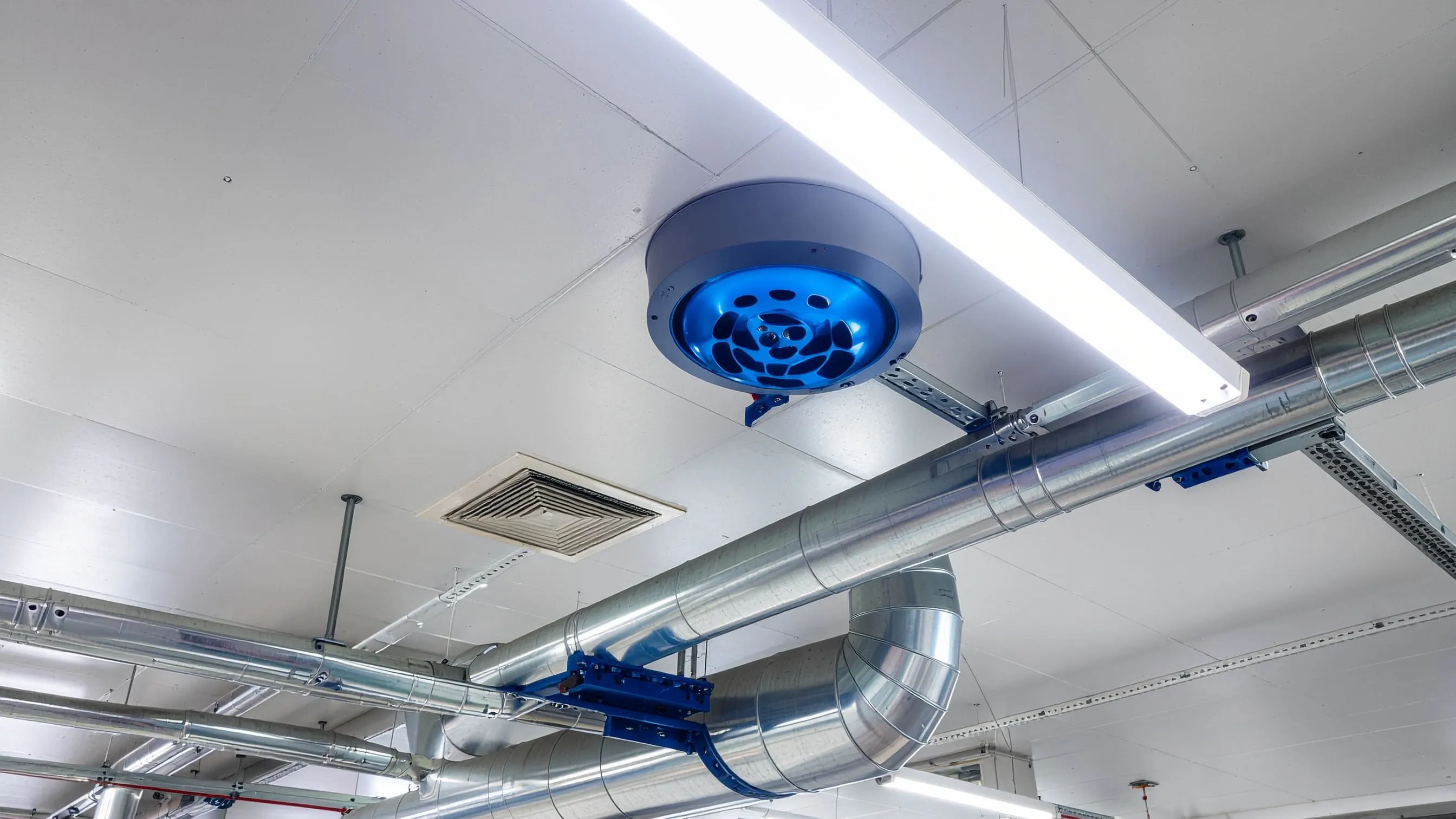
Commercial plant room gas leaks represent one of the most severe safety hazards facing building operators today. Unlike a domestic setting where a single boiler serves a modest heating requirement, commercial plant rooms house multiple high-capacity appliances. These massive systems supply entire multi-story buildings or critical industrial processes. A single undetected leak can escalate from a minor pressure drop into a catastrophic incident within minutes.
The consequences extend far beyond immediate safety concerns. Commercial plant room gas leaks trigger automatic building shutdowns, invalidate expensive insurance coverage, and easily result in prosecution under the Gas Safety (Installation and Use) Regulations 1998. For facilities managers, understanding exactly how to identify and address these leaks is a fundamental, non-negotiable operational requirement.
Understanding Gas Leak Hazards in Commercial Settings
Commercial plant rooms operate with massive natural gas volumes. The gas enters through a high-capacity main supply line, passes through pressure regulation equipment, and distributes to appliances through a complex network of pipework. This network includes dozens of joints, valves, and connections. Each connection point represents a potential failure risk. National Pumps and Boilers regularly advises facilities teams on implementing robust, compliant safety protocols across these complex networks.
Threaded joints often work loose through constant thermal expansion cycles. Compression fittings deteriorate as their internal gaskets age and lose elasticity. Furthermore, older steel pipework easily corrodes, particularly in poorly ventilated rooms where condensation accumulates.
The hazards manifest in three primary forms. An immediate explosion risk occurs when gas accumulates in enclosed spaces and reaches concentrations between 5% and 15%. Asphyxiation becomes a serious concern in poorly ventilated basement rooms where leaking gas displaces breathable oxygen. Finally, carbon monoxide poisoning presents a deadly threat when pressure drops from leaks disrupt the precise air-to-gas ratios required for clean combustion.
Early Warning Signs and Human Detection
Natural gas is inherently odourless and colourless. Gas suppliers add mercaptan to produce the distinctive "rotten egg" smell. While this remains the first line of defence for many facilities managers, relying solely on your nose is incredibly dangerous.
Think of relying on smell to detect gas like using a wet finger to check the wind speed during a hurricane. It is wildly inaccurate and completely unsafe. Personnel suffer from olfactory fatigue after prolonged exposure, rendering them "nose-blind" to the warning odour. Furthermore, strong smells from oils, cleaning chemicals, or a running building services pump can easily mask the scent of escaping gas.
Visual indicators provide far more objective evidence. A faint hissing sound near appliance connections indicates escaping gas under pressure. You might notice unusual dust movement near suspected leak points. Green oxidation on copper fittings or white powder deposits on steel pipes strongly suggests corrosion that has compromised the pipe's integrity. Flame behaviour changes, such as yellow-tipped flames instead of crisp blue cones, also indicate pressure irregularities consistent with system leaks.
Advanced Detection Equipment and Technology
Modern commercial facilities no longer rely on guesswork. They utilise a permanent fixed gas detection system to provide continuous 24/7 monitoring. A quality fixed gas detection system uses catalytic bead sensors to measure gas concentrations accurately. When levels approach 10% of the Lower Explosive Limit, the system triggers audible alarms.
Lower explosive limit monitoring is critical because it allows automated control panels to trigger motorised shut-off valves well before the atmosphere becomes volatile. Proper lower explosive limit monitoring gives your team the precious minutes needed to evacuate safely. Portable handheld electronic detectors serve as essential backup tools for daily inspections.
For large-scale, noisy environments, an ultrasonic leak detector is the ultimate diagnostic tool. An ultrasonic leak detector picks up the high-frequency sound produced by gas escaping under pressure. This technology proves invaluable because audible hissing is usually masked by heavy mechanical plant noise. A maintenance team at a city centre hotel recently noticed a faint gas smell but assumed it was just exhaust. They did not realise a massive underground leak had formed until they brought in an ultrasonic leak detector. The device instantly pinpointed a cracked flange behind the main header, preventing a catastrophic shutdown. Ensure any new grundfos pump installation nearby is protected by this level of advanced detection.
Systematic Inspection and Emergency Protocols
Effective leak detection requires structured inspection protocols rather than ad-hoc checking. Daily visual inspections should include walking the entire gas supply route. Operators must look for obvious signs of damage and note any unusual odours. Weekly detailed inspections escalate this thoroughness. Operators should check all visible joints with portable gas detectors and examine flexible connections for deterioration. If your system relies on a remeha boiler cascade, check the individual isolation valves serving each unit.
When a leak is detected, immediate action follows a strict hierarchy. Your absolute first priority is personnel safety. Evacuate the immediate area and prevent anyone else from entering. Emergency gas isolation must occur before any investigation begins. Facilities must have clearly marked emergency gas shut-off valves positioned safely outside the plant room itself.
Never use electrical switches inside the plant room if you suspect a leak. A tiny spark from a light switch contact can ignite the accumulated gas. Contact the national gas emergency services immediately and initiate your building evacuation plan. Only qualified Gas Safe registered engineers should attempt to locate or repair the fault.
Professional Assessment and Leak Pinpointing
Once the system is safely isolated and ventilated, professional assessment begins. Gas Safe registered engineers use advanced detection technologies to pinpoint the exact source. Pressure testing isolated pipework sections quickly identifies which runs have lost their structural integrity.
Commercial engineers will carefully segment the plant room to isolate the fault. They might use traditional soap solution testing on specific joints to gain visual confirmation of the escaping gas. If a leak has occurred near a large domestic hot water pump, they will verify that water ingress or excessive vibration hasn't caused the joint to fail.
Commercial Gas Pipework Repair Standards
Commercial gas pipework repair demands absolute precision and strict adherence to the law. Minor leaks at compression fittings might require a simple gasket replacement. However, threaded joints showing heavy seepage need complete disassembly, thread inspection, and fresh sealant application. Rusted or corroded sections require a full pipe replacement.
Temporary patching during a commercial gas pipework repair is entirely illegal and incredibly dangerous. You must never accept a quick fix on heavy infrastructure. If a repair happens near a shunt pump, the surrounding area must be fully cleared to allow proper engineering access.
Following any commercial gas pipework repair, stringent pressure testing verifies system integrity before recommissioning. Heavy commercial installations do not use generic domestic rules. They must pass strict IGEM/UP/1 or UP/1A tightness testing protocols, where permissible pressure drops are calculated precisely based on the total system volume.
Preventative Maintenance Strategies
Preventing gas leaks is always cheaper and safer than responding to them. Systematic component replacement eliminates failures before they ever occur. For instance, flexible gas connections should be replaced every 5 to 7 years regardless of their apparent condition. Internal deterioration almost always precedes visible external cracking.
Valve maintenance programmes extend component life and guarantee reliable isolation during an emergency. Valves that sit stationary for years can easily seize up. Simply operating all isolation valves quarterly prevents internal components from jamming. If you are servicing pump isolation valves nearby, take the extra five minutes to exercise the gas valves too.
System pressure monitoring provides an excellent early warning system. Installing pressure gauges at strategic points allows you to trend your operating pressures over time. A gradual pressure decline over several months indicates slow system leakage that a fixed gas detection system might miss.
Conclusion
Detecting commercial plant room gas leaks demands constant vigilance, structured preventative maintenance, and immediate professional intervention. The combination of environmental awareness, visual inspection, and appropriate detection technology provides a layered defence against undetected gas escape.
Facilities managers must recognise that gas safety cannot be compromised by tight maintenance budgets or operational pressures. The legal obligations under the Gas Safety Regulations exist because the consequences of failure encompass life safety for hundreds of building occupants.
Implementing preventative maintenance programmes and ensuring all work is conducted by appropriately qualified engineers creates a defensible, legally sound safety framework. Catching developing problems early prevents emergency situations and keeps your business running smoothly. If your facility requires professional gas safety assessments or you need to upgrade your plant room detection infrastructure, Request Product Support today to speak directly with our commercial heating specialists.