

How to Improve the Energy Efficiency of Hydronic Heating Systems
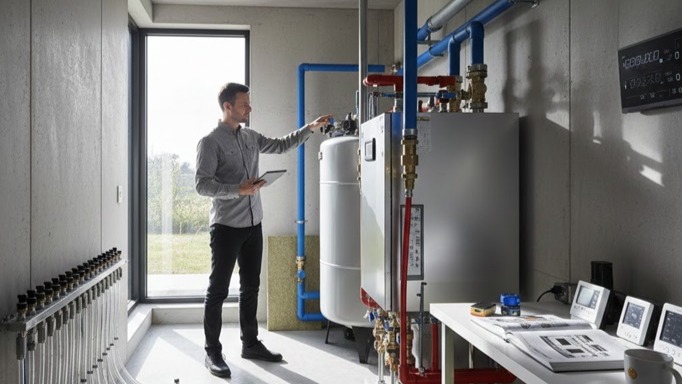
Improving hydronic heating efficiency delivers substantial benefits ranging from reduced operating costs to lower carbon emissions and enhanced occupant comfort. As energy prices continue rising and environmental responsibilities grow more pressing, optimising energy efficient hydronic heating system performance becomes increasingly critical for commercial and residential properties. This comprehensive guide explores proven strategies that deliver measurable efficiency improvements, from simple adjustments requiring minimal investment to comprehensive upgrades transforming system performance.
Understanding Hydronic System Efficiency Fundamentals
Hydronic heating efficiency encompasses multiple interconnected factors working together to determine overall system performance. Understanding these fundamentals enables targeted improvements delivering maximum impact on energy consumption and operating costs.
What Determines System Efficiency
Heat generation efficiency represents the starting point, with modern condensing boilers converting over 90% of fuel energy into useful heat compared to 70-80% for older conventional models. However, generation efficiency alone doesn't determine overall system effectiveness.
Distribution losses occur as heated water travels through pipes to heat emitters. Poorly insulated pipework wastes energy whilst unbalanced systems force pumps to work harder than necessary. Effective energy efficient hydronic heating system design minimises these losses through proper insulation and hydraulic balancing.
Control effectiveness determines how well the system matches heat output to actual demand. Sophisticated controls prevent energy waste from overheating whilst maintaining comfort during occupied periods. Simple upgrades to control systems often deliver disproportionately large efficiency gains.
Component performance influences efficiency throughout the system. High-efficiency circulators, properly sized heat emitters, and well-maintained equipment all contribute to overall energy performance.
Measuring Current Efficiency Levels
Establishing baseline performance enables measurement of improvement effectiveness. Monitor natural gas or oil consumption alongside degree days to calculate normalised energy use. This approach accounts for weather variations, enabling year-on-year comparisons.
Smart meters and building energy management systems provide detailed consumption data, revealing usage patterns and identifying inefficiencies. Many utility providers offer free energy monitoring tools helping track consumption trends.
System performance indicators including flow temperatures, return temperatures, and pump power consumption reveal operational efficiency. Compare these measurements against design values to identify drift from optimal performance.
Optimising Boiler Performance
Boiler efficiency fundamentally impacts overall hydronic heating efficiency since heat generation represents the largest energy consumer in most systems. Multiple strategies improve boiler performance, from operational adjustments to complete replacement.
Boiler Efficiency Improvements
Upgrading to condensing boiler technology delivers the single largest efficiency improvement available to systems currently using conventional boilers. Condensing models recover heat from flue gases that conventional boilers waste, achieving seasonal efficiency ratings exceeding 90%.
Remeha commercial boilers incorporate advanced condensing technology with modulating burners that adjust output precisely to match demand. This prevents the cycling losses that reduce efficiency in fixed-output boilers.
Regular servicing maintains combustion efficiency by ensuring proper air-fuel ratios and clean heat exchangers. Annual professional maintenance typically costs £100-200 but prevents efficiency degradation that could increase fuel costs by 10-15% annually.
Combustion tuning optimises burner performance through careful adjustment of fuel and air supplies. Professional tuning using flue gas analysis equipment ensures complete combustion whilst minimising excess air that reduces efficiency.
Modulating burners automatically adjust firing rate from perhaps 20% to 100% of capacity, matching output precisely to demand. This eliminates cycling between full fire and complete shutdown that wastes energy and causes temperature fluctuations.
Heat Source Selection
High-efficiency boiler options include wall-hung and floor-standing condensing models suitable for various applications. Wall-hung boilers suit smaller loads whilst floor-standing units serve larger buildings. Vaillant commercial boilers offer excellent efficiency ratings alongside proven reliability.
Heat pump integration increasingly provides energy efficient hydronic heating system solutions, particularly where electricity carbon intensity continues falling. Air-source and ground-source heat pumps deliver heat output exceeding electrical input by factors of 3-4, though system modifications typically necessary to accommodate lower operating temperatures.
Renewable energy sources including biomass boilers and solar thermal systems reduce reliance on fossil fuels. These technologies work particularly effectively in energy efficient hydronic heating system applications already designed for lower operating temperatures.
Hybrid system configurations combine heat pumps with conventional boilers, operating the heat pump during milder weather and switching to the boiler during extreme cold. This approach optimises efficiency across varying conditions whilst maintaining heating capacity during peak demand.
Improving Circulation Efficiency
Circulation pumps account for 5-10% of total heating system energy consumption. Pump efficiency improvements deliver savings throughout the heating season whilst reducing electricity costs and improving system performance.
Selecting Energy-Efficient Pumps
Variable-speed circulators automatically adjust motor speed to match system requirements, dramatically reducing electricity consumption compared to fixed-speed models. Modern variable-speed pumps consume 50-80% less electricity than older constant-speed circulators.
ErP A-rated pumps meet European Energy-related Products directive requirements, guaranteeing minimum efficiency standards. When replacing failed circulators or upgrading systems, specify A-rated models to maximise long-term savings. Grundfos heating pumps lead the market in energy efficiency with multiple A-rated options.
Right-sizing circulation pumps prevents over-pumping that wastes electricity whilst causing noise and control problems. Calculate required flow rates and pressure losses during design to select appropriately sized pumps. Oversized pumps waste energy continuously throughout their operational life.
Multiple smaller pumps serving individual zones often prove more efficient than single large pumps serving entire buildings. Zone pumps operate only when heating demanded, eliminating parasitic losses from circulating water through unoccupied areas.
Optimising Flow Rates
Avoiding over-pumping requires careful system design and commissioning. Excessive flow rates increase pump energy consumption whilst reducing system temperature differential, preventing efficient condensing operation.
Temperature differential optimisation involves designing systems for larger temperature drops between flow and return. Systems designed for 20°C differentials require half the flow rate of those designed for 10°C drops, substantially reducing pump energy. Wilo heating pumps offer precise flow control enabling optimal differential temperature operation.
Hydraulic separation using low-loss headers allows boiler circulation to operate independently from distribution circuits. This arrangement enables each circuit to operate at optimal flow rates without interfering with others.
Primary-secondary loop configuration separates boiler circulation from zone distribution, allowing independent optimisation of each circuit. This approach particularly benefits systems with varying zone loads or multiple heat sources.
Reducing Heat Distribution Losses
Heat losses from distribution pipework waste energy whilst potentially causing problems from overheating plant rooms or ceiling voids. Comprehensive insulation strategies protect these losses, improving overall hydronic heating efficiency.
Pipe Insulation Strategies
Insulation material selection balances performance, cost, and installation requirements. Closed-cell foam provides excellent thermal performance alongside moisture resistance, suitable for most applications. Mineral wool offers fire resistance where regulations require non-combustible insulation.
Thickness requirements vary based on pipe diameter, operating temperature, and location. Building Regulations specify minimum thicknesses for different scenarios, though exceeding minimums often proves cost-effective through enhanced savings. Typical domestic installations require 25-40mm insulation thickness depending on pipe size.
Cost-benefit analysis demonstrates insulation investment payback typically within 1-3 years through energy savings. Uninsulated pipes in heated spaces waste less energy than those in unheated areas, though both benefit from insulation. Prioritise insulating pipes in unheated zones for maximum return.
Preventing thermal bridging ensures continuous insulation coverage without gaps at supports, joints, or valves. These uninsulated sections disproportionately increase losses, undermining overall insulation effectiveness. Use pre-insulated pipe supports and insulated valve covers to eliminate bridging.
Advanced Control Strategies
Control systems determine how effectively heating systems respond to changing demands, making sophisticated controls essential for optimising energy efficient hydronic heating system performance.
Weather Compensation
Weather compensation adjusts supply water temperature based on outdoor conditions, reducing temperatures during milder weather. This simple principle delivers substantial efficiency gains, particularly with condensing boilers requiring cool return temperatures for maximum efficiency.
Installation involves fitting an outdoor sensor and configuring the control curve relating outdoor temperature to supply temperature. Proper setup requires adjustment over several weeks, fine-tuning the curve to building characteristics.
Savings potential ranges from 10-20% depending on existing control sophistication and building thermal performance. Weather compensation proves particularly effective in commercial buildings with significant thermal mass stabilising indoor temperatures.
Integration with existing systems typically straightforward for modern boilers featuring built-in weather compensation capability. Older systems may require control panel upgrades or replacement to enable this functionality.
Zone Control and Management
Individual room control eliminates heating unoccupied spaces whilst allowing different temperatures in various areas. This flexibility improves comfort whilst reducing energy waste.
Thermostatic radiator valves provide simple room-level control, automatically adjusting heat output to maintain desired temperatures. Modern TRVs incorporate sophisticated features including programmable setback schedules and wireless connectivity.
Zone valve optimisation divides buildings into logical zones based on occupancy patterns and thermal characteristics. Typical zones include perimeter vs interior spaces, upper vs lower floors, and high-use vs low-use areas.
Occupancy-based heating using presence detection or schedule-based control prevents wasting energy on unoccupied spaces. Smart controls learn usage patterns, automatically adjusting heating availability to match actual occupancy.
Smart Controls and Automation
Learning thermostats automatically adjust schedules based on occupancy patterns and user preferences. These devices typically achieve 10-15% savings through optimised scheduling and setback management. National Pumps and Boilers supplies and installs smart control systems suited to various applications.
Remote monitoring and control enable facilities managers to optimise performance without site visits. Cloud-based platforms provide consumption analytics alongside remote adjustment capabilities, supporting continuous efficiency improvement.
Scheduling optimisation eliminates heating during predictably unoccupied periods whilst ensuring comfort when needed. Advanced systems use algorithms predicting optimal start times based on building thermal characteristics and weather forecasts.
Integration with building management systems provides centralised control over heating alongside other building services. This holistic approach enables coordinated optimisation across multiple systems.
Water Temperature Optimisation
Operating temperatures significantly impact hydronic heating efficiency, with lower temperatures generally delivering improved performance, particularly with condensing boilers.
Low-Temperature Heating Benefits
Condensing boiler efficiency gains substantially when return temperatures fall below 55°C, enabling flue gas condensation. Systems designed for 70/50°C flow/return temperatures outperform those operating at 80/60°C by 5-10% efficiency.
System design for low temperatures requires larger heat emitters transferring equivalent heat at lower water temperatures. When replacing radiators, specify models sized for 50-60°C flow temperatures rather than traditional 80°C designs.
Radiator and emitter considerations include selecting convector radiators with high outputs at low temperatures or installing underfloor heating particularly suited to low-temperature operation. DHW pumps must maintain adequate temperatures for domestic hot water whilst supporting efficient space heating.
Return temperature management involves proper hydraulic balancing and control strategies keeping returns cool. Systems with low return temperatures achieve superior condensing boiler efficiency whilst enabling heat pump integration if desired later.
Anti-Cycling Strategies
Buffer tank implementation reduces boiler cycling by providing thermal mass absorbing excess heat production. This allows boilers to run for longer periods at optimal efficiency rather than short cycling on/off repeatedly.
Volume enhancement through buffer tanks or thermal stores benefits systems with modulating boilers cycling excessively due to insufficient system volume. Adding 50-100 litres storage often eliminates cycling problems.
Load optimisation ensures boilers operate within efficient ranges by matching capacity to actual demands. Oversized boilers tend to cycle frequently, reducing efficiency and increasing wear.
Boiler short-cycling prevention saves energy whilst extending equipment lifespan. Each start-up cycle wastes energy bringing the boiler to operating temperature, making longer run periods more efficient than frequent short cycles.
System Balancing and Commissioning
Proper balancing ensures even heat distribution at minimum pump energy, fundamental to achieving optimal energy efficient hydronic heating system performance.
Hydraulic Balancing Importance
Flow distribution optimisation prevents overfeeding nearby circuits whilst starving distant zones. Unbalanced systems waste pump energy whilst failing to heat some areas adequately.
Balancing valve adjustment restricts flow through overserved circuits, forcing more flow to underserved areas. Professional balancing uses differential pressure measurements across circuits, adjusting valves to achieve design flows.
Testing and verification procedures confirm proper balancing through flow measurements and temperature monitoring. Document flow rates and valve settings for future reference and troubleshooting.
Re-balancing after modifications restores optimal performance when systems change. Adding radiators, removing zones, or replacing pumps all potentially affect balance, requiring readjustment.
Proper Commissioning Procedures
Control system setup configures thermostats, time schedules, and temperature parameters optimising comfort and efficiency. Thorough commissioning involves testing all control functions and adjusting settings to suit building characteristics.
Temperature curve adjustment for weather compensation requires iterative refinement over several weeks. Start with manufacturer recommendations, then adjust based on occupant feedback and temperature monitoring.
Documentation requirements include recording all settings, measurements, and adjustments made during commissioning. These records prove invaluable for future troubleshooting and system modifications.
Performance verification confirms the system meets design specifications regarding temperatures, flow rates, and energy consumption. Compare actual performance against predictions, investigating any significant discrepancies.
Water Quality and Maintenance
Clean systems operate more efficiently than those compromised by sludge, scale, or corrosion. Maintaining water quality protects hydronic heating efficiency whilst extending component lifespan.
Clean System Benefits
Efficiency impact of sludge and scale proves substantial, with contaminated systems consuming 10-25% more energy than clean equivalents. Deposits insulate heat exchanger surfaces, forcing higher firing rates to achieve required temperatures.
Power flushing effectiveness removes accumulated debris, restoring efficiency and preventing future problems. Professional cleaning uses high-velocity water flow with cleaning chemicals dissolving stubborn deposits.
Inhibitor protection prevents corrosion and scale formation when maintained at proper concentrations. Test inhibitor levels annually, topping up as necessary to maintain protection.
Filter maintenance involves regularly cleaning magnetic system filters capturing metallic debris. Monthly inspection during peak heating season prevents filter clogging that reduces efficiency and damages pumps.
Heat Emitter Optimisation
Heat emitters transfer thermal energy from water to occupied spaces, with emitter effectiveness directly impacting overall system efficiency and comfort.
Radiator Efficiency Improvements
Reflective panels behind radiators reduce heat losses through external walls, directing more warmth into rooms. These inexpensive additions deliver modest savings, typically 5-10% of radiator output.
Proper positioning and clearances ensure effective convection currents distributing warmth throughout spaces. Radiators blocked by furniture or heavy curtains operate less effectively, wasting energy whilst failing to heat rooms adequately.
Type selection for applications involves matching emitter characteristics to requirements. Panel convector radiators provide high outputs from compact sizes whilst designer radiators offer aesthetic appeal. Ensure selections sized appropriately for intended operating temperatures.
Upgrading oversized or undersized emitters improves comfort whilst supporting lower operating temperatures. Oversized radiators enable lower flow temperatures, improving condensing boiler efficiency and preparing systems for potential heat pump integration.
Underfloor Heating Efficiency
Design temperature considerations for underfloor systems typically specify 35-45°C flow temperatures, ideal for condensing boiler and heat pump operation. These low temperatures maximise hydronic heating efficiency whilst providing comfortable warmth.
Insulation requirements beneath underfloor systems prevent downward heat losses particularly critical in ground floor installations. Minimum 50-100mm insulation ensures heat directs upward into occupied spaces rather than wasting to the ground.
Control zone sizing for underfloor heating typically smaller than radiator systems, with individual rooms often forming separate zones. This granular control enables precise temperature management reducing energy waste.
Flow temperature optimisation involves designing systems for minimum temperatures achieving required heat outputs. Lower temperatures improve efficiency whilst maintaining comfort through radiant heating characteristics.
Building Fabric Improvements
Building envelope performance fundamentally determines heating demands, with fabric improvements complementing energy efficient hydronic heating system upgrades for maximum savings.
Insulation Synergy with Heating
Wall, loft, and floor insulation reduce heat losses, allowing heating systems to operate more efficiently. Well-insulated buildings require less heat input, reducing boiler cycling and enabling lower operating temperatures.
Reduced heat demand benefits include smaller, more efficient boilers and enhanced heat pump feasibility. Buildings with heat losses below 50 W/m² become excellent candidates for heat pump heating.
System downsizing opportunities arise when insulation improvements substantially reduce heating requirements. Right-sizing replacement boilers to actual needs improves efficiency and reduces costs compared to retaining oversized equipment.
Payback calculations for insulation improvements typically show attractive returns, often within 5-10 years. Combined with heating system upgrades, these improvements deliver compound benefits exceeding individual measures.
Draught-Proofing and Ventilation
Air leakage reduction through draught-proofing seals unintended openings reducing heating demands. However, avoid completely sealing buildings without providing adequate ventilation for air quality and moisture control.
Controlled ventilation strategies using trickle vents or mechanical ventilation systems balance fresh air requirements with energy efficiency. Modern ventilation standards ensure healthy indoor environments whilst minimising heat losses.
Heat recovery ventilation integration captures warmth from exhaust air, transferring it to incoming fresh air. These systems reduce ventilation heat losses by 70-90%, substantially improving overall building energy performance.
Renewable Integration
Renewable technologies increasingly complement or replace fossil fuel heating, offering substantial carbon emission reductions alongside operational cost savings for energy efficient hydronic heating system installations.
Heat Pump Compatibility
Hydronic system adaptation for heat pumps involves designing or modifying systems for lower operating temperatures. Heat pumps typically deliver water at 45-55°C, requiring larger heat emitters than traditional 80°C systems.
Low-temperature system requirements include oversized radiators or underfloor heating providing adequate heat transfer at reduced temperatures. Existing systems sometimes adapt through selective radiator replacement in critical rooms.
Hybrid configurations combine heat pumps handling base heating loads with conventional boilers providing peak capacity during extreme cold. This approach optimises efficiency across varying conditions whilst ensuring adequate capacity.
Performance monitoring proves essential for heat pump systems, with efficiency highly dependent on proper installation and commissioning. Monitor electrical consumption and heat output, calculating seasonal performance factors evaluating long-term effectiveness.
Solar Thermal Integration
Pre-heating strategies use solar thermal collectors warming water before conventional heating, reducing fuel consumption during summer months and sunny periods. Solar thermal works particularly effectively alongside energy efficient hydronic heating system designs already operating at lower temperatures.
Buffer tank utilisation enables solar thermal energy storage, smoothing supply and enabling heating during evening hours using daytime solar gains. Larger buffer tanks provide longer storage, increasing solar fraction and improving system economics.
Control integration coordinates solar thermal operation with conventional heating, prioritising solar energy when available. Sophisticated controls maximise solar utilisation whilst ensuring comfort through conventional backup.
Seasonal performance varies substantially, with solar thermal contributing 50-70% of hot water needs during summer but 10-20% during winter. Annual contributions typically reach 40-50% for well-designed UK installations.
Monitoring and Continuous Improvement
Ongoing performance monitoring identifies efficiency degradation enabling timely intervention maintaining optimal hydronic heating efficiency throughout system operational life.
Energy Monitoring Systems
Consumption tracking using smart meters or building management systems reveals usage patterns, identifies anomalies, and measures improvement effectiveness. Regular review of consumption data becomes routine practice for facilities managers.
Performance benchmarking compares current efficiency against historical data and industry standards. CIBSE TM46 provides energy benchmarks for various building types, enabling meaningful comparisons.
Identifying inefficiencies through data analysis reveals problems including excessive runtime, poor control performance, or degraded component efficiency. Addressing these issues promptly prevents escalating energy waste.
Data-driven decisions replace assumptions with evidence, guiding investment in improvements offering maximum returns. Monitor consumption before and after modifications, quantifying actual savings achieved.
Regular Performance Reviews
Annual efficiency assessments evaluate overall system performance, identifying opportunities for improvements. These reviews should examine all system aspects from generation through distribution to emitters and controls.
Component upgrade planning anticipates replacement needs before failures occur, allowing budgeting and selection of superior alternatives. Plan replacements coordinating multiple improvements for maximum benefit.
Technology advancement adoption ensures systems benefit from efficiency innovations as they emerge. Variable-speed pumps, smart controls, and improved insulation materials offer substantial improvements over older technologies.
ROI analysis for improvements demonstrates financial justification for efficiency investments. Calculate simple payback periods, net present values, and lifetime savings supporting investment decisions.
Cost-Benefit Analysis of Efficiency Measures
Understanding financial returns guides prioritisation of improvements, ensuring limited budgets deliver maximum impact on energy efficient hydronic heating system performance.
Calculating Payback Periods
Energy savings quantification requires establishing baseline consumption then projecting reductions from specific improvements. Conservative estimates prevent disappointment whilst overly optimistic projections undermine credibility.
Installation cost considerations include equipment, labour, and associated modifications. Obtain multiple quotations for major improvements, comparing total project costs against projected savings.
Incentive and grant availability reduces net costs, improving project economics. UK government schemes periodically offer support for efficiency improvements, particularly those reducing carbon emissions.
Long-term value assessment considers equipment lifespan, maintenance savings, and comfort improvements alongside direct energy savings. Superior equipment often delivers better overall value despite higher initial costs.
Prioritising Improvements
Quick wins including control upgrades, pipe insulation, and system balancing typically offer attractive returns with minimal investment. Address these first, using savings to fund subsequent improvements.
Major investments including boiler replacement or heat pump installation require careful justification but deliver substantial long-term benefits. Plan these upgrades strategically, perhaps coinciding with equipment end-of-life replacement needs.
Phased implementation strategies spread costs over time whilst delivering incremental savings funding subsequent improvements. Start with highest-return measures, progressing to more complex upgrades as budgets allow.
Budget-conscious approaches prioritise essential maintenance and operational optimisation before considering major capital investments. Well-maintained systems with optimised controls often achieve 90% of theoretical maximum efficiency without extensive equipment replacement.
Conclusion
Improving hydronic heating efficiency involves multiple interconnected strategies ranging from simple operational adjustments to comprehensive system upgrades. The most effective approaches combine equipment improvements with optimised control strategies, comprehensive maintenance, and building fabric upgrades delivering compound benefits exceeding individual measures.
Success requires systematic assessment of current performance, identification of improvement opportunities, and prioritised implementation focusing on measures offering maximum returns. Professional expertise ensures improvements achieve intended results whilst avoiding expensive mistakes.
For comprehensive efficiency assessments and professional improvement implementation, contact us to schedule consultation with National Pumps and Boilers' experienced engineers. Expert guidance maximises efficiency gains whilst ensuring reliable, comfortable heating performance for decades to come.