

How to Install and Maintain a Chemical Dosing Pot in Commercial Systems
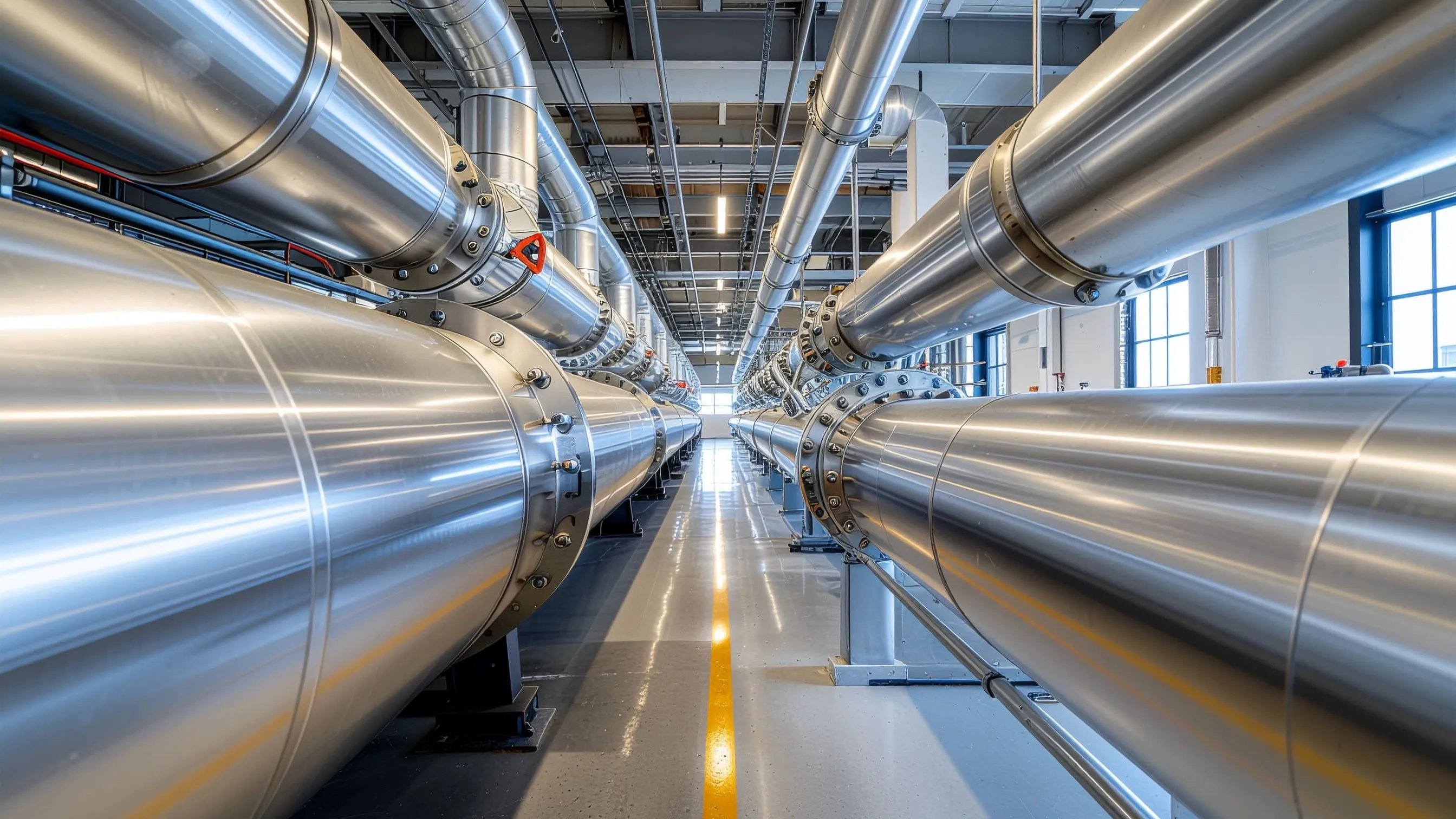
Proper water treatment acts as the ultimate insurance policy for any commercial heating or cooling network. A correctly installed commercial chemical dosing pot prevents the aggressive corrosion, scale formation, and bacterial growth that silently destroy expensive equipment. When these systems are neglected, facilities face catastrophic system failures and massive repair bills.
Industry data indicates that a medium-sized commercial heating system suffering from untreated corrosion can require substantial capital for premature boiler replacement. The costs for replacing damaged pumps and remediating pipework can easily exceed tens of thousands of pounds. However, the exact same system can operate flawlessly for decades if you protect it with precise, methodical chemical dosing.
Experienced facilities managers know that setting up equipment correctly isn't just about ticking a compliance box. It is about creating a clean, logical system that makes ongoing maintenance effortless and safe for everyone involved. Taking the time to structure a plant room properly prevents massive headaches down the line.
The Vital Role of Chemical Dosing Pots
A commercial chemical dosing pot is essentially a sealed, robust vessel designed for a very specific job. It allows heating engineers to introduce liquid water treatment chemicals into a closed-loop system without having to drain or depressurise the entire installation. The unit connects directly to your system pipework through a series of dedicated isolation valves.
This setup creates a temporary, highly controlled reservoir where you can safely add your corrosion inhibitors, scale preventers, or targeted biocides. Commercial environments present completely different challenges compared to standard domestic setups. They feature massive water volumes, varied heating system components, and much higher operating temperatures.
Think of a commercial chemical dosing pot like a controlled IV drip for a patient in a hospital. Instead of shocking the body by flooding it with medicine all at once, this structured device safely and methodically introduces essential treatment exactly where it is needed. It does this smoothly without ever stopping the heart of the building.
Exploring Equipment Variations
There are a few different ways to configure this equipment depending on your space and operational requirements. Many facility managers consult National Pumps and Boilers to determine the best configuration for their specific plant room layout and equipment needs. Some facilities use inline dosing pots, which are installed directly into the main system pipework on the cooler return leg.
While inline dosing pots work well for highly compact spaces, they do require complete system isolation during the dosing process. This total shutdown is often completely impractical for busy hospitals, data centres, or manufacturing plants that need continuous operation.
Alternatively, you can install a bypass dosing loop. This configuration connects to the main system through a parallel circuit with its own dedicated isolation valves. A bypass dosing loop allows you to introduce chemicals without ever interrupting the main system operation, which is a massive advantage for structured facility management. It also makes future servicing incredibly straightforward.
Pre-Installation Planning and Capacity
Before you even pick up a wrench, you need a precise plan. The foundation of any successful water treatment programme relies entirely on an accurate system volume calculation. You must account for the water inside your boiler waterways, all pipework runs, heat emitters, any Wilo circulator on the network, and any buffer vessels.
Taking the time to perform a thorough system volume calculation ensures you don't waste expensive chemicals or leave your system under-protected. Once you know your exact water volume, you can determine your ideal dosing pot capacity. Commercial setups typically require vessels ranging from 5 litres for smaller installations up to 50 litres for massive district heating networks.
Getting your dosing pot capacity right the first time is crucial for operational efficiency. If you select an undersized unit, you will force your engineers to perform frustrating, repetitive dosing cycles. If you choose an oversized unit, you're simply wasting valuable plant room space and increasing your installation costs for no practical reason.
Organising Your Plant Room Environment
A well-organised plant room is a safe plant room. The location you select for your equipment significantly impacts both the initial installation convenience and the long-term serviceability of the unit. You should position the vessel in a highly accessible spot where engineers can work comfortably.
Avoid installing equipment in tight ceiling voids or hidden behind large boilers. If maintenance requires dangerous contortions or complicated scaffold access, human nature dictates that the routine checks will eventually be skipped. Placing the unit near the system low points also makes complete draining much easier when required.
You must also ensure there is plenty of vertical clearance above the unit. This space is absolutely necessary so you can easily remove the charging chamber for internal inspection and routine cleaning. Keeping the surrounding floor space clear of clutter prevents trip hazards when handling heavy containers of concentrated chemicals.
Step-by-Step Installation Procedures
System isolation is always the very first step. You must completely shut down all heat sources and circulation pumps before beginning any mechanical work. Close the dedicated pump valves on both the flow and return lines fully, and carefully open the drain valves to verify that the isolation is completely effective.
Always release any residual pressure to prevent dangerous chemical ejections during your connection work. You must also monitor the pipework temperature to confirm the system has cooled sufficiently for safe manual handling. Next, ensure the vessel has incredibly robust physical mounting. Wall brackets or floor stands must easily support the unit's full weight when it is entirely charged with liquid.
When making your pipework connections, pay close attention to your thread preparation. Standard PTFE tape is actually unsuitable for many modern chemical inhibitors, as the chemicals will slowly degrade the material over time. You should use high-quality liquid thread sealants that are specifically rated for heating system chemicals to guarantee long-term reliability.
Essential Pre-Installation Checklist
Before introducing any chemicals into the new vessel, you must systematically verify the installation's integrity. Skipping these final checks can lead to dangerous leaks or compromised system efficiency. Work through this checklist methodically to guarantee safety and performance.
- Verify that all physical wall brackets or floor stands are securely fastened and completely level.
- Confirm that the selected unit aligns exactly with your previous volume assessments.
- Ensure all dedicated isolation valves open and close smoothly without any binding or excessive force.
- Check that the drain valve is located at the absolute lowest point of the installation for complete evacuation.
- Perform a cold water pressure test at 1.5 times the normal operating pressure for a minimum of thirty minutes.
- Inspect all threaded joints and compression fittings for microscopic weeping during the pressure test.
- Confirm that there is adequate lighting and ventilation in the immediate area around the equipment.
Chemical Dosing Best Practices
When it comes time to fill the system, you must prioritise strict safety protocols. Many highly concentrated formulations contain aggressive alkalis or toxic biocides that pose serious health risks. Your team must wear proper personal protective equipment, including heavy-duty chemical-resistant gloves, protective safety glasses, and durable aprons.
Ensure your plant room has excellent ventilation to prevent the inhalation of any harmful chemical vapours. You should also set up simple spill containment measures, such as drip trays, to protect your floor finishes and drainage systems from accidental chemical damage.
To fill a pressurised unit, isolate the vessel from the main system using the closed valves. Vent the unit to the atmosphere, and then carefully pour in your calculated chemical volume through the top filler cap. After sealing the cap tightly, slowly open the system-side valve to let the pressure equalise before opening the charging valve to push the chemicals into circulation.
A facilities manager at a large retail park once completely bypassed their regular maintenance schedule because their plant room was heavily disorganised. They ignored a slightly weeping seal on their bypass dosing loop for six straight months. Eventually, the untreated water caused severe magnetite buildup, destroying two main grundfos pumps and resulting in a completely avoidable system shutdown during their peak winter trading period.
Maintenance Schedules and Inspection
Routine maintenance is entirely about consistency and strict organisation. You should conduct weekly visual inspections to catch minor, developing problems before they escalate into major failures. Look closely for any weeping water around your compression fittings, the valve glands, and the main vessel body.
If you spot any reddish-brown corrosion staining on the external surfaces, this often indicates tiny pinhole leaks that will worsen very rapidly. You should also physically test the operation of your isolation valves weekly to confirm they haven't seized and remain fully functional.
Your monthly routine should include comprehensive system water monitoring. Test the water for its exact pH level, total conductivity, and the current inhibitor concentration. If you notice your inhibitor levels are actively declining, this indicates either chemical depletion that requires a top-up or a hidden system leak near a DAB pump that is letting your treated water escape.
Identifying Common Installation Mistakes
One of the most frequent mistakes is choosing a terrible physical location for the equipment. Units shoved into locked plant rooms or hidden behind larger machinery rarely receive the attention they desperately need. You must position the unit where an engineer can easily reach all the valves and the drain points without needing special tools.
Another major error is failing to provide adequate isolation valves. If you don't install valves immediately adjacent to the connections, you ruin the ability to service the unit independently. Without proper isolation, a simple five-minute rubber seal replacement turns into a massive, day-long undertaking requiring a total system shutdown.
Finally, you must never mismatch the pressure ratings between your equipment and your operating conditions. Installing a domestic-rated vessel on a high-pressure commercial network causes extreme mechanical stress. This will inevitably lead to a catastrophic rupture, releasing scalding water and dangerous chemicals directly into your facility.
Conclusion
Installing a commercial chemical dosing pot correctly requires a methodical approach, high-quality components, and a strict commitment to ongoing organisation. The installation process itself is incredibly straightforward for any competent professional, but the long-term benefits depend entirely on your discipline. Sticking to a structured maintenance protocol is the only way to guarantee success.
By properly treating your water, you actively prevent the devastating, expensive failures that ruin untreated commercial installations. This modest upfront investment in quality equipment repays you massively by extending the lifespan of your boilers and eliminating emergency repair bills. It is simply the smartest financial decision a facility manager can make.
If you are dealing with a highly complex installation or an unusual system configuration, it is always best to consult with specialists. To ensure your facility remains fully compliant, protected, and perfectly organised, please Get Expert Advice from our dedicated technical team today.