

How to Integrate Thermal Storage into Commercial Heating Systems
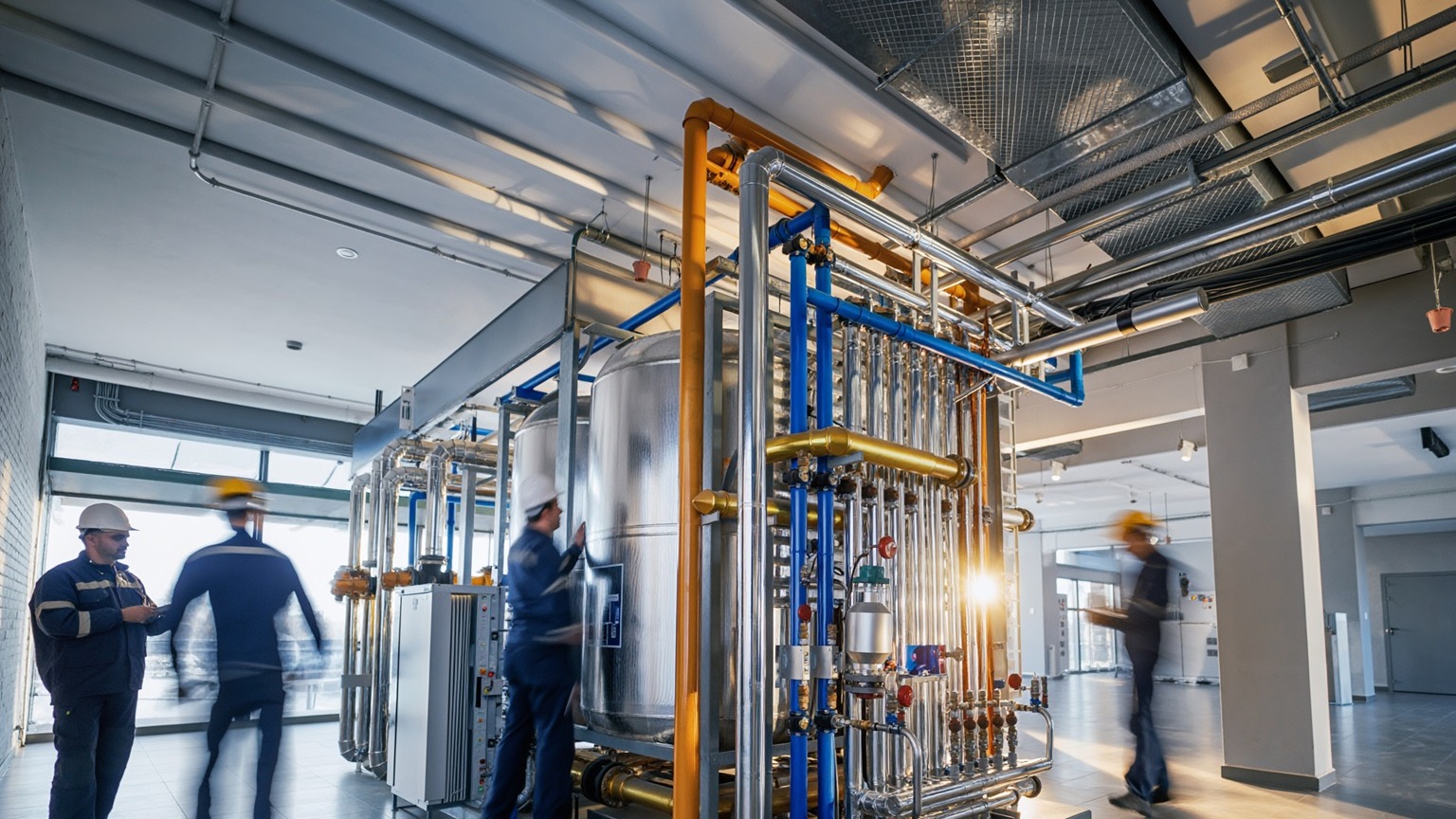
Selecting the right thermal storage tanks for commercial or residential buildings requires careful consideration of multiple factors. Undersized systems fail during peak demand periods, while oversized installations waste capital and energy. This comprehensive guide explains how to determine optimal thermal energy storage tank sizing for maximum efficiency and cost-effectiveness.
Understanding Thermal Storage Tank Basics
Thermal storage tanks function as energy reservoirs, storing heated or chilled water during off-peak hours for use during high-demand periods. This technology allows building operators to shift energy consumption to times when electricity rates are lower and grid demand is reduced. Modern thermal energy storage systems integrate seamlessly with existing heating, ventilation, and air conditioning infrastructure.
What Are Thermal Storage Tanks
These specialised vessels store thermal energy in the form of hot or chilled water, ice, or phase change materials. The stored energy is then released when building loads require heating or cooling. This approach decouples energy generation from consumption, providing operational flexibility and significant cost savings. Commercial buildings, hospitals, educational facilities, and industrial complexes increasingly rely on thermal storage tanks to manage energy demand efficiently.
The core components include insulated storage vessels, circulation pumps, control systems, and piping networks. Grundfos pumps excel in thermal storage applications due to their reliability and energy efficiency. Temperature sensors and flow meters monitor system performance continuously, enabling automated charging and discharging cycles optimised for building needs.
Types of Thermal Storage Systems
Chilled water storage systems are most common in commercial cooling applications. These tanks store water at temperatures between 4°C and 7°C during nighttime hours when chiller efficiency peaks. During daytime cooling loads, the stored chilled water circulates through air handling units, reducing or eliminating chiller operation during expensive peak demand periods.
Hot water thermal storage serves heating applications, maintaining temperatures between 60°C and 90°C. These systems support domestic hot water production, space heating, and industrial process requirements. Ice storage represents the highest energy density option, storing cooling capacity in frozen water at 0°C. This approach requires less physical space than chilled water storage but demands specialised equipment and controls.
Phase change materials offer emerging alternatives, storing and releasing energy during material transitions between solid and liquid states. These systems achieve high energy density in compact installations, though higher costs currently limit widespread adoption.
Key Factors in Thermal Energy Storage Tank Sizing
Building Load Analysis
Accurate thermal energy storage tank sizing begins with a comprehensive building load analysis. Peak heating and cooling demands vary dramatically based on building type, occupancy patterns, climate conditions, and operational schedules. Office buildings experience concentrated loads during business hours, while hospitals maintain steady 24-hour demands. Residential complexes show morning and evening peaks corresponding to occupant activity.
Load profiles throughout the day reveal opportunities for thermal storage implementation. Buildings with significant differences between average and peak loads benefit most from storage systems. Seasonal variations influence sizing decisions - systems designed for summer cooling peaks may have excess capacity during winter months unless heating storage is incorporated.
Consulting engineers typically conduct detailed energy modelling using software such as EnergyPlus or TRNSYS. These analyses simulate building performance under various weather conditions and occupancy scenarios. The resulting data identifies optimal storage capacity to meet peak demands while maximising off-peak charging opportunities. National Pumps and Boilers provides expert consultation services for thermal storage system design and thermal energy storage tank sizing.
System Operating Parameters
Temperature differentials between supply and return water directly impact required storage volume. Larger temperature differences (typically 8-12°C) enable smaller tank sizes by storing more energy per litre. However, wider differentials may reduce system efficiency or require equipment modifications. Balancing energy density against operational efficiency requires careful engineering analysis.
Flow rates through storage tanks affect thermal stratification - the maintenance of distinct temperature layers within the vessel. Proper stratification maximises usable storage capacity by preventing mixing of hot and cold water. Commercial circulators must deliver adequate flow while preserving stratification through properly designed inlet and outlet configurations.
Pressure requirements depend on system height, piping layouts, and equipment specifications. Storage tanks typically operate at relatively low pressures compared to boilers or high-rise building systems. However, adequate static and dynamic pressures must be maintained throughout the distribution network. Pressurisation units ensure consistent system pressure despite load variations and temperature changes.
Space and Installation Constraints
Available floor space or rooftop capacity often limits thermal storage tank sizing options. Large tanks may exceed structural load limits in existing buildings, requiring foundation reinforcement or alternative locations. Rooftop installations face wind loading, seismic considerations, and access constraints for equipment delivery and future maintenance.
Multiple smaller tanks sometimes prove more practical than single large vessels when space is fragmented or structural capacity is limited. Modular approaches allow phased installation and easier future expansion. However, multiple tanks increase piping complexity, heat loss surfaces, and control system requirements.
Vertical tanks minimise floor space requirements but demand adequate ceiling height plus clearance for installation and maintenance. Horizontal tanks suit low-ceiling spaces but consume more floor area. Tank geometry significantly influences thermal stratification performance - tall, narrow vessels generally maintain better temperature separation than short, wide designs.
Calculating the Right Tank Size
Load Diversity and Peak Shaving
Thermal storage tanks enable peak demand reduction by shifting energy consumption to off-peak periods. Building loads rarely reach simultaneous peaks across all zones and systems. Load diversity factors account for this reality, reducing required cooling or heating capacity compared to the simple addition of individual zone loads.
Calculating storage capacity involves determining the energy quantity that must be stored to serve peak loads while minimising on-peak equipment operation. For cooling applications, this typically equals the difference between peak demand and available off-peak generation capacity, integrated over the discharge period. A building with 500 kW peak cooling load and 250 kW base capacity might require storage providing 250 kW for 6 hours - totalling 1,500 kWh of stored cooling.
Converting energy requirements to physical tank volume depends on temperature differentials and water properties. One litre of water stores approximately 1.16 Wh per degree Celsius. For a chilled water system with a 6°C differential, each litre stores roughly 7 Wh. The example above would require approximately 214,000 litres - though accounting for thermal losses and stratification efficiency typically increases this by 15-25%.
Stratification and Efficiency Considerations
Thermal stratification - maintaining distinct temperature layers within storage tanks - maximises usable capacity and system efficiency. Perfect stratification allows 100% of stored energy to be extracted at design temperature. Poor stratification reduces adequate capacity significantly, as warm and cold water mix, degrading supply temperatures.
Tank height-to-diameter ratios above 2:1 generally support better stratification than squat designs. Taller tanks create longer flow paths that allow thermal separation. However, excessively tall tanks may face structural challenges and higher costs. Typical commercial installations use ratios between 1.5:1 and 3:1, balancing stratification performance against practical considerations.
Inlet and outlet configurations critically influence stratification. Properly designed diffusers distribute flow horizontally across tank cross-sections, minimising vertical mixing. Separate inlets for charging and discharging at appropriate heights maintain temperature boundaries. Multiple inlet/outlet levels enable partial storage operation and improved control flexibility. Wilo pumps offer variable speed capabilities that optimise flow patterns for stratification preservation.
Future Expansion Planning
Buildings often experience increased heating or cooling demands as operations expand, renovations occur, or climate patterns shift. Sizing thermal storage tanks with future growth in mind avoids premature system obsolescence; however, excessive oversizing wastes initial capital and increases ongoing heat losses from unnecessarily large surface areas.
Modular storage approaches provide expansion flexibility. Installing piping connections and controls for future tank additions while initially implementing partial capacity represents a middle ground. This strategy minimises immediate costs while enabling straightforward capacity increases when justified by actual load growth.
Cost-benefit analysis should compare upfront oversizing costs against future expansion expenses and potential operational disruption. Projects with confirmed expansion plans or rapidly growing facilities typically justify larger initial installations. Buildings with stable or declining loads should size systems conservatively, avoiding unnecessary capacity.
Common Sizing Mistakes to Avoid
Undersizing Problems
Insufficient storage capacity manifests during peak demand periods when stored energy depletes before the load subsides. Buildings must then operate primary equipment at expensive on-peak rates, negating storage system benefits. Repeated capacity shortfalls indicate undersized installations requiring expansion or operational modifications.
Reduced system efficiency occurs when inadequate storage forces equipment to cycle frequently between charging and discharging modes. Short cycling increases wear on compressors, pumps, and controls while degrading overall energy performance. Properly sized systems complete full charge cycles during off-peak periods and sustain discharge through peak demands.
Oversizing Consequences
Unnecessarily large thermal storage tanks waste capital that could be invested elsewhere in building systems or operations. Construction and installation costs scale roughly proportionally to tank volume, making oversizing expensive. Additionally, larger tanks require more floor or roof space - a premium resource in most commercial buildings.
Heat loss increases with tank surface area, reducing system efficiency. Even well-insulated vessels experience thermal losses to the surrounding environments. Oversized tanks maintain larger inventories of conditioned water, losing more energy during storage periods. This effect particularly impacts systems with long storage durations or poor insulation specifications.
Space utilisation issues arise when oversized tanks occupy valuable areas better suited for other purposes. Mechanical rooms, rooftops, and basement spaces serve multiple building functions. Huge storage tanks may preclude future equipment additions, renovations, or alternative uses of these spaces.
Working with Professionals
Engineering Assessment Requirements
Professional thermal storage system design requires specialised expertise beyond typical HVAC engineering. Consulting engineers experienced in thermal energy storage tank sizing conduct comprehensive analyses encompassing load profiles, utility rate structures, equipment integration, and financial modelling. Their assessments determine optimal system configurations and capacity specifications.
Design calculations incorporate dynamic thermal models simulating system performance across representative operating scenarios. These analyses account for weather variations, occupancy patterns, equipment characteristics, and control strategies. Results identify storage capacities achieving performance goals while minimising lifecycle costs.
System integration considerations address interactions between storage tanks, chillers, boilers, pumps, and building distribution systems. Proper hydraulic design ensures adequate flows, pressures, and temperatures throughout operation. Central heating system integration requires careful attention to temperature control and thermal losses. Control sequences must coordinate equipment operation, storage charging and discharging, and building load serving. Expansion vessels accommodate volume changes during temperature fluctuations, preventing system overpressure.
Manufacturer Specifications
Understanding tank capacity ratings requires attention to manufacturer specifications and industry standards. Nominal capacity represents total tank volume, whilst usable capacity accounts for stratification losses and minimum operating levels. The difference between these values can reach 15-25%, significantly impacting system sizing decisions.
Insulation values determine thermal loss rates during storage periods. Manufacturers typically specify insulation R-values or heat loss rates at standard temperature differentials. Systems with extended storage durations require superior insulation to maintain efficiency. Outdoor installations face additional weathering challenges, demanding robust protective coverings.
Warranty terms and maintenance requirements vary among manufacturers and tank designs. Commercial thermal storage tanks typically carry 10-20 year warranties on vessel integrity, with shorter terms for components such as fittings and sensors. Understanding maintenance obligations - including inspection frequencies, water treatment requirements, and service procedures - helps owners budget lifecycle costs accurately.
Proper thermal energy storage tank sizing balances multiple technical, economic, and practical factors. Buildings achieve maximum benefit when storage capacity matches load profiles whilst accommodating operational flexibility and future growth. Professional engineering assessment, accurate load analysis, and quality equipment selection ensure installations deliver expected performance and financial returns.
For expert guidance on thermal storage tanks and thermal energy storage tank sizing for commercial or residential projects, contact us to discuss requirements and receive professional recommendations tailored to specific building needs.