

How to Know If Your Boiler Needs a Condensate Pump
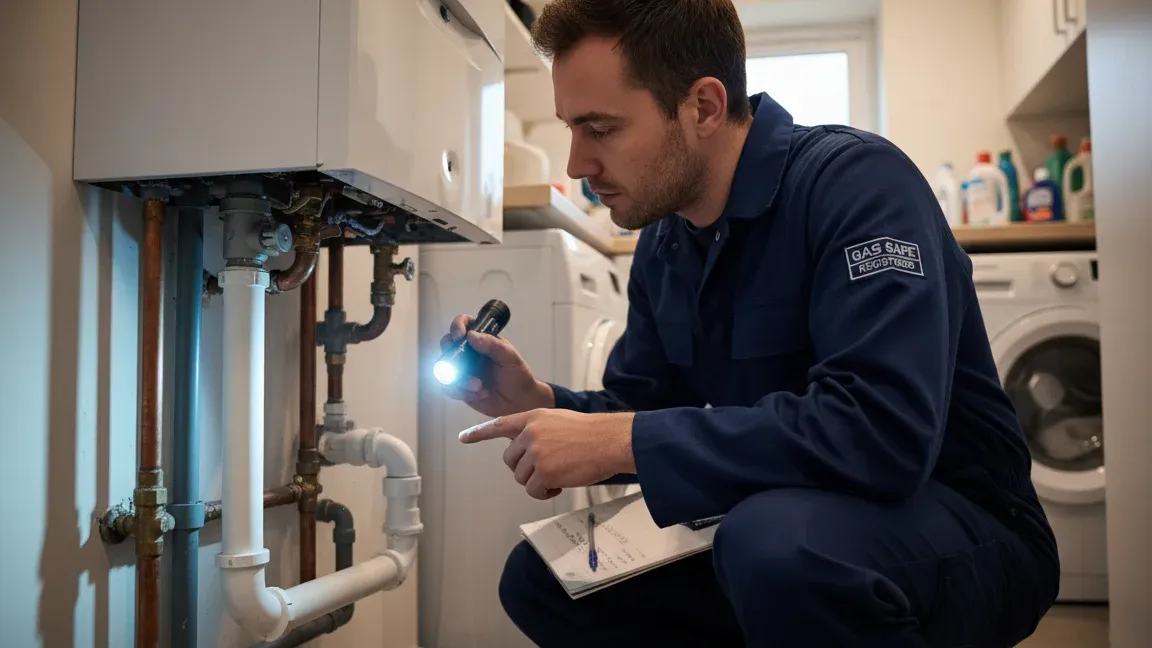
Modern condensing boilers deliver exceptional efficiency by extracting maximum heat from combustion gases, but this process creates a significant byproduct that many homeowners do not anticipate: acidic condensate. Every condensing boiler produces this wastewater, typically generating 2-3 litres per hour during operation. Whilst gravity drainage handles this condensate in most installations, certain situations make a boiler condensate pump absolutely essential for safe, reliable heating system operation.
Understanding when a boiler requires a condensate pump - and recognising the warning signs of drainage problems - protects heating investments and prevents unexpected breakdowns during the coldest months when heating proves most critical.
Understanding Condensate Production in Modern Boilers
What Is Boiler Condensate and Why Does It Matter?
Condensate forms when water vapour in flue gases cools and returns to liquid state during the heat exchange process. This liquid carries a pH typically between 3 and 5, making it mildly acidic due to dissolved carbon dioxide and other combustion byproducts. The acidity level varies depending on fuel type, boiler efficiency, and combustion quality.
Condensing boilers achieve their superior efficiency ratings (often 90% or higher) specifically by condensing these flue gases to extract latent heat that conventional boilers waste. This condensation process is fundamental to their operation, not an occasional occurrence. A typical domestic condensing boiler produces between 2-3 litres of condensate per hour when firing, though actual volumes depend on boiler size, load, and return water temperature.
Proper condensate disposal represents a regulatory requirement under UK Building Regulations rather than merely a convenience issue. The acidic nature of condensate means it cannot simply drain onto the ground or into certain drainage systems without proper treatment or dilution. Installations failing to address condensate disposal correctly face compliance issues and potential damage to drainage infrastructure.
The Natural Drainage Challenge
Gravity drainage represents the simplest and most reliable method for condensate removal when site conditions permit. The condensate naturally flows downward through pipework to an appropriate discharge point - typically a soil stack, internal drain, or purpose-built soakaway. This approach requires no electrical power, involves no moving parts to fail, and operates silently without ongoing maintenance requirements.
However, gravity only works when the boiler sits higher than the available drainage point. The condensate pipe must maintain a continuous downward slope of at least 2.5 degrees (approximately 44mm fall per metre of pipe run) to ensure reliable flow and prevent freezing in external sections during cold weather.
Many building configurations make gravity drainage impractical or impossible. Boilers installed in basements, cellars, or ground-floor locations often sit below the nearest soil stack or drainage connection. Horizontal distance also matters - even with adequate fall, condensate pipes exceeding 3 metres in length become prone to blockages and freezing, particularly in external runs exposed to winter temperatures.
Clear Signs Your Boiler Needs a Condensate Pump
Boiler Location Below Drainage Point
The most obvious indicator that an installation requires a boiler condensate pump is simple geometry: when the boiler sits lower than any practical drainage outlet, gravity cannot remove condensate effectively. Basement boiler installations almost universally require pumping solutions, as do many ground-floor locations where soil stacks enter the building at first-floor level or higher.
Calculating the required vertical lift helps determine appropriate pump specifications. Measure the vertical distance from the boiler's condensate outlet to the intended drainage point, then add a safety margin of at least 300mm to account for system variations. Most domestic condensate pumps handle vertical lifts between 3-5 metres, though commercial models manage greater heights when installations require additional capacity.
Horizontal pumping distance also factors into pump selection significantly. Whilst condensate pumps primarily address vertical lift challenges, they must also push condensate through horizontal pipe runs to reach drainage points. Each metre of horizontal pipe roughly equates to 100mm of vertical lift in terms of pump workload. A boiler requiring 2 metres of vertical lift plus 6 metres of horizontal run effectively needs a pump rated for approximately 2.6 metres of total head.
Real UK examples demonstrate these challenges clearly. Victorian terraced houses converted to flats often place new boilers in ground-floor kitchens or utility rooms, whilst the only accessible soil stack runs vertically through upper floors. Modern apartments in converted commercial buildings frequently position boilers in internal cupboards far from any external walls or drainage access. Both scenarios demand reliable pumping solutions for compliant condensate disposal.
Frequent Boiler Lockouts and Error Codes
Condensate drainage problems trigger safety lockouts designed to prevent boiler damage and flooding. When condensate cannot drain properly, it backs up into the boiler's heat exchanger or collection chamber, activating float switches or pressure sensors that shut down operation immediately to prevent overflow and component damage.
Modern boilers display specific error codes indicating condensate-related faults. Vaillant boilers typically show F28 or F29 codes when condensate drainage issues interrupt operation. Remeha boilers may display different fault codes, but the pattern remains consistent across manufacturers: repeated lockouts, particularly after extended firing periods, often point to inadequate condensate removal.
Seasonal patterns provide additional diagnostic clues for identifying condensate problems. Condensate-related failures spike during winter months when external condensate pipes freeze, blocking drainage completely. If a boiler runs perfectly during mild weather but repeatedly locks out during cold snaps, frozen condensate pipes or pump failures become prime suspects requiring investigation.
Distinguishing condensate problems from other fault causes requires systematic diagnosis. True condensate issues typically occur after the boiler has been firing for some time, allowing condensate to accumulate. Immediate lockouts on startup more commonly indicate ignition, gas supply, or air pressure faults rather than drainage problems.
Visible Water Accumulation or Leakage
Physical evidence of condensate problems often appears before electronic fault codes alert occupants to issues. Water pooling around the boiler base, particularly acidic-smelling liquid with a pH below 7, strongly suggests condensate overflow or drainage failure. The acidic nature distinguishes condensate from central heating system water, which typically contains inhibitors and maintains near-neutral pH.
Staining patterns tell diagnostic stories about chronic issues. White or brown deposits on flooring beneath the boiler indicate chronic condensate leakage, with minerals from the acidic water etching surfaces over time. External walls showing ice formation during winter months often trace back to condensate pipes lacking adequate insulation or experiencing drainage restrictions that allow water to accumulate.
Frozen condensate represents a particularly common UK problem during winter. External condensate pipes must be insulated to Building Regulations standards, yet many installations use undersized insulation or expose pipes to severe wind chill. When condensate freezes in the pipe, it creates a complete blockage that forces boiler shutdown until thawed.
Corrosion evidence around boiler connections, particularly at the condensate outlet or nearby pipework, indicates long-term exposure to acidic condensate. This damage suggests either chronic leakage or condensate backup into areas not designed for continuous acidic exposure. Addressing these problems quickly prevents expensive heat exchanger damage and extends boiler lifespan significantly.
Unusual Noises from the Boiler Area
Audible symptoms often precede visible problems, providing early warning of developing issues. Gurgling sounds from the boiler or condensate pipework indicate restricted drainage, with condensate struggling to flow through partially blocked pipes or inadequate falls. These noises intensify when the boiler fires at higher outputs, producing more condensate that overwhelms marginal drainage capacity.
Condensate pump operation produces characteristic sounds that become familiar once recognised. A healthy pump activates intermittently as its collection tank fills, running for 10-30 seconds before shutting off once the tank empties. The motor produces a steady hum during operation, with a subtle change in pitch as the tank empties and the pump begins moving air rather than liquid.
Abnormal pump noises warrant immediate investigation before problems escalate. Continuous running without shutoff indicates either a failed float switch or a pump unable to overcome the required head. Grinding or rattling sounds suggest mechanical wear or debris in the pump impeller. High-pitched squealing often indicates bearing wear or motor problems requiring pump replacement.
Technical Requirements for Condensate Pump Installation
Sizing and Capacity Considerations
Proper pump sizing ensures reliable condensate removal under all operating conditions throughout the year. The pump must handle the maximum condensate production rate of the boiler whilst providing adequate vertical lift to reach the drainage point. Undersized pumps run continuously without fully emptying their tanks, leading to premature failure and potential overflow situations.
Matching pump capacity to boiler output starts with manufacturer specifications. Boiler documentation typically states condensate production rates in litres per hour at full output. Select a pump rated for at least 150% of this production rate to provide safety margin and account for intermittent operation patterns during peak heating demand.
Grundfos pumps and other quality manufacturers provide detailed specifications enabling accurate pump selection. Vertical lift requirements dominate selection - measure the actual vertical distance from pump location to drainage discharge point, then add 500mm safety margin to account for pipe friction and ensure reliable operation under all conditions.
Tank capacity affects pump cycling frequency and long-term reliability. Larger tanks reduce how often the pump activates, extending motor life and reducing noise disturbance. However, excessively large tanks allow condensate to cool and potentially precipitate dissolved solids. Most domestic installations work well with tank capacities between 2-4 litres, providing 1-2 hours of condensate storage at typical production rates.
Installation Location and Positioning
Optimal pump placement balances several competing requirements that must be considered during installation planning. The pump should sit as close to the boiler's condensate outlet as practical, minimising gravity drainage pipe length and reducing potential freeze points. However, it must also remain accessible for maintenance, inspection, and eventual replacement without requiring boiler removal or major system disruption.
Accessibility requirements extend beyond simple physical access. The pump needs sufficient clearance around it for lid removal, tank cleaning, and float switch inspection. Many installations fail this requirement, wedging pumps into tight corners where routine maintenance becomes nearly impossible. Plan for at least 300mm of clearance above the pump and 200mm on at least two sides for practical servicing access.
Electrical supply considerations follow standard wiring regulations for fixed appliances. The pump requires a fused spur connection, typically rated at 3 amps for domestic condensate pumps. This spur should be located above the pump to prevent water contact in overflow situations, and it must be readily accessible for isolation during maintenance procedures.
Noise transmission matters more than many installers anticipate. Condensate pumps activate frequently during heating operation, and pump vibration can transmit through solid connections to building structures. Mounting pumps on resilient pads or using flexible connections to pipework reduces noise transmission to occupied spaces. Avoid mounting pumps directly to stud walls or hollow floors where vibration amplification occurs.
Drainage Outlet Options and Regulations
UK Building Regulations Part G governs condensate drainage requirements, specifying acceptable discharge points and installation standards that must be followed for compliant installations. Understanding these regulations prevents compliance issues and ensures long-term system reliability.
Soil stack connections represent the most common and reliable discharge option for pumped condensate in most installations. The connection must be made via a proper trap (typically 75mm seal depth) to prevent drain gases entering the building. Connect above the lowest soil stack connection to prevent sewage backup into the condensate system during drain blockages.
Internal drainage via sinks, basins, or other waste connections provides alternative discharge points when soil stacks prove inconveniently accessible. These connections must maintain proper trap seals and should discharge into waste pipes rather than directly into traps to prevent condensate acidity affecting trap seals over time.
External drainage requires careful consideration of freezing risks and environmental impacts. Whilst condensate can discharge to surface water drains or soakaways in some circumstances, the discharge pipe must be properly insulated and protected from freezing throughout winter. National Pumps and Boilers recommends professional assessment of external drainage options to ensure compliance and reliability.
Choosing the Right Condensate Pump Solution
Dedicated Condensate Pumps vs Universal Models
Purpose-built condensate pumps designed specifically for boiler applications offer significant advantages over universal drainage pumps adapted for this purpose. These specialised units feature chemical-resistant materials throughout the wetted path, protecting against the acidic condensate that would corrode standard pumps within months of installation.
The tank construction in dedicated boiler condensate pump units uses materials proven to resist pH levels as low as 3 without degradation over extended service periods. Polypropylene and similar polymers provide excellent chemical resistance whilst maintaining structural integrity across the temperature range encountered in condensate applications.
Float switch reliability distinguishes quality condensate pumps from budget alternatives. Premium units employ robust float mechanisms that resist sticking or binding even after years of service in acidic condensate environments. Failed float switches represent the most common pump failure mode, often causing overflow situations that damage building fabric and decorations.
Wilo pumps and other established manufacturers offer condensate pump options with proven reliability records. Warranty terms reflect manufacturer confidence - dedicated condensate pumps typically carry 2-3 year warranties covering both parts and labour, whilst universal pumps adapted for condensate service often limit coverage or exclude condensate applications entirely.
Key Features to Consider
Automatic operation through reliable float switches ensures pumps activate when needed without manual intervention. Quality pumps incorporate dual float systems providing primary activation and secondary high-level safety shutdown if primary systems fail. This redundancy prevents overflow situations that cause property damage.
Alarm outputs for pump failure notification prove valuable in installations where occupants may not immediately notice pump problems. These outputs can connect to boiler controls to shut down heating if condensate cannot drain, or to separate alarm systems alerting occupants to investigate. Commercial installations particularly benefit from remote monitoring capabilities.
Chemical resistance throughout pump construction ensures long service life in acidic condensate environments. Verify that pump housings, impellers, float mechanisms, and seals all use materials rated for pH 3-5 exposure over extended periods. Lowara and other quality manufacturers specify material compatibility in technical documentation.
Quiet operation specifications matter for residential installations where pumps sit near living spaces. Manufacturers specify sound levels in decibels - seek pumps rated below 40dB for operation that avoids disturbance. Installation on vibration-damping mounts further reduces noise transmission through building structures to occupied rooms.
Maintenance and Troubleshooting
Regular Maintenance Requirements
Inspection frequency recommendations vary by installation type and usage intensity. Residential systems benefit from quarterly visual inspection with annual thorough cleaning, whilst commercial installations with higher condensate volumes warrant monthly attention to prevent problems affecting building operations.
Cleaning procedures for pump tanks and components prevent the debris accumulation that causes most pump failures. Remove tank covers, flush accumulated sediment, clean float mechanisms, and verify free float movement through full travel range. This maintenance takes 15-30 minutes but prevents failures that cause boiler shutdowns and potential property damage.
Testing pump operation during annual boiler service should be standard practice for all installations. Fill the tank manually to trigger float activation, verify the pump runs and empties the tank completely, and confirm discharge flows freely at the termination point. Expansion vessels and other heating system components should be checked during the same service visit for comprehensive system maintenance.
Preventive measures against freezing and blockages protect systems during vulnerable winter months. Verify insulation on all external pipe runs, clear any debris from discharge terminations, and consider trace heating for installations in particularly exposed locations or regions experiencing prolonged sub-zero temperatures.
When Professional Help Becomes Necessary
Simple maintenance tasks including cleaning and visual inspection suit competent homeowners, but certain situations require professional assistance from qualified heating engineers. Electrical issues, recurring pump failures despite maintenance, and drainage problems affecting boiler operation warrant expert diagnosis to identify underlying causes.
Emergency situations requiring immediate attention include active water leaking from pump overflow, boiler lockout during cold weather when heating proves essential, and electrical burning smells indicating potential fire risk. These situations require prompt professional response to prevent property damage or safety hazards.
Gas Safe registered engineers must handle any work affecting boiler controls or gas supply, including interlocks between condensate pumps and boiler operation. DHW pumps and other heating system components should similarly be serviced by qualified professionals familiar with specific equipment requirements.
For expert guidance on condensate pump selection, installation assessment, and maintenance requirements, Contact Us to discuss specific situations and receive professional recommendations tailored to individual installations.