

How to Maintain Carbon Monoxide Detection Systems in Commercial Buildings
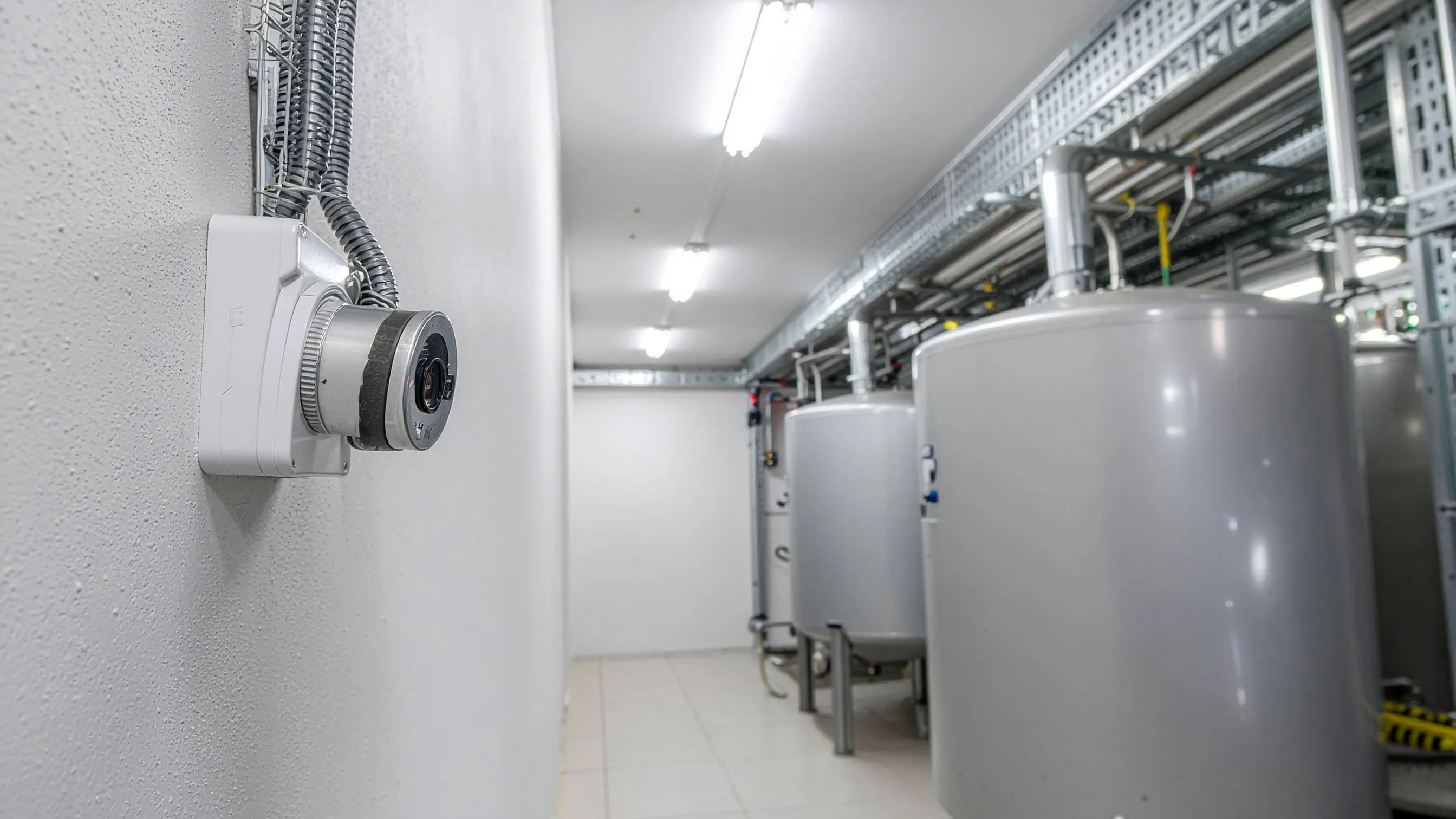
Carbon monoxide kills silently. In commercial buildings where central heating systems, water heaters, and backup generators operate continuously, the risk multiplies rapidly. Unlike domestic properties where a single detector might suffice, commercial premises demand comprehensive detection networks. You must implement rigorous maintenance protocols that satisfy both legal obligations and genuine safety imperatives.
The Health and Safety Executive reports that commercial premises account for a disproportionate number of carbon monoxide incidents. Often, detection systems exist on paper but deteriorate silently until a failure occurs. Maintenance is a strict legal requirement under the Gas Safety (Installation and Use) Regulations 1998. It also forms part of the fundamental duty of care every building operator owes to occupants. A well-maintained system provides the ultimate safeguard against this invisible threat.
Commercial Carbon Monoxide Detection Requirements
Building Regulations Part J mandates carbon monoxide detection in any room containing a fixed combustion appliance. Implementing proper commercial carbon monoxide detection requires careful planning and strategic placement. Commercial buildings typically house multiple combustion sources, like massive boiler plants and industrial kitchen equipment.
Each combustion source creates distinct risk profiles requiring tailored detection strategies. National Pumps and Boilers regularly advises facility managers on maintaining these critical safety networks. Commercial operators must implement zone-based detection networks with heavily documented maintenance schedules. You need professional inspection records and proper commercial boiler room monitoring to ensure absolute compliance.
Insurance underwriters now routinely request these maintenance records during commercial policy renewals. Gaps in documented testing can easily void your coverage or trigger severe premium increases.
Types of Carbon Monoxide Detection Systems
Implementing effective commercial carbon monoxide detection starts with selecting the right hardware. Hardwired mains-powered detectors connect directly to your building's electrical system and include a battery backup. These units dominate modern installations because they eliminate constant battery replacement concerns while providing reliable power.
For larger facilities, an addressable detection network integrates carbon monoxide sensors directly into the main fire alarm panel. If an alarm triggers, the addressable detection network tells your building management system exactly which plant room has the issue. This allows your engineers to respond instantly instead of searching the entire facility blindly.
Even if your plant room just runs standard grundfos pumps alongside a single boiler, you still need reliable detection. Standalone battery-operated units can serve temporary installations, but they demand far more intensive maintenance because battery failure represents a constant vulnerability.
Establishing a Comprehensive Maintenance Schedule
Effective maintenance operates on three distinct timescales: monthly functional testing, quarterly verification, and annual professional inspection. Monthly testing involves designated staff pressing test buttons to verify alarm audibility. This rapid check catches common failures like flat batteries, electrical disconnections, or damaged alarm speakers.
Quarterly verification steps beyond basic functionality to assess the actual sensor response. Specialists use calibrated test gas to ensure the unit detects carbon monoxide accurately at the correct thresholds. Annual professional inspections by Gas Safe Register engineers represent the absolute compliance baseline.
During these annual checks, engineers verify detector placement relative to heavy equipment, like a vaillant 80kw boiler, and confirm integration with ventilation controls. Proper commercial boiler room monitoring during these statutory checks ensures your safety network functions perfectly when emergencies arise.
Sensor Lifespan and Replacement Protocols
Most modern detectors use specific chemistry to sniff out deadly gas. However, electrochemical sensor replacement is a non-negotiable maintenance reality. Manufacturers typically specify a seven to ten year lifespan for these internal components. After this period, detection reliability deteriorates drastically, even if the test button still beeps normally.
Think of these sensors like a standard car battery. Even if you do not drive the car frequently, the internal chemistry degrades over time until it eventually fails completely. End-of-life warning indicators now feature on most commercial detectors. These warnings typically manifest as distinct LED flash patterns or intermittent chirps.
A maintenance manager at a local sports centre recently ignored the end-of-life chirps on their detectors, assuming they just needed new batteries. Two weeks later, a blocked flue caused a CO build-up that went entirely unnoticed until staff felt dizzy. Proper electrochemical sensor replacement on schedule would have prevented the massive emergency evacuation. If you are servicing a DHW pump nearby, always check the manufacture date on the adjacent carbon monoxide alarm to ensure it is within its lifespan.
Integration With Commercial Heating Systems
Commercial heating systems create the primary carbon monoxide risks that detection systems must mitigate. Therefore, building management system integration represents a crucial step for large, complex facilities. Proper building management system integration links your detectors directly to your ventilation controls.
If carbon monoxide concentrations rise, the system can automatically increase extraction rates to dilute the contamination. This protects staff while simultaneously alerting building operators to the fault. Multi-zone building strategies deploy an addressable detection network that segments large premises into highly manageable response areas.
When a detector activates, the system can shut down associated combustion equipment automatically to stop the gas source. This level of automated safety is absolutely essential for complex DHW circulation setups operating continuously overnight.
Common Maintenance Failures and Prevention
Sensor contamination from dust and debris represents the most frequent maintenance failure in plant rooms. Airborne particulate coats the sensor elements, significantly reducing their detection sensitivity. Prevention requires regular, gentle vacuum cleaning using manufacturer-approved methods rather than harsh chemical sprays.
Electrical connection deterioration also affects hardwired detectors over time as terminal screws vibrate loose. False alarms often indicate genuine environmental issues rather than faulty detectors. For example, poor natural ventilation might draw combustion gases back into the plant room from nearby andrews water heaters.
Replacing detectors without investigating the root causes wastes resources and leaves underlying hazards totally unaddressed. Reliable commercial boiler room monitoring demands systematic troubleshooting rather than guesswork. You must investigate the environmental pressure imbalances that trigger these alerts.
Emergency Response Protocol Verification
Carbon monoxide detection systems exist within broader emergency response frameworks that require coordinated verification. Evacuation procedures must account for carbon monoxide scenarios differently from standard fire emergencies. Your building evacuation plan must be tailored to address invisible gas threats without causing unnecessary panic.
Building management notification systems should escalate carbon monoxide alarms to responsible personnel immediately, regardless of the time of day. This requires seamless building management system integration with security monitoring and facilities callout procedures. Annual testing should verify these notification chains, confirming that alarms reach the appropriate engineers instantly.
Emergency services integration ensures the fire brigade receives accurate information during an incident. Building operators should maintain current site plans showing detector locations, combustion appliance positions, and ventilation system layouts. Regular staff training maintains awareness and incorporates valuable lessons from false alarms or near-miss incidents.
Conclusion
Commercial carbon monoxide detection represents a strict safety obligation that protects occupants and satisfies legal requirements. The layered approach of monthly testing, quarterly verification, and annual professional inspection catches failures early. Building operators who treat this maintenance as genuine risk mitigation achieve superior safety outcomes for their facilities.
A well-maintained network provides peace of mind and proves your duty of care during compliance audits. Keep your records up to date, clean your units regularly, and proactively complete electrochemical sensor replacement before failure occurs. If you need to upgrade your facility's safety equipment or want to Ask About This Product, speak with our commercial heating specialists today.